




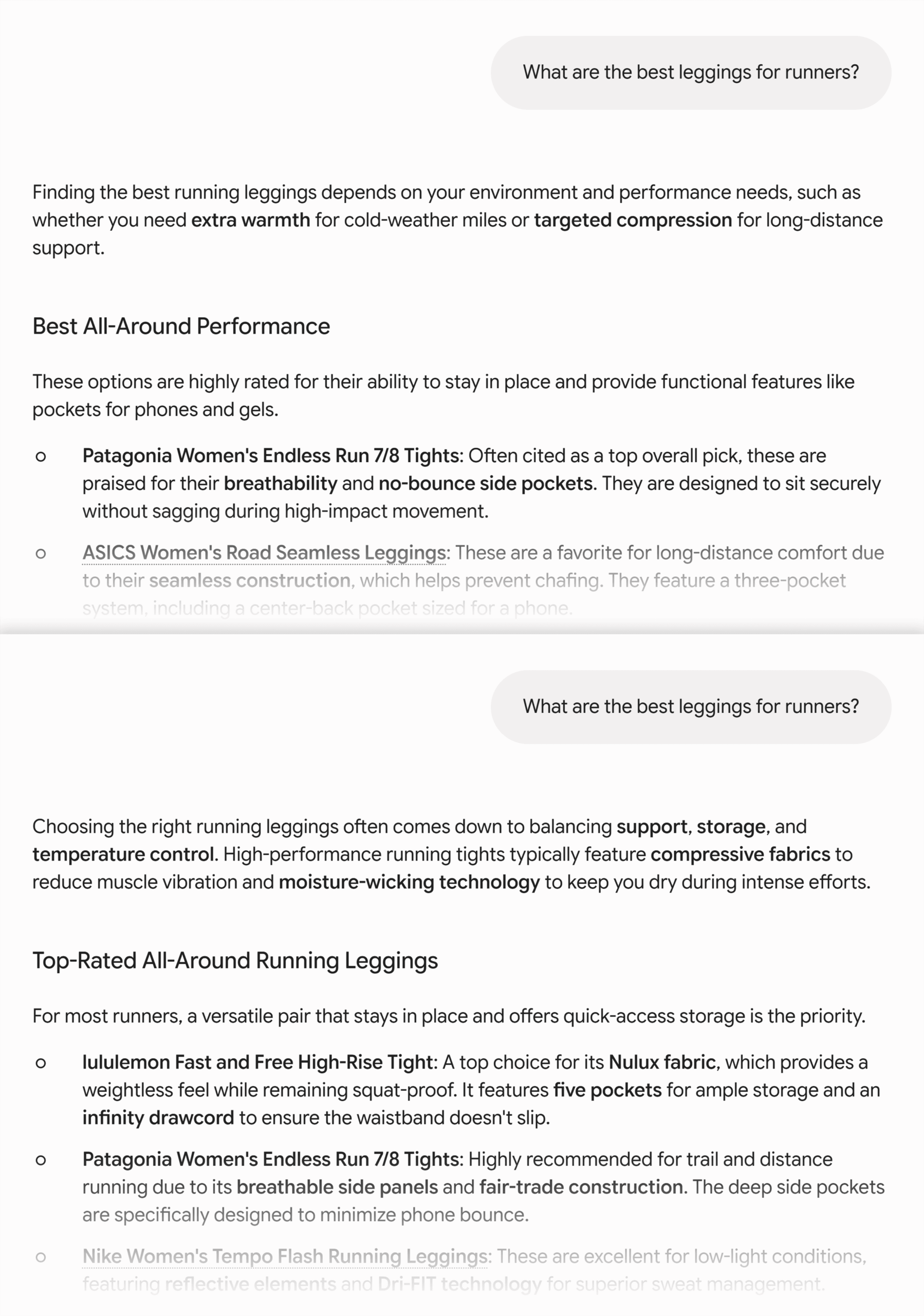
In the modern digital landscape, ranking #1 on Google is no longer the ultimate victory. A brand can hold the top spot for every primary keyword in its category, yet remain entirely invisible to the millions of consumers turning to Large Language Models (LLMs) for product research.

We have moved beyond the era of the "10 blue links." Today’s buyers are bypassing websites entirely, asking ChatGPT, Gemini, and Perplexity for recommendations, comparisons, and purchasing advice. If your brand isn’t showing up in those conversations—or worse, if you’re appearing with outdated or inaccurate information—you are losing market share in silence.
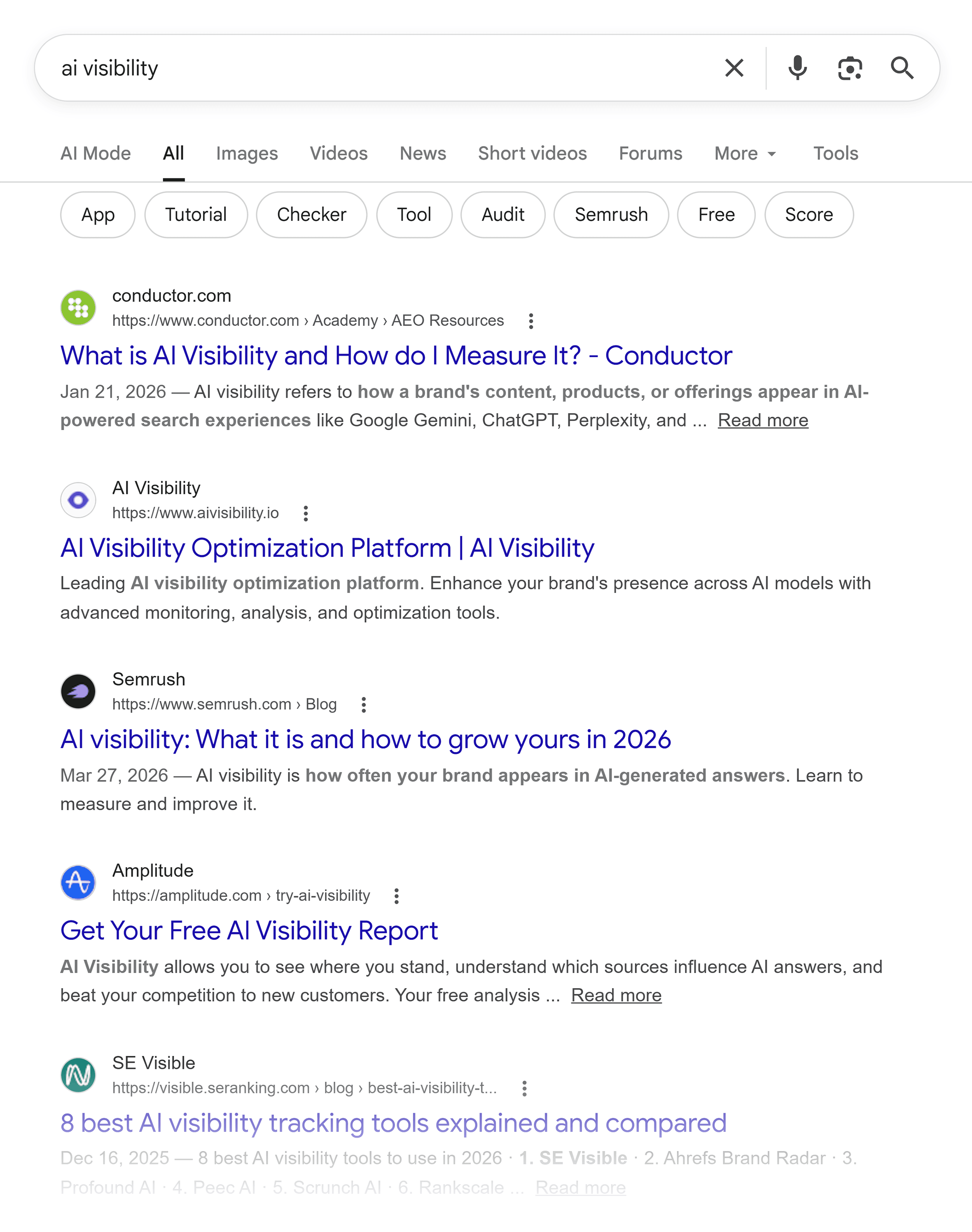
This is the "AI Visibility Gap," and without a formal system for prompt tracking, most marketing teams are effectively flying blind.
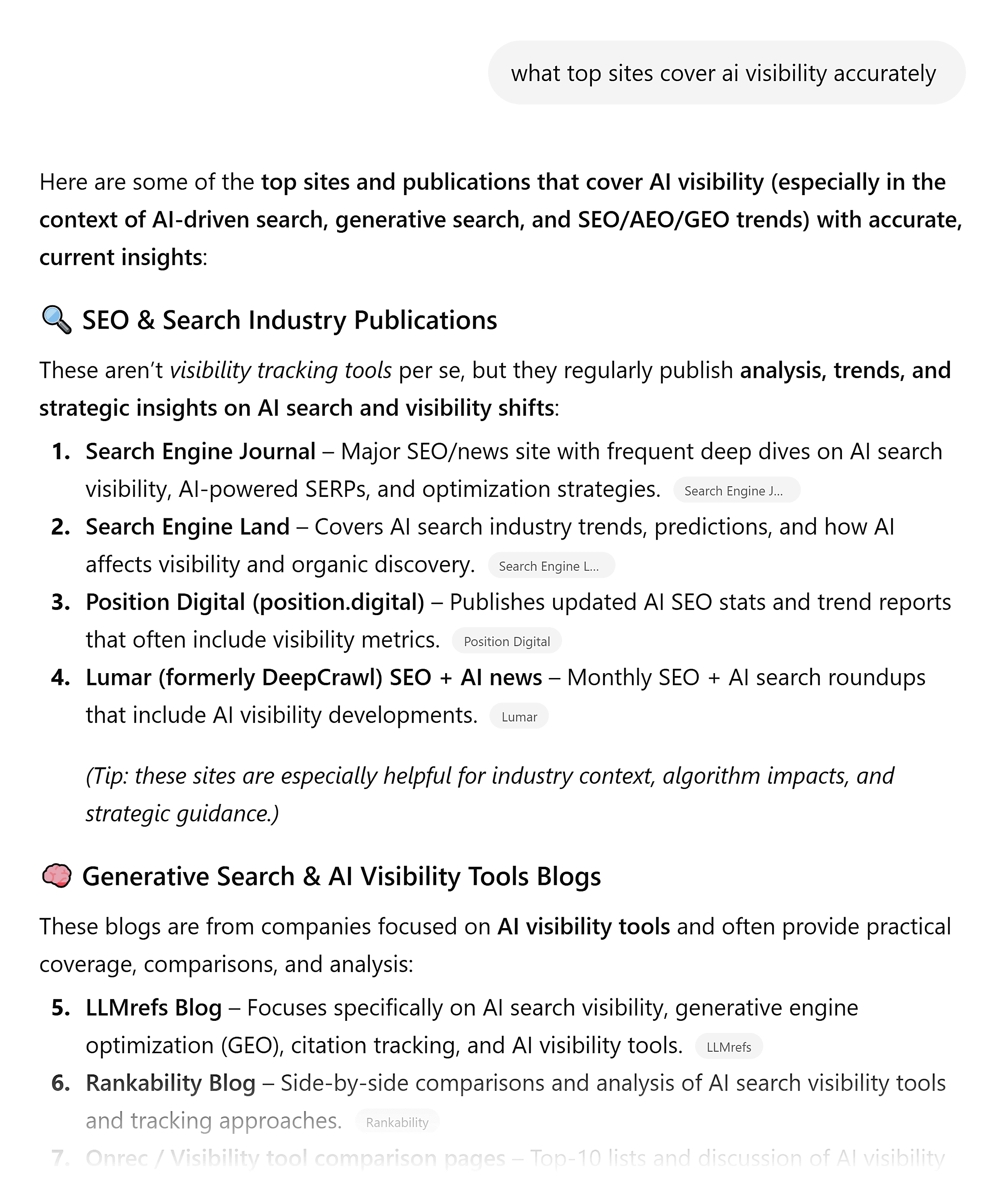
Understanding the Shift: From Search to Synthesis
Traditional SEO was built on the concept of a static Result Page (SERP). You optimized for a specific keyword, and you tracked your URL’s position relative to your competitors. You asked, "How close are we to position 1?"
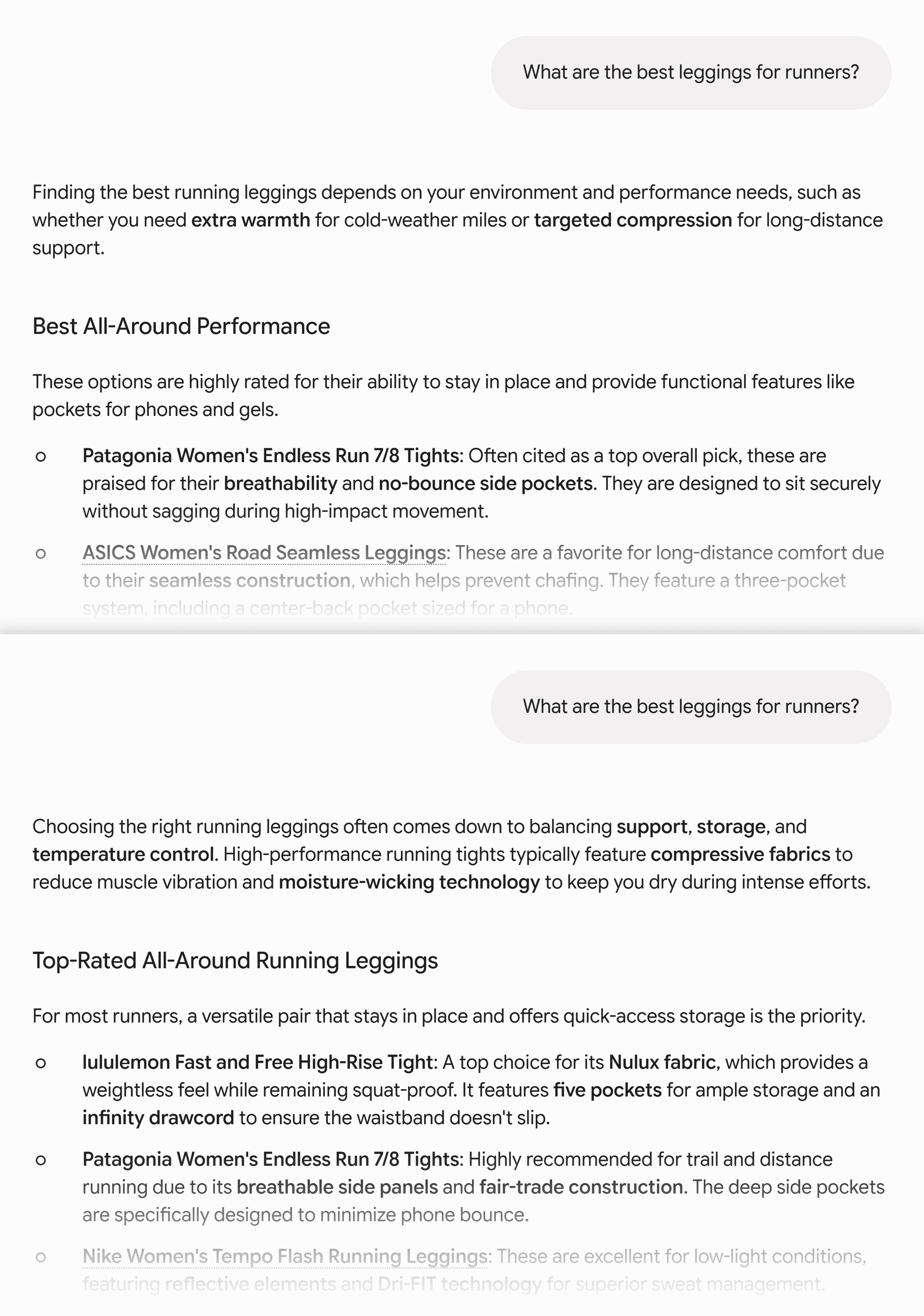
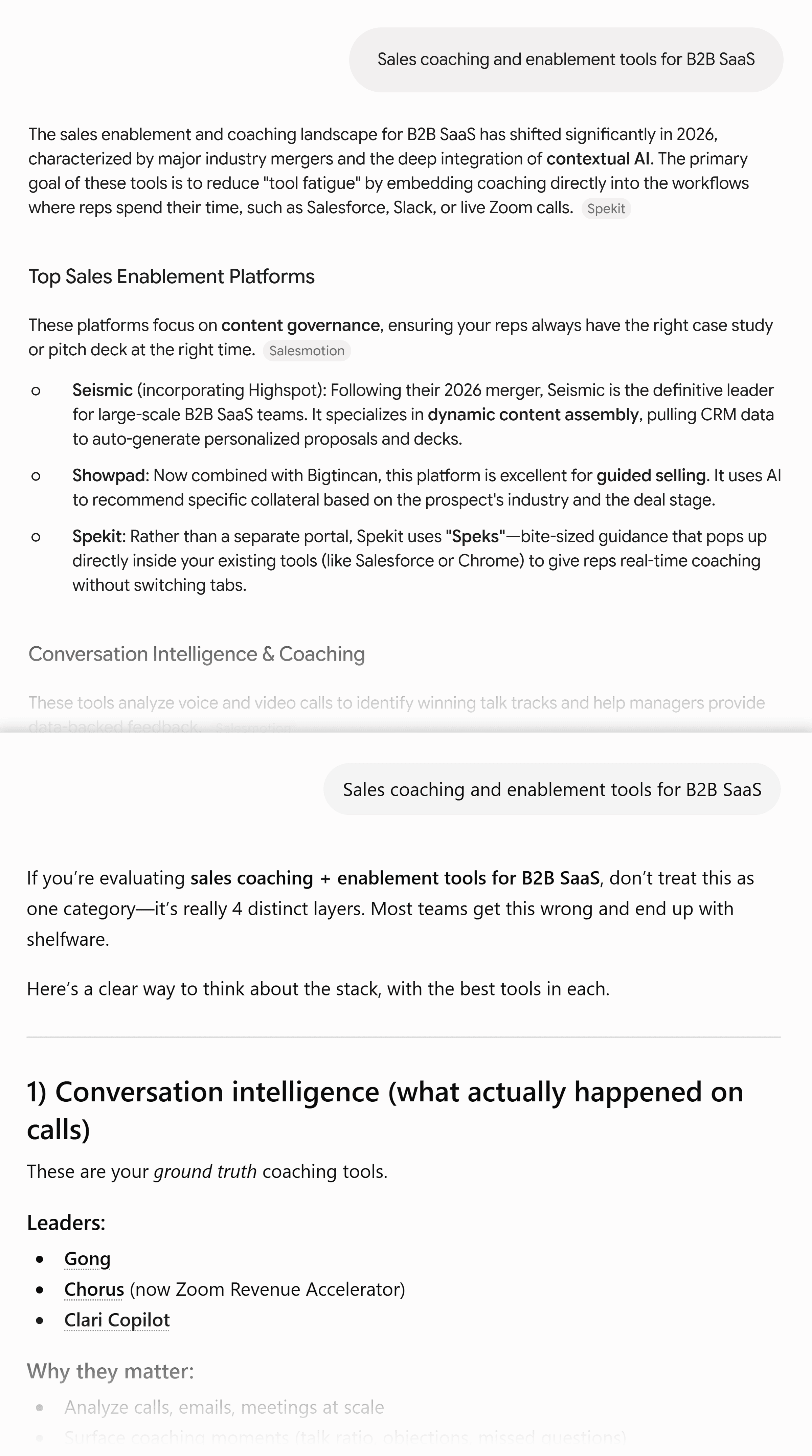
LLMs do not work this way. They do not serve a static list of links; they synthesize vast datasets to generate unique, context-aware responses every time a user asks a question. You can input the same prompt twice and receive two distinct answers. In this ecosystem, being "first" is less important than being "present" and "accurate" across a vast, fluctuating array of user prompts.
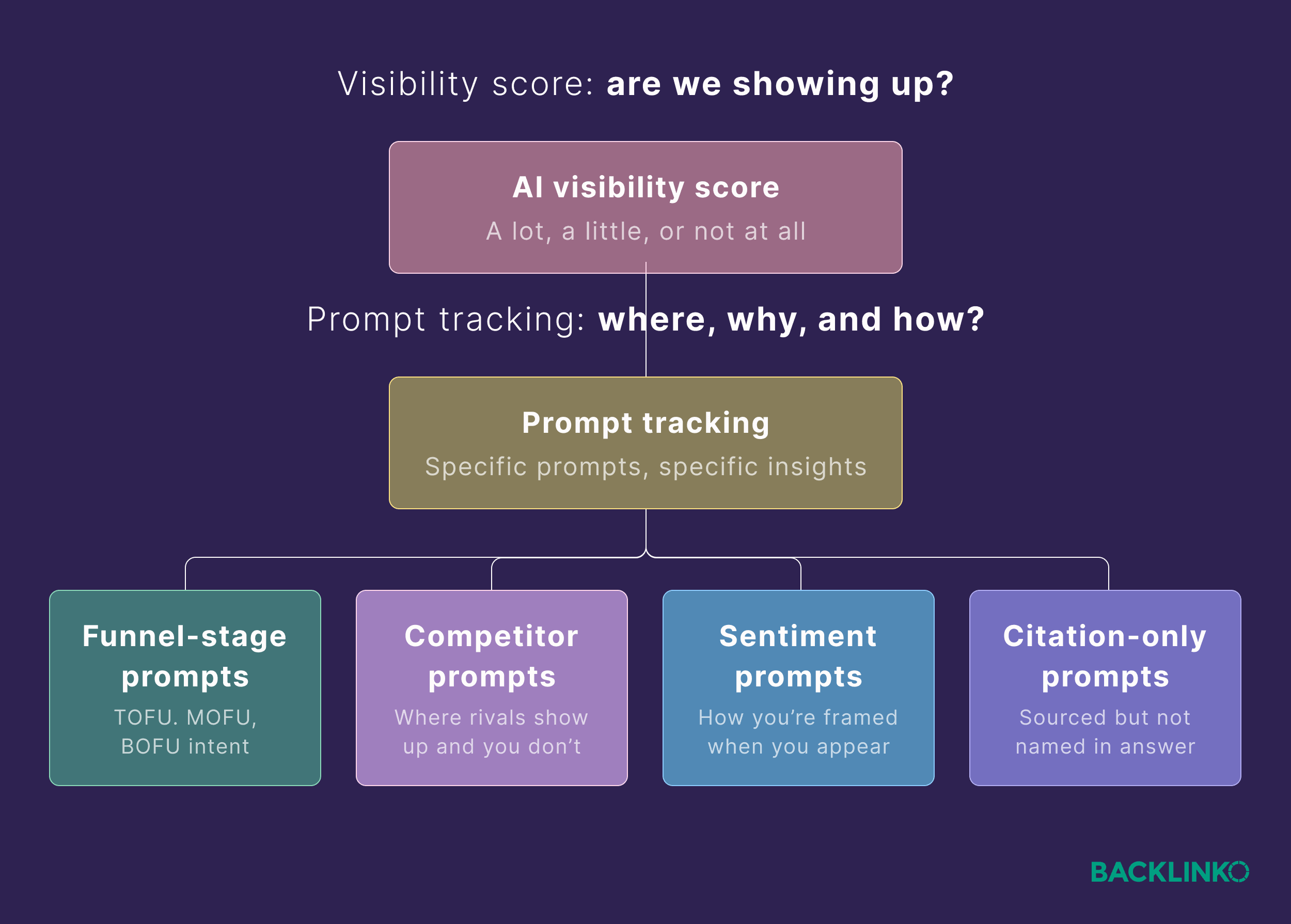
Why Prompt Tracking is Now Essential
According to a 2026 study from Orbit Media, 55% of US internet users now rely on AI as their primary or frequent research tool. More critically, 32% use these tools specifically for product recommendations.
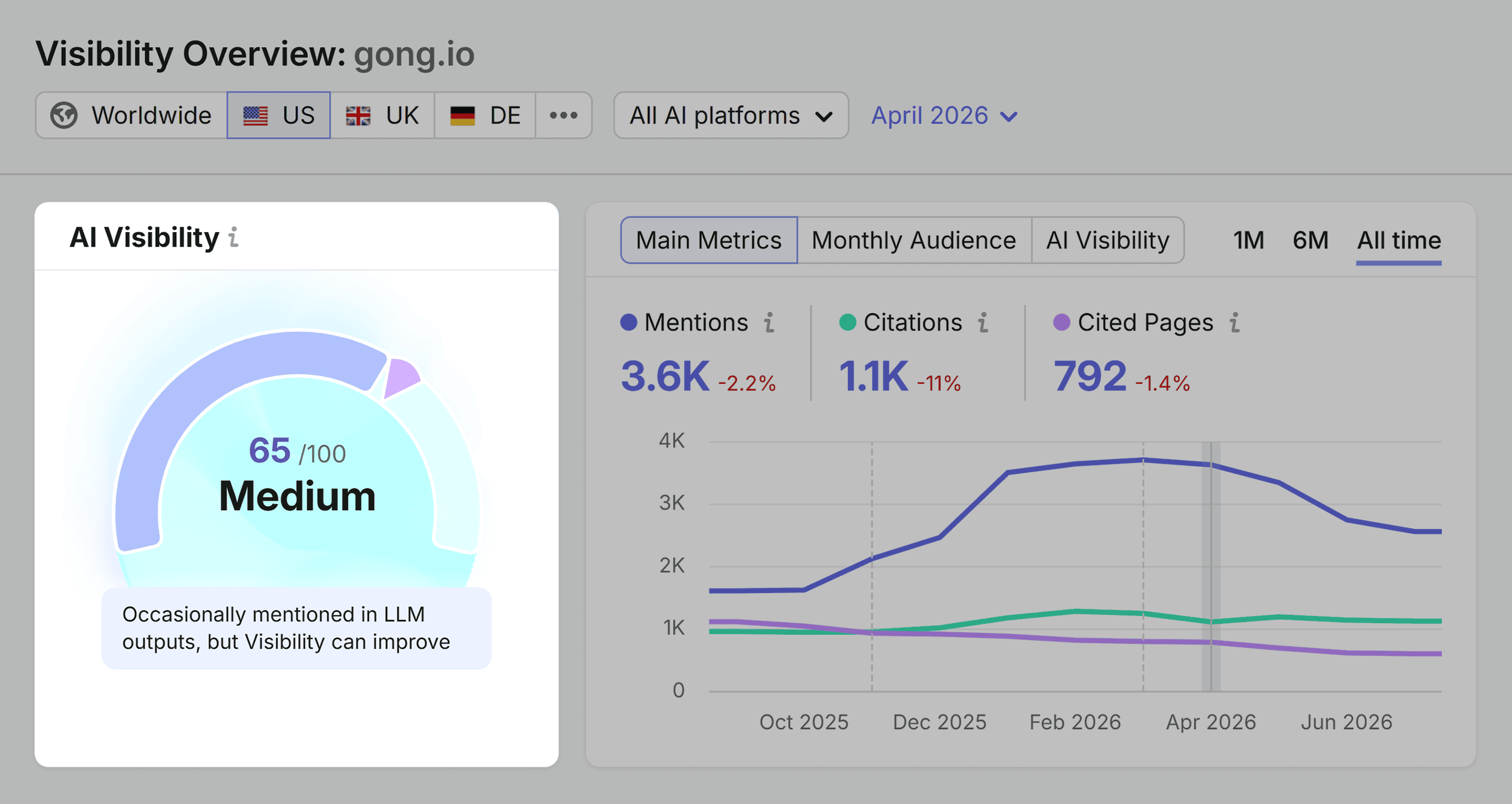
Prompt tracking—or LLM visibility tracking—is the practice of systematically monitoring how your brand appears (or fails to appear) in AI-generated answers over time. It allows you to move from passive observation to active optimization.
Supporting Data: The Cost of Invisibility
The stakes are high. As G2’s 2026 AI Search Insight Report highlights, 71% of B2B software buyers now rely on AI chatbots for product research, a significant jump from 60% just one year prior. If your brand is not mentioned during these research phases, you are being excluded from the buyer’s consideration set before they ever click a link to your landing page.
The Anatomy of an AI Visibility Strategy
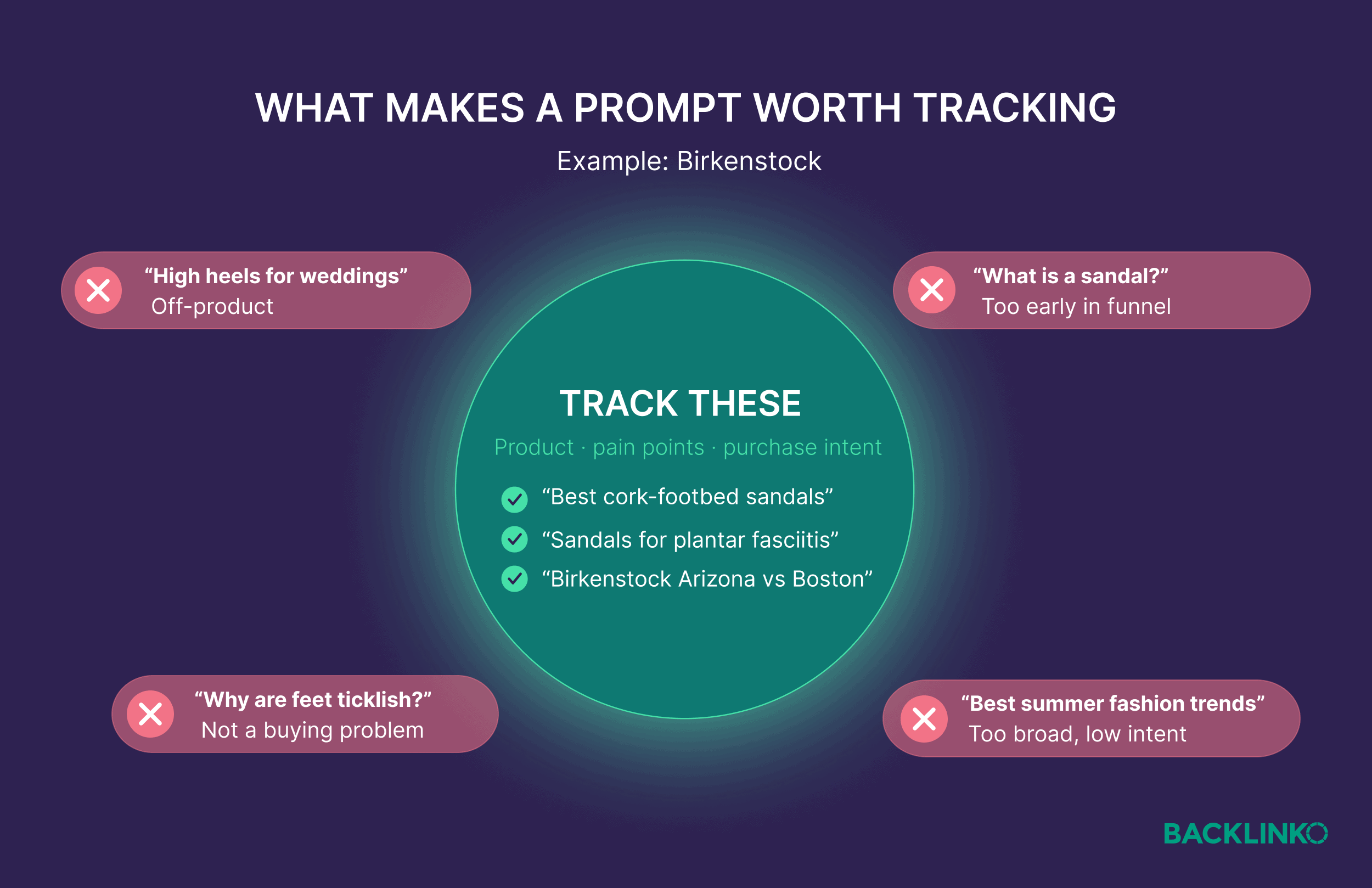
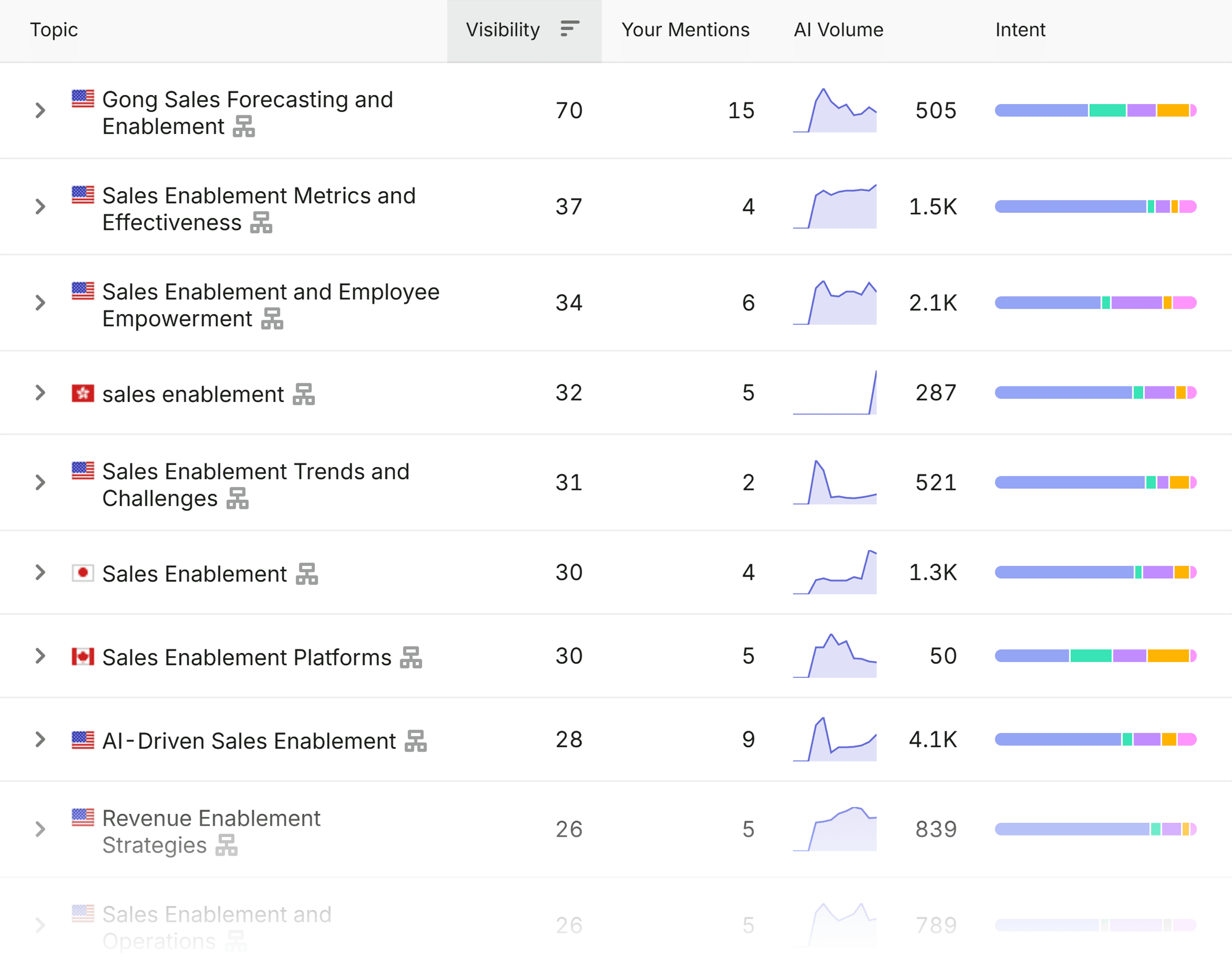
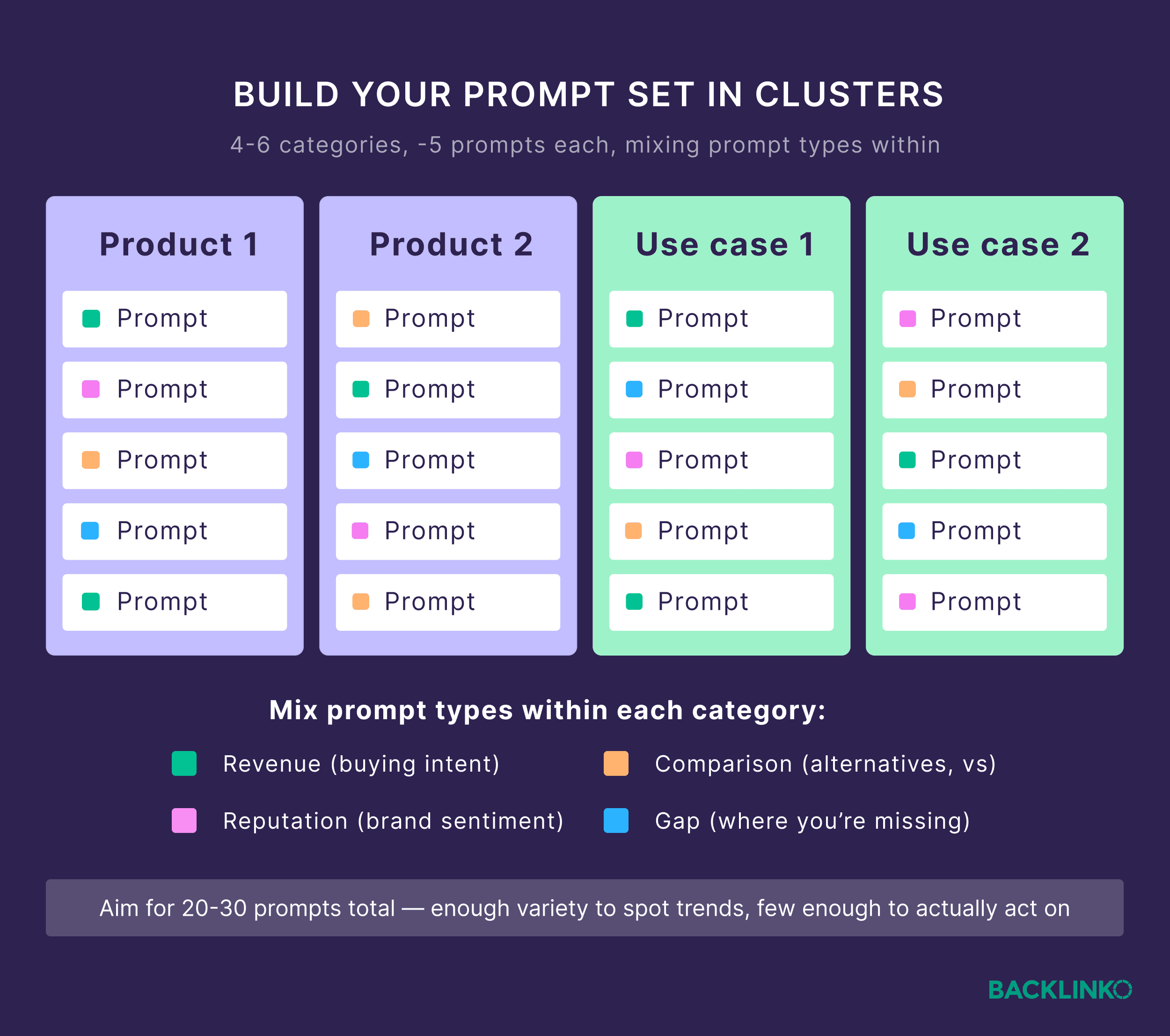
For prompt tracking to be effective, it must be actionable. Tracking every possible permutation of a question is a waste of resources. Instead, brands should focus on clusters of high-value prompts.
1. The Four Types of High-Value Prompts
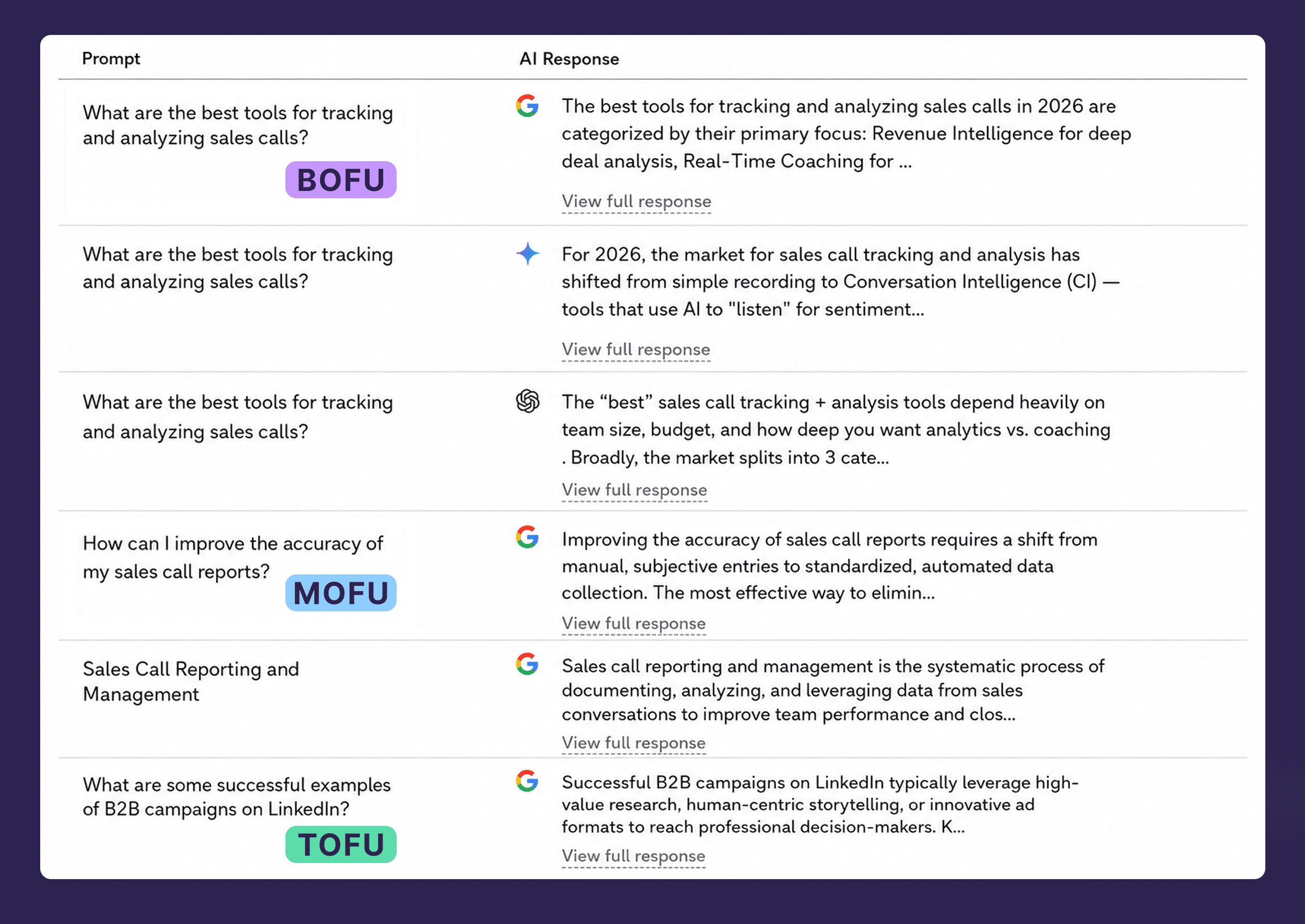
To build a robust tracking set, categorize your focus into these four areas:
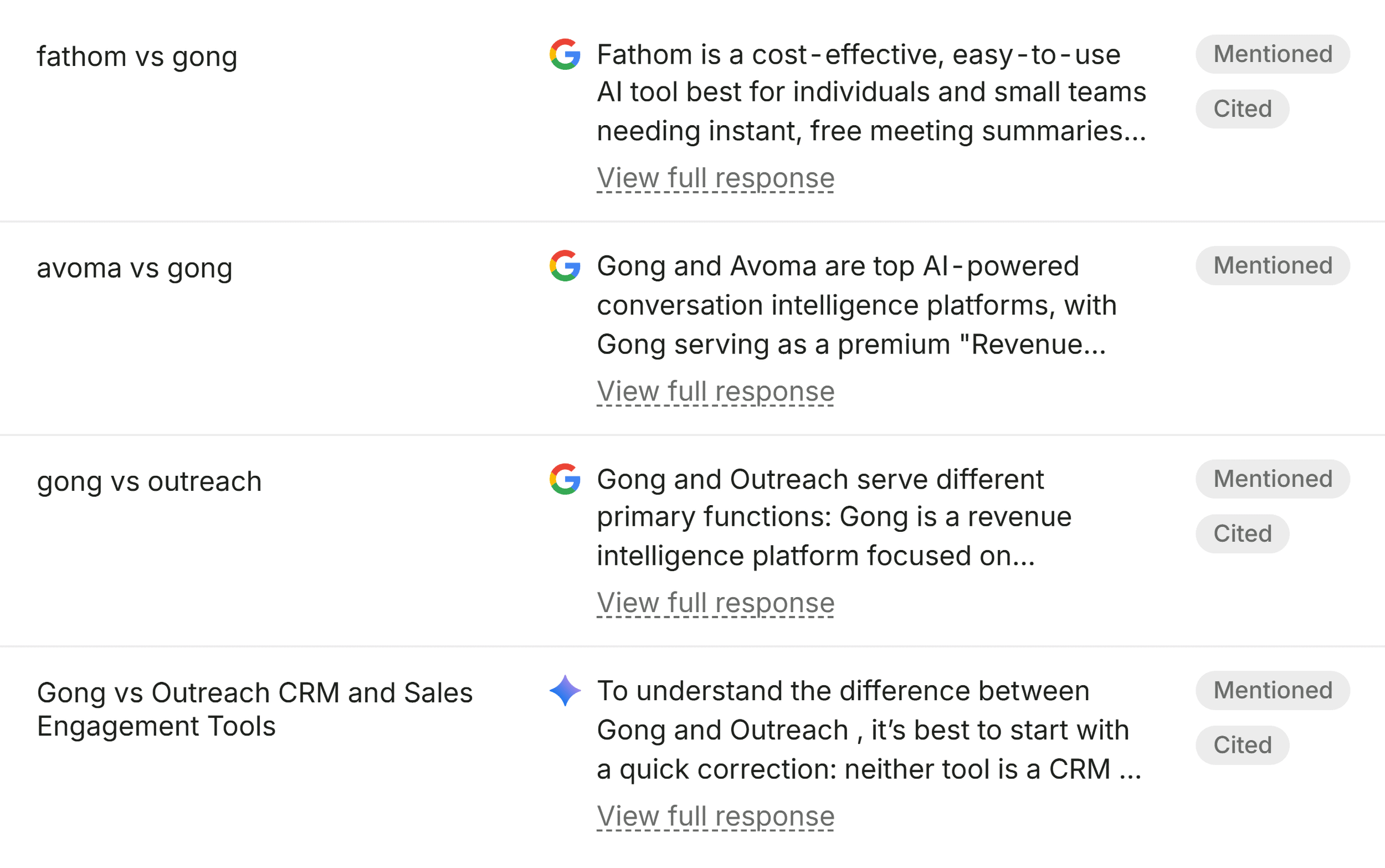
- Evaluation: "What is the best [product category] for [use case]?"
- Comparison: "How does [Brand A] compare to [Brand B]?"
- Reputation: "Is [Brand A] worth the price?"
- Gap/Discovery: "What are the top-rated alternatives to [Competitor]?"
2. Identifying Your Prompts
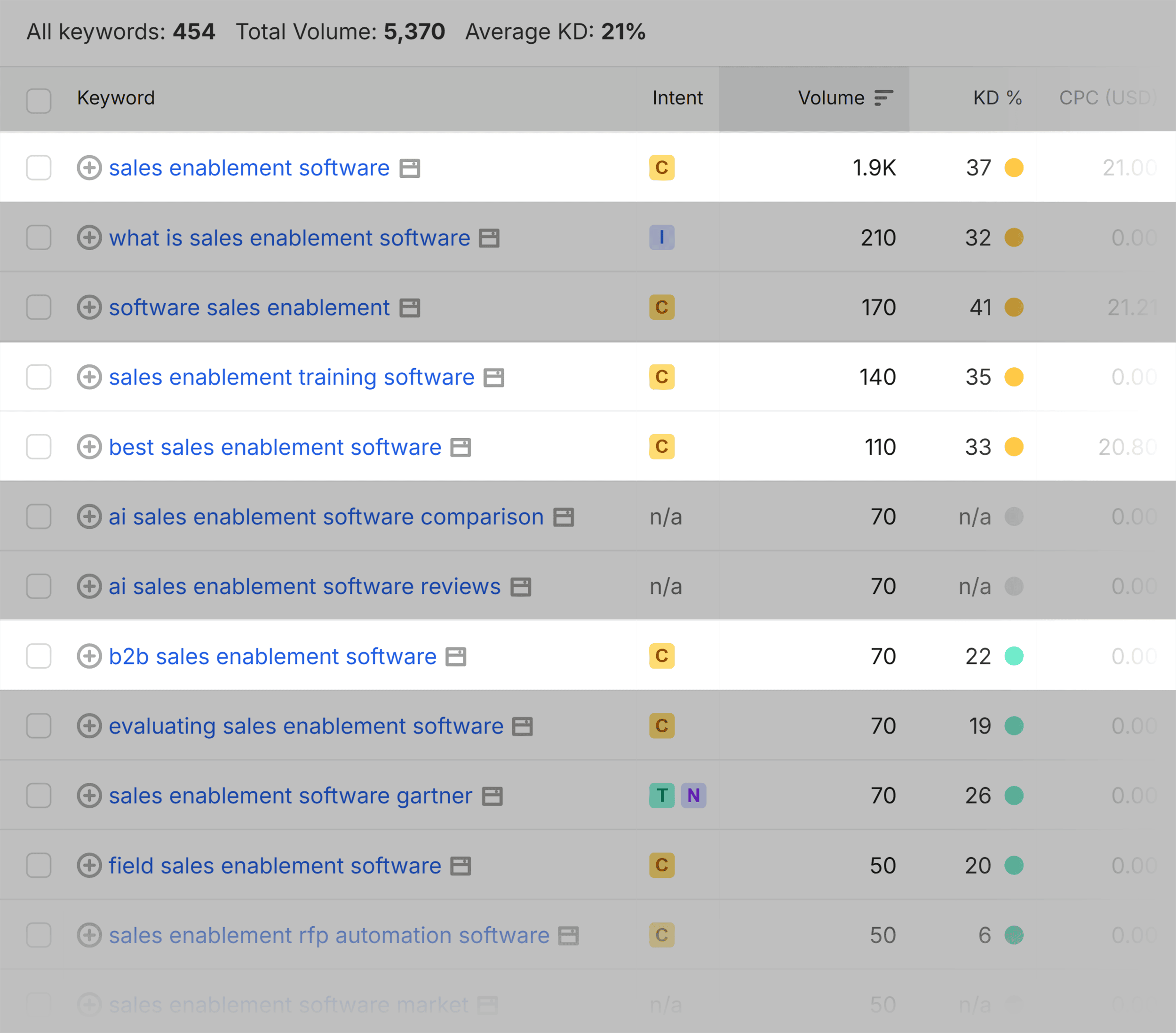
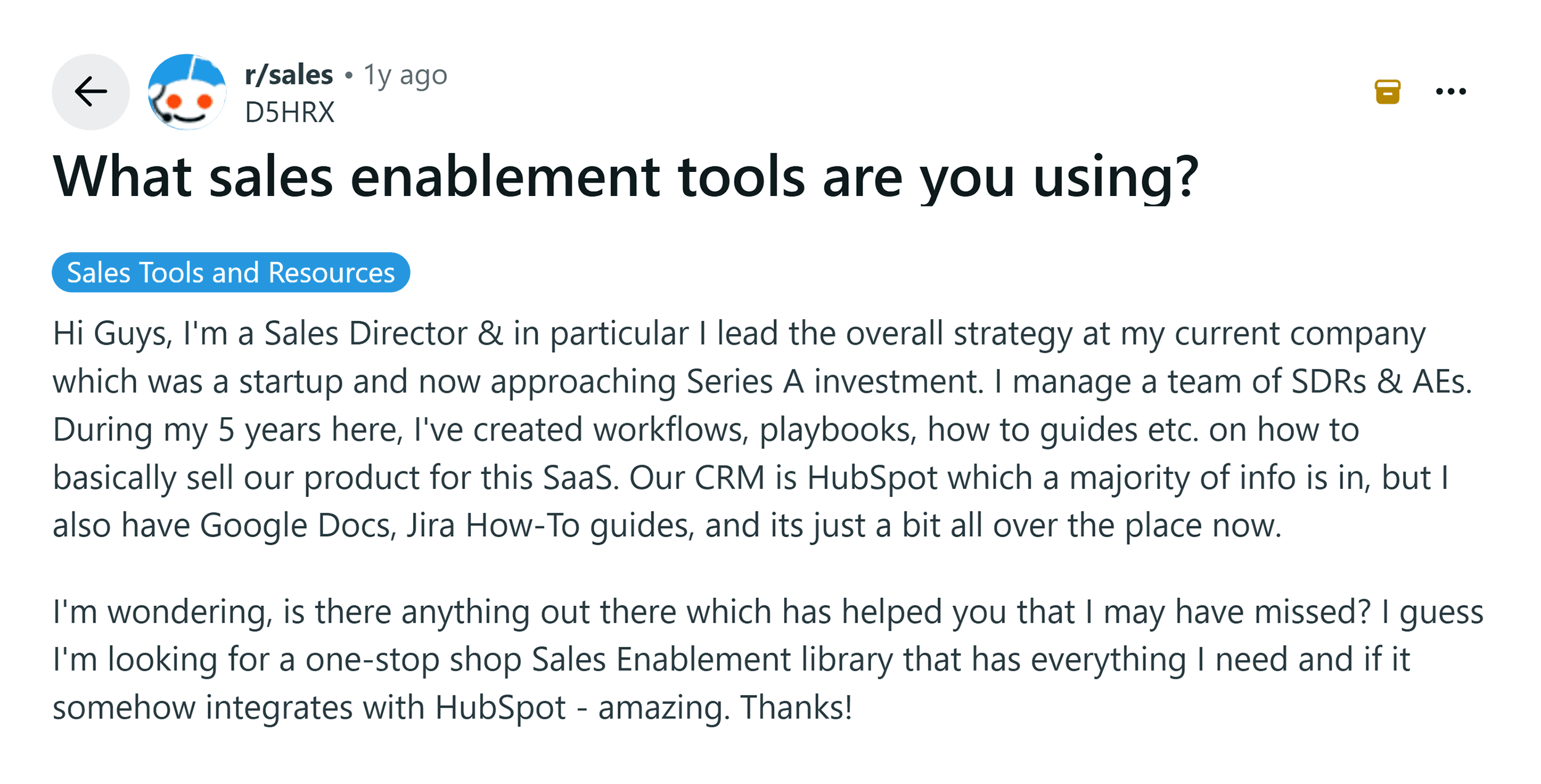
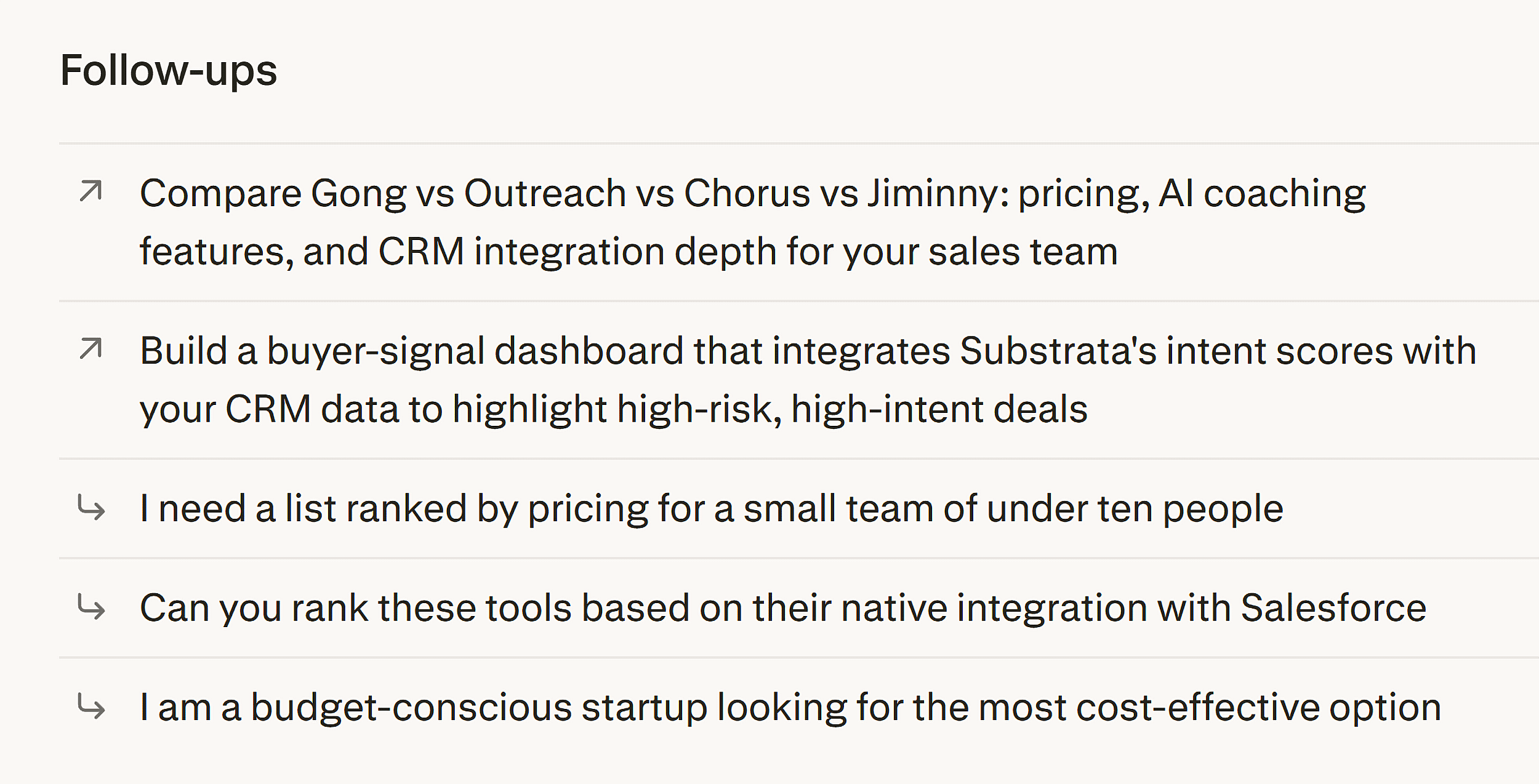
Don’t guess what your customers are asking. Utilize your existing keyword research tools—specifically filtering for "Commercial" or "Transactional" intent. Complement this by auditing Reddit forums and niche communities where your audience discusses their pain points. Finally, use the follow-up suggestions generated by tools like Perplexity to see exactly where the "buying conversation" naturally pivots.
Chronology of Implementation: A 30-Minute Weekly Routine
Prompt tracking does not require a massive software budget to start; it requires consistency.
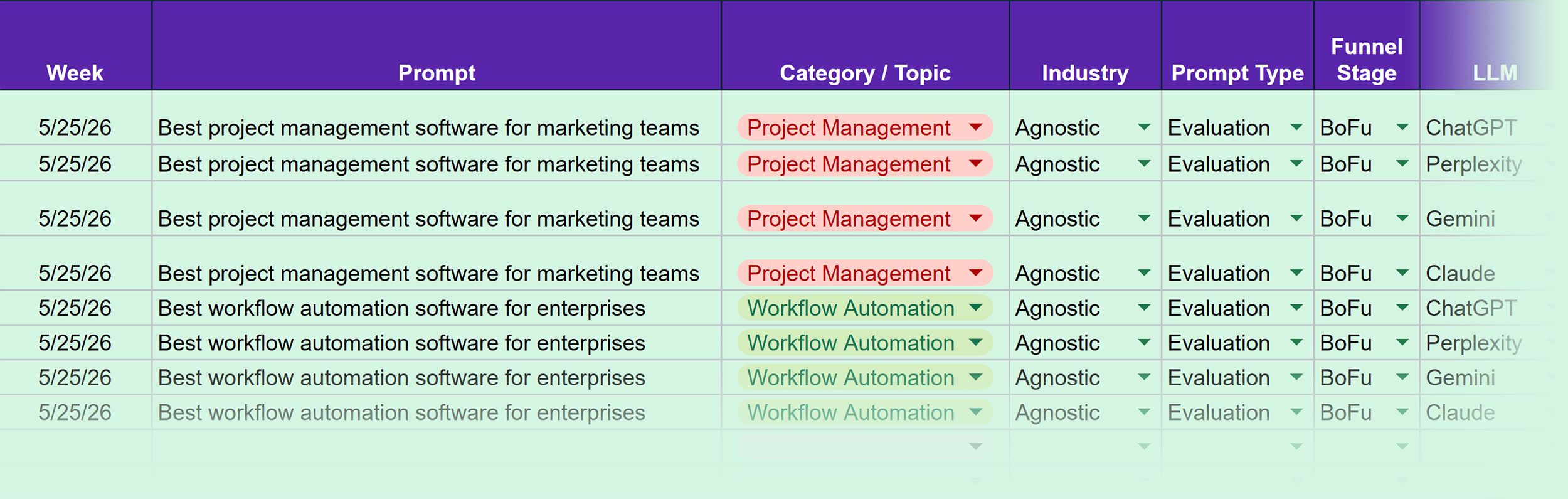
- Step 1: Set Up: Create a centralized tracking sheet. Include columns for the Prompt, the LLM used (ChatGPT, Gemini, etc.), the Citation Source, and the Sentiment/Status of the mention.
- Step 2: Execution: Run your core prompt set across major LLMs weekly.
- Step 3: Repetition: If resources allow, run each prompt 2–3 times per session. This reveals your "mention rate"—the percentage of time the AI actually chooses to include you in its response.
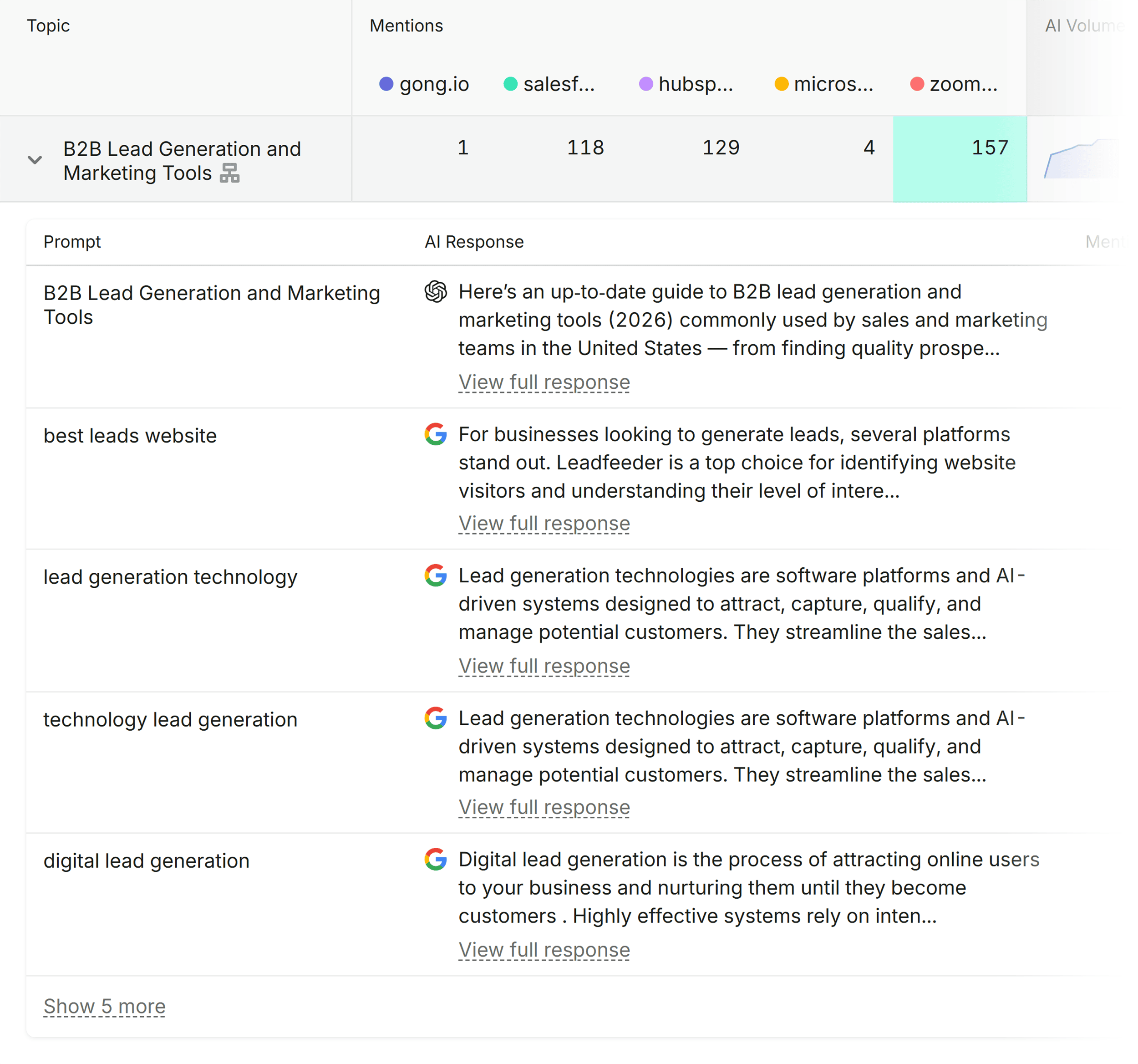
- Step 4: Competitor Benchmarking: Log your competitors’ mentions alongside yours. If a competitor appears consistently in a category where you are absent, their content strategy is likely providing the "source material" the LLM needs to make that recommendation.
- Step 5: The Monthly Review: Do not act on weekly fluctuations. AI models are non-deterministic. Wait for four consecutive weeks of data to identify a genuine trend, then act.
Official Perspectives: The Industry Consensus
Industry leaders are already adapting. Margaret Kapitany, Offsite SEO Lead at Hootsuite, notes that the variance in LLM outputs was a hurdle at first, but it ultimately forced a more sophisticated approach. "You stop chasing the ‘top spot’ and start chasing the ‘top conversation,’" she says.
Similarly, Jonny Nastor, Founder of Digital Commerce Partners, advocates for the "Constraint Map." By mapping the "job to be done" against "user constraints" (e.g., "no subscription fees," "enterprise-grade"), he helps brands identify the specific prompts that drive high-intent traffic. "Every intersection of a job and a constraint is a prompt," Nastor explains. "If you aren’t the answer to that specific intersection, you’re invisible to the people who need you most."
Implications: Building a Resilient Brand
The rise of AI-driven search has two major implications for marketing departments:
1. The Death of Keyword Stuffing, The Rise of "Source Authority"
LLMs rely heavily on citations. If you are not being cited by the third-party platforms that AI models trust (such as G2, TechRadar, or industry-specific review sites), you will struggle to rank in AI answers. Off-site SEO is no longer just about backlinks for Google; it is about building the "source authority" that powers AI intelligence.
2. The Shift to "Ghost Ranking" Mitigation
"Ghost ranking" occurs when your content appears in the citation panel, but the AI still recommends a competitor in its summary. This is a clear signal that your content is accessible but not compelling. The implication is clear: You must audit your presence on the sites that the AI is citing. If you are being cited, but not recommended, your profile on that third-party site is likely lacking the detail, social proof, or specific value proposition required to win the user’s trust.
Conclusion: From Scoreboard to Compass
Prompt tracking is not a vanity metric. When implemented correctly, it acts as a compass, guiding your content creation toward the specific questions your customers are asking at the moment of decision.
As the AI search landscape continues to evolve, the brands that win will be those that stop fighting for the top spot on a static list and start earning their place in the ongoing conversation. By identifying your gaps, optimizing your third-party citations, and tracking your "mention rate" over time, you can ensure your brand remains a primary authority in an increasingly automated world.