


The landscape of Android-based retro handhelds has shifted dramatically over the past two years. With the surge in popularity of dual-screen hardware—exemplified by the upcoming Anbernic RG, the Retroid Pocket Duo Lite Plus, and the AYN Thor—the community has been crying out for software that can actually leverage the unique vertical footprint of these devices. While many manufacturers ship their hardware with proprietary Android frontends, these often lack the polish, flexibility, and deep feature sets that power users demand.
Enter Blip, a sophisticated new Android launcher developed by Spanish software engineer Endika. Designed with a modular, forward-thinking philosophy, Blip isn’t just another skins-and-icons interface; it is a dedicated environment engineered to bridge the gap between classic dual-screen gaming and the modern Android ecosystem.
Main Facts: What is Blip?
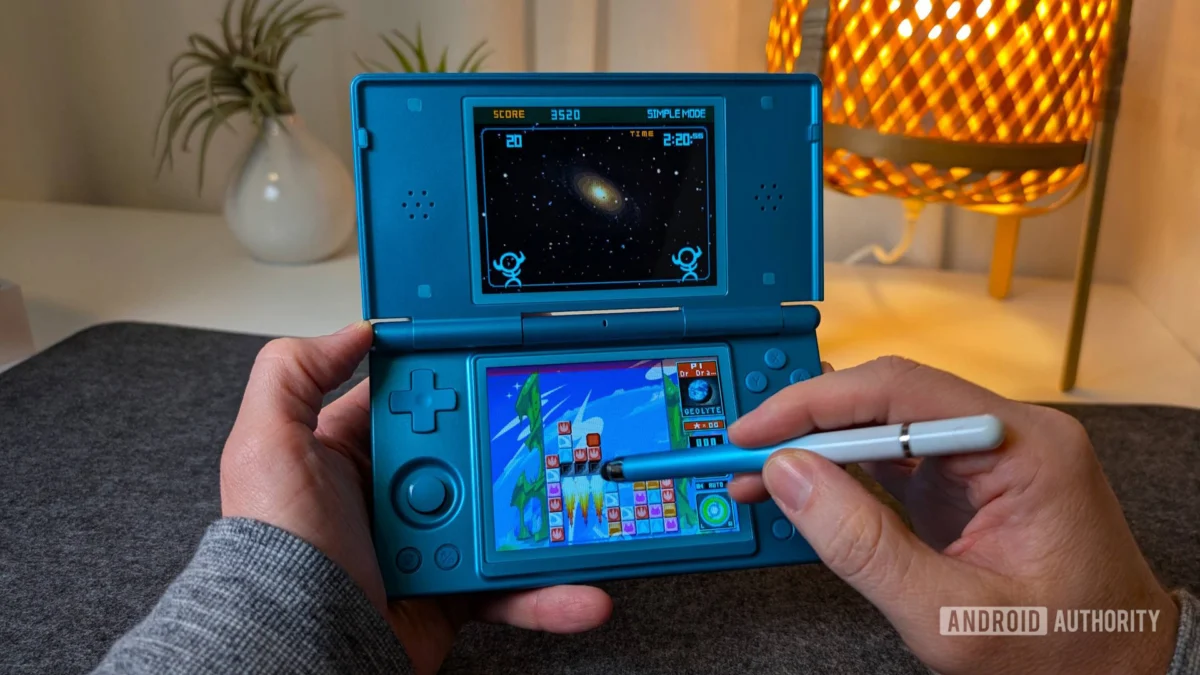
At its core, Blip is a custom launcher designed to optimize the user interface for both single-screen and dual-screen Android devices. As retro handheld enthusiasts are well aware, the "DS-style" form factor—where two screens are stacked vertically—presents a unique software challenge. Historically, Android has been built for the single-screen smartphone or tablet paradigm, leaving dual-screen handheld users to struggle with awkward aspect ratios and disjointed navigation.
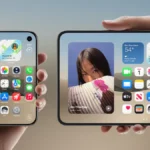
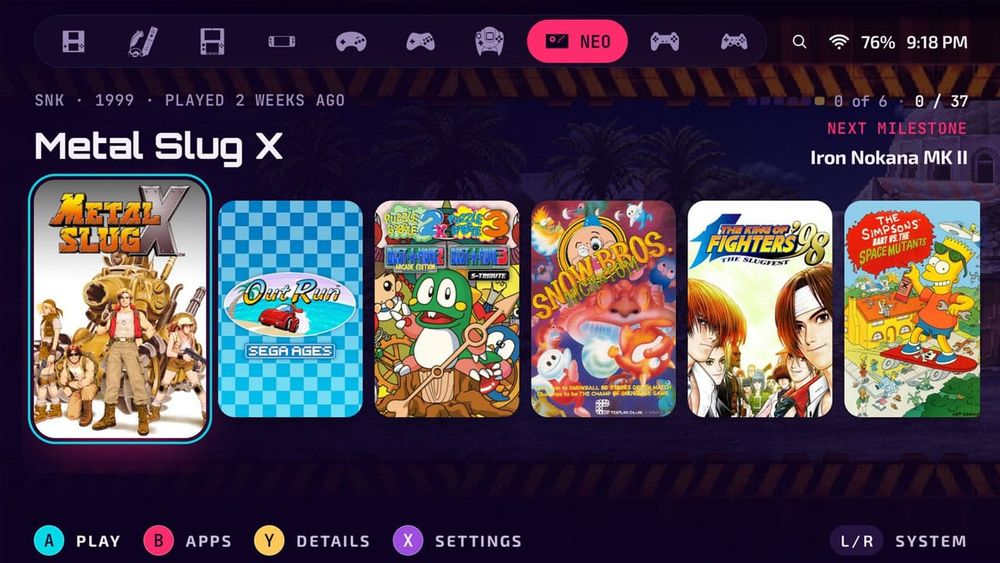
Blip solves this by dynamically adapting its UI to the hardware. For dual-screen devices, it splits the interface to provide a dedicated, cohesive experience that mimics the native feel of handheld consoles of yesteryear. When running on traditional single-screen devices, the launcher cleverly repurposed the "lower" screen real estate to display rich metadata: game art, instruction booklets, and technical specifications, transforming a static game library into an interactive museum.
The launcher supports a wide array of hardware, including devices from AYN (Thor and Odin series), Retroid (Pocket series), AYANEO (Pocket series), and Anbernic (RG series). Beyond dedicated handhelds, Blip is fully compatible with any phone or tablet running Android 12 or higher, making it a versatile tool for any retro gaming aficionado.
A Chronology of Development: From Concept to Play Store
The journey of Blip represents the rapid iteration cycle typical of the modern indie emulation scene.
- Early 2025: As leaks and rumors regarding dual-screen handhelds from major Chinese manufacturers began to intensify, the limitations of existing Android frontends—which were predominantly designed for 16:9 widescreen tablets—became glaringly obvious.
- Mid-2025: Endika, an independent software engineer with a background in UI/UX, began prototyping a launcher specifically aimed at solving the "dual-screen dilemma." The initial goal was simple: provide a fluid way to navigate libraries without the OS feeling like a phone that happened to have a second screen attached.
- Late 2025: As hardware like the Anbernic RG gained traction, Blip moved into an active development phase. The focus shifted from basic navigation to deep integration with established emulation standards, such as RetroAchievements and ROM management tools.
- October 2026: Blip officially landed on the Google Play Store. The release was met with immediate enthusiasm within the retro-handheld community, particularly among users who felt that the stock launchers included with their devices were either too restrictive or lacked necessary aesthetic customization.
Supporting Data and Technical Capabilities
Blip is not merely a pretty face; it is a robust software package that integrates with the most essential tools in the emulation space.

Integration with RetroAchievements and RomM
For the modern collector, the experience is defined by more than just gameplay. Blip offers native support for RetroAchievements, the community-driven platform that adds modern achievement tracking to legacy titles. By surfacing these achievements directly within the launcher, Blip gamifies the experience of playing older games.
Furthermore, the integration with RomM—a self-hosted platform for organizing, scanning, and managing ROM libraries—is a significant boon. It allows users to maintain a clean, organized, and synced collection across multiple devices without the tedious manual file management that usually plagues Android emulation. While these features require a one-time fee to unlock, the value proposition for users with extensive, curated libraries is clear.
The Blip Cloud Initiative
Perhaps the most ambitious feature on the horizon is Blip Cloud. Recognizing that gamers often own multiple devices—a high-end tablet for home play and a smaller handheld for travel—Endika is implementing a cloud-based save-syncing service.
Currently in private beta, Blip Cloud aims to provide a seamless transition of game states across devices. Users will receive 100MB of free storage upon the service’s full rollout, which is more than sufficient for the save files of even the most massive retro game collection. This effectively solves the "fragmentation" problem that often prevents users from switching between devices.
Aesthetic Customization: Beyond Simple Colors
Blip distinguishes itself from competitors by offering a deep level of thematic customization. It currently ships with nine distinct themes, each meticulously crafted to alter not just the color palette, but the "soul" of the interface:
- 16-Bit Heritage: This theme squares off all corners and utilizes a typeface and sound design reminiscent of 1994-era consoles. It is specifically designed for retro-styled handhelds to ensure the UI matches the physical aesthetic of the device.
- Deck Slate: A modern, minimalist approach that uses deep blue-blacks and inverted high-contrast elements, perfect for devices with high-quality OLED panels.
- Dynamic Soundscapes: Every theme includes custom audio feedback, creating a sensory experience that changes depending on the aesthetic choice.
Official Responses and Developer Philosophy
In discussions surrounding the launch, Endika has emphasized that Blip is built on the philosophy of "hardware-software harmony." In a landscape dominated by generic launchers that prioritize generic tablet functionality, Blip is designed to feel like an extension of the console itself.
"The goal," says the developer, "was never just to make an app that launches games. It was to build a system that respects the history of the hardware it is running on. Whether you are holding a plastic-shell device that looks like a Game Boy or a high-end Android flagship, the interface should feel like it belongs to that specific device."
The choice to offer the core experience for free while gating advanced features behind a one-time fee has been well-received by the community. It allows for accessibility while ensuring the developer has the resources to continue the labor-intensive work of maintaining compatibility across the rapidly evolving landscape of Android handhelds.
Implications for the Handheld Gaming Market
The release of Blip signals a broader shift in the retro gaming industry. We are moving away from an era where the software was an afterthought, provided only to ensure the device could "boot up."
The Rise of Software-Defined Hardware
Manufacturers are increasingly realizing that the long-term value of their hardware is tethered to the quality of the software experience. By allowing users to easily swap out stock launchers for third-party alternatives like Blip, these companies are acknowledging that the "enthusiast" segment of the market values choice.
Closing the Gap with Nintendo and Sony
The biggest hurdle for Android-based retro gaming has always been the "friction" of the OS. When a user picks up a Nintendo Switch or a PlayStation Portal, the software is invisible—it simply works. Blip is effectively closing this gap. By providing a unified, aesthetic, and highly functional interface, it allows Android handhelds to compete with first-party hardware in terms of user experience.
The Future of Dual-Screen Emulation
With the advent of Blip, the "dual-screen" format is finally becoming a viable mainstream option for retro gaming. Previously, the difficulty of managing screen-swapping and input mapping on Android was a significant barrier to entry. Blip’s focus on this specific hardware configuration suggests that we may see more manufacturers leaning into the dual-screen form factor, confident that the software ecosystem is now mature enough to support it.
Conclusion
Blip represents a significant milestone in the evolution of Android-based retro gaming. By prioritizing specialized UI design, deep integration with community tools like RetroAchievements, and a commitment to aesthetic cohesion, it has quickly established itself as a must-have utility for anyone serious about handheld gaming.
Whether you are a long-time collector looking to organize your ROMs with elegance or a newcomer to the hobby trying to make sense of the dual-screen revolution, Blip provides the polish that the Android emulation scene has long needed. As the software continues to mature—with features like Blip Cloud on the horizon—it is clear that the future of retro gaming isn’t just about the hardware in your hands, but the intelligence of the software running beneath it.