










By Tech Wire Staff
Published October 12, 2026
Introduction: The Resurgence of Micro-Gadgets
For a generation that grew up in the late 1990s and early 2000s, technology had a tactile, pocket-sized intimacy. Devices were designed to be carried everywhere, clipped to belt loops, dangled from lanyards, or slipped into the palm of a hand. Among the most iconic cultural touchstones of this era was the Tamagotchi—a digital egg-shaped companion that demanded constant attention, thriving on minimal computing power and primitive LCD screens.
As smartphones grew into massive, glass-fronted monoliths dominated by attention-economy algorithms and battery-draining high-refresh-rate displays, that intimate, distraction-free charm faded into memory.
Yet, the maker and hardware-tinkering community has increasingly pushed back against the era of hyper-connected bloatware. Driven by cheap, highly capable microcontrollers and ultra-low-power electronic paper (e-paper/e-ink) displays, developers are crafting micro-devices that evoke the nostalgia of early digital toys while offering modern utility.
The latest and perhaps most charming entry into this growing subculture is Unidex, an open-source operating system designed specifically for tiny, credit-card-sized microcontrollers. Built by developer Forrest404 and showcased to the community by Reddit user Proud-Rent3785, Unidex transforms a humble 1.54-inch Waveshare ESP32-S3 e-paper board into a pocket-sized productivity tool, a note-taking device, and a virtual pet habitat reminiscent of classic 90s handhelds.
Main Facts: What is Unidex and the ESP32-S3 E-Paper Ecosystem?
At its core, Unidex is a lightweight, open-source operating system written for constrained hardware environments. It demonstrates what is possible when modern low-power wireless chips meet bistable e-paper displays.
The Hardware Foundation
The hardware platform powering this project is the Waveshare 1.54-inch e-Paper ESP32-S3 board.
- The Brain: The ESP32-S3 is a low-power system-on-a-chip (SoC) by Espressif Systems featuring a dual-core Xtensa 32-bit LX7 microprocessor, complete with integrated Wi-Fi and Bluetooth Low Energy (BLE) capabilities. It is a favorite among DIY electronics enthusiasts due to its robust processing power, deep sleep modes, and low cost.
- The Display: The 1.54-inch e-ink display offers high contrast, crisp typography, and—crucially—zero power consumption when static. E-paper technology only draws electrical current when the pixels are actively changing state, making it ideal for devices designed to run for days, or even weeks, on a tiny lithium-ion battery.
The Software Experience
Unidex bridges the gap between utilitarian microcontroller programming and consumer-grade UI design. Rather than requiring users to flash complex C++ code or interact strictly through serial monitors, Unidex provides an approachable, icon-driven interface tailored for a tiny black-and-white screen.
Key features highlighted in the project’s initial release include:
- Digital Pet Mode: Users can hatch, feed, and care for an interactive virtual pet that lives on the e-paper display, mimicking the classic Tamagotchi experience.
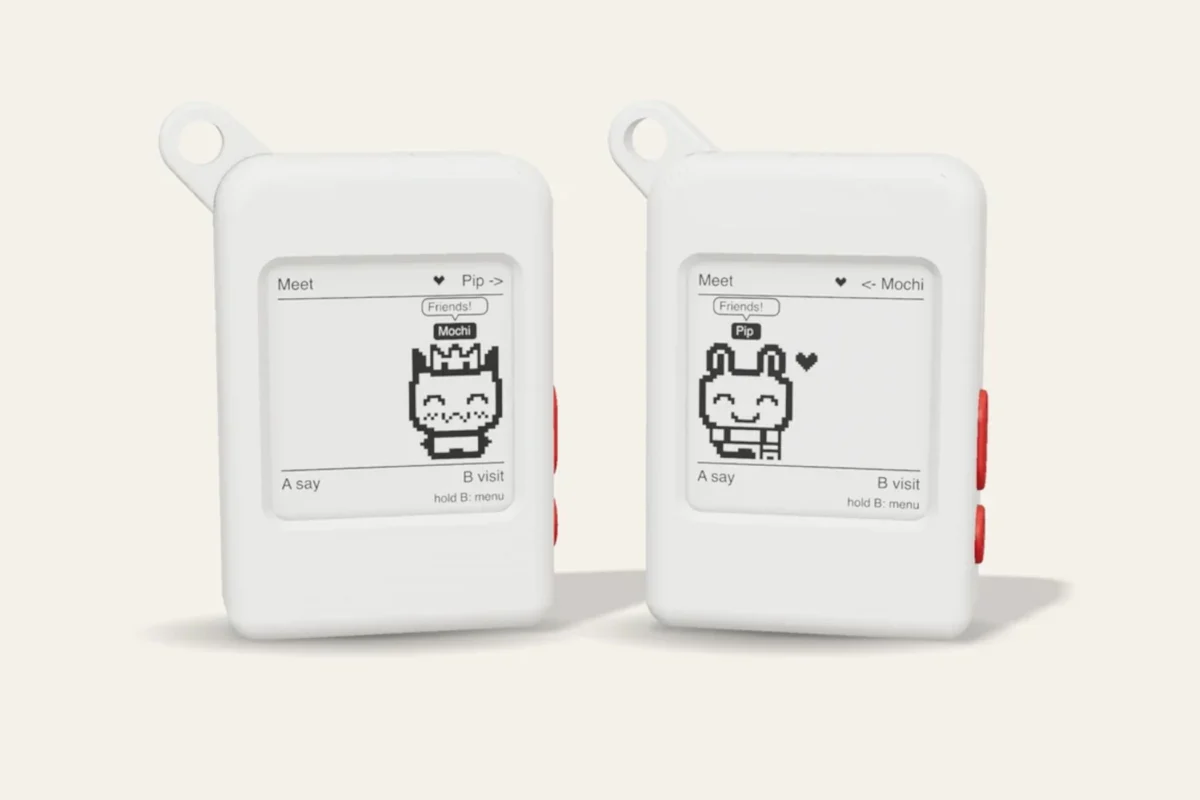
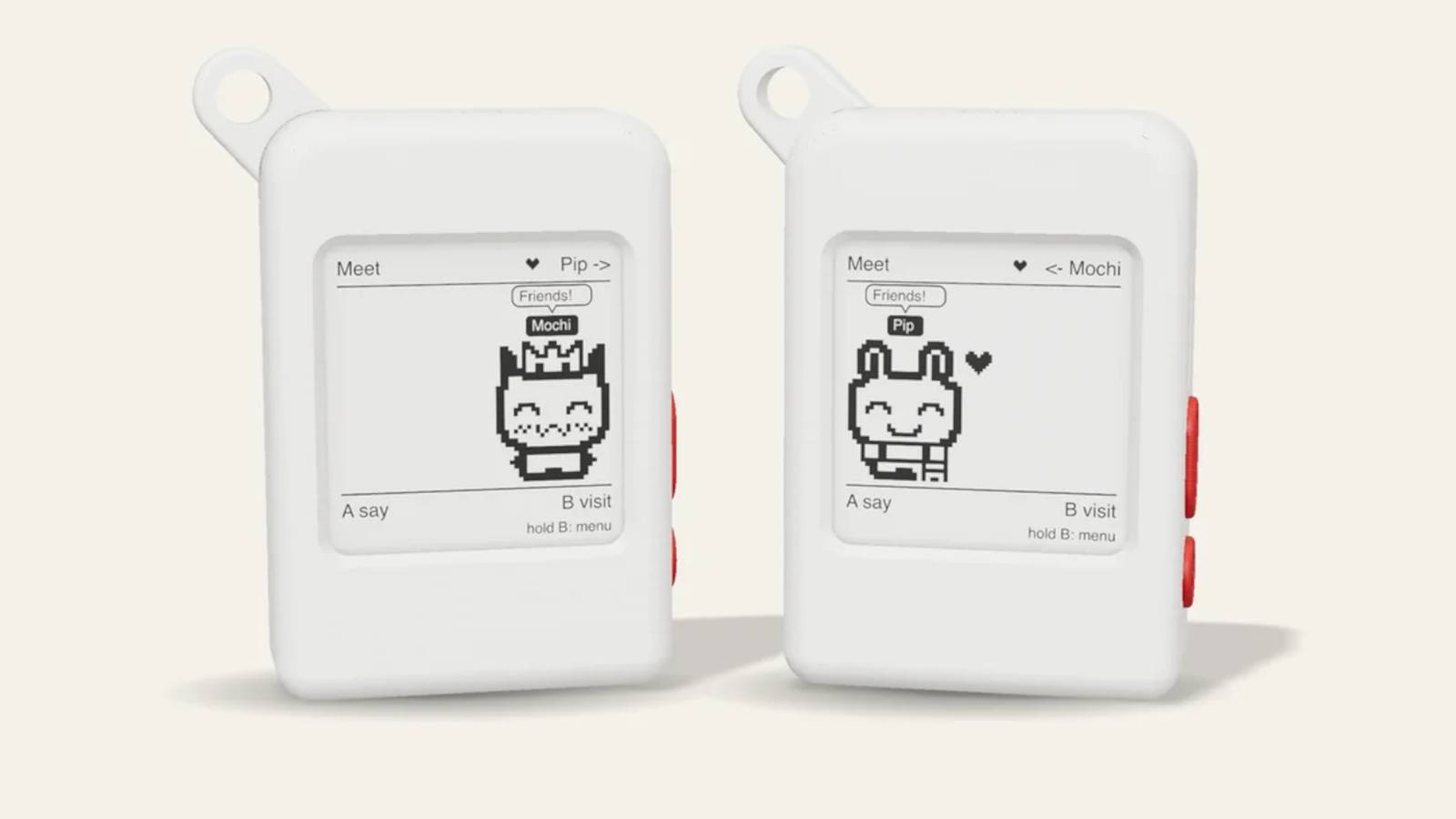
- Device-to-Device Pet Interaction: Leveraging the ESP32-S3’s wireless capabilities, users can bring two Unidex devices close together to let their digital pets "meet" and interact via local communication protocols.
- Productivity & Utility Apps: Beyond entertainment, the operating system includes functional tools such as quick note-taking interfaces, to-do lists, and status trackers, turning the tiny gadget into a functional EDC (Everyday Carry) companion.
- Browser-Based Installation: Lowering the barrier to entry significantly, the developers have engineered the flashing process so that users can install the OS directly from a WebUSB-compatible web browser without needing heavy IDEs like Arduino or PlatformIO.
Chronology of Development: From Community Concept to Open-Source Reality
The journey toward micro-devices like Unidex did not happen overnight; it is the culmination of years of iterative hardware releases and community-driven software development.
Phase 1: The Proliferation of Affordable IoT Boards (2020–2023)
For years, hobbyists relied on basic microcontrollers like the Arduino Uno or ESP8266 for simple Internet of Things (IoT) projects. However, the introduction of Espressif’s ESP32 family—and subsequently the ESP32-S3 with native USB support and enhanced security features—standardized a powerful, low-cost platform capable of running complex local tasks while maintaining wireless connectivity. Concurrently, manufacturers like Waveshare began producing affordable, breakout e-paper displays with integrated controller boards, eliminating the complicated wiring previously required for DIY e-ink projects.
Phase 2: The E-Paper DIY Renaissance (2024–2025)
As electronic paper panels dropped in price, developers began experimenting with wearable badges, tiny desk calendars, and minimalist e-reader rings. The limitation, however, was software. Most projects were single-purpose: a device would fetch the weather via Wi-Fi, display it, and go to sleep. There was a distinct lack of cohesive, multi-application operating systems designed to unify these micro-displays into general-purpose pocket devices.
Phase 3: The Birth and Public Reveal of Unidex (Late 2026)
Developer Forrest404 conceptualized Unidex to solve the software drought on micro-e-paper hardware. By combining a multi-app launcher framework with a playful virtual pet system, the project evolved into a cohesive ecosystem.
On October 12, 2026, Reddit user Proud-Rent3785 posted documentation, images, and user experiences of the Unidex OS running on the 1.54-inch Waveshare board within the r/esp32 community. The post quickly gained traction, capturing the imagination of retro-tech enthusiasts, programmers, and hardware hobbyists alike. Within hours, the project’s GitHub repository saw a surge in traffic, stars, and community fork requests.
Supporting Data: Specifications and Resource Requirements
To better understand the technical scope of the Unidex project, we can examine the hardware specifications of the target platform and the software parameters governing its operation.
| Feature / Metric | Specification |
|---|---|
| Microcontroller | ESP32-S3 (Dual-core Xtensa LX7, up to 240 MHz) |
| Wireless Connectivity | 2.4 GHz Wi-Fi (802.11 b/g/n) and Bluetooth 5 (LE) |
| Display Type | Active-matrix electrophoretic display (E-Paper / E-Ink) |
| Display Size | 1.54 inches diagonally |
| Resolution | Typically 200 x 200 pixels (monochrome) |
| Power Consumption (Active) | ~10–15 mA (during screen refresh and Wi-Fi transmission) |
| Power Consumption (Sleep) | < 10 µA (Deep sleep mode) |
| Software License | Open-source (Non-commercial use restrictions apply) |
| Installation Method | Web-based flashing via USB (WebUSB / WebSerial) |
Memory and Storage Footprint
Because the ESP32-S3 typically ships with integrated flash memory (often 4MB to 8MB PSRAM/Flash configurations on Waveshare development boards), Unidex has been meticulously optimized. The OS code, font libraries, pet animation sprites, and local note storage fit entirely within the tight memory constraints of the chip without requiring external SD card modules, keeping the hardware footprint slim enough to fit inside a custom 3D-printed case or pocket sleeve.
Official Responses and Community Reception
The open-source philosophy relies heavily on community feedback, collaborative coding, and ethical licensing. The reception of Unidex within the developer ecosystem has been overwhelmingly positive, though it has also sparked important conversations regarding open-source licensing models.
Developer Intentions and Licensing
Forrest404 released Unidex under an open-source model hosted on GitHub, allowing anyone to audit the code, compile binaries, and fork the repository to add custom applications, games, or UI themes. However, the author included a distinct caveat: the software is free for personal use and tinkering, but commercial reuse is strictly prohibited.
In developer forums, this stipulation has been widely praised and defended. Independent hardware developers often face the threat of overseas manufacturers scraping open-source repositories, mass-producing clone hardware pre-loaded with community software, and selling commercial units without contributing back to the original creators. By setting a non-commercial boundary, Forrest404 protects the grassroots spirit of the project.
Community Reactions on Reddit and GitHub
The r/esp32 community response highlighted a collective yearning for simpler, more tactile technology.
- "I really miss small, Tamagotchi-like devices you could slip in a pocket, or even attach to a lanyard," noted one top-voted comment echoing the sentiment of many users tired of constant smartphone notifications.
- Other contributors on GitHub have already begun discussing pull requests to add features such as encrypted local messaging over Bluetooth, calendar synchronization with desktop operating systems, and retro puzzle games playable on the high-contrast e-paper display.
Implications: What Unidex Signals for the Future of Personal Tech
While Unidex is fundamentally a hobbyist project born out of passion rather than a multi-million-dollar consumer electronics initiative, its existence points toward broader shifts in how humans interact with technology.
1. The Rise of "Calm Technology" and Digital Detox
Modern consumer electronics are engineered to maximize "engagement"—a polite term for dopamine-driven addiction that constantly pulls users back into glowing screens. In contrast, e-paper devices represent the pinnacle of calm technology. They do not flash glaring colors, they do not buzz with urgent push notifications every thirty seconds, and they respect the user’s attention span. Devices running lightweight operating systems like Unidex offer a functional escape hatch from the attention economy.
2. Democratization of Custom Hardware Operating Systems
Historically, creating a custom operating system for a handheld device required low-level assembly programming, proprietary software development kits (SDKs), and expensive hardware prototyping tools. Today, platforms like the ESP32-S3, combined with modern browser-based flashing tools (WebUSB) and accessible languages like MicroPython or optimized C++, mean that individual developers can build fully functional, multi-app ecosystems from their bedrooms.
3. The Reimagining of Wearables and EDC Gear
Smartwatches have largely settled into a predictable mold: miniature smartphones strapped to the wrist that require daily charging and mirror every notification from your pocket. Projects like Unidex suggest an alternative path for Everyday Carry (EDC) enthusiasts. By decoupling micro-devices from major corporate ecosystems, users can build task-specific, hyper-customized gadgets tailored precisely to their workflow—whether that is tracking daily habits, keeping a digital pet, or jotting down quick reminders without opening an app.
Conclusion
The intersection of ultra-low-power microcontrollers and accessible e-paper displays has unlocked a playground for digital nostalgia and modern utility. Unidex proves that you do not need gigabytes of RAM, multi-core artificial intelligence engines, or high-definition OLED screens to create a device that people genuinely care about.
By combining the addictive, nurturing appeal of a 90s digital pet with the practical utility of a pocket organizer, Forrest404 and the broader ESP32 community have crafted something rare in modern tech: a device that is genuinely fun to use, respectful of your time, and entirely open for anyone to make their own.
For those looking to step away from the smartphone screen for even a few minutes a day, dusting off a soldering iron, ordering a Waveshare e-paper board, and flashing Unidex via GitHub might just be the ultimate weekend project.



