









The telecommunications landscape is undergoing a seismic shift. For years, mobile carriers have operated on a "one-size-fits-all" model, bundling services that consumers may or may not want, often forcing subscribers to pay for digital bloatware. T-Mobile, long the industry’s self-proclaimed "Un-carrier," has finally moved to disrupt this stagnation. Following weeks of intense industry speculation and leaked reports, T-Mobile has officially unveiled "T-Mix," a revolutionary, modular benefits program that grants subscribers unprecedented control over their monthly service packages.
Set to roll out in November, T-Mix represents the most significant change to the carrier’s billing structure in a decade. By moving away from rigid, pre-packaged tiers, T-Mobile is pivoting toward a "Picks" system—a gamified, flexible approach that treats digital lifestyle services as a buffet rather than a set menu.
The Core Concept: The "Picks" Ecosystem
At its heart, T-Mix is designed to address the growing "subscription fatigue" felt by modern consumers. With households managing dozens of streaming services, gaming subscriptions, and delivery apps, the cost of digital living has spiraled.
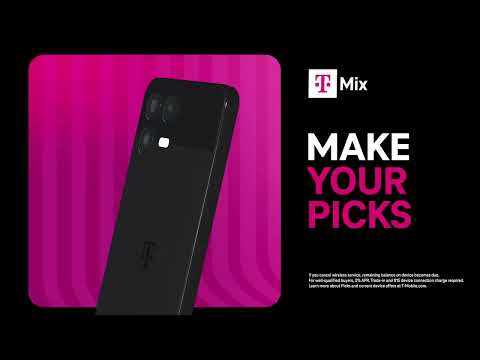
T-Mix introduces three primary service tiers—Standard, More, and Loaded—each tied to a specific allotment of "Picks." These Picks function as a currency that can be redeemed for a wide array of premium add-ons.
- Standard: Starting at $55 per month for a single line, this entry-level tier provides one Pick.
- More: Starting at $75 per month for a single line, this mid-range tier offers two Picks.
- Loaded: Starting at $95 per month for a single line, this premium tier grants three Picks.
The genius of the system lies in its scalability. As users add more lines to their accounts, their total "Pick" pool expands significantly, allowing families to pool their rewards for higher-tier services like Netflix Premium or Xbox Game Pass Ultimate.
A Chronology of the T-Mix Rollout
The path to T-Mix was neither linear nor sudden. Industry analysts had been tracking rumors of a "customizable plan" project at T-Mobile headquarters for nearly six months prior to the official announcement.
- Q2 2025: Initial rumors surfaced regarding a project codenamed "Project Remix," internal documentation hinted at a modular system designed to counter customer churn.
- September 2025: Leaks via social media and industry forums began to detail the "Picks" system, with screenshots of internal training materials circulating among retail store employees.
- Early October 2025: T-Mobile began teasing a "new era of connectivity" on their social media channels, utilizing the tagline "Mix it up."
- Late October 2025: Official unveiling. T-Mobile confirmed the November launch date, providing clarity on the cost-per-pick structure and the specific list of launch-day partners.
The Economics of Perks: What’s on the Menu?
The T-Mix program is not merely about bundling; it is about valuation. T-Mobile has assigned different "Pick" weights to various services based on their retail market value.
The flexibility is highlighted by the following distribution:
- 1 Pick: Services such as Apple TV+ and DashPass.
- 2 Picks: Higher-value services like Apple Music and YouTube Premium.
- 3 Picks: Premium gaming access, specifically Xbox Game Pass Ultimate.
- 4 Picks: Top-tier entertainment, notably the Netflix Premium plan.
This tiered system ensures that users can either select a broad array of "light" services or consolidate their Picks to unlock a single, high-value subscription that would otherwise cost them a significant monthly fee out-of-pocket.
Official Responses and Strategic Vision
T-Mobile’s executive team has framed T-Mix as a strategic response to the changing needs of the modern digital consumer. In a press briefing following the announcement, a T-Mobile spokesperson emphasized that the goal was "empowerment through choice."
"We recognized that our customers are tired of being told which streaming services they have to pay for," the statement read. "With T-Mix, we are handing the remote back to the subscriber. Whether you are a gamer, a cinephile, or someone who prioritizes food delivery and music, T-Mix adapts to your lifestyle, not the other way around."
The company also confirmed that it is actively courting additional partners. The list of benefits is expected to grow, with rumors suggesting that cloud storage providers and cybersecurity suites could be added to the "Picks" catalog by early 2026.
Implications for the Telecommunications Industry
The introduction of T-Mix has sent shockwaves through the competition. Verizon and AT&T, which have historically leaned on bundled "add-on" perks, are now facing pressure to modernize their own structures.
1. The Death of the "Standard" Bundle
For years, carriers have relied on "Netflix on us" style marketing to retain customers. However, as consumers become more discerning, the "all-or-nothing" approach is losing its appeal. T-Mix effectively signals the end of the rigid bundle era. If this model succeeds, it will force competitors to adopt modularity or risk losing subscribers to a more flexible rival.
2. The "Remix" Window Strategy
One of the most innovative aspects of the T-Mix rollout is the "Remix" window. Users are not locked into their choices for the duration of their contract. Instead, T-Mobile has instituted a quarterly change window, allowing users to swap their benefits four times a year.
This is a masterstroke in customer retention. By allowing users to change their perks to match their current needs—such as opting for a gaming subscription during the winter months or a music/travel-focused perk during the summer—T-Mobile creates a sense of ongoing value that keeps customers from looking elsewhere. Furthermore, the ability to change "wireless benefits" like T-Satellite access at any time indicates that T-Mobile is prioritizing service agility alongside lifestyle perks.
3. Data-Driven Upselling
From a business intelligence perspective, T-Mix provides T-Mobile with invaluable data. By observing which "Picks" are most popular, the carrier can refine its partnerships, negotiate better wholesale rates with content providers, and identify emerging trends in consumer behavior. This is a shift from being a "dumb pipe" provider to a "lifestyle curator."
Potential Challenges and Criticisms
Despite the excitement, T-Mix is not without its potential pitfalls. Critics have pointed out that the $55 starting price for a single line is relatively high for budget-conscious consumers who may not care about streaming services at all.
Additionally, there is the risk of "analysis paralysis." By offering too many choices, the carrier risks confusing customers who prefer a simple, straightforward plan. T-Mobile will need to rely heavily on its retail staff and digital app interface to ensure the "Pick" selection process remains intuitive.
Furthermore, there is the question of long-term price stability. As partner costs rise, will the number of Picks required for a service like Netflix increase? T-Mobile has remained tight-lipped regarding future price adjustments for the benefit tiers, leaving some observers wary of "hidden" inflation within the ecosystem.
Conclusion: A New Standard?
T-Mobile’s T-Mix is more than just a marketing gimmick; it is a fundamental reimagining of what a wireless subscription should be in the 2020s. By treating digital services as a flexible, currency-based ecosystem, T-Mobile is attempting to solve the fragmentation of the modern digital experience.
As the November launch approaches, the eyes of the telecommunications world will be on the "Un-carrier." If the adoption rates are high, T-Mix will likely become the industry standard, forcing a permanent shift in how consumers interact with their mobile providers. For now, subscribers have something they haven’t had in a long time: the power to decide exactly what they are paying for, and the freedom to change their minds when the season changes.
In a world of fixed contracts and rigid bundles, T-Mix is a breath of fresh air—and a bold gamble on the future of connectivity.