









By Ty Sherback | Published: October 27, 2026
The discovery of the Spectre and Meltdown hardware vulnerabilities in 2018 fundamentally altered the relationship between computer hardware and software. For decades, the primary directive of operating system developers and chip designers was unrelenting speed. However, when security researchers exposed deep-seated architectural flaws affecting virtually every modern processor, that paradigm shifted overnight.
Operating system vendors, led by Microsoft and major Linux distributors, were forced to implement aggressive software-level mitigations to prevent malicious actors from siphoning sensitive data out of a CPU’s speculative execution pathways. These patches came with an unavoidable trade-off: security in exchange for processing power.
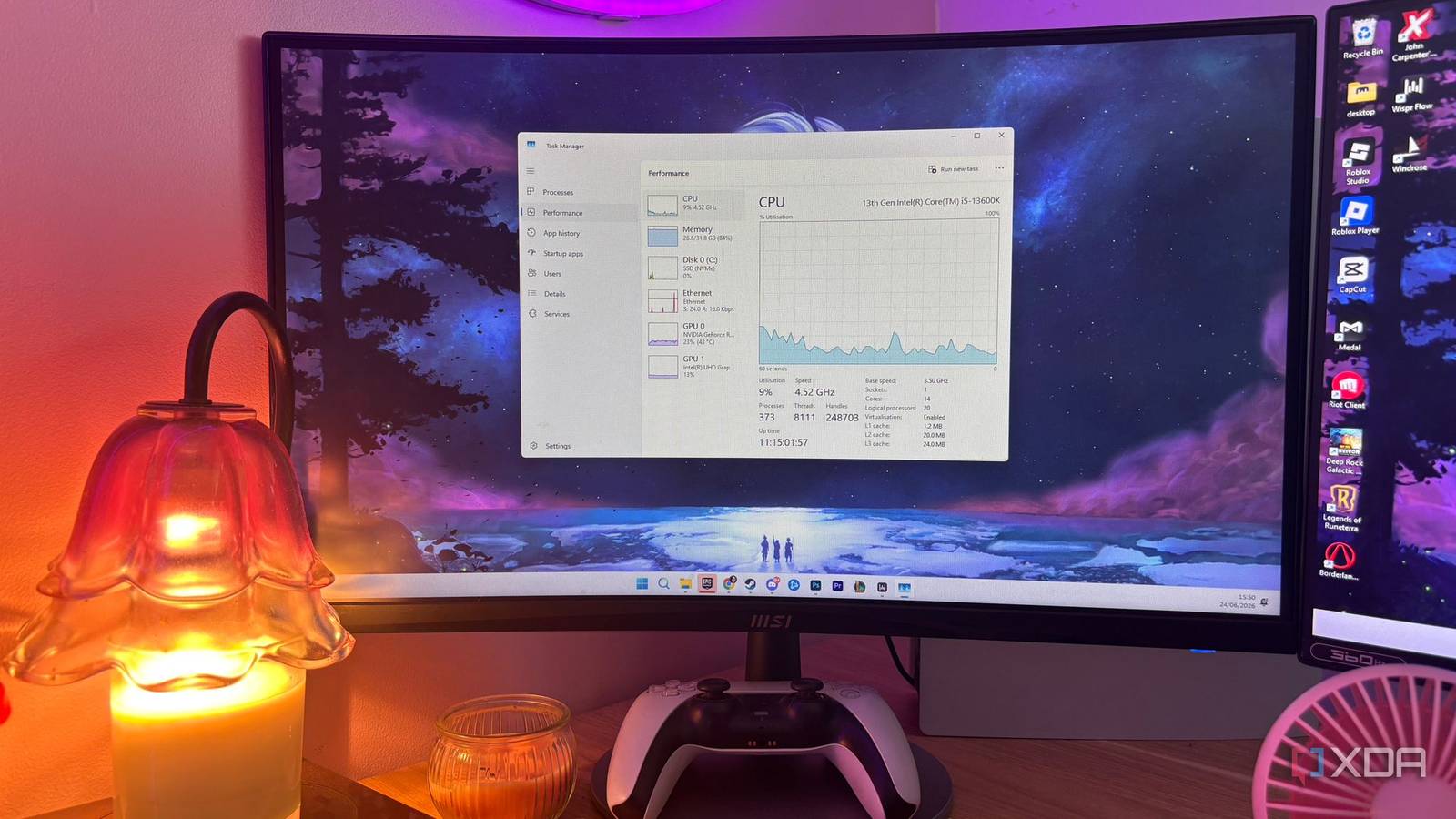
Years later, these mitigations remain enabled by default across Windows operating systems. While advanced users can disable them using simple registry tweaks, doing so is no longer a straightforward optimization trick. As hardware ages and new variants of these security flaws emerge, the decision to toggle off Spectre protections involves a complex calculus of hardware generation, intended machine workloads, and cybersecurity risk.
Main Facts: What is Spectre and How Do Mitigations Affect Performance?
To understand why CPU performance is impacted, one must look at how modern processors achieve their blazing-fast speeds. Modern CPUs do not simply wait for instructions to execute sequentially; instead, they utilize a feature called speculative execution.
Speculative Execution and Branch Prediction
Processors use predictive algorithms to guess the path a program will take down the line, executing instructions ahead of time to keep the execution pipelines full. If the CPU guesses correctly, processing speeds are drastically enhanced. If it guesses incorrectly, the speculative results are discarded.

However, traces of those discarded calculations linger inside the processor’s microarchitectural cache. The Spectre family of attack vectors—particularly Variant 2, known as branch target injection—allows a carefully crafted, malicious program to train the CPU’s branch predictor. By doing so, an attacker can coerce the processor into leaking sensitive data, such as kernel-level memory containing passwords, encryption keys, or private communications.
The OS-Level Cost
To counter this, operating systems introduced barriers restricting speculative execution at the boundary layer where applications interact with the kernel.
- The Penalty: Every time a program hands a task off to the operating system, a small performance penalty is incurred.
- Impacted Workloads: Tasks that frequently cross the system boundary—such as heavy storage operations, virtualization, and code compilation—feel the performance pinch most acutely.
- Unimpacted Workloads: Workloads that run strictly within isolated CPU cores without constantly calling into the kernel experience virtually no noticeable performance reduction.
Chronology: From the 2018 Discovery to Modern Ecosystem Realities
The timeline of Spectre mitigations maps out a continuous arms race between chip designers, operating system developers, and security researchers.
2018: The Initial Disclosure and Microsoft’s Response
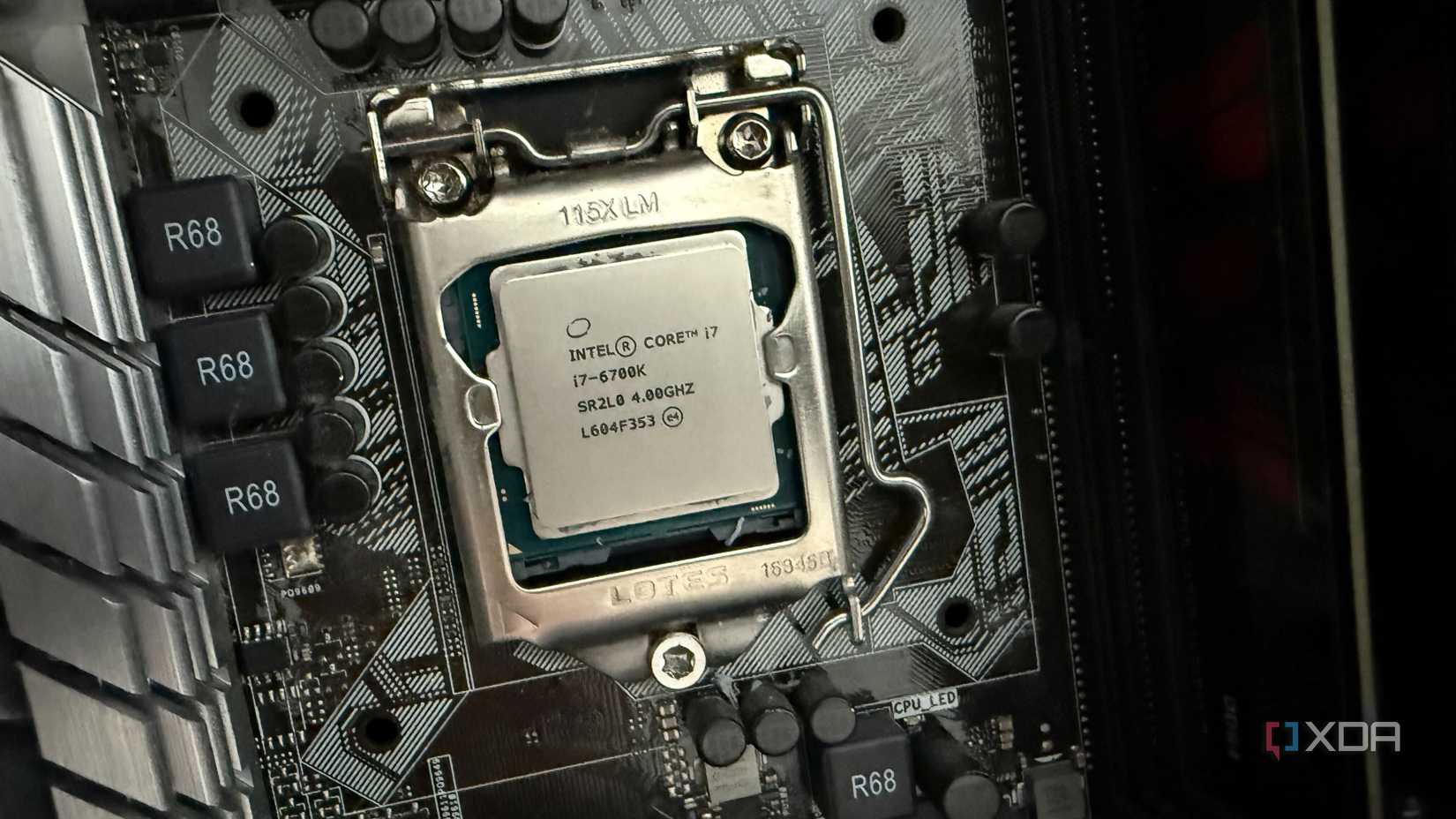
When Spectre and Meltdown were publicly disclosed in January 2018, the tech industry was sent scrambling. Microsoft rushed out emergency operating system patches alongside internal testing data. Their initial assessments revealed single-digit performance slowdowns on Windows 10 machines powered by Intel Skylake or newer processors.
However, older microarchitectures, such as the Haswell generation and earlier, suffered much harsher performance penalties—drops significant enough that everyday users could perceive the sluggishness in basic tasks. Microsoft noted that while Meltdown could be patched relatively cheaply, mitigating Spectre Variant 2 carried a heavy performance tax.
2019–2021: Software Adaptations and Proof-of-Concepts
As software engineers refined their approach, operating systems began shifting toward lower-overhead mitigation techniques. Features like retpoline (return trampolines) were integrated into Windows and Linux kernels to reduce the overhead of branch target injection defenses.
Despite these improvements, the threat remained active. In 2021, security researcher Julien Voisin discovered working Spectre exploits for Windows and Linux uploaded to VirusTotal. These malicious samples were traced back to Immunity’s commercial penetration-testing platform, Canvas, proving that theoretical hardware vulnerabilities were actively being weaponized by enterprise-grade offensive security tools.
2024–2026: Hardware-Level Evolution and Persistent Threats
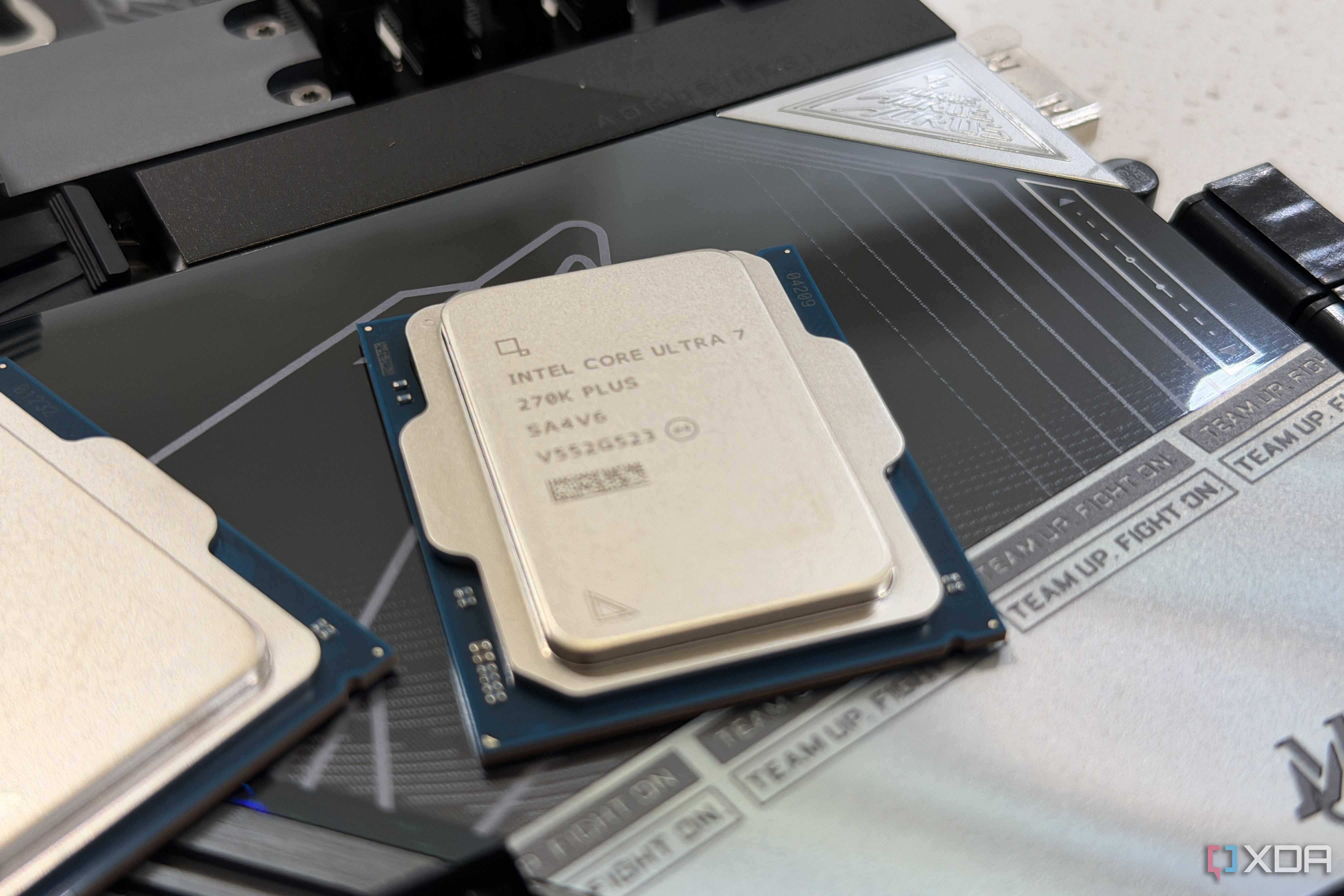
In subsequent years, chipmakers like Intel and AMD began engineering hardware-level fixes directly into silicon, reducing the dependency on heavy OS-level bandages.
Nevertheless, novel iterations of speculative execution attacks continued to surface. In 2024, academic researchers at Vrije Universiteit Amsterdam demonstrated "Native BHI" (Branch History Injection), an attack capable of leaking kernel memory on modern Intel systems running Linux, even with existing software and hardware mitigations active. This ongoing cat-and-mouse dynamic has forced Microsoft and other vendors to continually issue advisory guidance and secondary mitigations well into 2026.
Supporting Data: Understanding the Registry Controls and Benchmarks
For power users seeking to reclaim lost performance, Windows provides manual overrides through the system registry, though these tweaks carry implicit risks.
Registry Controls: FeatureSettingsOverride
The Windows operating system utilizes a specific registry value—FeatureSettingsOverride—to dictate which mitigation strategies are actively enforced.
- Value 1: Disables only the Spectre Variant 2 mitigation.
- Value 3: Disables both Spectre Variant 2 and Meltdown protections.
While various third-party utilities exist to toggle these values without manually editing the registry (regedit), these changes operate exclusively on the software side of defense. They do not alter firmware-level microcode updates applied via motherboard BIOS revisions.
Hardware Generation Disparities
Benchmark data consistently shows a stark divergence in how different generations of hardware respond to these mitigations:
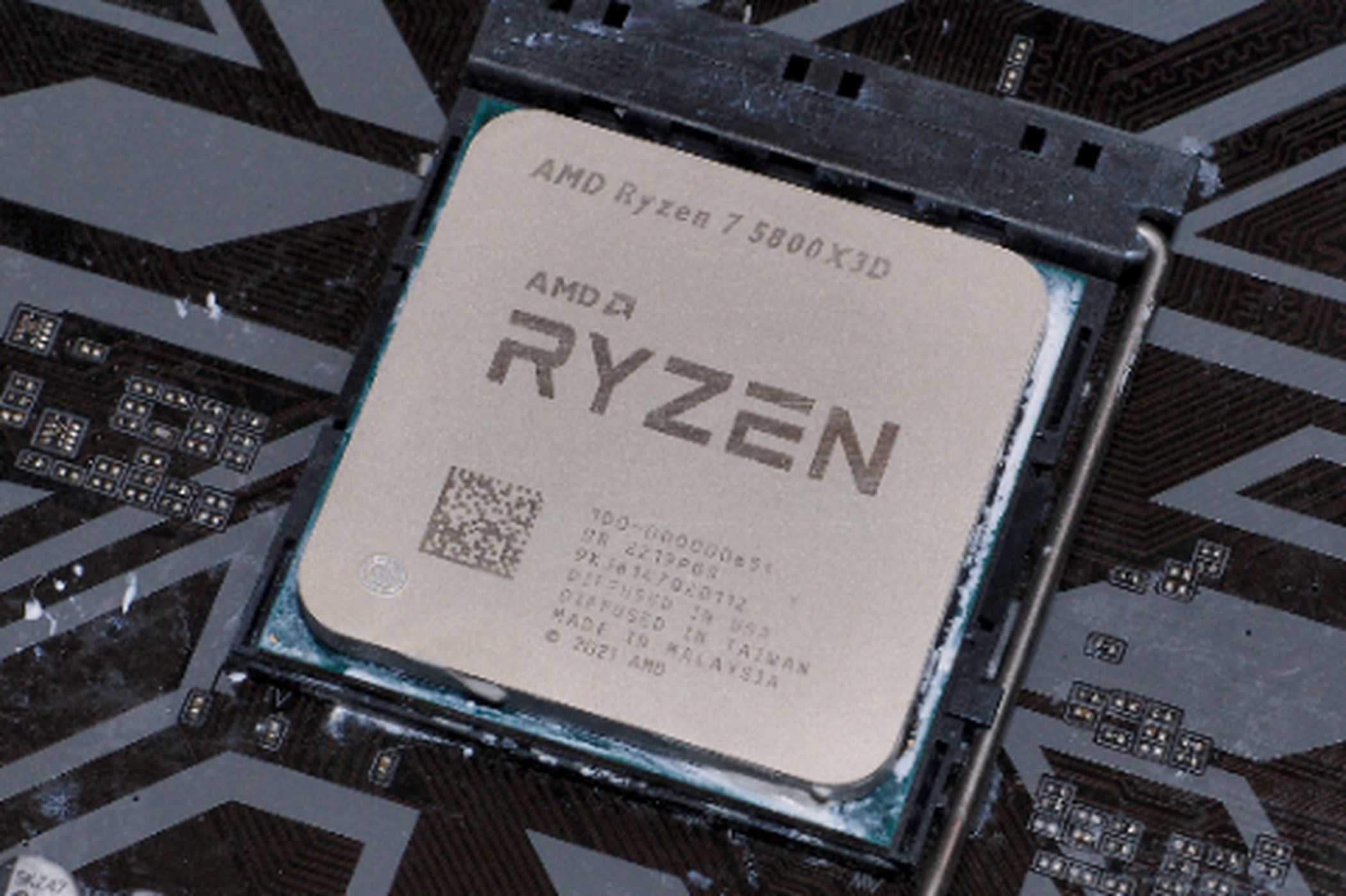
- Legacy CPUs (Intel 4th Gen Haswell and older): Disabling Spectre mitigations can yield measurable, tangible performance returns in system-heavy applications, storage queues, and multi-threaded file transfers.
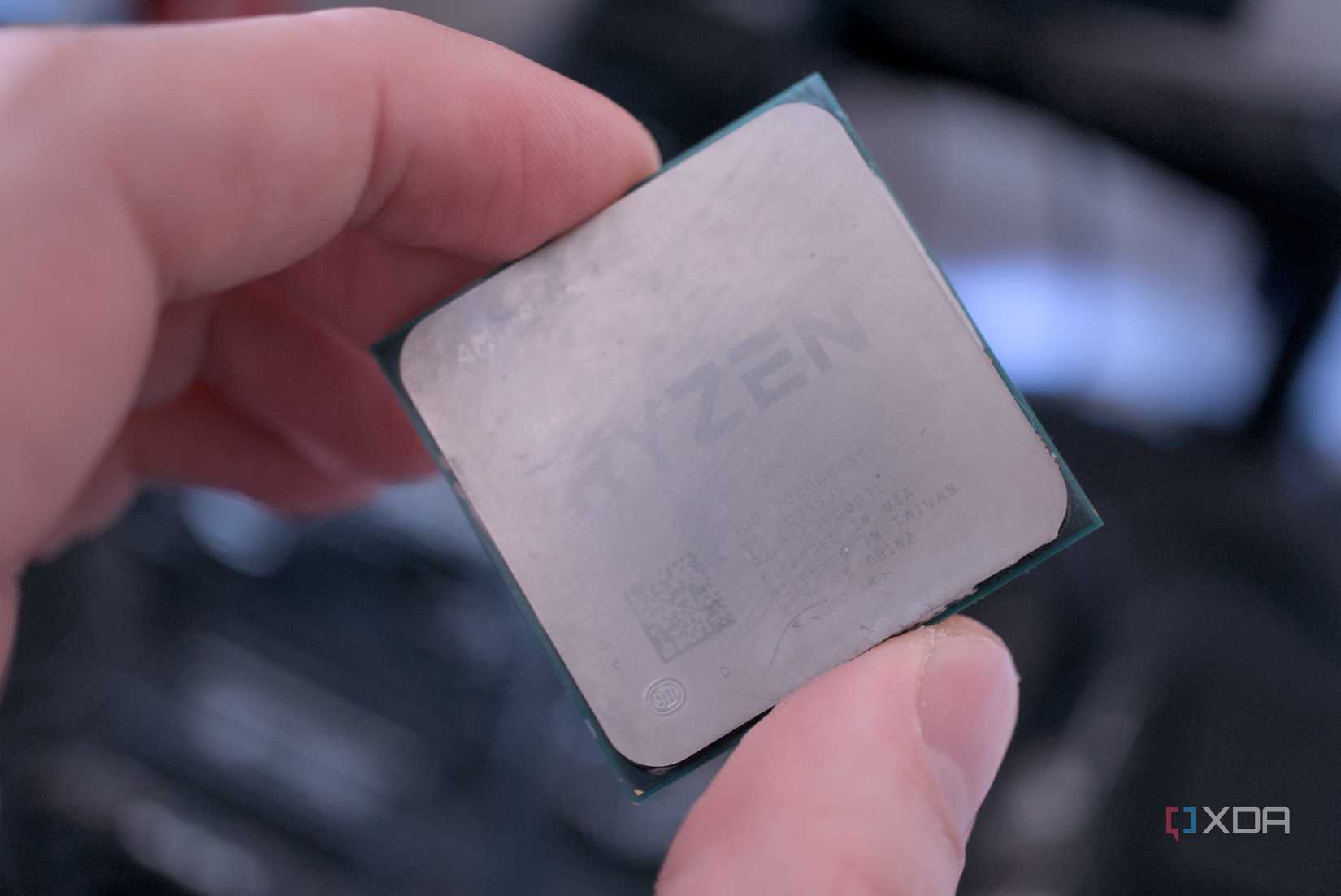
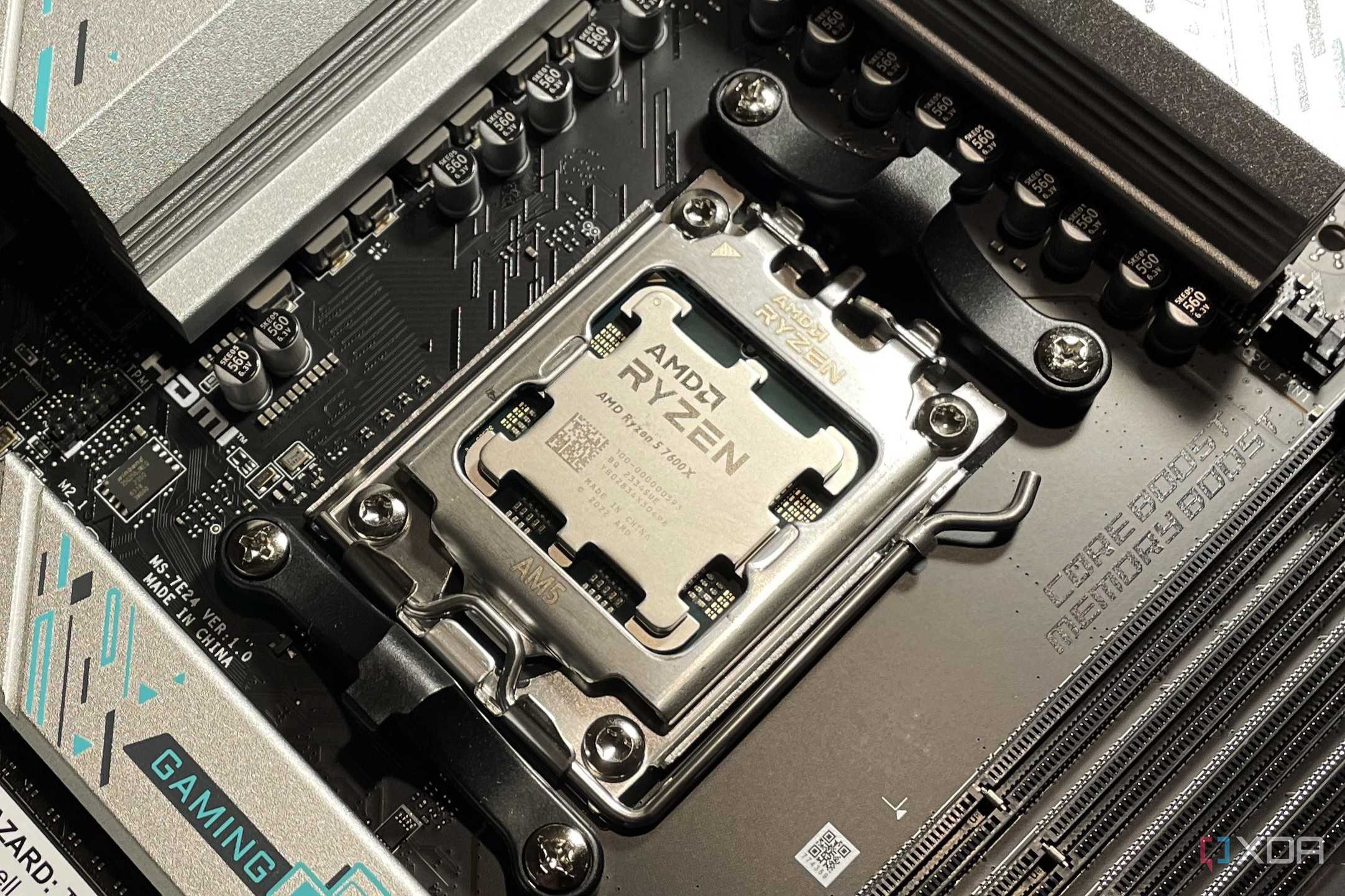
- Modern CPUs (Recent Ryzen and Intel Core architectures): Newer chips process speculative execution differently and benefit from hardware-level compartmentalization. On a contemporary processor, disabling OS-level Spectre mitigations yields negligible gains—often nothing more than statistical noise within benchmark margins—while unnecessarily widening the system’s attack surface.
Official Responses and Industry Guidance
Major technology companies and security bodies have maintained a consistent stance regarding Spectre mitigations: leaving them enabled is the standard recommendation for general-use consumer and enterprise environments.
Microsoft’s Stance
Microsoft’s official security documentation maintains that while security features do introduce performance overhead, the baseline risk of running unmitigated systems outweighs minor benchmark gains. Alongside Spectre protections, Microsoft has consistently advocated for virtualization-based security features like Memory Integrity and the Virtual Machine Platform. While these features can occasionally hinder maximum performance in specific scenarios—such as high-refresh-rate competitive gaming—turning them off introduces alternative security vectors.
The Cybersecurity Community Consensus
Independent security researchers generally agree that for dedicated gaming rigs, isolated media servers, or single-user home entertainment systems, the practical risk of a targeted Spectre attack remains low. Because these exploits typically require a locally executing, privileged process to successfully extract memory traces, an offline or strictly walled-off gaming PC faces minimal real-world exposure.
However, for enterprise environments, cloud computing infrastructure, and multi-user machines, disabling Spectre mitigations is strongly discouraged. Because cloud environments frequently share physical CPU hardware across multiple virtual machines (tenants), hypervisors rely entirely on robust isolation and speculation defenses to prevent cross-tenant data leaks.
Implications: Is Disabling Spectre Mitigations Worth the Risk?
The ongoing discourse surrounding Spectre mitigations highlights a broader truth about modern computing: performance and security are locked in a zero-sum game.

The Verdict for Older Hardware
If you are operating a legacy machine—such as a decade-old desktop utilizing an older Intel Core or early AMD Ryzen processor—reclaiming lost performance through registry adjustments can breathe minor new life into an aging system. For users stretching the lifespan of older hardware to handle compilation tasks, heavy file management, or local server duties, the trade-off may occasionally make pragmatic sense.
The Verdict for Modern Hardware
Conversely, on modern silicon, the practice of disabling Spectre mitigations is largely an exercise in risk without reward. Because contemporary architectures mitigate these vulnerabilities more efficiently at the hardware and kernel levels, turning off these settings nets little to no noticeable performance increase. You are essentially trading away fundamental operating system security defenses for a handful of phantom benchmark points.
Ultimately, deciding whether to keep Spectre mitigations active comes down to context. Assess your machine’s age, evaluate its primary workloads, and determine whether your digital environment demands maximum defensive integrity or every last drop of legacy processing power.