








This week’s comprehensive roundup of innovations for merchants, digital brands, and omnichannel retailers reveals a profound industry-wide shift. The digital commerce ecosystem is rapidly moving past passive analytics and standard reporting tools, favoring active, intelligent automation. From AI-driven marketing campaigns and agentic financial platforms to unified cross-border payment infrastructures and localized B2B discovery engines, solution providers are redefining how online businesses operate, scale, and compete.
Main Facts
The latest wave of product releases and corporate developments underscores a few defining trajectories across the global merchant landscape:

- The Rise of Agentic AI: Artificial intelligence is no longer restricted to chatting with customers or surfacing passive data insights. Platforms across customer service, supply chain, and marketing are integrating "agentic" capabilities that autonomously reason across business databases, draft strategies, and execute complex workflows for human review and approval.
- Unified Cross-Border and Omnichannel Operations: International expansion and omnichannel distribution are receiving massive technical upgrades. New hubs are streamlining multi-currency payments, stablecoin integration, localized value-added tax (VAT) compliance, and consolidated returns analytics.
- B2B and Wholesale Modernization: Enterprise-grade discovery tools and supplier portals are finally bridging the gap between direct-to-consumer (D2C) agility and the complex needs of business-to-business (B2B) wholesale environments.
Chronology of Product Releases and Platform Innovations
Site Search and B2B Infrastructure
- Algolia Launches Native Shopify B2B Integration: Algolia introduced native support for Shopify B2B. Wholesalers, brands, and distributors selling to business accounts can now deliver dynamic, account-specific site search and product discovery. Once a buyer signs in, Algolia ensures they only view authorized products at pre-negotiated corporate price tiers, adhering strictly to individual order quantity rules.
Payments, Global Commerce, and Financial Platforms
- Fiserv Commerce Hub: Fiserv rolled out Commerce Hub to simplify and orchestrate cross-border transactions. Merchants leverage a single integration for merchant onboarding, APIs, reporting, and operational controls—simplifying local payment methods and settlement options worldwide.
- Mastercard and BVNK Global Money Platform: Mastercard partnered with BVNK to launch a multi-currency infrastructure service combining traditional payment networks with stablecoin capabilities via a single API, streamlining international settlements and foreign exchange conversions.
- Oracle NetSuite QuickStart: Oracle NetSuite introduced QuickStart, a free, AI-first financial platform built to help early-stage technology startups establish an enterprise-grade accounting and subscription management foundation in minutes.
- FinStackk SalesTaxx: FinStackk released SalesTaxx, an end-to-end U.S. sales tax compliance tool featuring automated nexus monitoring, threshold alerts, and line-by-line book synchronization across major accounting and ecommerce systems.
Agentic AI and Automation
- Lightspeed Commerce: Lightspeed introduced agentic capabilities into its point-of-sale ecosystem. Lightspeed AI can now analyze catalog, sales, and inventory data, formulate recommendations, and prepare actionable steps for retail operators.
- Square Kiosk with Voice Intelligence: Square debuted a self-service restaurant Kiosk featuring an agentic, conversational voice layer that understands custom menus and processes orders in real time.
- Marklo Seed Funding and Public Beta: Agentic marketing platform Marklo emerged from stealth with a $5 million seed round led by Forerunner, opening its public beta to Shopify brands. The platform reviews business metrics weekly to draft complete marketing campaigns.
- Alibaba QwenWork E-Commerce: Alibaba’s QwenWork launched an invite-only AI productivity tool in China designed to handle store operations, cross-platform advertising, and content creation through a unified interface.
Marketing, Marketplaces, and Supply Chain
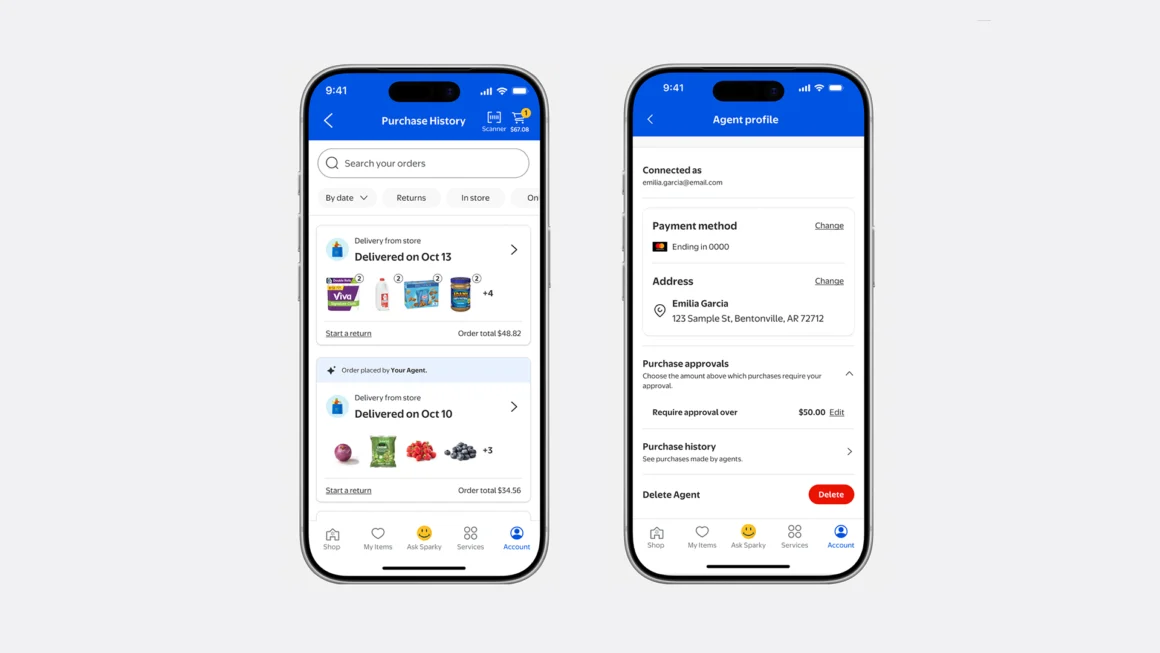
- Google Universal Cart: Google rolled out its intelligent Universal Cart across Search and the Gemini app in the U.S., utilizing its 60-billion-item Shopping Graph to track price drops and assist with payment method selections.
- Nectar Customer Atlas: Nectar launched Customer Atlas for the Amazon Marketing Cloud, pivoting ad-bidding strategies from keyword targeting to granular shopper audience segmentation.
- EasyShop European Marketplace: EasyShop launched across 21 European countries as a non-competing marketplace model where third-party retailers retain ownership of all inventory while reaching localized buyers.
- ShopBack SparkHub: ShopBack debuted SparkHub, an AI-powered tool designed to help brands discover creators, manage campaign briefs, and track purchases originating from influencer content.
- Appriss Retail Engage Insights: Appriss Retail released Engage Insights, consolidating fragmented cross-channel returns, warranty claims, and fraud detection data into a single unified dashboard.
- TopDawg Distribution Hub: TopDawg launched a free, enhanced multichannel distribution hub enabling U.S. suppliers and wholesalers to synchronize inventory and fulfill orders across multiple online retail networks simultaneously.
- Siteimprove CMS Remediation Agent: Siteimprove expanded its accessibility platform to fix content compliance issues and generate alt text directly within WordPress and Drupal environments.
- Miracly Funding: Miracly secured $2.42 million in pre-seed funding led by Beenext Ventures and Lotus to expand its AI marketing and PR analytics platform, driven by its proprietary marketing agent, Mira.
- Loops Funding: Loops raised $3.5 million in a seed round featuring A16z Speedrun and NTT Docomo to scale its enterprise-grade AI operating system designed to optimize product discovery for digital commerce brands.
Supporting Data & Market Metrics
While product releases dominate this week’s news cycle, several funding rounds and scale milestones highlight investor confidence in merchant technologies:
- Marklo: Secured $5 million in seed funding led by Forerunner to scale its agentic marketing platform for Shopify merchants.
- Loops: Raised $3.5 million in a seed round backed by prominent venture funds including A16z Speedrun and NTT Docomo.
- Miracly: Closed a $2.42 million pre-seed funding round led by Beenext Ventures and Lotus.
- Google Shopping Graph: Powers the newly released Universal Cart with a vast repository of 60 billion active product listings.
- EasyShop Reach: Spans 21 European countries at launch, operating without holding centralized stock or competing with its merchants.
- Nectar Audience Indexing: Analyzes brand purchase histories against all 6,728 audience segments exposed by the Amazon Marketing Cloud.
Official Responses and Industry Perspectives
Industry leaders emphasize that these technological deployments address long-standing friction points in digital trade.

Executives at Fiserv noted that merchants have historically struggled with the operational fragmentation of managing multiple local acquirers and disparate APIs across different global regions. The introduction of Commerce Hub aims to alleviate this friction by functioning as a centralized orchestration layer.
Similarly, representatives from Oracle NetSuite highlighted that early-stage founders often lose valuable momentum bogged down by manual bookkeeping, tax nexus tracking, and fragmented tech stacks. By offering QuickStart as a free, AI-first financial platform, NetSuite aims to democratize enterprise financial rigor for startups from inception through potential IPOs.
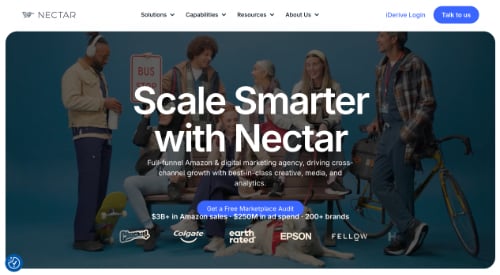
In the realm of retail marketing, agency leaders at Nectar pointed out that traditional keyword-based bidding on major marketplaces frequently leads to wasted ad spend. By shifting focus toward customer-centric data modeling via the Amazon Marketing Cloud, brands can run far more efficient acquisition campaigns.
Implications for Merchants and the Future of Commerce
The convergence of agentic workflows, stablecoin integrations, and automated compliance tools carries profound implications for online retailers:

- Operational Lean-ness: With platforms like Marklo, Lightspeed AI, and QwenWork automating tedious operational loops—from reviewing weekly sales reports to drafting multi-channel campaigns—lean merchant teams can punch well above their weight class, operating with unprecedented efficiency.
- Reduced Cross-Border Friction: Payment infrastructure updates from Mastercard, BVNK, and Fiserv mean that scaling internationally no longer requires complex web-development cycles to handle localized compliance, foreign exchange fluctuations, or alternative payment methods.
- The Maturity of Conversational and Voice Commerce: Innovations like Square’s voice-enabled restaurant Kiosk and Google’s Universal Cart signal that the boundary between discovery and transaction is dissolving. Merchants must ensure their product feeds and APIs are clean, structured, and instantly readable by autonomous AI shopping agents.
As these tools move from beta phases to general availability in the coming months, merchants who proactively integrate agentic systems into their stacks will likely secure a distinct competitive advantage in efficiency, customer personalization, and global reach.