






Staples Canada, a cornerstone of the Canadian retail landscape for over three decades, has officially unveiled a major strategic pivot with the launch of "Staples Business." This new brand identity is designed to consolidate the company’s vast array of office supplies, cutting-edge technology, print services, and facilities management under a single, unified umbrella. The move marks a significant departure from traditional retail-first operations, signaling a focused effort to capture a larger share of the lucrative Canadian business-to-business (B2B) sector.
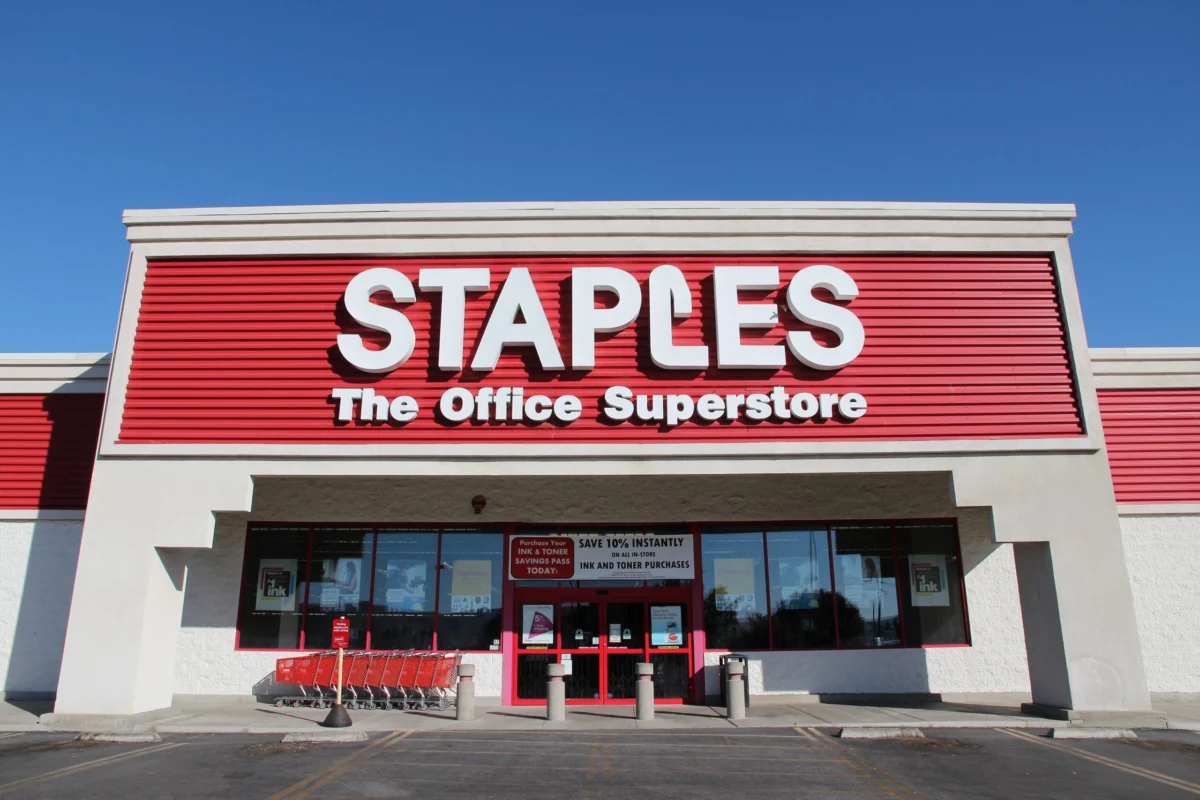
By creating a dedicated brand, Staples Canada aims to simplify the procurement process for its diverse clientele, ranging from local startups to large-scale national enterprises. With nearly 300 retail outlets across the country—operating as Staples Canada in English-speaking provinces and Bureau en Gros in Quebec—the company is leveraging its extensive physical footprint to offer a hybrid experience that blends digital efficiency with local service capabilities.
The Strategic Rationale: Why Now?
The introduction of Staples Business is not merely a rebranding exercise; it is a defensive and offensive maneuver in an increasingly crowded ecommerce landscape. For years, the retail giant has faced mounting pressure from global ecommerce behemoths, most notably Amazon Business. As these platforms continue to streamline the procurement of office consumables, traditional retailers have been forced to rethink their value propositions.
Chris Saniga, Chief B2B Officer at Staples Canada, emphasizes that the launch is a natural evolution of the company’s long-standing commitment to the Canadian business community. "Staples Business brings everything our business customers rely on together under one brand, building on our legacy," Saniga noted. "As a Canadian company, we understand the unique pressures organizations here are facing. Our goal is to take the administrative burden off their plate so they can focus on their core growth."
The strategy centers on two distinct service tiers:
- Small-to-Medium Business (SMB) Tier: Focused on automated checkout, fast delivery, and transparency, catering to businesses that require speed and simplicity.
- Enterprise Tier: Tailored for larger organizations, offering dynamic contract pricing, customized product catalogs, and dedicated, personalized account management.
Chronology of the Shift: From Retailer to Solutions Partner
Staples Canada’s journey toward this B2B-centric model has been marked by a gradual shift in service capabilities:
- 1990s–2000s: The company established itself as the primary brick-and-mortar destination for office supplies, hardware, and furniture.
- 2010s: Recognizing the digital shift, Staples began investing heavily in its online portal, slowly integrating its supply chain to handle larger bulk orders for business clients.
- 2020–2023: The global pandemic acted as an accelerator. Businesses were forced to digitize their procurement processes, and Staples responded by expanding its facilities and IT services, moving beyond mere paper and pens.
- 2024: The official launch of "Staples Business" serves as the formal unification of these services, signaling to the market that the company is no longer just a store, but a comprehensive business solutions provider.
Industry Assessment: Competition and Capability
Industry analysts are viewing this move as a critical attempt to differentiate Staples from its digital-native competitors. Marty Bauer, an ecommerce expert at Omnisend, notes that while Staples may not always win a price war against global giants, it possesses a structural advantage in terms of expertise and localized service.
"This new branding strategy is about much more than a cosmetic rebrand," Bauer stated. "It’s an important step in defending the market against ecommerce giants. The goal is to make supply procurement as easy and frictionless as possible. It is as much about time and efficiency as it is about price."
Bauer highlights that the "account manager" model is the company’s "secret weapon." By assigning a single point of contact to manage a client’s needs—ranging from janitorial supplies to complex IT hardware procurement—Staples is effectively lowering the "administrative hassle" that often plagues procurement departments. This human-centric approach is intended to build the long-term loyalty that purely automated platforms often struggle to achieve.
The Operational Challenge: Delivering on the Promise
While the strategy appears sound on paper, industry experts warn that the execution will be the ultimate test of the brand’s longevity. Rich Pleeth, founder of the AI-powered logistics platform Finmile, believes that while consolidating services is a brilliant marketing story, the operational complexity is immense.
"Someone who thinks of Staples for printer paper may not think of it for IT support or facilities supplies," Pleeth explains. "Putting those services together gives the sales team a clearer story, but the customer still needs a compelling reason to change suppliers."
The core challenge, according to Pleeth, is the "coordination gap." For a business to fully embrace Staples Business, the company must ensure that an order for a new office setup—including laptops, ergonomic chairs, and printed signage—arrives in a synchronized manner. "If the customer still has to chase three different departments to resolve a missing shipment, the brand has promised more than the operation can deliver," he warns.
Supporting Data and Market Implications
The B2B ecommerce sector in Canada is currently experiencing a period of rapid expansion. According to market data, businesses are increasingly moving away from manual invoicing and towards integrated procurement platforms that offer:
- Consolidated Invoicing: Reducing the number of vendor payments for the finance department.
- Agreed Pricing: Eliminating the volatility of retail pricing for consistent, high-volume buyers.
- Real-time Inventory Visibility: Ensuring that businesses do not experience downtime due to lack of essential supplies.
Staples Business is positioning itself to capitalize on these specific pain points. By utilizing its nearly 300 locations as potential hubs for regional distribution, the company can offer a level of "last-mile" responsiveness that international competitors may find difficult to replicate.
Implications for the Future of Canadian Procurement
The shift by Staples Canada is emblematic of a broader trend in the retail industry: the "service-ification" of goods. As profit margins on physical goods continue to thin due to intense competition, retailers are shifting their focus to the services wrapped around those goods.
For the average Canadian business owner, this means that the traditional relationship with a supplier is changing. The new model suggests that vendors are no longer just sellers of widgets, but partners in operational efficiency. Whether a company needs to equip a remote workforce with home-office tech or manage the janitorial supplies for a sprawling corporate campus, Staples Business is positioning itself to be the primary point of entry.
Conclusion: A High-Stakes Transformation
The success of Staples Business will likely be measured by its ability to integrate its disparate services into a truly seamless experience. The "two-tier" approach is a logical acknowledgment that a startup and a Fortune 500 company have vastly different requirements. By segmenting its offerings, Staples is attempting to be "all things to all businesses," a difficult balancing act that requires robust logistical support and a high level of customer service.
Ultimately, Staples Canada is betting that the Canadian market still values the human touch and the convenience of a centralized, reliable partner. If they can solve the coordination challenges inherent in multi-category delivery and maintain the level of account management they have promised, Staples Business could well become the standard-bearer for B2B procurement in the country. If, however, they struggle to unify their backend operations, the new brand may find itself fighting an uphill battle against the sheer scale and efficiency of global digital giants.
For now, the industry is watching closely. The move is a bold recognition that in the modern economy, the battle for the business customer is no longer won on the shelves of a retail store, but in the efficiency of the supply chain and the quality of the customer relationship.