








In an era where mobile communication is the primary vector for both personal connection and malicious cyber activity, Google has taken a decisive step to secure the digital landscape. Following an initial announcement earlier this month, the tech giant has begun rolling out its "Enhanced Protection" mode for Google Messages on Android. This update represents a significant shift from reactive spam filtering to proactive, AI-driven threat intelligence, marking a new chapter in Google’s ongoing battle against sophisticated scam artists and phishing campaigns.
Main Facts: The Evolution of Message Security
For years, Google Messages has relied on "Standard Protection," a baseline service designed to block known spam patterns and identify clearly harmful links. While effective against bulk, automated attacks, Standard Protection has struggled to keep pace with the increasingly nuanced "social engineering" tactics employed by modern scammers.
The new Enhanced Protection mode is designed to bridge this gap. By moving beyond simple pattern matching, the system integrates advanced cloud-based AI and on-device machine learning to provide a multi-layered defense. At its core, the update introduces three primary features:
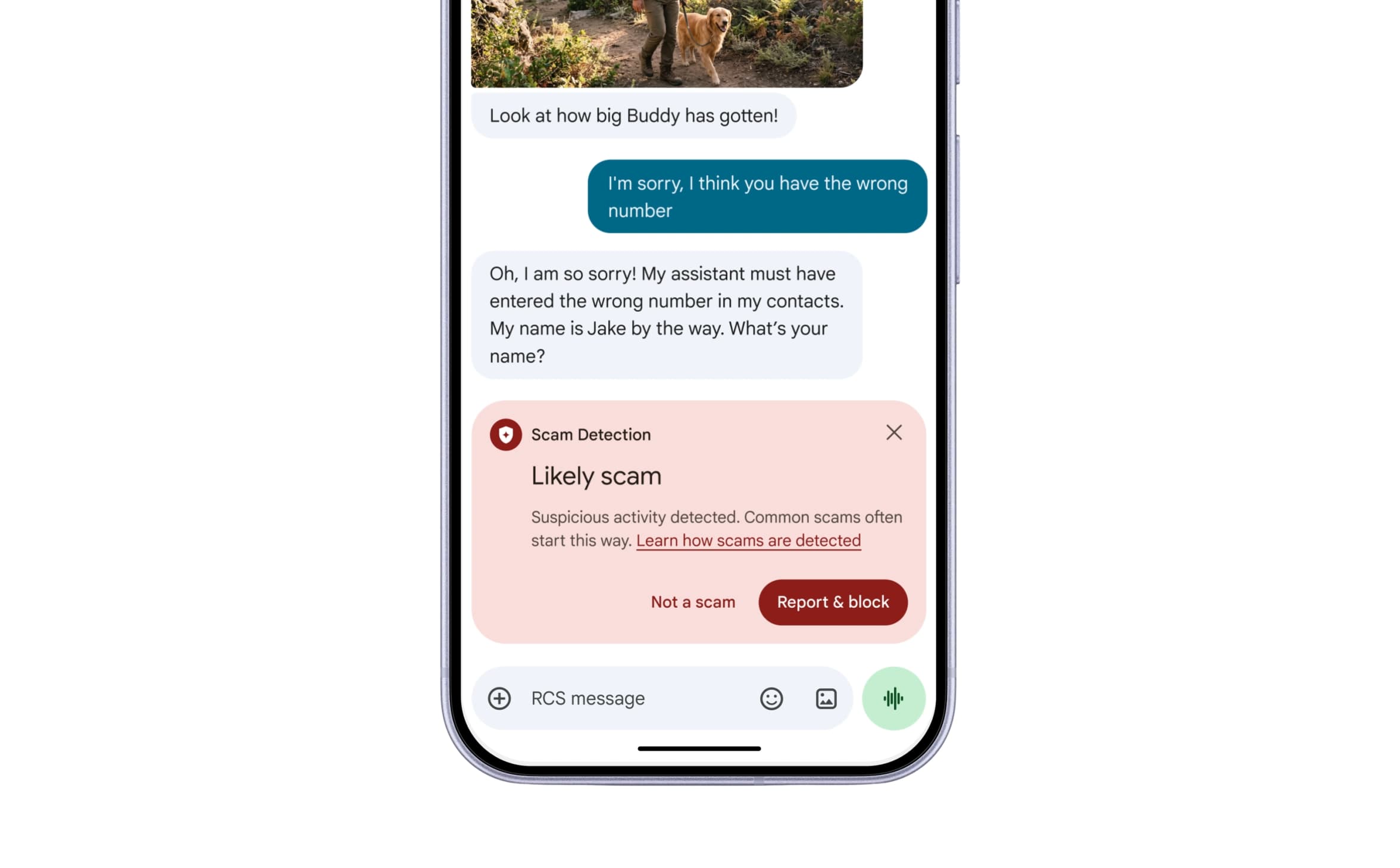
- AI-Powered Scam Detection: Utilizing cloud-based Gemini models, this feature evaluates the semantic context of messages. Rather than just looking for keywords, the model attempts to understand the "intent" behind an unknown sender’s message.
- On-Device Link Intelligence: Utilizing the Gemini Nano model, the app analyzes links in real-time, cross-referencing them with web safety signals before a user clicks.
- Context-Aware Warnings: A total UI overhaul provides users with clearer, more descriptive alerts when interacting with potential threats from unknown contacts.
This update is currently surfacing in the latest Google Messages beta (version 20261020_00_RC00), signaling a near-term wider rollout to the general public.
Chronology: The Road to Enhanced Protection
The journey toward this update reflects Google’s broader strategic pivot toward integrating "Private Compute" and generative AI into the foundational layers of the Android ecosystem.

- Early 2024: Google began heavily investing in Gemini-integrated security features across the Google Workspace and Android environments.
- September 2026: Internal testing of advanced link-scanning capabilities began on flagship hardware, including the Pixel 10 and the latest Samsung Galaxy foldables.
- October 14, 2026: Google formally announced the development of "Enhanced Protection" for Messages, citing an increase in sophisticated financial scams and identity theft attempts originating from SMS/RCS channels.
- Late October 2026: The feature officially enters the Beta channel, allowing early adopters to test the new AI-driven detection protocols.
Supporting Data: Why the Shift Was Necessary
The transition to Enhanced Protection is not merely a feature update; it is a response to a shifting threat landscape. According to recent cybersecurity industry reports, SMS-based phishing (often called "Smishing") has seen a year-over-year increase of 30% in global incidents.
Traditional spam filters operate on a "blacklist" basis—if a phone number or a link has been reported previously, it is blocked. However, modern attackers utilize "burn-and-churn" tactics, creating thousands of unique, one-time-use links and spoofing legitimate-looking numbers.
The integration of Gemini models addresses this by analyzing the structure of the communication. For example, a scammer posing as a bank representative often uses a specific "urgency-driven" syntax designed to bypass human skepticism. By processing this intent through a Large Language Model (LLM), Google can flag these messages as "potential scams" even if the sender has no prior history of malicious activity.
The Technical Framework: Privacy and Processing
One of the most significant concerns surrounding AI-driven security is data privacy. Users are naturally wary of a system that "reads" their messages. Google has addressed this through the implementation of Android’s Private AI Compute feature.
How Private AI Compute Works
When the Enhanced Protection mode is active, the processing of complex message context happens in a cryptographically isolated environment.
- Encryption: All messages flagged for analysis are encrypted during transit to the cloud-based Gemini models.
- Zero-Access Protocol: Google has explicitly stated that this processed data is "private to you and not available to anyone else, including Google."
- On-Device vs. Cloud: The system intelligently balances the load. Simple link checks are performed locally via the Gemini Nano model—ensuring speed and offline functionality—while more complex "intent analysis" is pushed to the secure cloud environment.
Device Compatibility and Ecosystem Integration
Not all devices are created equal in this rollout. The computational demands of running on-device AI models like Gemini Nano necessitate a certain level of hardware performance. Consequently, the "Enhanced Link Protection" feature is currently limited to high-performance hardware, specifically:
- Pixel 10 series and beyond
- Samsung Galaxy S26 series
- Samsung Z Flip 8 and Z Fold 8
- Select other high-tier devices
Google has noted that the list of "select devices" will expand as the rollout progresses, but for the time being, the most advanced on-device features remain a luxury of the flagship class.
Implications: The Future of Messaging Security
The introduction of Enhanced Protection has profound implications for both users and the broader cybersecurity industry.
For the Average User
The most immediate impact will be a reduction in "alert fatigue." Traditional spam filters often over-block, leading users to ignore warnings entirely. By providing more granular context—such as why a link is suspicious or why a message feels like a scam—users are more likely to trust the system when it actually sounds an alarm.
For the Scammers
This represents a "Cat and Mouse" game escalation. As Google’s models become better at detecting the intent behind a message, attackers will likely pivot to more "human-like" interaction styles, potentially attempting to bypass AI detection through more sophisticated social engineering scripts. This, in turn, will force Google to continuously update its models, keeping the cycle of innovation moving forward.

For Platform Integrity
This move solidifies the RCS (Rich Communication Services) protocol as a superior, more secure alternative to legacy SMS. By layering AI-driven security over the modern RCS infrastructure, Google is effectively creating a "walled garden" of safety that is becoming increasingly difficult for unauthorized actors to penetrate.
How to Enable Enhanced Protection
As this is an opt-in feature, it will not be activated by default for all users. This approach respects user autonomy while providing the tools necessary for those who prioritize maximum security. To enable it:
- Open the Google Messages application.
- Tap on your profile icon in the top right corner.
- Navigate to Messages settings.
- Select Protection & safety.
- Within this menu, you will find the controls for Enhanced Protection.
It is recommended that users check for updates via the Google Play Store to ensure they are running the latest version of the app to see these options appear.
Conclusion
Google’s rollout of Enhanced Protection for Messages is a landmark moment in mobile security. By leveraging the power of Gemini—both on-device and in the cloud—Google is effectively transforming the smartphone from a passive receiver of data into an active, intelligent guard. While the hardware requirements for the most advanced features may exclude some users for now, the path toward a safer, AI-hardened messaging experience is clear.
As we look toward 2027 and beyond, it is highly probable that these features will become standard across the entire Android ecosystem, effectively making the "scam message" a relic of the past. For now, users are encouraged to opt into the beta or keep a close eye on their settings menu as the update reaches their region. In the ongoing war against digital deception, Google has just deployed its most powerful weapon yet.