Belkin Debuts Next-Generation Semi-Solid-State iPhone Batteries: A Leap Forward in Portable Power
By Tech & Gadgets News Desk Published: October 2026
Main Facts
Belkin has officially expanded its ecosystem of mobile accessories with the launch of two innovative portable power solutions designed specifically for modern iPhone users. Departing from traditional lithium-ion architecture, these new accessories utilize semi-solid-state battery technology, marking a significant milestone in portable power engineering.
The initial lineup features two distinct models tailored to different user lifestyles:
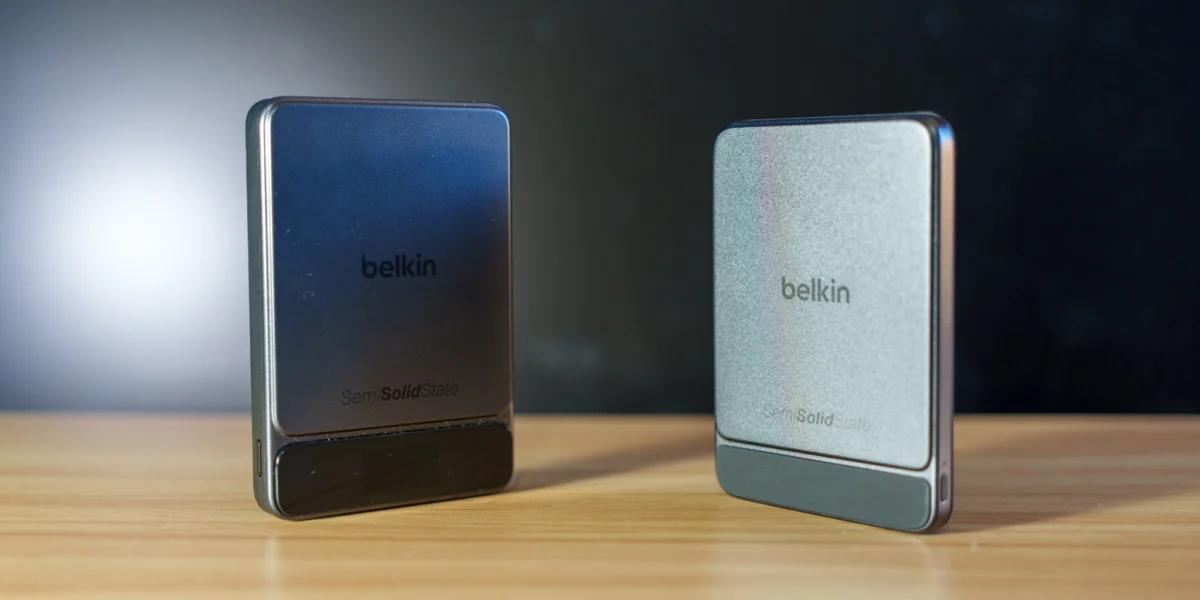
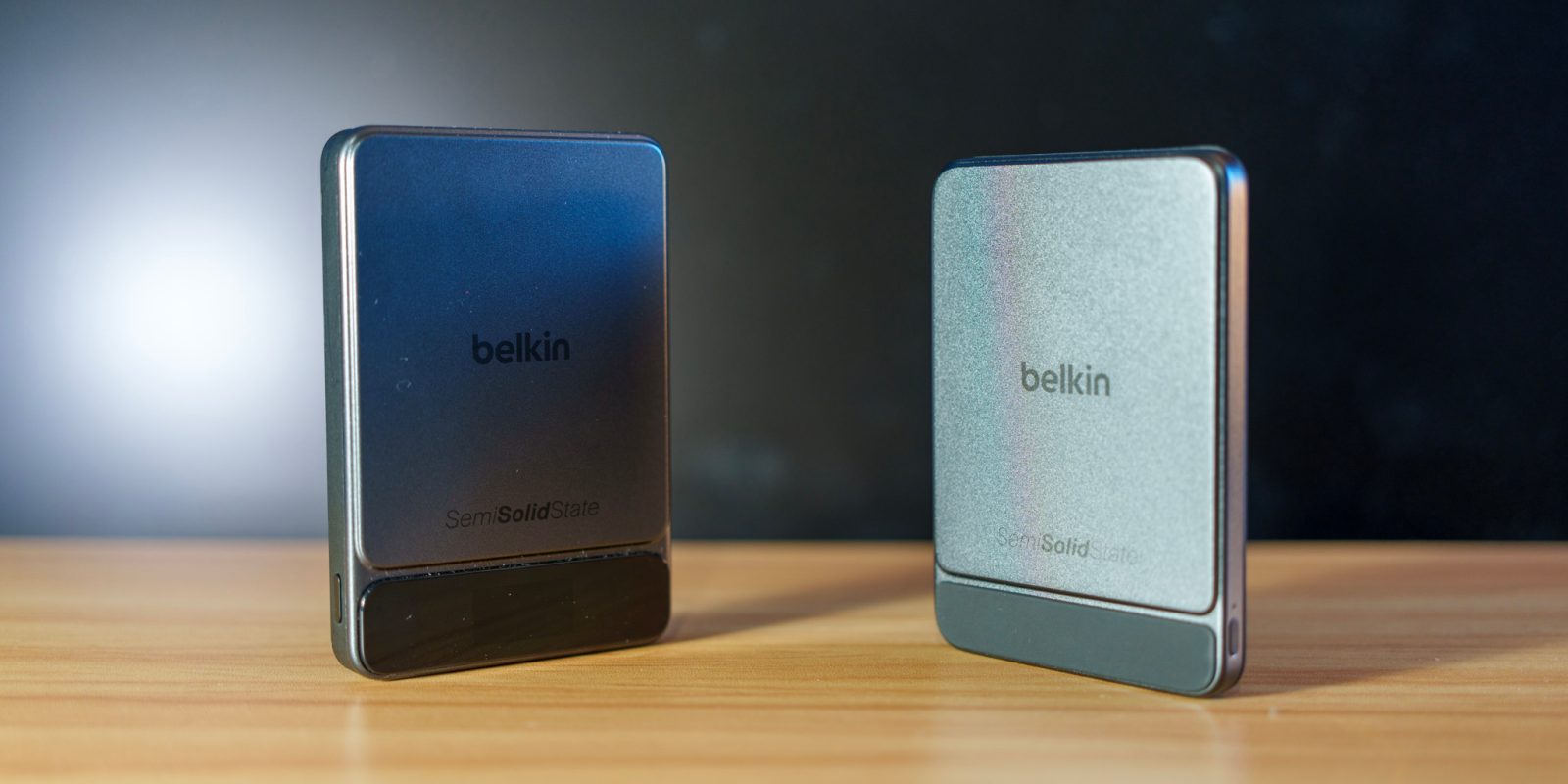
The 10,000mAh USB-C Power Bank ($89.95): A high-capacity, highly portable wired charging solution capable of outputting up to 60W of power, featuring an integrated smart digital display and a premium aluminum chassis.
The 5,000mAh MagSafe Power Bank ($69.99): A streamlined, ultra-thin wireless charging unit featuring 15W Qi2 wireless charging compatibility and magnetic alignment for seamless daily carry.
Both models boast a striking premium aluminum build that feels cold to the touch, paired with a remarkably reduced physical footprint and weight profile compared to their conventional lithium-ion predecessors. By leveraging semi-solid-state chemistry, Belkin has managed to strip away dead weight without sacrificing energy density, offering consumers a safer, more efficient, and structurally superior way to keep their devices charged on the go.
Chronology
The journey toward commercial semi-solid-state batteries in consumer electronics has been gradual, but 2026 is proving to be the inflection point where the technology moves from laboratory research and niche industrial applications into mainstream consumer accessories.
Late 2024 to 2025: Industry analysts began tracking supply chain shifts as manufacturers sought alternatives to traditional liquid-electrolyte lithium-ion cells. Concerns over thermal management, physical degradation, and weight-to-capacity ratios pushed R&D departments to accelerate semi-solid-state development.
Early 2026: Rumors surfaced within supply chain circles that major accessory makers, including Belkin, were preparing prototypes utilizing semi-solid-state electrolytes to drastically reduce the thickness and weight of portable power banks.
Mid 2026: Industry trade shows hinted at upcoming launches focusing heavily on thermal stability and rapid-charging protocols enabled by solid-state advancements.
October 2026: Belkin formally unveils and releases the 10K USB-C and 5K MagSafe semi-solid-state battery banks directly to the consumer market via major retail channels like Amazon, signaling the arrival of the technology to everyday Apple users.
Supporting Data & Technical Specifications
To fully appreciate what Belkin has accomplished with these new power banks, it is essential to examine the underlying hardware metrics, weight differentials, and charging capabilities.
Comparative Weight and Dimensions
Traditional 10,000mAh power banks utilizing conventional liquid lithium-ion technology typically weigh anywhere from 240g to 300g. They are often bulky, prone to expansion over years of heavy use, and require thick plastic or heavy metal casings to ensure structural integrity.
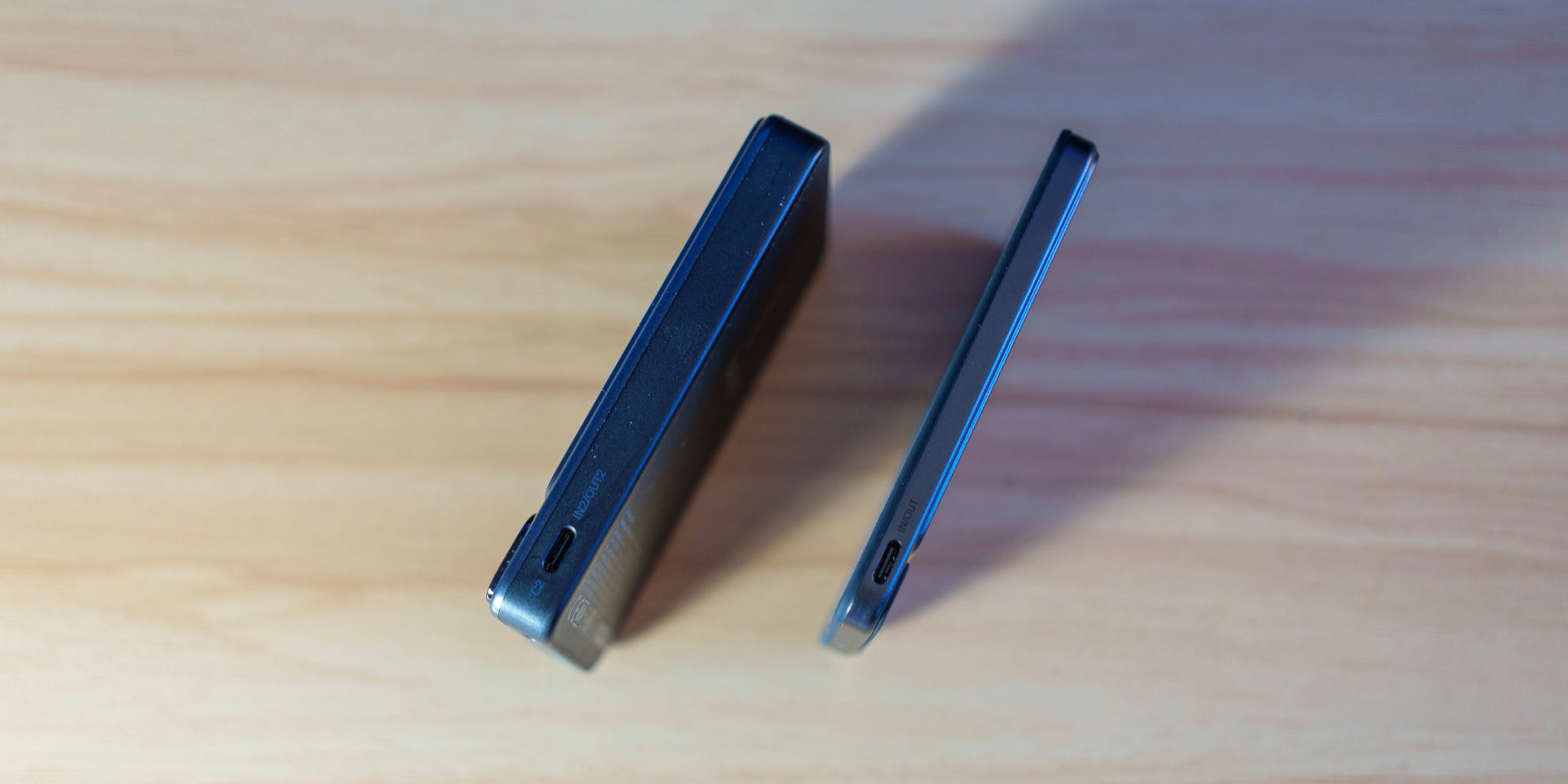
By contrast, Belkin’s new 10K semi-solid-state battery bank comes in at a remarkably lean 220g. This reduction is not merely a fractional trim; it represents a noticeable ergonomic improvement when slipping the battery into a pocket or small bag alongside an iPhone.
The 10K Model Breakdown
Capacity: 10,000mAh
Maximum Output: Up to 60W (making it capable of charging not just iPhones, but also iPads and even lightweight MacBooks in a pinch).
Interface: USB-C connectivity.
Extra Features: Smart digital percentage display for precise power management.
Price: $89.95 via Amazon.
The 5K MagSafe Model Breakdown
Capacity: 5,000mAh
Wireless Standard: 15W Qi2 wireless charging via MagSafe alignment.
Design Philosophy: Stripped of non-essential features like kickstands or bulky digital screens to prioritize an ultra-thin, lightweight profile.
Price: $69.99 via Amazon.
The Material Advantage
Both devices feature a unibody aluminum construction. Beyond lending the batteries a high-end, luxury aesthetic that matches Apple’s design language, the aluminum housing serves a functional purpose. It acts as an efficient thermal dissipation conduit, helping to keep the device cool to the touch even during high-wattage input and output sessions.
Official Responses & Expert Analysis
While Belkin’s marketing highlights the sleek design and everyday convenience of these new accessories, industry engineers and early reviewers have focused heavily on the engineering triumph of bringing semi-solid-state technology to consumer accessories at accessible price points.
Industry observers note that semi-solid-state batteries—which replace traditional liquid or gel electrolytes with a solid or semi-solid matrix—offer profound structural advantages. Because the internal electrolyte is less volatile, the risk of leakage, thermal runaway, and catastrophic swelling is drastically reduced. This chemical stability allows engineers to design thinner enclosures without compromising safety tolerances.
Early hands-on reviews from tech journalists emphasize the tactile experience:
"When you pick up this solid-state battery bank, you’ll notice it feels so much lighter than you’d traditionally expect compared to other batteries of its capacity… This thing feels premium, and because of the shape of it, it’s very pocketable."
Regarding the MagSafe variant, critics have pointed out its minimalist approach:
"It’s-very light and incredibly thin. Granted, this battery bank doesn’t have any bells and whistles like a kickstand or smart display — but it gets the job done really well."
However, reviewers have also flagged minor ecosystem compatibility quirks. For instance, when paired with smaller or uniquely dimensioned devices like an "iPhone Duo," the 5K MagSafe battery may protrude slightly from the bottom edge of the phone. Analysts predict that accessory makers will swiftly address form-factor alignment in future iterations, potentially timing new variations for major tech expos like CES.
Implications for the Mobile Accessory Market
The launch of Belkin’s semi-solid-state battery line carries significant ripple effects for the broader consumer electronics and mobile accessory markets.
1. A Paradigm Shift in Battery Safety and Longevity
As consumers rely more heavily on their smartphones for remote work, content creation, and continuous navigation, battery degradation has become a primary hardware pain point. Semi-solid-state technology promises a longer operational lifespan with slower capacity decay over hundreds of charge cycles. This could eventually reduce electronic waste, as consumers will not need to replace degraded power banks as frequently.
2. Design Freedom for Accessory Makers
For years, portable charger design was constrained by the safety requirements of liquid-electrolyte cells, which demanded rigid safety margins, thick walls, and heavy thermal shielding. Belkin’s successful commercialization proves that semi-solid-state cells can be manufactured compactly and cost-effectively. This opens the door for other manufacturers to experiment with ultra-thin form factors, flexible geometries, and lighter carry profiles across power banks, charging cases, and multi-device charging stations.
3. Raising the Bar for Apple Ecosystem Accessories
Apple users notoriously place a high premium on industrial design, material quality, and seamless ecosystem integration. By combining cold-touch aluminum builds, high-speed 60W wired delivery, and optimized 15W Qi2 MagSafe charging, Belkin has set a new benchmark for what third-party iPhone accessories should look and feel like. Competitors will likely be forced to accelerate their own semi-solid-state research and development pipelines to keep pace with consumer expectations moving into late 2026 and beyond.