





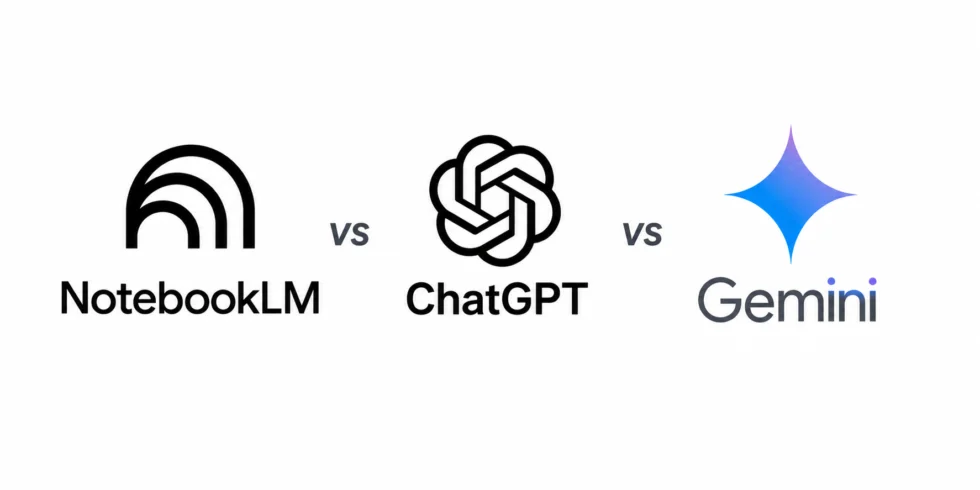
In an era dominated by general-purpose artificial intelligence chatbots that synthesize vast, unverified oceans of data from across the open internet, a quiet revolution is taking place in how professionals, students, and researchers handle information. Google’s NotebookLM—a specialized, Gemini-powered research and synthesis assistant—has emerged as a powerful counterweight to traditional generative AI tools. Rather than pulling generalized answers from a vast, opaque memory bank, NotebookLM anchors its intelligence entirely within the user’s specific documents.
As digital workflows grow increasingly saturated with unstructured data, NotebookLM’s unique focus on source grounding, multimodal output generation, and strict citation tracking has turned it from an experimental tech demo into an indispensable productivity tool.
1. Main Facts: What is NotebookLM and How Does It Work?
At its core, NotebookLM is a free-to-use (with tiered premium expansions) research assistant designed to interact exclusively with user-uploaded documents. While standard AI chatbots retrieve answers from a broad training corpus—frequently risking factual inaccuracies, or "hallucinations"—NotebookLM relies on retrieval-augmented generation (RAG).
The Power of Source Grounding
When a user queries NotebookLM, the system restricts its search scope strictly to the source materials provided. These can include:
- PDF documents and Google Docs
- Websites and public URLs
- Audio and video files
- Direct YouTube video links (via transcript extraction)
- Plain text, Markdown files, and EPUB ebooks
Crucially, every single response generated by NotebookLM features inline citations. These link directly back to the exact sentence or passage within the source documents, allowing users to verify claims in seconds. This architecture shifts the tool’s primary purpose from general creative generation to rigorous research, synthesis, and analysis.
Capacity and Scalability
A single NotebookLM notebook supports up to 50 individual sources. Each source can accommodate roughly 500,000 words, bringing the combined capacity of a single notebook to an astonishing 25 million words. This massive capacity allows users to aggregate an entire brand’s history, multi-year campaign reports, and extensive competitor research into a single, centralized workspace.
2. Chronology: The Evolution to a Multimodal Powerhouse
NotebookLM’s journey to widespread adoption reflects the rapid, iterative pace of modern artificial intelligence development.
- Initial Launch and Concept: Originally introduced as an experimental note-taking and research aid, Google positioned the tool as a way for individuals to interact with their personal notes using AI grounding.
- The Viral Phenomenon (Audio Overviews): NotebookLM captured mainstream public attention with the introduction of Audio Overviews. This feature dynamically converts static uploaded sources into natural-sounding, podcast-style discussions between two AI hosts who summarize, debate, and explain the material conversationally.
- Expansion into Advanced Studio Formats: By 2026, the feature set expanded far beyond audio. Google integrated robust studio capabilities, including Slide Deck generation, Infographics powered by advanced image models, and structured Video Overviews.
- Institutional and Enterprise Integration: The platform evolved to serve educational institutions through integrations with learning management systems like Google Classroom and Canvas, alongside enterprise-grade data privacy guarantees for Google Workspace users.
3. Supporting Data & Feature Breakdown: Beyond Basic Chat
NotebookLM’s utility extends well beyond text-based question-and-answering. Its modern ecosystem is defined by several distinct, purpose-built features:
The Evolution of Audio Overviews
What began as a novel two-host conversation format has matured into a sophisticated suite of listening options. As of the current feature set, Audio Overviews ship in four distinct formats:
- Deep Dive: The default, conversational two-host breakdown.
- Brief: A rapid, single-speaker summary covering key points in under two minutes.
- Critique: Two hosts evaluating a piece of work, such as an essay or design document.
- Debate: A structured back-and-forth analysis exploring opposing viewpoints on a topic.
These files support over 80 languages and offer customizable length and thematic steering, allowing professionals to absorb dense, 40-page reports during their commutes.
Multimodal Studio Outputs: Slides, Infographics, and Videos
NotebookLM transcends traditional summarization through its versatile Studio panel:
- Slide Decks: Generated directly from source material, exportable as editable PPTX files, and adjustable via direct user feedback.
- Infographics: Built across ten predefined visual styles (including Professional, Editorial, Sketch Note, and Bento Grid) utilizing Google’s advanced image models.
- Video Overviews: Delivering narrated, animated walkthroughs of source documents, complete with immersive cinematic modes on higher-tier plans.
Educational Tools for Students and Educators
Beyond corporate and marketing research, NotebookLM features dedicated study tools. Users can automatically generate flashcards and interactive quizzes from course materials, tracking progress across sessions. A Learning Guide feature acts as a personalized tutor, helping students master complex subjects rather than simply providing direct answers.
4. Official Responses, Data Privacy, and Security
As organizations increasingly digitize sensitive operations, data privacy remains a primary concern for adopters of artificial intelligence tools. Google has addressed these concerns through explicit data governance frameworks:
- Model Training Protections: Google officially states that user-uploaded content within NotebookLM is not used to train its general-purpose generative AI models unless the user explicitly submits feedback.
- Google Workspace Safeguards: For users operating under enterprise Google Workspace accounts, uploads, queries, and responses are entirely excluded from model training—even in cases where feedback is submitted. Furthermore, the platform does not share user data with third parties.
Despite these assurances, cybersecurity experts and digital consultants recommend treating AI platforms with standard institutional caution: reviewing current retention policies before uploading unreleased financials or personally identifiable client information, and prioritizing Workspace accounts over personal logins for agency and enterprise work.
5. Implications: Best Practices and Industry Impact
The integration of source-grounded AI into professional and academic environments carries significant implications for workflow efficiency and information literacy. However, experts emphasize that maximizing NotebookLM’s utility requires avoiding common operational pitfalls.
Common Pitfalls to Avoid
- The "Dumping Ground" Trap: Users frequently make the mistake of aggregating every available document into a single, unfocused notebook. NotebookLM performs optimally when supplied with a tight, intentional source set centered around a single client, project, or topic.
- Failing to Save Outputs: Chat responses are not automatically preserved. Users must explicitly save critical insights as permanent "Notes" before closing a session.
- Skipping Citation Checks: While significantly more accurate than open-web chatbots, NotebookLM can still produce inaccuracies. Relying blindly on generated answers defeats the primary benefit of a source-grounded tool; inline citations must always be verified against the original text.
The Broader Workflow Shift
Unlike general chatbots that encourage passive consumption of AI-generated prose, tools like NotebookLM foster an active, verifiable research loop. By bridging the gap between raw unstructured data—from YouTube transcripts to complex financial PDFs—and polished multimodal deliverables like slide decks and audio summaries, platforms like NotebookLM are redefining productivity. In an information economy increasingly overwhelmed by unverified data, the ability to organize, synthesize, and rigorously trace information back to its source has become an invaluable asset.