








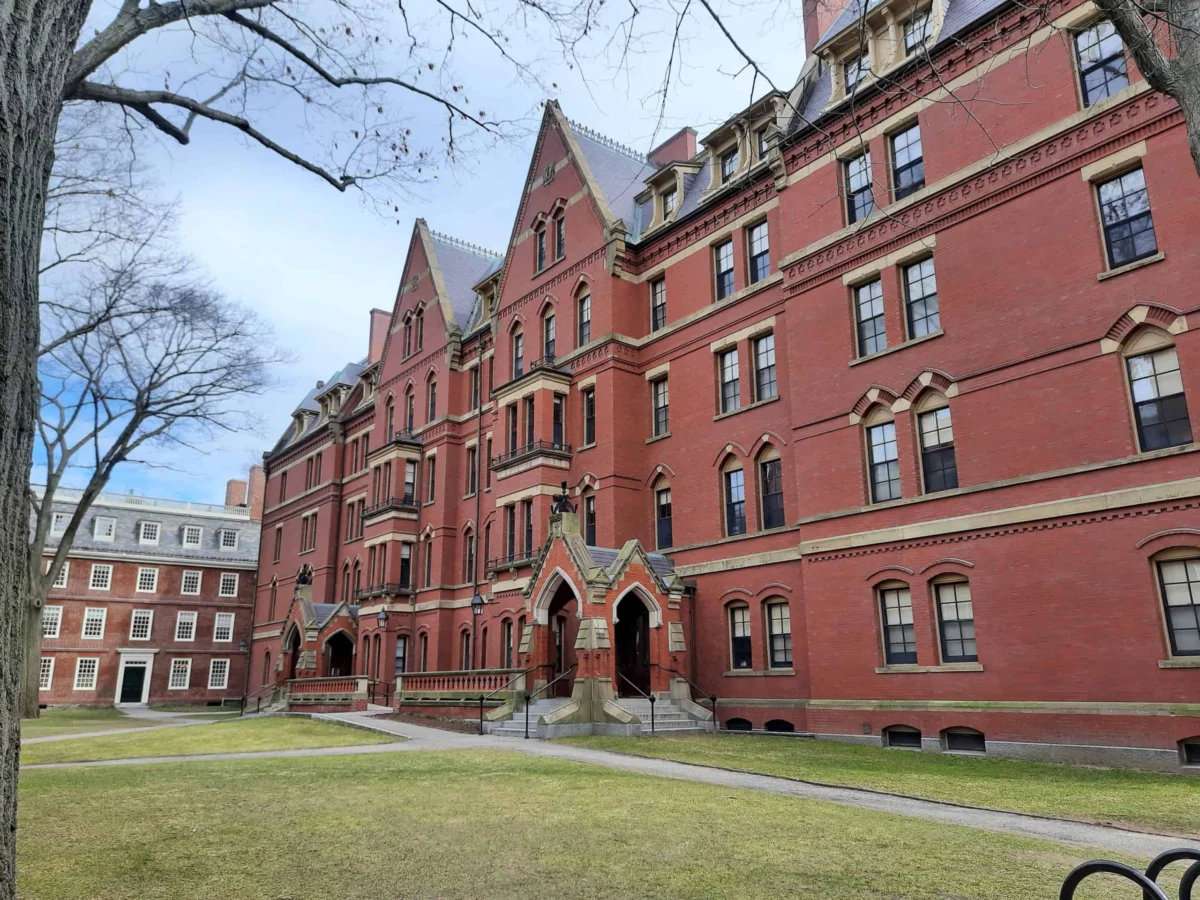
Harvard University remains the global benchmark for academic excellence, a reputation forged over nearly four centuries of research, teaching, and leadership. However, in the modern digital age, the institution has undergone a profound metamorphosis. By leveraging its vast intellectual capital through online platforms, Harvard is no longer confined to its physical campus in Cambridge, Massachusetts. Today, professionals from Tokyo to Toronto are accessing the same rigorous, innovative, and high-impact curriculum that has defined the Harvard experience for generations.
As we move through 2026, the demand for "future-ready" skills has never been higher. From the volatile world of cybersecurity and the ethics of CRISPR gene-editing to the rapid disruption of FinTech and the complexities of global health, Harvard’s digital programs are designed to empower learners to navigate an increasingly complex professional landscape.
Main Facts: The Digital Transformation of Higher Education
Harvard’s online presence is not merely a collection of video lectures; it is a sophisticated, curated ecosystem. Through initiatives like the Office of the Vice Provost for Advances in Learning (VPAL) and collaborations with platforms like HarvardX and GetSmarter, the university has successfully translated the "Case Method"—Harvard Business School’s hallmark of teaching—into a virtual format.
Key pillars of this digital transition include:
- Accessibility: Removing geographical barriers to provide elite education to a global audience.
- Academic Rigor: Maintaining the same standards of faculty oversight and peer-reviewed curriculum found in traditional degree programs.
- Practical Application: Shifting from theoretical learning to project-based outcomes, where students create actionable strategies for their current workplaces.
- Continuous Learning: A lifelong commitment to education, acknowledging that in a fast-paced economy, a degree earned twenty years ago may no longer suffice for modern leadership roles.
Chronology: The Evolution of Harvard’s Online Reach
The trajectory of Harvard’s online offerings has been marked by strategic expansion:
- Early 2010s: The inception of HarvardX and the university’s entry into the MOOC (Massive Open Online Course) movement, signaling a willingness to disrupt the traditional model of exclusivity.
- Mid-2010s: Integration of industry-specific executive education programs, focusing on high-growth sectors such as data science, cybersecurity, and global health.
- 2020–2022: A massive pivot during the global pandemic accelerated the adoption of synchronous and asynchronous hybrid models, proving that "high-touch" education could be delivered effectively through screens.
- 2023–2025: A focus on specialized certification tracks, such as the Derek Bok Center’s teaching certificates and Harvard Medical School’s executive programs, providing micro-credentials for specific career paths.
- 2026 and Beyond: The current focus has shifted toward AI-driven learning tools, personalized career paths, and deeply integrated networking opportunities that mirror the value of an in-person cohort.
Supporting Data: Curated Programs for the Modern Professional
DigitalDefynd has meticulously evaluated the current landscape of Harvard’s offerings. The following programs represent the pinnacle of this year’s catalog, categorized by their industry relevance.
![9 Best Harvard University Courses [2026 July]](https://digitaldefynd.com/wp-content/uploads/2022/03/Free-Harvard-University-Courses-by-DigitalDefynd-scaled.jpg)
1. Cybersecurity: Managing Risk in the Information Age
In an era where data is the most valuable corporate asset, this 8-week program (managed by VPAL) is essential. It moves beyond technical jargon to focus on the strategic, non-technical aspects of cyber-risk. Participants learn to analyze vulnerabilities, navigate complex regulatory frameworks, and build resilient response plans.
- Key Outcome: Development of a customized, organization-wide risk mitigation strategy.
- Target Audience: Executives and managers tasked with digital governance.
2. FinTech Online Short Course
Finance is undergoing a radical shift, and this 6-week program provides a roadmap for that transition. It covers the evolution of payments, the rise of decentralized finance (DeFi), and the impact of artificial intelligence on traditional banking.
- Key Outcome: Ability to evaluate the market potential of blockchain, AI, and CBDCs.
- Target Audience: Investors, banking professionals, and tech-driven innovators.
3. Higher Education Teaching Certificate
The Derek Bok Center for Teaching and Learning offers this gold-standard program for academics. It focuses on evidence-based pedagogical strategies, inclusive design, and the creation of a professional teaching portfolio.
- Key Outcome: A comprehensive teaching philosophy and a refined syllabus ready for implementation.
- Target Audience: Faculty, adjuncts, and instructional designers.
4. CRISPR: Gene-Editing Applications
This is a frontier-science course that balances the immense potential of gene-editing with the heavy weight of ethical responsibility. It explores applications from agricultural resilience to cancer immunotherapy.
- Key Outcome: Understanding the market, regulatory, and ethical hurdles of gene-editing technology.
- Target Audience: Biotech professionals, researchers, and policymakers.
5. Global Health Delivery
Taking a systems-level view, this 10-week program analyzes the "biosocial determinants" of health. It is an intensive look at how history, politics, and power structures dictate health outcomes in regions ranging from Rwanda to the U.S.
- Key Outcome: Design of a contextualized, evidence-based global health intervention.
- Target Audience: NGO leaders, public health officials, and policymakers.
Official Responses and Strategic Vision
Harvard University officials and program directors have consistently highlighted that these courses are designed to "bridge the gap between theoretical brilliance and practical application." By involving industry luminaries—such as former government advisors, CEOs of health systems, and pioneering research scientists—the university ensures that the curriculum evolves in real-time.
![9 Best Harvard University Courses [2026 July]](https://digitaldefynd.com/wp-content/uploads/2021/10/Harvard-300x64.webp)
"The goal is not just to provide a certificate," notes one program faculty member, "it is to change the way our participants solve problems. When a student leaves our program, they shouldn’t just know more; they should be better equipped to lead their organizations through the volatility of their respective industries."
The inclusion of 2U’s Career Engagement Network also signals a major shift in how Harvard views its online alumni. By providing access to job templates, webinars, and networking events, the university is actively investing in the career trajectory of its digital students, effectively blurring the lines between online and on-campus cohorts.
Implications for the Global Workforce
The proliferation of these courses has significant implications for the global labor market:
- The Democratization of Knowledge: High-quality, evidence-based education is no longer a luxury reserved for those who can afford the time and cost of an on-campus residency. This levels the playing field for professionals in developing nations or those tied to specific job locations.
- The Rise of Micro-Credentialing: As traditional four-year degrees face scrutiny for their return on investment, short-format, high-impact certificates provide a more agile way for professionals to demonstrate specific, in-demand competencies.
- Cross-Industry Fertilization: Because these programs are delivered online, they attract diverse cohorts. A cybersecurity course might include a finance professional, a government contractor, and a hospital administrator. This diversity of perspective in the "virtual classroom" is a significant value-add that is often missing in traditional, siloed academic environments.
- Lifelong Learning as a Requirement: The speed of technological change (AI, biotech, fintech) means that "learning" is no longer a phase of life, but a constant requirement. Harvard’s ecosystem provides the infrastructure for this continuous upskilling.
Conclusion: Investing in Your Future
Choosing the right Harvard online program is a strategic investment in your professional longevity. Whether you are aiming to spearhead digital transformation in healthcare, lead a cybersecurity task force, or refine your pedagogical approach, the university’s online ecosystem offers a unique combination of academic pedigree and practical, real-world utility.
As you evaluate your next professional step, consider the specific outcomes you wish to achieve. The curated lists provided by resources like DigitalDefynd serve as an excellent starting point, but the true value lies in the commitment to enrollment and the application of these tools in your own work environment.
In a world that increasingly values what you can do over where you learned to do it, Harvard’s online offerings provide the prestige, the network, and the specific skill sets required to thrive. Now is the time to leverage these resources to elevate your expertise and secure your place in the future of your industry.