






By Tech Desk
Published: November 2023 / Updated: Recent Tech Insights
Main Facts
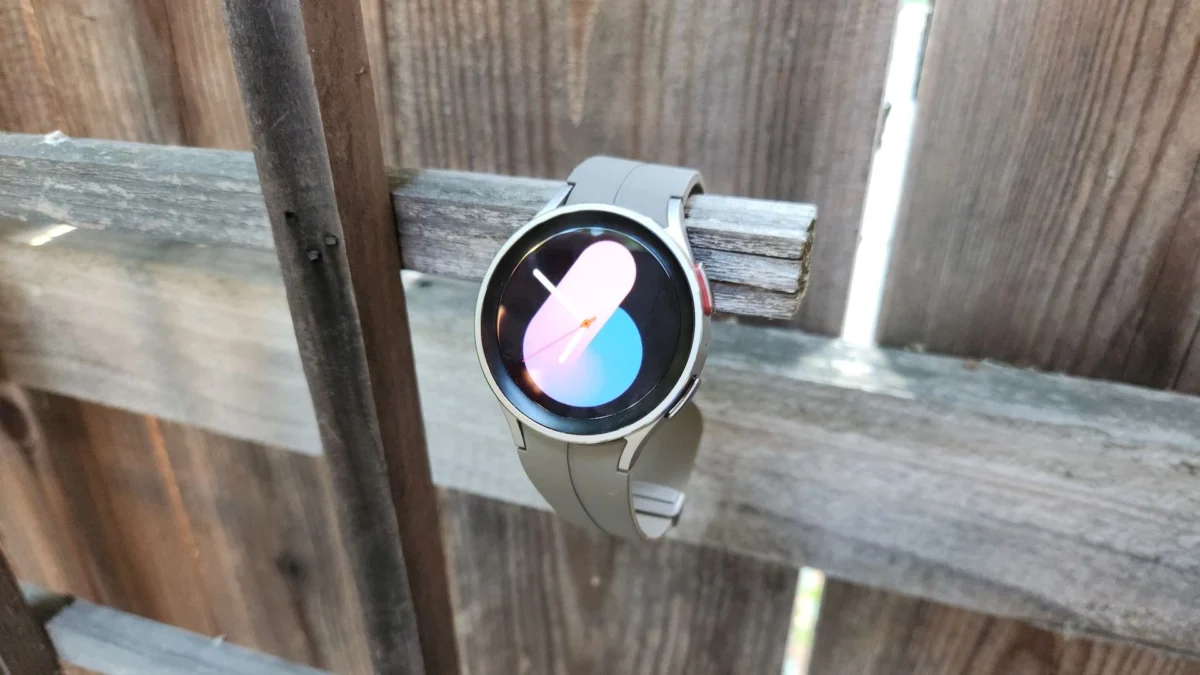
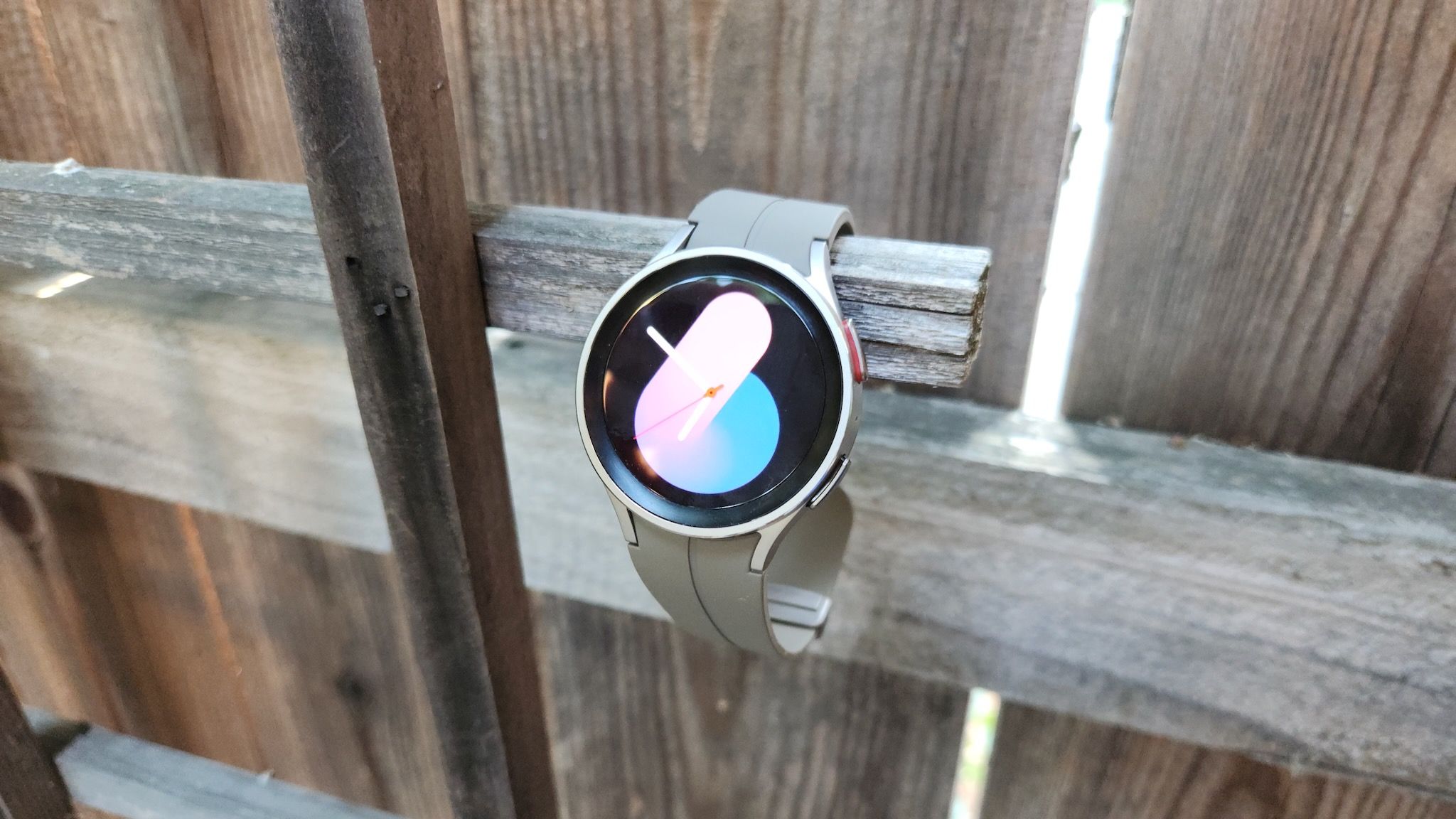
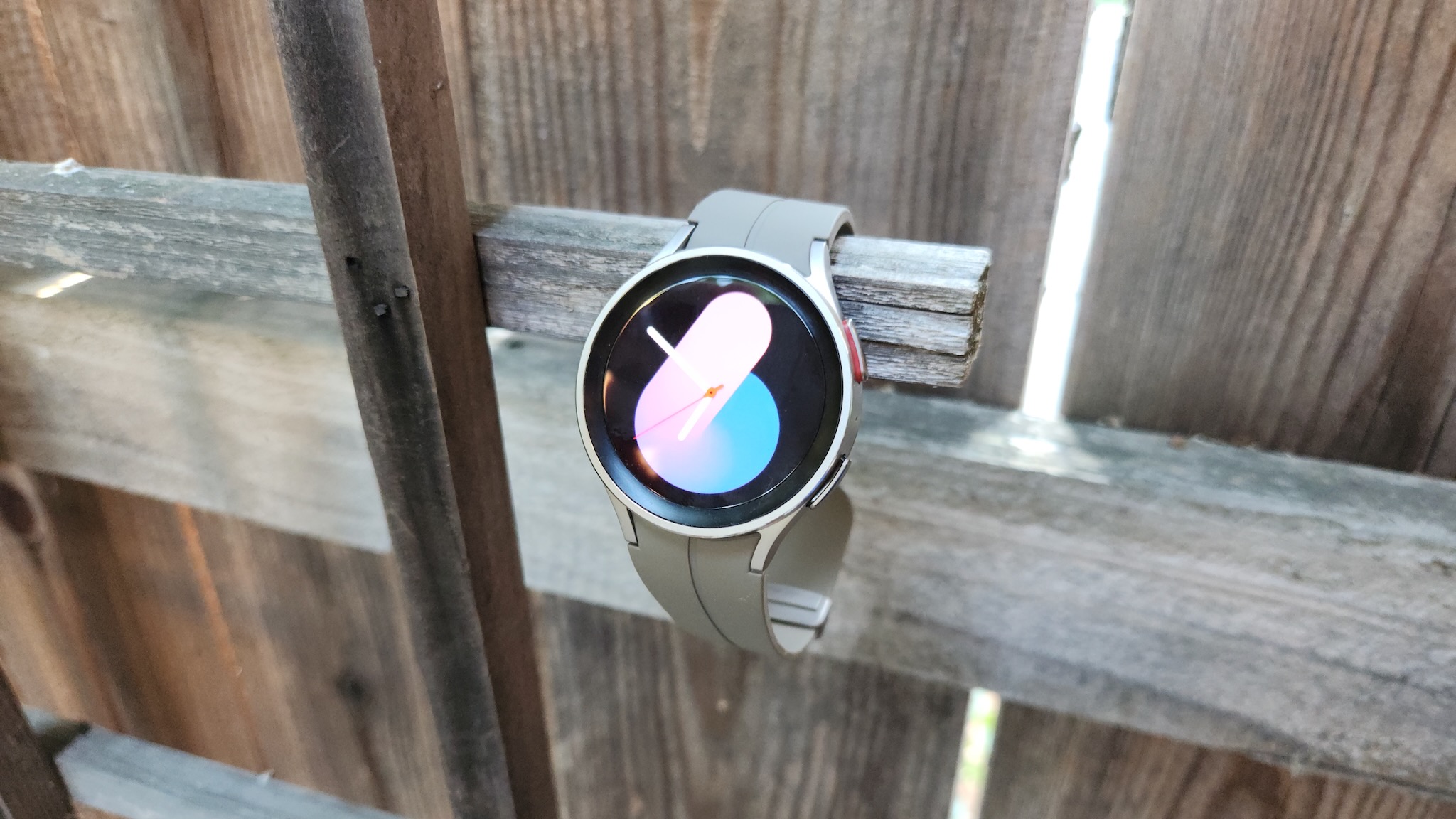
In an alarming incident that has reignited safety concerns regarding wearable technology, a Samsung Galaxy Watch 5 Pro user has reported severe, blistering burns on their arm after the device allegedly overheated overnight. The user, who shared their traumatic experience on Reddit’s r/samsunggalaxy community, stated they woke up to find an unexpected and painful injury where their smartwatch had been resting.
According to the affected owner, the Galaxy Watch 5 Pro was fully charged when they went to sleep—a routine they had practiced comfortably for the past three years. However, upon waking up, the device was completely dead, non-responsive, and had seemingly malfunctioned internally, generating enough heat to cause acute skin blistering.
While wearable tech is generally designed with automated safety protocols to prevent catastrophic thermal runaways, this incident highlights a terrifying gap in those safeguards. The user noted that the smartwatch is now entirely bricked and refuses to turn on, leaving them grappling with physical injuries and uncertainty regarding how to proceed with warranty or manufacturer liability.
Chronology of Events
To understand the scope of the issue, it is necessary to examine how this event unfolded alongside historical complaints within the Samsung ecosystem:
- The Routine: The user donned their Galaxy Watch 5 Pro before bed, following a multi-year habit of tracking sleep patterns without any prior issues. At the time of placement, the battery indicator showed a full charge.
- The Overnight Malfunction: Sometime during the night, an internal hardware or battery failure triggered a massive thermal event. Instead of draining at a normal rate, the battery depleted entirely while discharging extreme, concentrated heat directly against the user’s skin.
- Discovery and Injury: Upon waking, the user discovered a severe burn mark characterized by blistering. The device itself was completely dead and remains permanently non-functional.
- Public Disclosure: The user took to Reddit to document the injury and seek advice from the broader community, prompting a cascade of similar historical anecdotes from other Samsung wearable owners.
- Media and Manufacturer Scrutiny: Tech publications, including Android Central, amplified the report, prompting fresh inquiries into Samsung’s quality control, hardware failure rates, and safety mechanisms.
Supporting Data and Historical Context
While rare, thermal incidents involving smartwatches and smartphones are not entirely unprecedented, and a deeper dive into community forums reveals a pattern that stretches across multiple generations of Samsung devices.
1. A Wider Trend in Wearables
Following the viral post regarding the Galaxy Watch 5 Pro, other users came forward with parallel accounts:
- Galaxy Watch 5 (Standard Edition): Another user in the Reddit thread noted that their significant other’s Galaxy Watch 5 overheated and burned her arm roughly six months after the product’s launch, resulting in minor injuries that ultimately caused her to abandon the device permanently.
- Legacy Hardware Issues: A separate user reported similar heating anomalies with a much older model, the Galaxy Watch 2, though thankfully without the severe blistering reported by the Watch 5 Pro owner.
2. Distinguishing Burns from Contact Dermatitis
Tech analysts and medical professionals often attribute wrist irritations from smartwatches to "contact dermatitis"—a common skin reaction caused by trapped sweat, moisture, or nickel sensitivity beneath the band. However, experts emphasize that contact dermatitis manifests as a delayed, itchy rash rather than overnight, acute thermal blistering. The physical trauma reported in this case points unequivocally to a rapid, localized heat source—consistent with a battery or processor malfunction.
3. Broader Smartphone Overheating Incidents
The concern over Samsung’s thermal management extends beyond its wearables. Earlier this year, a series of high-profile incidents in South Korea raised eyebrows across the consumer electronics landscape:
- Galaxy S24 Combustion: A user experienced a terrifying ordeal when their Samsung Galaxy S24 suddenly began to swell rapidly and burst into flames during normal internet browsing. Local fire departments later confirmed a "lithium battery ignition," and the user required medical treatment for smoke inhalation and minor burns.
- Galaxy S25 Plus Probe: Similar allegations surfaced regarding a Galaxy S25 Plus unit catching fire in South Korea, prompting safety authorities and Samsung to launch preliminary investigations.
Official Responses and Industry Silence
As of publication, Samsung has not issued a formal, public press release addressing the specific Galaxy Watch 5 Pro overnight burning incident. However, major tech journalism outlets like Android Central have formally reached out to the corporation for comment, requesting clarification on whether a product recall, investigation, or hardware diagnostic is underway.
Historically, when electronics manufacturers face lithium-ion battery failures or thermal anomalies, their standard procedure involves:
- Device Retrieval: Requesting that the consumer ship the damaged hardware back to corporate laboratories for forensic engineering analysis.
- Root Cause Determination: Assessing whether the failure stemmed from a manufacturing defect in the battery cell, a software glitch causing continuous processor load, or external factors such as unauthorized charging accessories.
- Safety Advisories: Issuing firmware updates to throttle performance or improve thermal cutoff sensors if a systemic software flaw is identified.
Consumers affected by such incidents are typically advised to preserve the damaged hardware (without attempting to recharge it) and immediately contact official customer support channels to document the claim.
Implications for Consumers and the Wearable Industry
The implications of this incident stretch far beyond a single disgruntled customer; they strike at the core of consumer trust in wearable technology.
The Psychology of "Always-On" Tech
Modern consumers treat smartwatches as passive, harmless extensions of their bodies. We sleep with them to track our REM cycles, wear them during rigorous workouts, and rely on them for emergency communications. When a device designed to improve health and wellness suddenly inflicts physical harm, it shatters the psychological safety contract between the manufacturer and the user.
The Failure of Failsafes
One of the most troubling aspects of the Galaxy Watch 5 Pro incident is the complete absence of apparent safety safeguards. Modern lithium-ion batteries and smartwatches are packed with thermal sensors designed to shut the device down immediately if internal temperatures exceed safe operational thresholds. The fact that the watch continued to heat until the battery was entirely drained—without shutting down or alerting the user—suggests a catastrophic failure of these critical safety circuits.
What Samsung Must Do Next
As smartwatches become more powerful, packing larger batteries and advanced health sensors into increasingly compact chassis, thermal management becomes a high-stakes engineering challenge. To maintain consumer confidence, Samsung must:
- Transparently share the findings of their forensic investigation into the Galaxy Watch 5 Pro failure.
- Provide clear compensation, medical coverage, and device replacements for victims of hardware-induced injuries.
- Rethink thermal cutoff firmware to ensure that any future anomalies trigger an immediate, hard shutdown long before skin damage can occur.
Until Samsung issues a comprehensive statement explaining how a routine sleep-tracking session turned into a dangerous thermal event, users may understandably think twice before wearing their smartwatches to bed.