





In a significant leap forward for wearable technology and health informatics, Google has officially rolled out version 5.11 of its Google Health platform. This update represents more than a mere incremental improvement; it signifies a massive overhaul in how the ecosystem processes human movement and physiological data. By expanding its automatic activity detection capabilities from a modest 10 exercises to an impressive catalog of over 100, Google is setting a new industry benchmark for passive health monitoring.
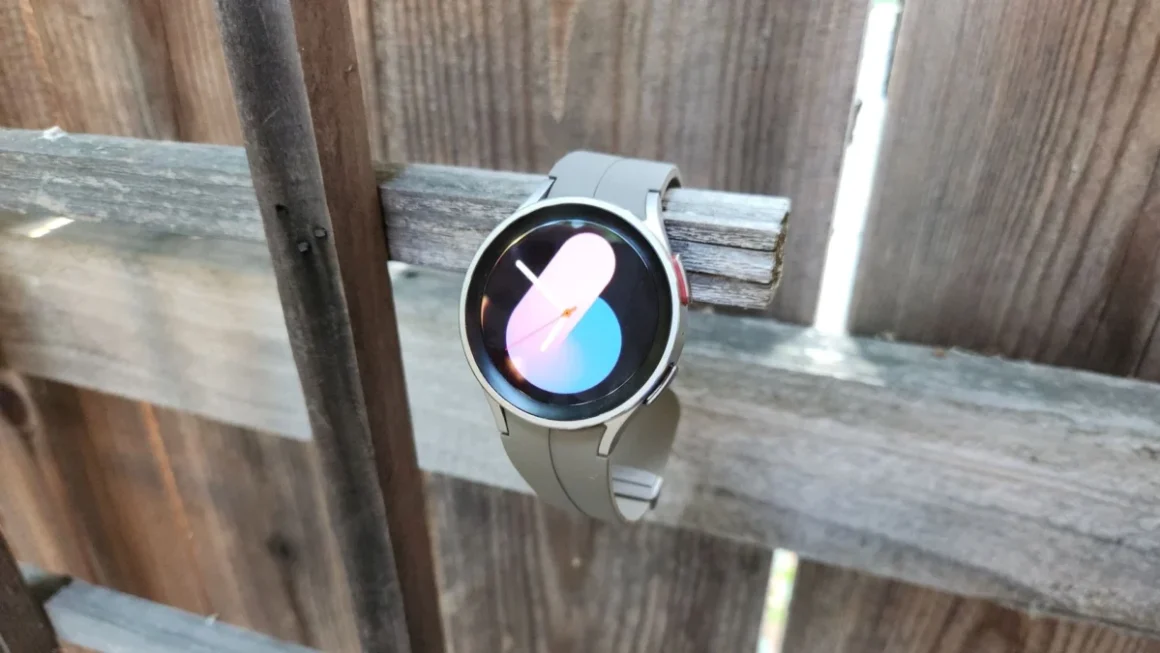
The update is currently being pushed to a wide array of devices, including the Google Pixel Watch 3, 4, and 5, as well as the specialized Fitbit Air and Fitbit Edge trackers. This deployment marks a maturation of Google’s wearable strategy, moving away from manual input reliance toward a truly "set-it-and-forget-it" model for fitness enthusiasts.
The Core Transformation: From Manual Entry to Intelligent Recognition
For years, the limitation of fitness wearables was their dependence on user intervention. Whether it was navigating through nested menus to start a "Strength Training" session or remembering to stop a "Cycling" timer, the friction of manual tracking often led to incomplete data sets. Google Health 5.11 effectively dismantles this barrier.
The Scope of the Expansion
The jump from 10 to 100+ recognized activities is a ten-fold increase in the platform’s analytical bandwidth. Beyond standard walking, running, and cycling, the updated algorithms can now reliably identify and log:
- High-Intensity Interval Training (HIIT): Detecting changes in heart rate variability and movement patterns.
- Aquatic Sports: Specifically calibrated tracking for lap swimming and water-based resistance.
- Technical Athletics: Including golf swing mechanics, strength training sets, and specialized cardio machine usage (ellipticals, rowing machines, and stair climbers).
The "Double Accuracy" Metric
According to early reports and technical benchmarks, this update does not simply add more categories; it refines the underlying detection engine. Google claims the system is now twice as accurate in distinguishing between similar movement patterns. This is achieved through a more robust integration of the accelerometer, gyroscope, and optical heart rate sensor data, processed through enhanced machine learning models that are less susceptible to "false positives" (such as mistaking driving for cycling).
Chronology of the Deployment
The rollout of Google Health 5.11 is a phased global deployment. Understanding the timeline is crucial for users expecting these features on their wrist.
- October 23, 2026: The official announcement and initial server-side rollout begin. Users on the latest firmware for Pixel Watch 3, 4, and 5 start receiving notification prompts to update the Google Health application.
- October 24, 2026: Support for the Fitbit Air and Fitbit Edge lines is activated, ensuring that the entire current portfolio of Google-owned wearables is unified under the same software umbrella.
- Late October/Early November 2026: The update becomes available across the wider Android ecosystem and, notably, is extended to iOS users who utilize Google’s health wearables, maintaining cross-platform parity.
Supporting Data: Why Sensor Fusion Matters
To appreciate why this update is a "big one," one must look at the hardware-software synergy. While many competing brands utilize near-identical sensor components, the disparity in fitness tracking quality is almost entirely software-defined.
Sensor Fusion and Algorithmic Logic
The "magic" behind the 100-activity detection lies in what engineers call sensor fusion. By synthesizing data from multiple sources—heart rate, GPS, skin temperature, and motion—Google’s algorithm creates a "movement signature."
Previously, if a user was doing a complex circuit, the watch might have struggled to categorize the movement, leading to "Other" or "Unknown Activity" tags. The 5.11 update employs a more sophisticated pattern-matching library that can discern the distinct micro-movements of, for instance, a golf swing versus a tennis serve.
User Empowerment Through Granularity
While the automatic tracking is the headline, the manual control remains a cornerstone. Users can now enter the "Activity Detection" settings to:

- Prioritize Activities: If you are a swimmer, you can tell the device to prioritize swimming metrics, ensuring it doesn’t get "confused" by walking movements nearby.
- Edit Timestamps: If the auto-detection kicks in five seconds too late, the interface now provides a more intuitive drag-and-drop timeline to adjust the start and end times.
- Sensitivity Tuning: Users can choose how aggressive the device is at logging. For those who want to track every short walk, "High Sensitivity" is an option, while those wanting to ignore brief movements can opt for "Standard."
Implications for the Fitness Industry
The shift toward total automation has profound implications for how we view health data.
The End of the "Manual Log" Era
The psychological hurdle of fitness is often the data entry. By automating the process, Google is capturing data for the "casual" user who previously would have had no record of their activity. This creates a more accurate longitudinal study of the user’s health, allowing for better insights into sleep quality, stress levels, and recovery.
Professional vs. Casual Use
For the average consumer, this level of precision provides a sense of accomplishment. For the professional athlete, it provides actionable data. When the device is accurate to within a small margin of error, athletes can track their "Total Energy Expenditure" (TEE) with enough reliability to adjust their caloric intake and recovery schedules.
Competitive Pressure
Google is not working in a vacuum. With Apple and Samsung constantly iterating on their own health suites, Google’s move to 100+ activities is a direct response to the "fierce competition" mentioned in industry circles. This creates a "rising tide" effect where all users benefit from the rapid innovation cycle.
The Balancing Act: Accessibility vs. Depth
A common criticism of modern health apps is that they are either too simple (missing the "fine print") or too complex (overwhelming the user). Google Health 5.11 attempts to bridge this divide through a tiered interface design.
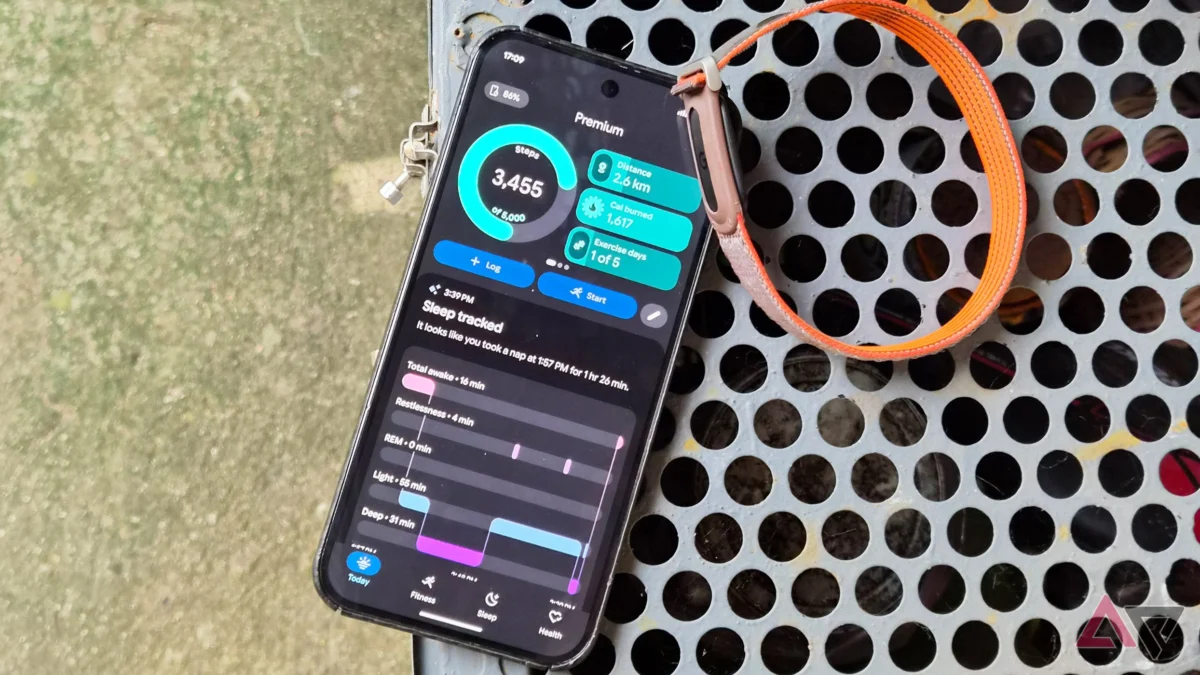
- The "At-a-Glance" View: For the casual user, the dashboard provides a clean, visual representation of the day’s movement. It’s colorful, easy to read, and focuses on "Body Energy" and "Readiness" scores.
- The Deep Dive: For those interested in the underlying mechanics, the application allows for a deep dive into the raw sensor data, heart rate variability (HRV) charts, and detailed splits for every recognized activity.
This design philosophy ensures that the app remains accessible to the person just starting their fitness journey while remaining useful to the dedicated athlete training for a triathlon.
Conclusion: The Path Forward
The rollout of Google Health 5.11 is a testament to the fact that the future of wearable tech lies in software intelligence. As sensors hit a plateau in terms of raw hardware capability, the battleground has shifted to the cloud and the device’s local processor.
By leveraging machine learning to identify over 100 different types of physical activity, Google has effectively made its wearables more intuitive, accurate, and valuable. As we look toward the future, the competition will undoubtedly force even greater advancements in health monitoring. For now, however, users of the Pixel Watch and Fitbit lines have a powerful new tool in their arsenal to monitor, understand, and improve their physical well-being.
The update is currently rolling out globally, ensuring that whether you are on Android or iOS, the next time you step onto the track, the court, or the pool, your watch will know exactly what you are doing—even if you don’t tell it.