







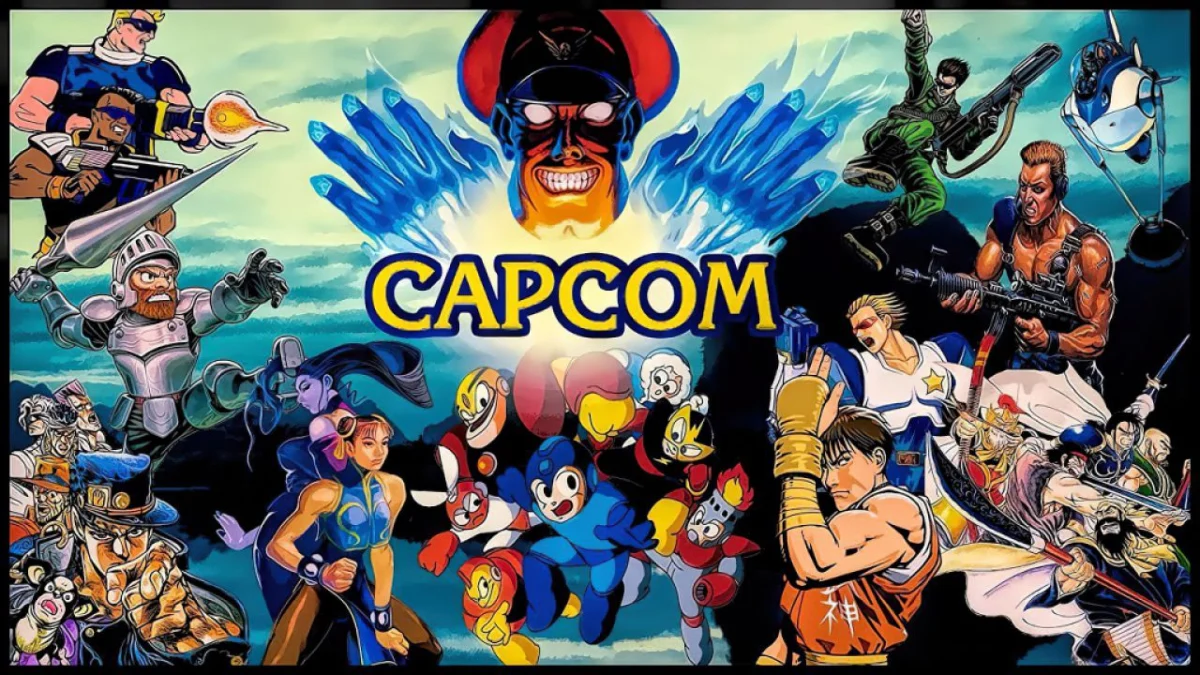
In a significant security incident that has sent shockwaves through the global gaming community, Japanese gaming giant Capcom has officially confirmed a large-scale data breach involving its "CAPCOM ID" membership service. The breach, which was first detected in mid-October, has resulted in the unauthorized exposure of over 11.7 million email addresses and sensitive account-related metadata. This event marks yet another major cybersecurity hurdle for the Osaka-based developer, raising critical questions regarding data protection protocols in the digital entertainment industry.
The Scope of the Breach: A Global Impact
The scale of the intrusion is substantial, affecting millions of players worldwide who rely on the CAPCOM ID to access online services, community forums, and multiplayer components for the company’s iconic titles. According to the official statement released by the company, the unauthorized access was identified on October 19. By October 22, internal audits confirmed that the attackers had successfully exfiltrated a staggering 11,774,247 unique email addresses.
Beyond the email addresses, the compromised data set included critical system-specific identification information. This metadata encompasses account creation dates, the date of the user’s last login, the total number of login attempts, and—perhaps most concerning—the IP addresses associated with the most recent user sessions. While the company emphasized that the vast majority of the leaked data was limited to these identifiers, a smaller subset of users suffered a more severe privacy intrusion. In 43 specific cases, the breach extended to personal identifying information, including dates of birth, gender, country of residence, and chosen account nicknames.
Furthermore, the threat actors managed to compromise the security of 196 individual user accounts, successfully altering their passwords. Capcom has since moved to reset these passwords, effectively locking out the unauthorized parties, but the breach serves as a stark reminder of the vulnerability of centralized gaming platforms.
Chronology of the Incident: From Detection to Response
Understanding the timeline of this incident is crucial for assessing how Capcom handled the crisis.
- October 19: Capcom’s security monitoring systems detected anomalous traffic and unauthorized access attempts directed at the CAPCOM ID service. Initial triage procedures were triggered immediately.
- October 19–21: The company’s internal cybersecurity task force launched an intensive investigation to determine the extent of the infiltration. During this window, the team worked to identify the "entry point" used by the attackers and implemented emergency containment measures to halt the exfiltration of data.
- October 22: Following a comprehensive audit, the company finalized its findings, confirming the staggering number of leaked email addresses. On this date, the incident was formally reported to the Security Oversight Committee, an external advisory body that assists Capcom in maintaining its data governance standards.
- Post-October 22: Capcom initiated contact with affected users through its dedicated support channels. The company simultaneously began coordinating with relevant law enforcement and regulatory authorities to address the legal and technical ramifications of the breach.
Supporting Data and Technical Context
The CAPCOM ID system acts as a digital "passport" for the company’s online ecosystem. By centralizing this information, Capcom created a single point of failure that proved irresistible to malicious actors. The data points stolen—specifically the IP addresses linked to login sessions—are highly valuable to cybercriminals. Such information can be leveraged for sophisticated social engineering attacks, targeted phishing campaigns, or "credential stuffing," where attackers use the stolen email addresses to attempt unauthorized logins on other platforms where users might have reused their passwords.
The 196 accounts that suffered password resets represent a "targeted" portion of the attack. While the bulk of the 11.7 million records appear to be mass-harvested identifiers, the unauthorized changes suggest that attackers may have been testing the security of specific high-value accounts or attempting to gain full control over user profiles for secondary exploitation.
Official Responses and Remediation Efforts
Capcom’s response has been characterized by a combination of transparency and cautious damage control. In its public notice, the company stated: "We have recently discovered that unauthorized access by a third party occurred to our online membership service ‘CAPCOM ID,’ resulting in the leakage of some customer information. In response, we implemented emergency measures and began identifying and addressing the attack method."
The company has established a dedicated task force focused on three pillars:

- Containment: Neutralizing the specific vulnerability that allowed the unauthorized access.
- Notification: Reaching out to the millions of impacted users to warn them of potential phishing risks.
- Strengthening: Conducting a top-to-bottom review of their cybersecurity architecture to ensure that future threats are mitigated before they reach the exfiltration phase.
Capcom has been particularly vocal in warning its user base about the rise of "impersonation" emails. Because the attackers now possess legitimate email addresses associated with the Capcom brand, there is a high risk that users will be targeted by phishing messages—emails that look like official company correspondence but contain malicious links or attachments designed to steal further personal data.
Implications for the Gaming Industry
This incident is not an isolated event for Capcom, nor is it a unique phenomenon in the gaming sector. The company is still reeling from the long-term impacts of its November 2020 encounter with the "Ragnar Locker" ransomware gang. In that previous attack, the threat actors claimed to have exfiltrated 1 terabyte of data, affecting approximately 390,000 individuals, including sensitive employee information.
The recurring nature of these breaches highlights a critical challenge for the gaming industry: the transition to "Games as a Service" (GaaS) models has forced companies to hold onto massive, centralized databases of user information. As gaming companies become more like technology and data companies, they become higher-value targets for global cyber-syndicates.
The Phishing Threat
The most immediate implication for the 11.7 million users is the heightened risk of phishing. Users are strongly advised to:
- Enable Multi-Factor Authentication (MFA): If they have not done so already, users should secure their accounts with additional layers of verification.
- Monitor for Unusual Activity: Users should remain vigilant for login alerts from services they have not accessed recently.
- Practice Skepticism: Any email claiming to be from "Capcom Support" should be treated with extreme caution. Users should avoid clicking links and instead navigate directly to the official Capcom website through a browser.
Security Oversight and Future-Proofing
The involvement of the "Security Oversight Committee" indicates that Capcom recognizes the need for third-party validation. However, as cyber-threats become more sophisticated—utilizing AI-driven brute-force attacks and zero-day exploits—traditional security measures are proving insufficient.
Industry experts suggest that for a company of Capcom’s stature, the path forward must involve "Zero Trust" architecture. Under this model, no internal or external entity is trusted by default, and every access request must be verified. While this increases the friction for the end-user, it is increasingly viewed as the only viable defense against the modern threat landscape.
Conclusion: A Turning Point?
The breach of 11.7 million CAPCOM ID accounts is a sobering reminder that the digital assets of gamers are just as valuable to criminals as financial or medical records. While Capcom has managed to contain the immediate incident and reset the compromised passwords, the long-term impact on the company’s reputation and the privacy of its users remains to be seen.
As investigations continue, the gaming community will be watching closely to see how Capcom upgrades its security infrastructure. The company’s ability to regain the trust of its massive user base will depend on its transparency regarding the "causes" of the breach and its commitment to implementing robust, industry-leading security standards that go beyond mere compliance. For now, the millions of affected players are urged to practice heightened cyber-hygiene and remain alert to any suspicious digital interactions. The era of gaming-related data breaches is clearly far from over, and both companies and consumers must adapt to survive in an increasingly hostile digital environment.