











Just over a week after Amazon rolled out its highly anticipated, redesigned 2026 Kindle lineup, early adopters have taken to online forums to report an unexpected hardware quirk. While the new generation of e-readers boasts a thinner profile, lighter build, and a flush-mounted display stack, users are noticing pronounced "light bleeding" around the screen edges—particularly when using the device in Dark Mode.
The issue, which has sparked active discussions across communities like Reddit, highlights the delicate engineering compromises manufacturers face when introducing fresh hardware aesthetics to legacy reading technologies.
Main Facts: The 2026 Kindle Display Controversy
The core of the issue centers on a glowing halo effect or light leakage visible along the bezels of the newly redesigned basic 2026 Kindle devices. According to user reports compiled via Android Authority and community threads, the anomaly is most noticeable under very specific conditions:
- The Environment: Used in dark rooms or low-light settings.
- The Setting: Dark Mode must be enabled.
- The Brightness: Screen illumination is pushed toward the higher end of the spectrum.
When these conditions align, light from the internal front-lighting system appears to seep past the frame, creating a noticeable glowing border that mirrors the white text against the black background.
This design flaw has taken many buyers by surprise, especially those upgrading from older iterations like the Kindle Paperwhite (2024), where users note that flush black borders effectively mask internal edge-lighting artifacts.
Chronology: How the Issue Unfolded
- Launch Week (Early 2026): Amazon officially begins shipping its most heavily redesigned Kindle lineup in years, featuring a flush-mounted display stack, a sleek six-inch body priced at $150 (with 16GB storage and a 30% faster book-opening speed), alongside the $200 Paperwhite and $250 Signature Edition.
- Day 3–5 Post-Launch: The first wave of customer deliveries arrives on doorsteps. Early users begin experimenting with Dark Mode settings in low-light environments before bed.
- Day 6: Photos surface on Reddit (
r/kindle) showing bright, concentrated light bleeding around the edges of the basic 2026 Kindle. Users begin questioning whether their units are defective or if this is a widespread manufacturing defect. - Day 8: Tech publications pick up the community complaints. Amazon issues an official statement acknowledging the phenomenon, attributing it to intentional engineering choices made to accommodate new aesthetic designs.
Supporting Data: Specifications and Lineup Breakdown
To understand why this display quirk is occurring, it helps to examine the architecture of Amazon’s 2026 hardware refresh. This generation represents the most substantial aesthetic overhaul the Kindle family has experienced in years.
The 2026 Kindle Ecosystem
- Basic Kindle (2026): Priced at $150, offering a 6-inch display, 16GB of internal storage, up to six weeks of battery life, and a 30% boost in book-opening speeds. This is the primary model flagged for edge-light bleeding.
- Kindle Paperwhite: Priced at $200 (currently available for pre-order alongside the Colorsoft models).
- Kindle Signature Edition: Priced at $250.
- Accessories: Amazon also introduced the "Kindle Click," a Bluetooth page-turner remote designed to pair with the new ecosystem.
Architectural Shifts
Amazon dropped the traditional raised bezels in favor of a reverse-stack design, allowing the screen to sit entirely flush with the frame. While this successfully slims down the device and reduces weight, it alters how internal LEDs project light across the electronic paper (E Ink) display matrix.
When text is inverted in Dark Mode—rendering the background pitch black and the text bright white—the proximity of the edge-lighting array to the newly integrated color bezels allows stray photons to escape into the user’s peripheral vision.
Official Responses and Manufacturer Guidance
As consumer chatter grew louder regarding whether these units warranted immediate returns or warranty replacements, Amazon provided an official statement to tech outlet Android Authority.
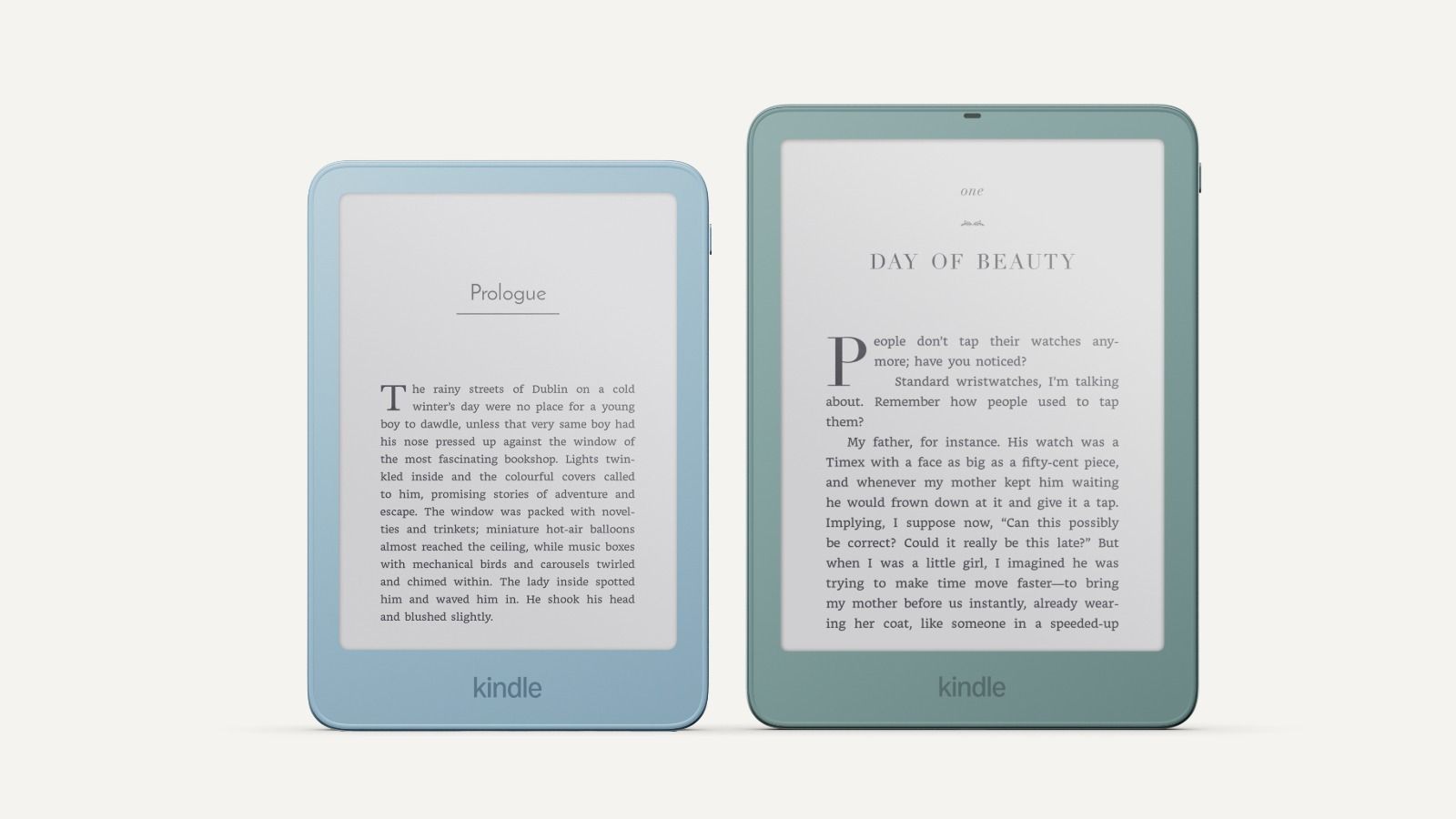
A company spokesperson clarified the mechanics behind the glowing borders:
"It’s correct that when a device is in dark mode with brightness at max in a dark setting, customers may see a glow around the edges of the book. However, this was expected in order for us to achieve a color bezel, and only appears in certain conditions like when in dark mode with high brightness."
Rather than offering hardware replacements or acknowledging a manufacturing defect, Amazon has framed the light bleed as an intentional byproduct of achieving flush color bezels. For users bothered by the aesthetic interruption, the tech giant offers a simple workaround: manually lower the screen brightness while reading in Dark Mode.
Implications for Consumers and the E-Reader Market
The discovery of edge-light bleed on the 2026 Kindle raises important questions about consumer expectations versus modern hardware engineering.
1. The Trade-Offs of Modern Aesthetics
Consumers increasingly demand smartphone-like aesthetics from dedicated e-readers: flush screens, thinner profiles, lighter frames, and color-matched bezels. However, E Ink technology behaves fundamentally differently than OLED or LCD panels. Unlike glowing pixels, E Ink relies on ambient or front-lit reflection. Achieving a seamless, flush exterior without raised plastic lips forces engineers to place internal illumination layers closer to the outer edges of the chassis.
2. Customer Satisfaction and Return Rates
While some tech-savvy users are satisfied with Amazon’s explanation and are willing to dial down their backlights, others feel alienated. On community boards, conflicting advice abounds: some users urge affected buyers to demand replacements, while others point out that replacement units will likely exhibit the exact same structural behavior due to the hardware’s design blueprint.
3. Purchasing Advice for Prospective Buyers
If you are currently evaluating Amazon’s 2026 Kindle lineup—whether you are eyeing the standard $150 model or waiting on pre-orders for the Paperwhite and Colorsoft variations—consider your reading habits:
- If you exclusively read in Light Mode (black text on a white background): The light bleed issue is virtually non-existent or imperceptible.
- If you are a dedicated Dark Mode reader who prefers high brightness in pitch-black rooms: You may want to test a unit in-person or prepare to adjust your slider settings downward to mitigate the glowing border effect.
As the 2026 generation settles into the hands of millions of readers, it remains to be seen whether software updates can optimize illumination distribution or if users will simply adapt to the quirks of Amazon’s sleekest Kindle redesign to date.



