










By Sandal Khan
Business Correspondent, Zee Media
Published: October 13, 2026, 01:24 PM IST
In a session characterized by cautious investor sentiment, the domestic gold market witnessed a marginal decline on October 13, 2026. Following a period of fluctuating demand and global economic signals, bullion prices across various purities experienced a slight downward adjustment compared to the closing rates of the previous day. As investors continue to balance geopolitical uncertainties against shifting monetary policies, the precious metal remains a focal point for both retail consumers and institutional traders alike.
The Latest Market Data: A Brief Retracement
As of midday on October 13, 2026, the gold market registered a modest correction. According to the latest data, the price of 24-karat gold saw a reduction of Rs 39, while 22-karat gold prices dipped by Rs 35. For those tracking 18-karat gold, the market recorded a decline of Rs 29 per unit.
While these adjustments may appear minimal in the broader context of a long-term investment horizon, they serve as a critical indicator for retail buyers—particularly those eyeing the upcoming festive season—to gauge market volatility. This dip follows the market closing on October 12, 2026, where prices had shown relative stability before this slight cooling-off period.
Chronology of Market Movement: From Stability to Dip
To understand the current state of the gold market, it is essential to look at the preceding 48 hours of trade. On October 12, the market exhibited a “wait-and-watch” approach. Analysts noted that while global bullion prices were bolstered by safe-haven demand stemming from lingering regional geopolitical tensions, the domestic market in India was simultaneously contending with a strengthening local currency and a brief lull in physical demand.
Early morning trade on October 13 opened with a slight bearish bias. By 10:00 AM IST, the sell-off momentum began to materialize as traders adjusted their positions following overnight developments in international commodities exchanges. By the time of the 01:24 PM update, the downward trend had solidified, leading to the reported reductions across the board. This specific movement reflects a classic market correction—a temporary reversal in the direction of an asset’s price—rather than a fundamental collapse in the valuation of gold.
Supporting Data: The Mechanics of Price Fluctuations
Gold prices are rarely determined by a single factor. Instead, they are the result of a complex interplay of domestic and international variables.
1. The Currency Factor
The value of the Indian Rupee (INR) against the US Dollar (USD) plays a pivotal role in determining domestic gold prices. Since gold is primarily traded in dollars globally, any fluctuation in the USD-INR exchange rate has an immediate impact on the landed cost of gold in India. A stronger rupee can make imported gold cheaper, thereby exerting downward pressure on domestic rates.
2. Global Central Bank Policies
The policies of the US Federal Reserve, as well as the Reserve Bank of India (RBI), remain central to gold’s performance. When central banks maintain a "higher for longer" interest rate stance, gold—a non-yielding asset—often faces selling pressure as investors migrate toward bonds and other fixed-income instruments. Conversely, any hint of rate cuts typically acts as a tailwind for bullion.
3. Physical Demand and Seasonality
India, being one of the world’s largest consumers of gold, experiences price sensitivities based on cultural and seasonal cycles. As we move toward the final quarter of 2026, jewelry manufacturers and wholesalers are closely monitoring price dips to stock up for wedding seasons and major festivals. Even a marginal dip of Rs 30 to Rs 40 is often viewed as an "entry point" for price-sensitive retail consumers.
Official Perspectives and Market Analyst Outlooks
While official government bodies rarely comment on daily price movements, the broader financial community is closely tracking the trends of late 2026. Industry experts suggest that the current dip is a "healthy correction."
Market analysts at various brokerage houses have suggested that the volatility observed in mid-October is symptomatic of an uncertain global macro-environment. "Investors are currently caught between the desire to hedge against inflation and the need to capitalize on short-term market corrections," notes one lead commodity analyst. The consensus among market observers is that while short-term dips are expected, the long-term trajectory for gold remains anchored by its status as a primary hedge against currency devaluation and geopolitical risk.
Implications for the Consumer and Investor
The recent fluctuation in gold prices carries different implications for different segments of the economy:
For the Retail Investor
For the individual looking to build a long-term portfolio, minor dips such as those witnessed on October 13 provide an opportunity for "averaging." Financial advisors often suggest that investors view gold as an insurance policy rather than a quick profit-generating tool. Consistent accumulation during minor dips is considered a prudent strategy to hedge against future inflationary spikes.
For the Jewelry Industry
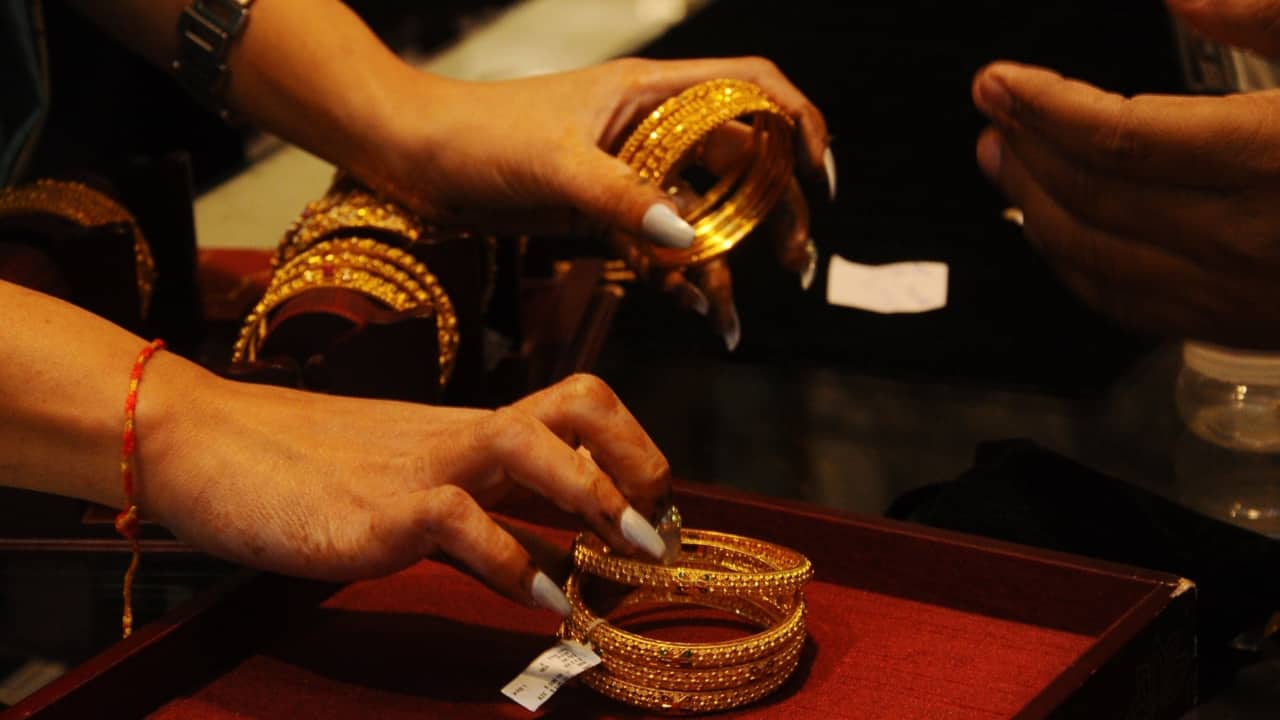
Jewelers and retailers are perhaps the most sensitive to these daily changes. A dip in prices typically triggers an uptick in footfall at physical retail outlets. As consumer sentiment improves with falling prices, businesses look toward increased inventory turnover. However, the industry also warns that if the dip is too sharp or rapid, it may lead to a "wait-and-see" approach among consumers who anticipate even lower prices, potentially stifling sales in the short term.
For the Macro Economy
Gold remains a vital component of India’s import bill. A sustained rise in gold prices can impact the Current Account Deficit (CAD), prompting the government to occasionally intervene through import duty adjustments. While the current Rs 30-40 dip is not enough to trigger significant policy shifts, it remains a metric the Ministry of Finance and the RBI keep under constant surveillance to ensure the stability of the trade balance.
Future Outlook: Navigating the Final Quarter of 2026
As we look toward the remainder of October and into the final two months of 2026, market participants should prepare for continued volatility. The intersection of global geopolitical developments, the stabilization of energy prices, and the anticipated festive demand in India will likely dictate the next major trend in gold pricing.
Investors are advised to:
- Monitor Global Indices: Keep a close watch on COMEX and London Bullion Market Association (LBMA) gold rates, as they serve as the global benchmark.
- Track Local Taxes: Remember that the final price paid at the jeweler includes GST, making, and hallmarking charges, which often overshadow minor daily price fluctuations.
- Diversify: Continue to treat gold as a strategic asset class, ensuring it occupies a balanced percentage of the overall investment portfolio, typically recommended at 5-10%.
In summary, the dip in gold rates on October 13, 2026, is a reflection of a balanced market reacting to a mix of macroeconomic signals. While the decline of Rs 39 for 24K, Rs 35 for 22K, and Rs 29 for 18K may be minor, it represents the nuanced and reactive nature of the precious metals market. As the year progresses, both seasoned investors and casual buyers will continue to look toward these price updates to navigate their financial decisions in an increasingly interconnected global economy.
For those interested in tracking further developments, keep an eye on daily commodity updates and official gold market circulars, as market conditions are subject to change based on late-day trading sessions and global news updates.
Disclaimer: This article is for informational purposes only and does not constitute financial advice. Investors should consult with a qualified financial advisor before making any investment decisions based on daily market fluctuations.



