









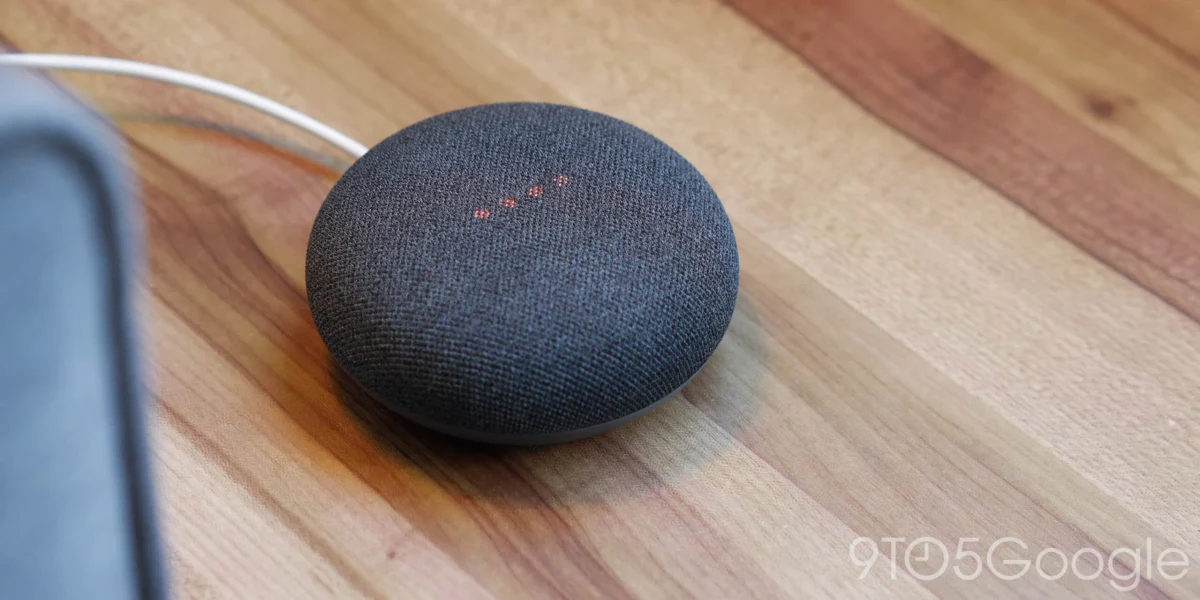
In a significant move to revitalize its aging smart speaker ecosystem, Google has begun distributing a substantial firmware update—version 3.79.550760—to its core lineup of Google Home and Nest-branded devices. This update, currently making its way through the company’s "Preview Program," targets long-standing hardware that remains a staple in millions of smart homes worldwide. While Google has been relatively quiet regarding the specifics of this patch, the implications for performance, connectivity, and the integration of next-generation AI suggest a major shift in how the tech giant intends to support its legacy hardware.
Main Facts: The Scope of the 3.79 Update
The latest firmware, version 3.79.550760, represents one of the most comprehensive software refreshes for Google’s smart speakers in recent years. The update focuses on four critical pillars of the user experience: setup stability, Wi-Fi connectivity, audio fidelity, and smart home command responsiveness.
The devices confirmed to be receiving this firmware include:
- Google Home (Original, 2016 model)
- Google Home Mini (2017)
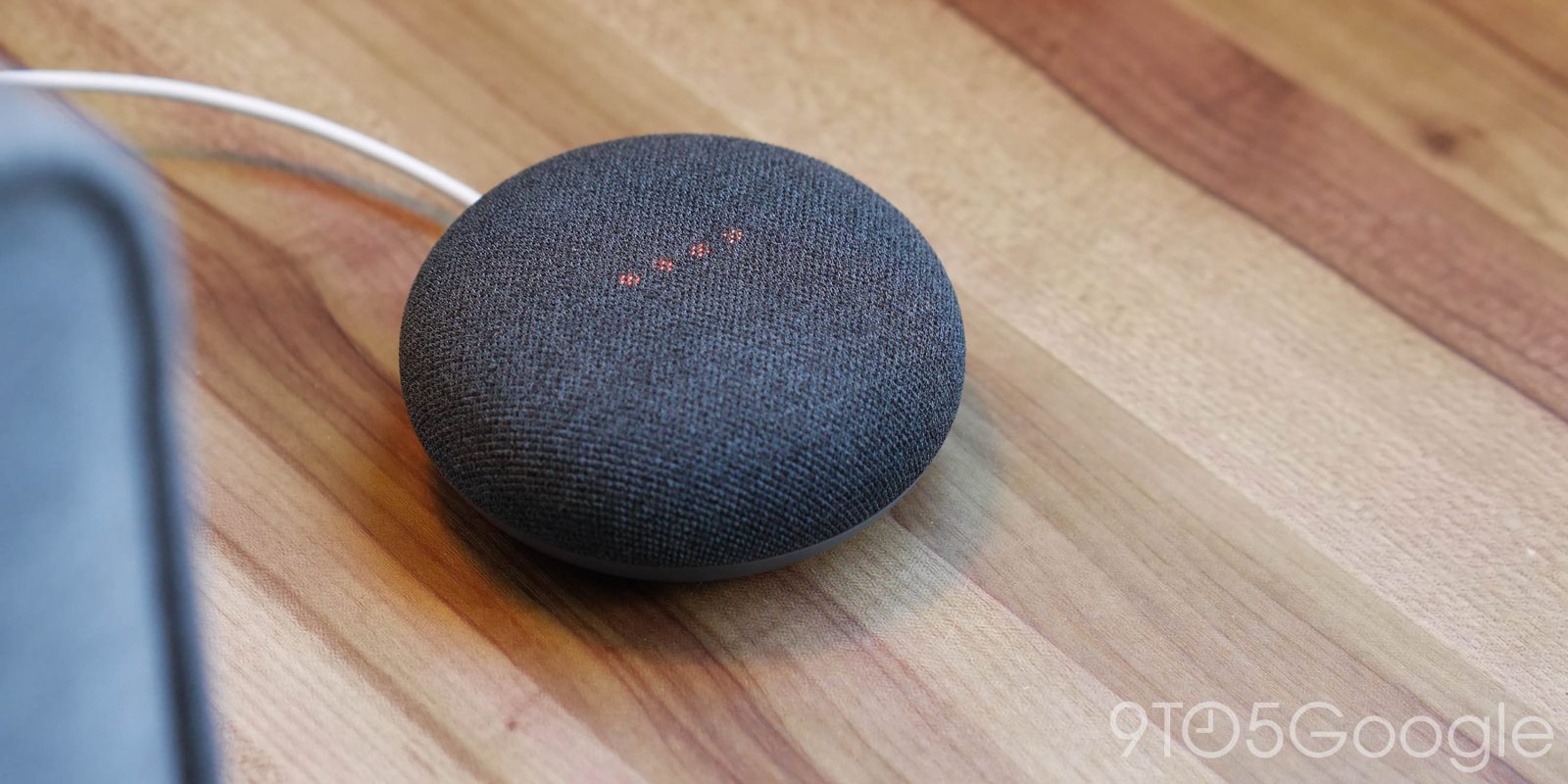
- Google Nest Mini (2019)
- Google Nest Audio (2020)
Notably, the high-fidelity Google Home Max—which has seen its support cycle slow down significantly—is excluded from this specific wave, as is the recently launched "Google Home Speaker," which likely arrived with these performance optimizations baked into its out-of-the-box software.
The update is currently restricted to those enrolled in the Google Home Preview Program. This opt-in beta channel allows enthusiasts to test features before they reach the general public, providing Google with valuable telemetry data to squash bugs and optimize performance across diverse home networking environments.
Chronology: A History of Support and Maintenance
Google’s smart speaker journey began in 2016 with the original Google Home, a device that effectively kickstarted the mainstream smart home revolution. Over the last eight years, the company has navigated various hardware iterations, transitioning from the "Google Home" branding to the more unified "Nest" ecosystem.
The Evolution of Firmware
Historically, Google’s smart speakers have been remarkably durable in terms of software support. Unlike many competitors that deprecate hardware after three or four years, Google has maintained the 2016 Google Home for nearly a decade. However, this longevity has come with challenges. As smart home protocols evolved—transitioning from simple cloud-based commands to more complex, localized processing—the hardware began to show its age.
- 2016–2018: Rapid expansion of the Home lineup; focus on voice recognition accuracy.
- 2019–2021: Transition to Nest branding; introduction of the Nest Mini and Nest Audio with improved bass and custom machine learning chips.
- 2022–2024: The "AI Pivot." As Google shifted its resources toward Gemini, the existing speaker lineup faced mounting pressure to handle more complex, multi-turn conversations.
- 2025–2026 (Present): The current push for firmware 3.79, aimed at optimizing these aging processors to handle the modern era of generative AI and local network demands.
Supporting Data: Why Firmware 3.79 Matters
The necessity for this update stems from the changing nature of the "smart" home. As devices become more sophisticated, the demands on network latency and local processing power increase exponentially.
Wi-Fi Stability and Connectivity
Many users have reported intermittent "device not found" errors or audio stuttering during group playback. The 3.79 firmware specifically addresses the handshaking protocols between the speakers and modern routers. By refining how these speakers manage their Wi-Fi radio duty cycles, Google is effectively extending the usable life of these devices, preventing the need for users to replace speakers that are still perfectly functional in terms of hardware, but struggling with modern network density.
Audio Performance
While it is rare for a firmware update to fundamentally change the sound signature of a speaker, Google has historically used DSP (Digital Signal Processing) adjustments to improve balance. In this update, internal reports suggest a tightening of the low-end frequencies on the Nest Audio and a cleaner crossover for the Nest Mini. These changes aim to mitigate the "muddy" sound that can occur when these devices are placed in sub-optimal locations like corners or bookshelves.
Smart Home Control and Latency
The most critical aspect of the update is the reduction in latency for smart home triggers. When a user says, "Hey Google, turn on the lights," the request must travel to the cloud, be processed, and return to the smart hub. Version 3.79 optimizes the local device’s handling of these packets, ensuring that the "Assistant" response—which is increasingly powered by the Gemini architecture—is snappier and more reliable.
The Gemini Integration Factor
Perhaps the most significant, though implicitly mentioned, aspect of this update is the optimization for Google’s "Gemini" AI. As Google moves away from the legacy Google Assistant infrastructure, it is tasked with the monumental challenge of running a more intelligent, large-language-model-based agent on hardware that was designed for simple command-and-control tasks.
By updating the firmware, Google is likely "tuning" the local hardware to act as a more efficient gateway for Gemini. This involves better local speech-to-text processing and smarter buffer management to handle the more conversational, multi-turn responses that Gemini provides. If successful, this firmware effectively upgrades a 2016-era speaker to handle the AI requirements of 2026.
Implications for the Consumer
For the average user, the implications of this update are twofold: increased longevity and a bridge to the future.

Extending Hardware Lifecycles
In an era of electronic waste, Google’s commitment to supporting the 2016 Google Home with 2026-grade firmware is notable. It signals to consumers that their investment is not subject to a short expiration date. For households with multiple Nest Minis or Home units, this update ensures that the ecosystem remains functional and synchronized, preventing the "fragmented" experience that occurs when some speakers respond to commands and others do not.
The "Preview Program" as a Quality Gate
Google’s reliance on the Preview Program for this release indicates that they are taking a cautious approach. By inviting power users to stress-test the 3.79 build, Google is mitigating the risk of "bricking" older units. Users should expect a rolling release over the next several weeks. Once the data from the preview group confirms stability, the update will push to the general public via an automatic, overnight silent install.
How to Join the Preview Program
For those who do not wish to wait for the general release, joining the Preview Program is a straightforward process via the Google Home mobile app:
- Open the Google Home app on your smartphone.
- Select the specific speaker you wish to update from your device list.
- Tap the Settings icon (the gear in the top-right corner).
- Navigate to "Device Information."
- Select "Preview Program" and follow the prompts to opt-in.
Once enrolled, the device will periodically check for updates, and you will be among the first to receive the 3.79 build. It is important to note that while this provides early access to features, it is a beta environment; users may occasionally encounter minor bugs that will be resolved before the final production release.
Conclusion
The 3.79 firmware update is more than just a routine patch; it is a vital piece of maintenance that bridges the gap between the humble beginnings of the smart home and the advanced AI future that Google is aggressively pursuing. By focusing on network stability, audio performance, and, crucially, the optimization required for Gemini-based interactions, Google is demonstrating that its legacy hardware still has a place in the modern home.
As the tech industry continues to push for faster hardware cycles, Google’s decision to refine the performance of eight-year-old devices is a testament to the platform’s enduring utility. Whether you are using a first-generation Google Home or a newer Nest Audio, this update promises a smoother, more responsive, and more capable smart home experience in the months to come.
Note: For the latest updates and troubleshooting tips regarding the 3.79 firmware release, users are encouraged to monitor the official Google Nest Help community forums. The general production rollout is expected to conclude within the next few weeks, pending the results of the ongoing Preview Program telemetry.



