










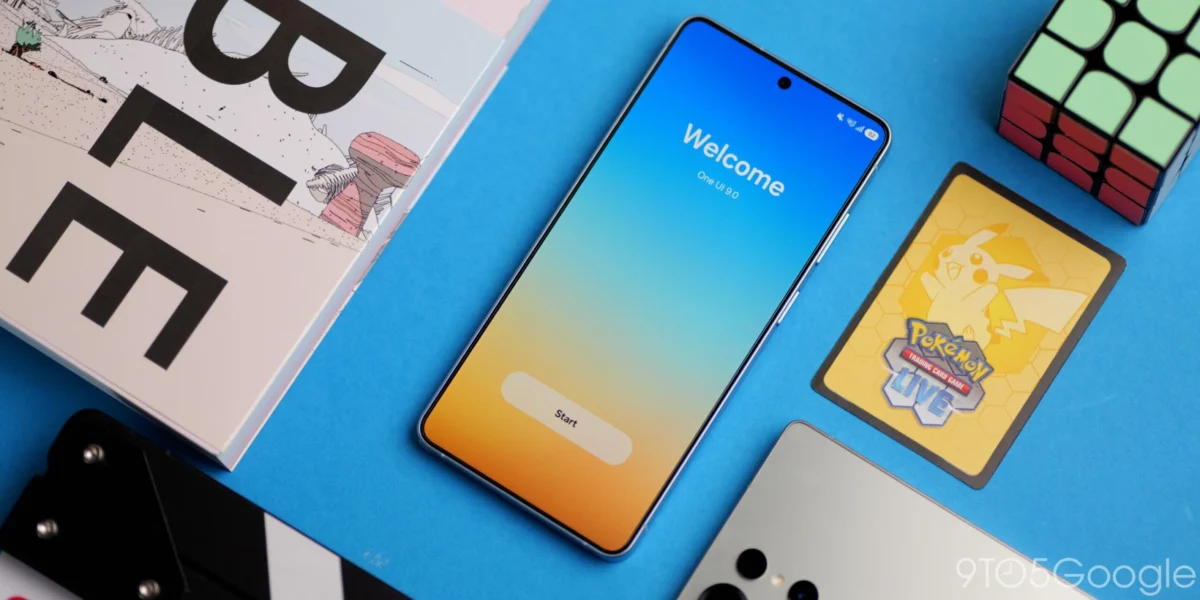
Samsung has officially initiated the global rollout of One UI 9, its latest software iteration built atop Android 17. Following the trajectory established by its predecessors, this update focuses on the seamless integration of artificial intelligence into the user experience, refined design aesthetics, and a significant expansion of privacy-centric security tools. As the software begins its journey across the vast Galaxy ecosystem, users are eager to understand what this transition means for their specific hardware.
The Evolution of the Galaxy Experience
One UI 9 is not a radical departure from the interface design language established in One UI 7 and refined throughout the Android 16 era. Instead, it serves as a sophisticated evolution, prioritizing stability and efficiency. Samsung’s design philosophy for this year centers on "intentional minimalism"—stripping back visual noise while providing more granular control over the interface than ever before.
The update introduces a new layer of AI-powered features designed to anticipate user needs. From proactive suggestions in the Quick Panel to advanced health analytics in Samsung Health, the OS acts more as a digital concierge than a traditional operating system.
Key Advancements in One UI 9
The transition to Android 17 brings several marquee features that redefine how users interact with their devices.
1. Galaxy AI: Smarter, Faster, and More Personal
The "Galaxy AI" suite has received a massive overhaul. The new "Enhanced Now" nudge feature learns from daily habits, suggesting applications or settings based on the time of day and location. Furthermore, the "Focus on someone important" tool allows for advanced noise cancellation and priority audio processing during calls, ensuring that the user’s primary contact remains clear even in chaotic environments.
The Interpreter app has also been upgraded to include an "always-in-front" overlay, which keeps real-time translations visible while the user is inside other applications, effectively removing the need to toggle between screens during international travel or cross-language meetings.
2. A Paradigm Shift in Privacy
In an era of increasing digital scrutiny, One UI 9 introduces a robust suite of security features. The new "AI Privacy Alerts" system proactively notifies users if an application attempts to access sensitive data in an unusual manner, providing a clear breakdown of why the request is flagged. Additionally, the "Lock down your phone" feature has been simplified, allowing users to instantly disable biometric authentication and force a PIN entry with a single gesture, providing peace of mind in high-security situations.
3. The Reimagined Samsung Health
Samsung Health has received the most significant UI refresh in years. The dashboard is now fully customizable, allowing users to pin their most critical metrics—such as sleep vitals, heart rate variability, or cardio load—directly to the home screen. The introduction of "Body Rhythm" tracking and advanced trend analysis provides a holistic view of user health, moving beyond simple step counting to offer actionable insights into long-term wellness.
The Rollout Chronology
Samsung has yet to release a rigid, country-by-country calendar for the global rollout, but historical data and early-adopter reports indicate a phased deployment strategy.
- Phase 1 (October 2026): The rollout began with the flagship Galaxy S26 series, ensuring the latest hardware receives the full benefit of Android 17 immediately.
- Phase 2 (Late Q4 2026): The rollout is expected to expand to the Galaxy Z Fold and Flip series, as well as the previous-generation Galaxy S25 lineup.
- Phase 3 (Early 2027): Mid-range devices, including the Galaxy A-series and select tablets, are scheduled to receive the update, completing the primary cycle.
As of October 10, 2026, users in select European and Asian markets have reported receiving stable builds. It is highly recommended that users check their "Software Update" settings periodically, as Samsung typically releases these updates in waves to manage server load and monitor for critical bugs.
Supporting Data: Why One UI 9 Matters
The move to Android 17 represents a strategic pivot for Samsung. According to recent market analysis, user retention is increasingly tied to the frequency and quality of software support. By delivering Android 17, Samsung continues to cement its reputation for having the most robust long-term support policy in the Android ecosystem.
The inclusion of "Text Spotlight" and "Physical Keyboard Shortcuts" demonstrates Samsung’s commitment to accessibility, acknowledging that a significant portion of their user base relies on assistive technology. Furthermore, the improvements to Samsung DeX—which now features better window management and lower latency—signal that the Galaxy tablet line is being positioned as a legitimate competitor to traditional desktop and laptop computing for mobile professionals.

Official Responses and Strategic Implications
In a brief statement accompanying the release, Samsung’s engineering team emphasized that One UI 9 is designed to "reduce the friction between human intent and digital execution."
Industry experts suggest that this update is a direct response to the integration of AI models at the OS level by competitors. By embedding these features deep within the system—rather than as standalone apps—Samsung is attempting to create a "moat" around its ecosystem, making it increasingly difficult for users to switch to competing platforms without losing the convenience of these integrated, hardware-accelerated AI tools.
Implications for the User
For the average consumer, what does this mean?
- Performance Stability: Android 17 includes under-the-hood improvements to memory management. Even older devices that support the update should see improved battery life and snappier app loading times.
- Learning Curve: While the interface remains familiar, the inclusion of new AI features may require a short adjustment period. Users are encouraged to explore the "Tips" section within the Settings menu, which provides interactive tutorials for the new Bixby and Galaxy AI capabilities.
- Security Assurance: With new location transparency tools and AI-driven privacy monitoring, the barrier for entry for malicious software is significantly higher than it was under previous iterations.
Final Thoughts: A Measured Success
One UI 9 does not seek to reinvent the wheel, and in the context of a mature operating system, that is a positive development. Samsung has opted for refinement over disruption, focusing on the features that actually move the needle for daily productivity and personal security.
As the update makes its way to millions of devices globally, the consensus is clear: Samsung is focusing on the "invisible" user experience—the way the device feels, the speed at which it responds, and the degree of confidence the user has in its privacy protections. For owners of modern Galaxy devices, One UI 9 is a mandatory upgrade that polishes an already stellar software experience into something even more capable.
Disclaimer: This report is based on the initial release documentation provided by Samsung as of October 2026. Feature availability may vary based on regional regulations, carrier restrictions, and specific device hardware limitations. Users are encouraged to perform a full cloud backup of their data before initiating any major system update.



