











The e-commerce and retail technology landscape is undergoing a massive paradigm shift. No longer defined solely by traditional SEO, static web design, and manual inventory management, the digital marketplace is rapidly pivoting toward an ecosystem dominated by artificial intelligence, autonomous shopping agents, and seamless cross-border infrastructure.
This week’s industry roundup captures a pivotal inflection point where tech giants, fintech pioneers, and agile startups are laying the foundational blocks for "agentic commerce"—a world where AI agents buy, sell, negotiate, and transact on behalf of both consumers and enterprises. From global shipping innovations and cross-border payment architectures to conversational advertising pilots and reputation management automation, merchants are being handed an entirely new toolkit to navigate an increasingly complex global economy.
Main Facts: The Evolution of Agentic Commerce and Global Logistics
The latest wave of product releases highlights four distinct pillars transforming modern commerce:

- The Rise of Autonomous AI Agents & Trust Protocols: As consumers increasingly deploy AI assistants (such as ChatGPT, Anthropic’s Claude, and proprietary marketplace bots) to research, compare, and purchase goods, the infrastructure supporting these agents is rapidly maturing. Major financial players like Visa, Mastercard, and Ant International are collaborating on "know-your-agent" security frameworks. Simultaneously, startups like M11 Labs and Lightsage are introducing trust verification markets and analytics growth stacks specifically designed to protect brands and measure AI visibility.
- Conversational Advertising and Shopping Assistants: Advertising is shedding its traditional bounds. Amazon Ads and OpenAI have initiated a high-profile pilot to integrate conversational ad campaigns directly into ChatGPT. Meanwhile, major retail platforms including Instacart (with its new assistant, Clementine), Shipt (Ask Shipt), and Jungle Scout (AI Solutions) are rolling out native generative AI interfaces that transform how shoppers discover, evaluate, and purchase everyday goods and marketplace items.
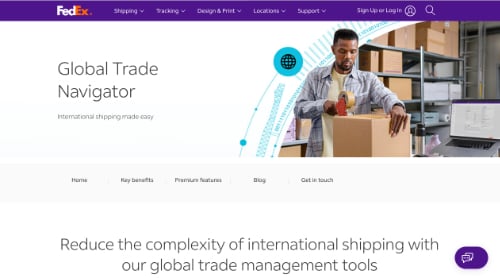
- Frictionless Cross-Border Trade and Logistics: Moving physical goods and money across international borders is becoming drastically streamlined. FedEx has launched its Global Trade Navigator suite to demystify duties and taxes, while DHL Group and Alibaba.com have forged a strategic partnership to bring real-time, AI-powered freight forwarding quotes and bookings to small and medium-sized enterprises (SMEs). In fintech, platforms like Xflow and Mastercard are breaking down payment barriers in high-growth regions like India and East Africa.
- Omnichannel Marketing and Workflow Automation: Advanced martech integrations—such as Mntn linking its Performance TV connected TV ads directly into Klaviyo’s CRM and email workflows—are enabling hyper-targeted, multi-channel customer journeys. Coupled with automated tools for dropshipping (TopDawg’s Temu integration) and reputation management (RankRabbit AI), merchants now have access to unprecedented operational efficiency.
Chronology of Recent Product Releases and Strategic Partnerships
To understand the velocity of this week’s developments, it is helpful to trace the timeline of product announcements and enterprise rollouts as they hit the global market:
- Early September 2026:
- TopDawg launched its live Temu integration, allowing U.S.-backed dropshippers and retailers to seamlessly sync inventory and manage multi-channel orders.
- RankRabbit AI expanded its brand visibility suite by introducing Reputation AI, automating real-time sentiment analysis and review responses.
- Lightsage secured $4 million in funding led by Nexus Venture Partners to develop its growth stack and analytics platform for AI software agents.
- Mastercard and Flowcart joined forces to embed secure card payments directly into WhatsApp and conversational social commerce flows across East Africa, beginning in Kenya.
- Mid September 2026:
- FedEx Corp. officially debuted its comprehensive Global Trade Navigator suite, featuring Shopify integrations and automated HS code classification tools.
- DHL Group and Alibaba.com announced a landmark partnership to embed DHL Global Forwarding capabilities into Alibaba’s agentic AI platform, Accio.
- Ant International, Visa, and Mastercard made headlines by initiating collaborative standards for AI agent payment security, focusing on entity verification and behavioral monitoring.
- M11 Labs launched its agentic trust platform and the OpenMarket marketplace built on the Universal Commerce Protocol to prevent brand manipulation by rival AI bots.
- Amazon Ads and OpenAI launched their highly anticipated U.S. pilot allowing brands to run conversational advertising campaigns natively within ChatGPT.
- Instacart introduced Clementine, a North American AI grocery shopping assistant, alongside new retail partners for its white-label Cart Assistant.
- Mastercard scaled its AI shopping capabilities further by unveiling Agent Connect and expanding its Agent Suite for merchants.
- Xflow expanded its fintech offerings by enabling global businesses to seamlessly collect payments from India across cards, bank transfers, and UPI.
- Telesign and B2Metric combined predictive analytics with secure WhatsApp and email messaging APIs to supercharge conversational commerce.
- Jungle Scout released AI Solutions (including Ask Cobalt and the Jungle Scout MCP), enabling Amazon sellers to query performance data through tools like ChatGPT, Claude, and Microsoft Copilot.
- Shipt rolled out Ask Shipt, giving same-day delivery users conversational access to recipes, photo uploads, and catalog searches.
- SurveyMonkey rounded out the week’s releases by deploying its comprehensive AI Analysis Suite, offering conversational survey interaction and automated thematic categorization of open-ended text.
Supporting Data and Technical Architecture
The underlying technology driving these releases relies on complex API integrations, large language models (LLMs), and real-time data parsing. Below is a detailed breakdown of how key platforms are structured to support the modern merchant:
| Company / Tool | Core Function | Key Integration / Technology | Target Audience |
|---|---|---|---|
| FedEx Global Trade Navigator | International shipping & customs compliance | Shopify API, Ship Manager, Duty & Tax App | Global e-commerce merchants |
| DHL & Alibaba.com (Accio) | AI-powered freight forwarding quotes & bookings | DHL Global Forwarding API + Alibaba Accio Platform | Small & Medium Enterprises (SMEs) |
| Ant International, Visa, Mastercard | AI agent payment standards & entity validation | Cross-border financial gateway protocols | Fintechs and autonomous agents |
| M11 Labs (OpenMarket) | Real-time AI agent accuracy & threat detection | Universal Commerce Protocol (UCP) | Brands navigating agentic search |
| Amazon Ads & OpenAI | Conversational advertising within generative chat | ChatGPT API & Amazon Ads Manager | U.S. advertisers & brands |
| Instacart (Clementine) | AI-powered grocery shopping and meal planning | Instacart Marketplace & white-label Cart Assistant | North American grocery shoppers & retailers |
| Mastercard Agent Connect | Unified integration for merchants to transact with AI | Mastercard Agent Suite | Merchants, digital platforms, and payment providers |
| Lightsage | Growth stack, attribution, and agent analytics | Large-scale LLM answer engine simulations | Internet software & AI-driven companies |
| Mntn & Klaviyo | Cross-channel ad exposure and CRM automation | Connected TV (Performance TV) + Klaviyo API | B2C and DTC marketers |
| Xflow | Cross-border collections from Indian customers | Cards, bank transfers, and UPI routing | Global businesses without local Indian entities |
| Mastercard & Flowcart | Conversational checkout via messaging apps | WhatsApp Business API + Card tokenization | Merchants in Kenya, Nigeria, South Africa |
| Jungle Scout (AI Solutions) | Amazon performance research and data querying | Ask Cobalt & Jungle Scout MCP (Claude, ChatGPT) | Amazon third-party sellers |
| TopDawg & Temu | Multi-channel dropshipping and catalog syncing | Temu Marketplace API + U.S. Supplier Network | Online retailers and marketplace sellers |
| RankRabbit Reputation AI | Automated review monitoring and sentiment analysis | Multi-platform review scrapers and LLM drafting | Local and digital brand managers |
Official Responses and Industry Perspectives
The rapid transition toward automated, AI-driven commerce has prompted executives across logistics, fintech, and retail technology to voice their strategic visions for the future.
Industry analysts note that the collaboration between DHL and Alibaba.com marks a critical turning point for B2B cross-border trade. By bridging Alibaba’s Accio agentic platform with DHL’s physical logistics backbone, SMEs are no longer burdened by the friction of manual freight rate inquiries. Business leaders can now evaluate, compare, and book international freight shipments within seconds through conversational prompts.
In the financial sector, the joint initiative between Ant International, Visa, and Mastercard underscores a vital security imperative. As autonomous software agents begin executing financial transactions on behalf of human users, traditional fraud detection models are insufficient. By establishing a "know your agent" standard, these financial heavyweights are attempting to preemptively secure the multi-trillion-dollar machine-to-machine economy against bot manipulation and unauthorized spending.
Meanwhile, the advertising sector is watching the Amazon Ads and OpenAI partnership closely. Moving beyond static banner ads and sponsored search results, conversational advertising within platforms like ChatGPT changes the fundamental nature of consumer discovery. Advertisers are no longer merely bidding on keywords; they are training their brand profiles to participate naturally in consumer advisory dialogues.

Similarly, platforms like Mastercard (with Agent Connect) and M11 Labs (with OpenMarket) are emphasizing merchant control. Executives at Mastercard have stressed that while AI agents will drive discovery, human merchants must retain ultimate authority over pricing, inventory rules, brand identity, and customer relationships.
Implications for Merchants and the Future of E-Commerce
For online merchants, direct-to-consumer (DTC) brands, and marketplace sellers, these sweeping updates carry profound operational and strategic implications:
1. Adaptation to Agentic SEO and Brand Defense
Traditional search engine optimization (SEO) focused on ranking for human search queries on Google. Today, merchants must optimize for "Answer Engines" and AI shopping assistants like ChatGPT, Claude, and specialized tools like Jungle Scout’s MCP. If an AI agent does not recommend your product during a consumer’s conversational query, your brand risks total invisibility. Furthermore, tools like M11 Labs’ trust platform highlight the danger of rogue competitor agents attempting to misrepresent brand claims, making real-time fact-checking and reputation monitoring (such as RankRabbit’s Reputation AI) essential.

2. Streamlined Cross-Border Expansion
High regulatory hurdles, complex tariff structures, and localized payment fragmentation have historically deterred smaller merchants from going global. With FedEx’s Global Trade Navigator, Xflow’s simplified Indian collections, and DHL’s AI freight tools, the barriers to international entry are crumbling. Merchants can now accurately calculate duties at checkout on Shopify and collect local payments (such as UPI in India or card payments via WhatsApp in East Africa) without establishing expensive foreign corporate entities.
3. Deepening Omnichannel Synergy
The integration of connected TV advertising (Mntn) with email and SMS CRM workflows (Klaviyo), alongside conversational commerce apps (Flowcart/WhatsApp) and predictive analytics (Telesign/B2Metric), proves that siloed marketing is obsolete. Winning brands will be those that can capture customer intent across a generative AI chat interface, trigger an automated multichannel retention sequence, and fulfill the order seamlessly through local or dropshipped supply chains (TopDawg/Temu).
Summary
The e-commerce ecosystem of late 2026 is defined by unprecedented automation and intelligence. Merchants who embrace these emerging AI tools, prioritize agent-friendly product data structures, and leverage frictionless cross-border networks will find themselves well-positioned to thrive in the new era of digital commerce. Those who remain tied to legacy, manual workflows risk being left behind in a marketplace dictated by autonomous speed and intelligence.



