







In the competitive landscape of high-fidelity audio, Fyne Audio has carved out an enviable reputation in a remarkably short window of time. Known primarily for its sophisticated passive loudspeakers that span from entry-level enthusiast tiers to high-end flagship systems, the Scottish manufacturer has finally made the leap into the active speaker market. The result is the Fyne Audio Cubitt 5—a wireless stereo system that promises to bring the company’s signature "IsoFlare" technology to a wider, more convenient audience.
At a price point of $749 (£549 / AU$1,499), the Cubitt 5 occupies a crowded, highly contested space. While it boasts impressive acoustic engineering and a refined aesthetic, our extensive testing reveals a product of stark contrasts: a system that is undeniably superior in its musical delivery, yet hindered by questionable usability choices.
The Evolution of Fyne: A Brief Chronology
Fyne Audio’s rise has been nothing short of meteoric. Founded by a team of industry veterans formerly of Tannoy, the brand focused its initial efforts on the "IsoFlare" point-source driver configuration. This design, which places the tweeter at the acoustic center of the mid/bass driver, is intended to provide a more cohesive, time-aligned soundstage.
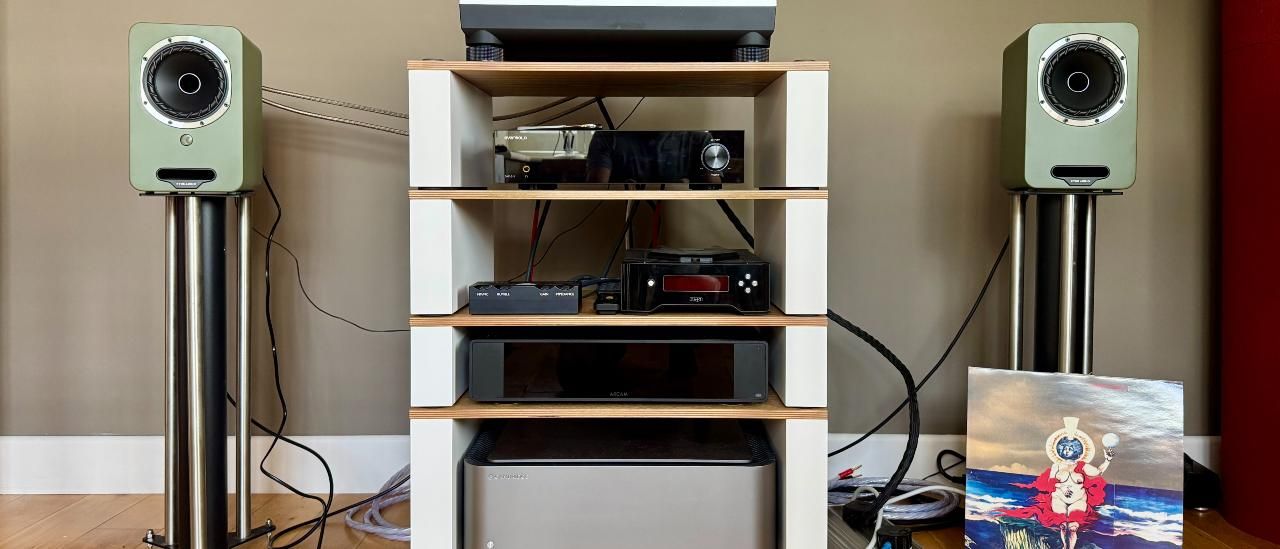
Until the release of the Cubitt 5, Fyne’s catalog was strictly passive. The development of the Cubitt 5 marks a strategic pivot for the company. By incorporating 240 watts of internal Class D amplification and a suite of digital-to-analog conversion (DAC) capabilities, Fyne is clearly aiming to capture the modern listener who demands convenience without sacrificing the "audiophile" character that the brand has spent the last decade building.
Technical Specifications and Engineering Prowess
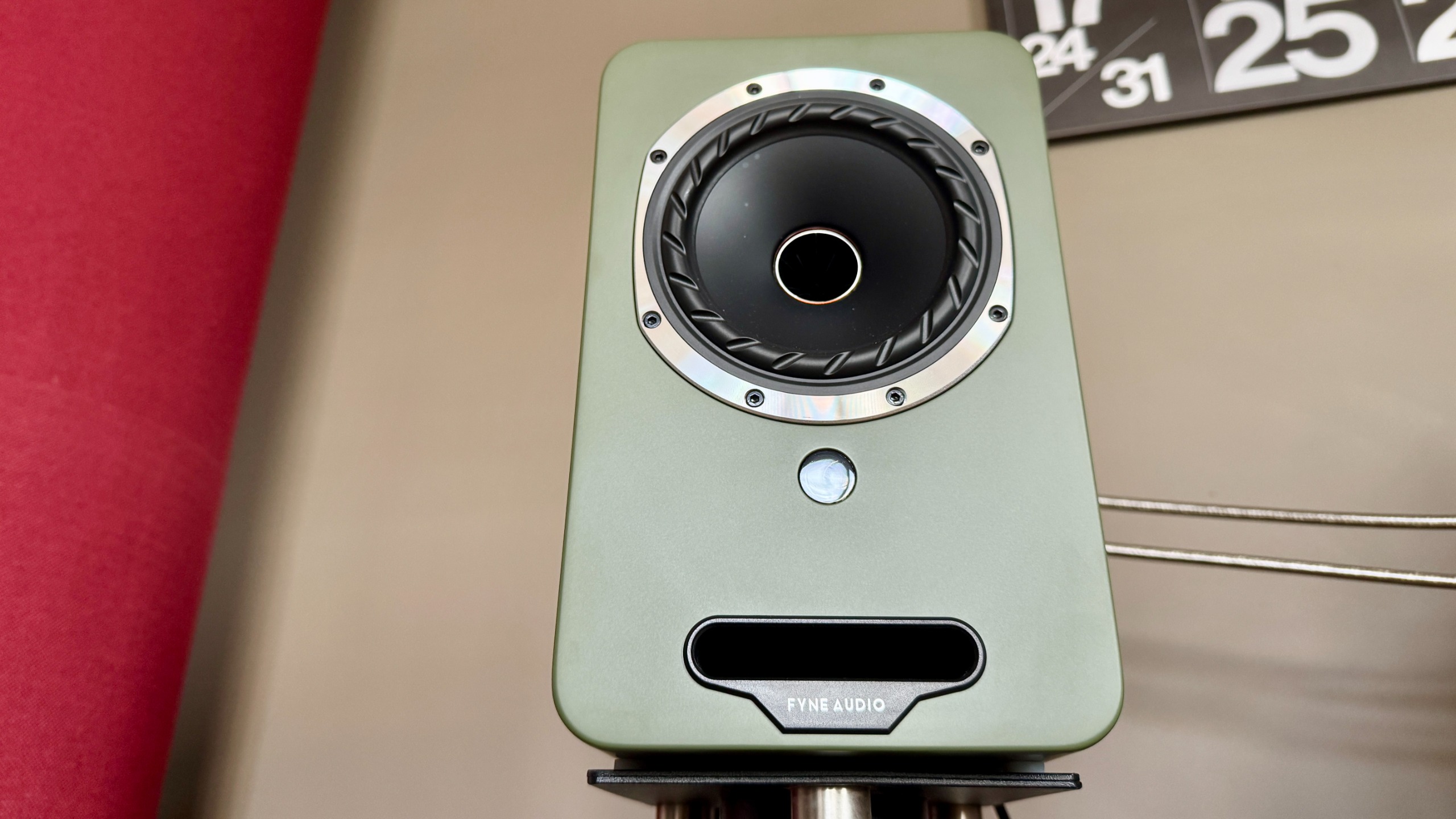
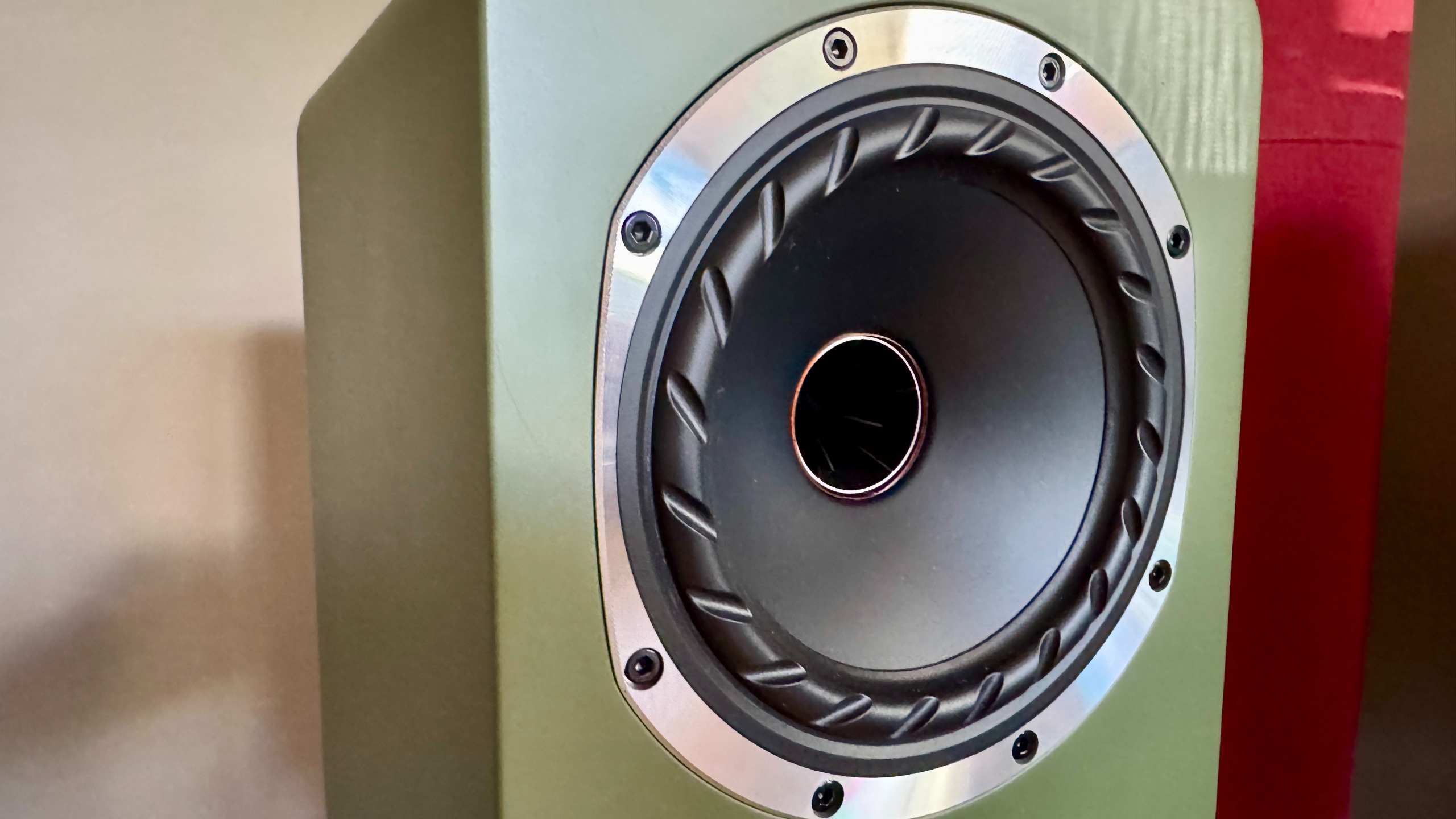
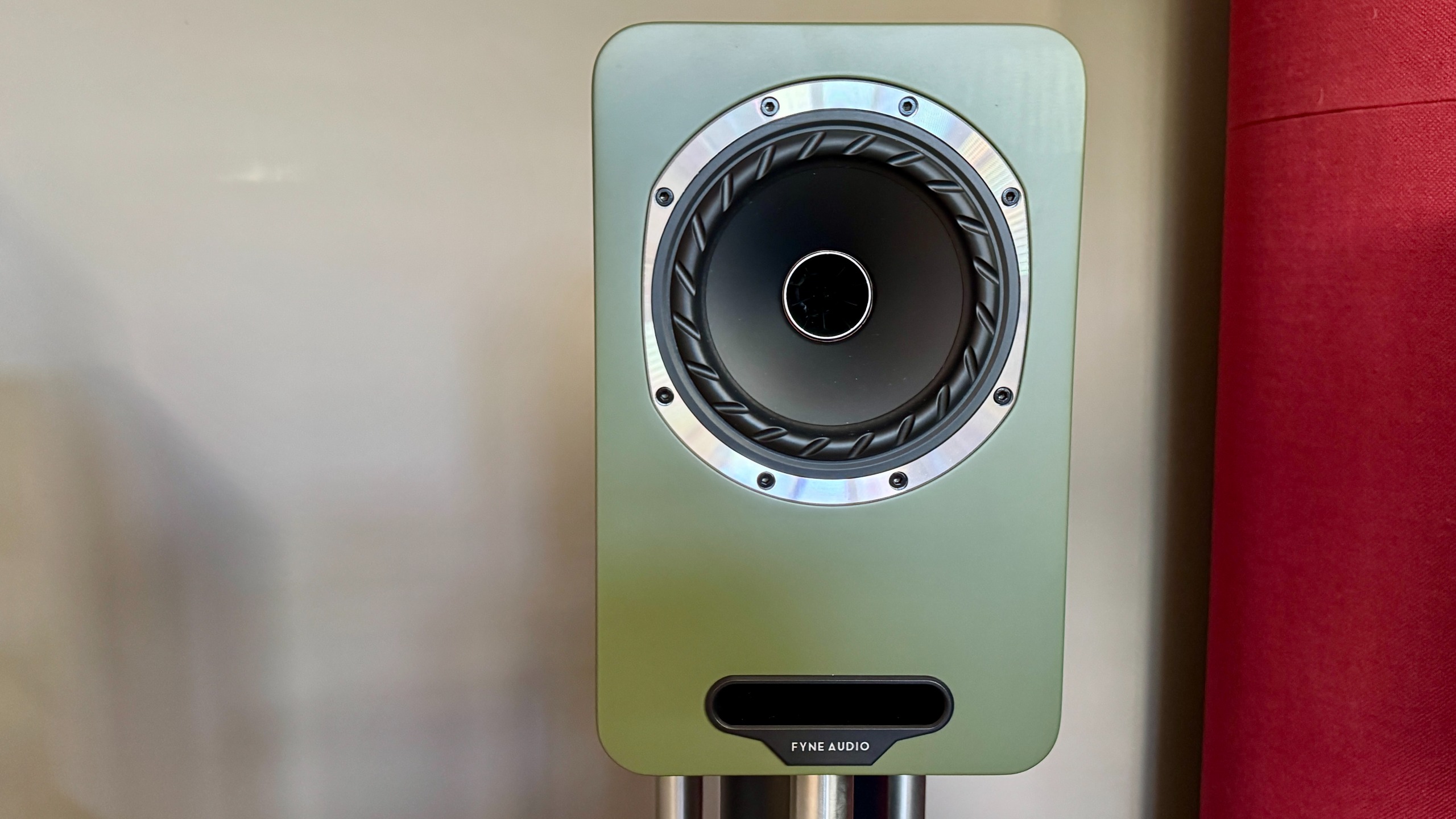
The Cubitt 5 is not merely a pair of powered speakers; it is a fully integrated system. The core of its performance lies in its 19mm titanium dome tweeter, which is nested within a 127mm multi-fiber mid/bass driver. This "IsoFlare" architecture is designed to optimize sound dispersion, ensuring that the listener receives a consistent, point-source frequency response regardless of their position in the room.
To further minimize resonance and distortion, Fyne has employed its proprietary "FyneFlute" surround design, a distinctive pattern on the driver’s edge that mitigates unwanted energy during movement. The system is bi-amplified, with each of the four drivers receiving 60 watts of power. A front-firing bass reflex slot complements this, with the company claiming an impressive frequency response of 43Hz to 34kHz.
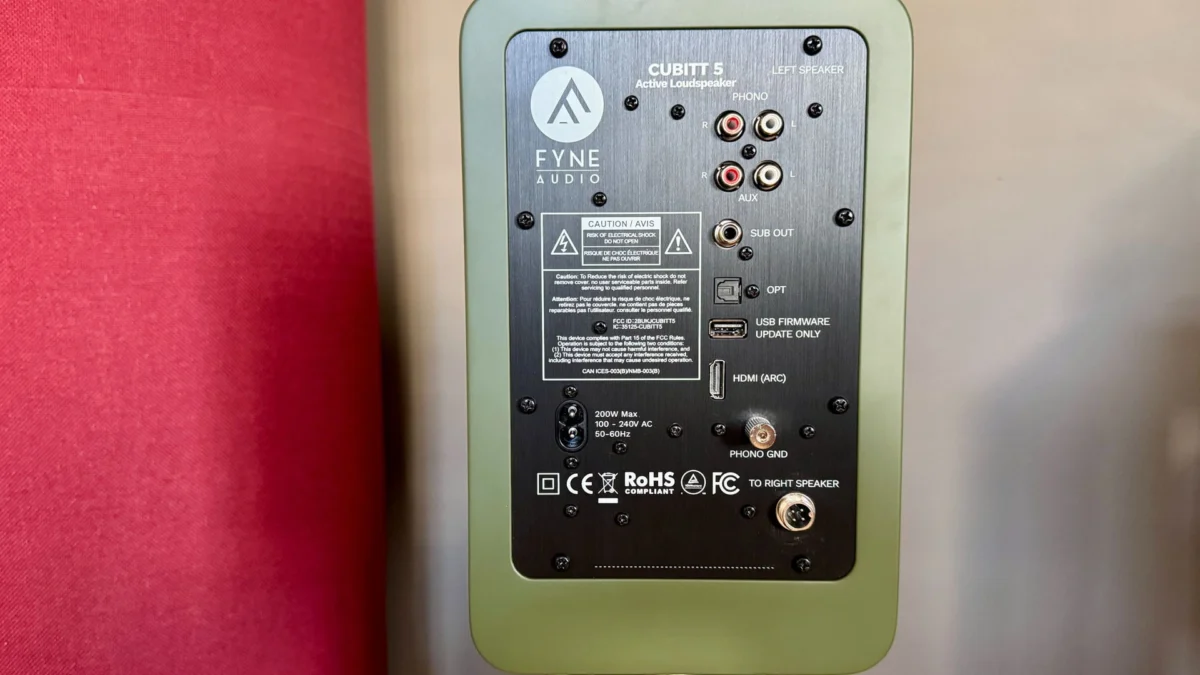
The connectivity suite is similarly robust. The primary speaker acts as the command center, featuring:
- Bluetooth 5.0: With aptX HD support for high-resolution wireless streaming.
- Analog Connectivity: Including a dedicated moving magnet (MM) phono stage for vinyl enthusiasts and a standard line-level RCA input.
- Digital Connectivity: Optical input and HDMI ARC, making it a viable alternative to traditional soundbars for television audio.
- Processing: A 24bit/96kHz DAC handles all incoming digital signals.
The Listening Experience: Sonic Performance
When it comes to pure acoustic delivery, the Cubitt 5 is a masterclass in its price bracket. Upon powering the system, however, the user is greeted by an audible, persistent hiss—a technical oversight that is noticeable in quiet rooms. While this background noise vanishes the moment a track begins, it creates an initial, unfavorable impression.
Once the music starts, however, the technical proficiency of the system becomes clear. Testing the speakers with a variety of sources—ranging from high-resolution digital files to vinyl records—revealed a balanced, coherent, and highly articulate soundstage.

Midrange and Treble Dynamics
The midrange performance is arguably the system’s greatest strength. Vocals are rendered with an eloquence and emotional weight that one rarely finds in wireless systems of this size. The "IsoFlare" driver does its job effectively, maintaining a sense of unity even during complex musical passages. The top end is energetic and articulate; while it leans slightly toward the aggressive side on certain recordings, it manages to avoid becoming harsh or fatiguing.
Low-Frequency Authority
Fyne’s claim of 43Hz extension is ambitious and perhaps slightly optimistic in real-world conditions, but the bass remains punchy, taut, and well-integrated. The system displays a remarkable level of dynamic headroom. During orchestral swells or heavy electronic tracks, the Cubitt 5 maintains its composure, refusing to collapse under the weight of volume. It is a system that thrives on dynamics, capturing both the subtle harmonic variations of an acoustic guitar and the authoritative impact of a drum kit.
The Usability Deficit: A Point of Contention
While the sound quality is top-tier, the user experience (UX) is where the Cubitt 5 falters. In an era where even entry-level wireless speakers often feature intuitive control apps or physical on-unit controls, the Cubitt 5 feels strangely archaic.
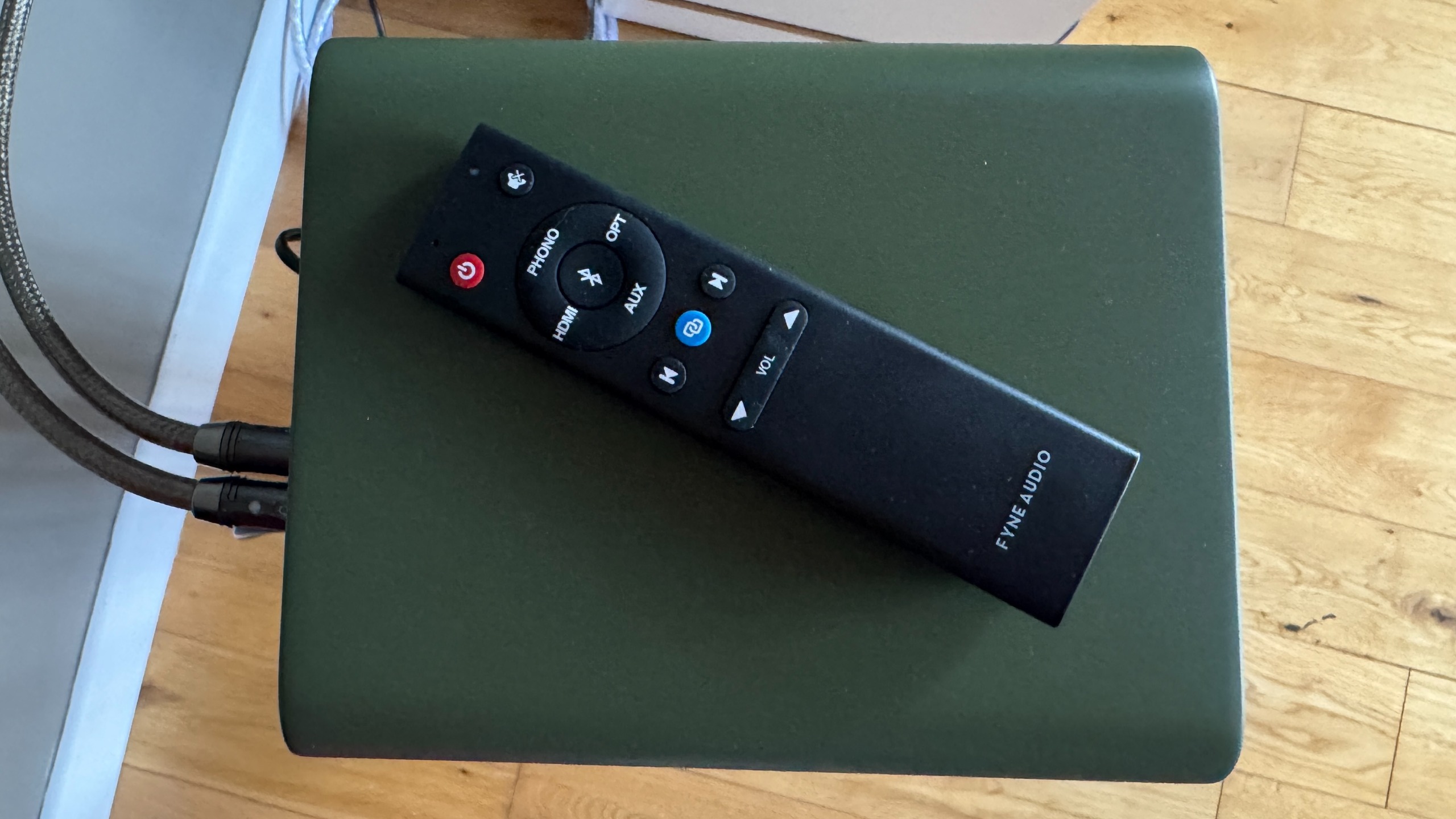
There are no buttons or volume knobs on the cabinets themselves. Instead, the user is forced to rely entirely on a supplied remote handset. This remote is, frankly, a disappointment. It feels light, cheap, and lacks the tactile quality one would expect from a $750 piece of high-end hardware. Compounding this issue is the lack of visual feedback. There is no screen or detailed LED array to indicate which input is selected or what the current volume level is. The user is left to guess, relying on a simple blue-and-red LED indicator that does little to communicate the status of the system.
Comparison and Market Context
How does the Cubitt 5 stack up against its peers?
- Cambridge L/R S: This system is more competitively priced and offers a more refined, polished user experience. While it lacks the sheer scale and raw output power of the Cubitt 5, many users may find its design and ease of use superior for everyday listening.
- Ruark Audio MR1 mk3: A long-time favorite for desktop setups. It is more compact and significantly cheaper than the Fyne offering. If your goal is a space-saving desktop solution, the Ruark remains the gold standard, though it cannot match the room-filling authority of the Cubitt 5.
Implications for the Future of Fyne Audio
The Cubitt 5 represents a "first-generation" attempt at an active system. While the acoustic engineering is undeniably brilliant, the surrounding hardware—specifically the remote and the lack of a control interface—suggests that Fyne Audio may have prioritized the "sound" over the "system" aspect.
For the company, the lesson is clear: in the modern market, audio enthusiasts demand more than just fidelity. They demand a seamless, intuitive, and premium experience. The hiss at idle and the lackluster remote control are not just minor grievances; they are barriers to entry for a product that is otherwise a sonic powerhouse.
Conclusion: Should You Buy It?
The Fyne Audio Cubitt 5 is a product of duality. If you are an audiophile who values sound quality above all else, and you have the patience to overlook a few interface frustrations, the Cubitt 5 is arguably one of the best-sounding systems available under $750. Its ability to create an expansive, detailed, and punchy soundstage from such compact cabinets is a testament to Fyne’s engineering pedigree.
However, if you are looking for a "smart" system or a seamless desktop companion, the drawbacks—the audible hiss, the lack of on-unit controls, and the cheap remote—may prove to be deal-breakers.
Reasons to Buy:
- Exceptional sonic detail and soundstaging.
- Impressive dynamic headroom that doesn’t distort at high volumes.
- Beautiful cabinet finishes and high-quality build materials.
- Versatile connectivity, including a competent built-in phono stage.
Reasons to Avoid:
- Audible "hiss" when the system is idle.
- No on-unit controls or companion app, making the cheap remote your only interface.
- Lack of feedback regarding volume and input selection.
- Not ideal for near-field desktop use due to the idle noise.
Ultimately, the Cubitt 5 is a bold first step for Fyne Audio. It proves that the company can master the complexities of active amplification and digital processing. With a few refinements to the user interface and noise floor, the next iteration of this line could easily become the industry benchmark. For now, it remains a fantastic-sounding, albeit slightly temperamental, introduction to the world of active Fyne.