










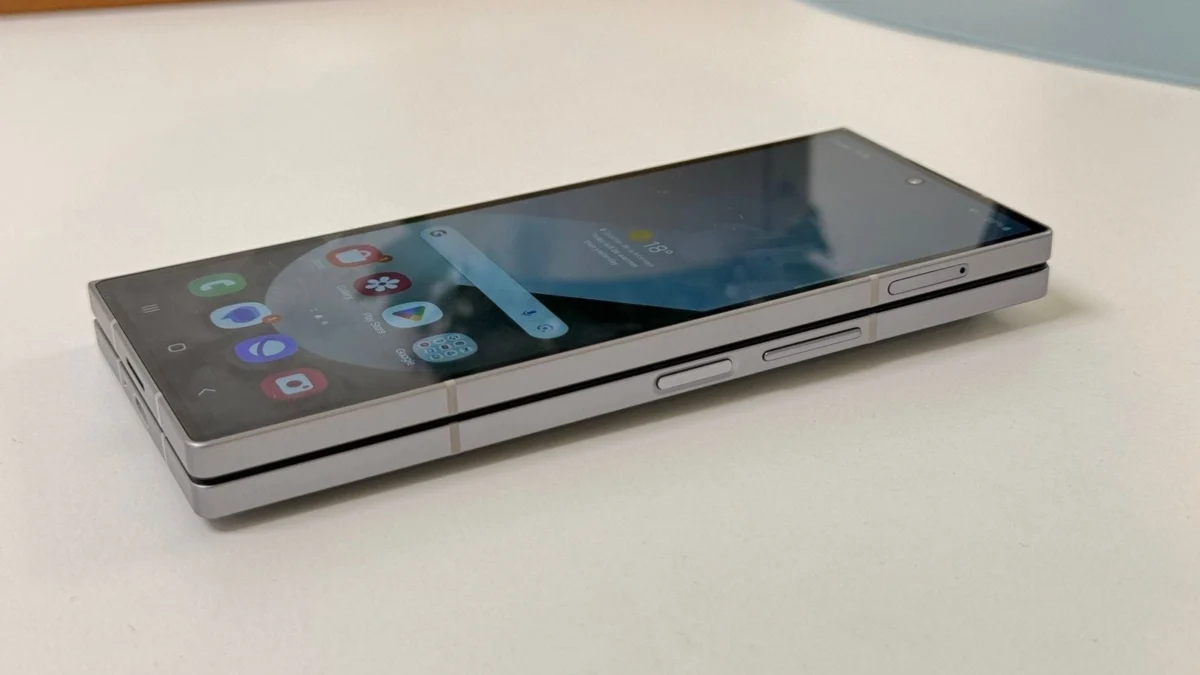
In the rapidly evolving landscape of mobile technology, the "foldable" form factor has transitioned from a futuristic experiment to a mature, high-performance segment. For years, Samsung Electronics has held the mantle as the primary architect of the book-style foldable market. However, as competitors like Oppo, Honor, and Vivo push the boundaries of industrial design, the pressure on Samsung to innovate has intensified.
With the upcoming launch of the Galaxy Z Fold 7, industry insiders suggest that Samsung is preparing a definitive response to its rivals. By focusing on the one metric that has remained elusive for the Z Fold series—physical thickness—Samsung is aiming to reclaim its status as the industry leader by potentially launching the world’s slimmest book-style foldable.
Main Facts: The Numbers Behind the Design
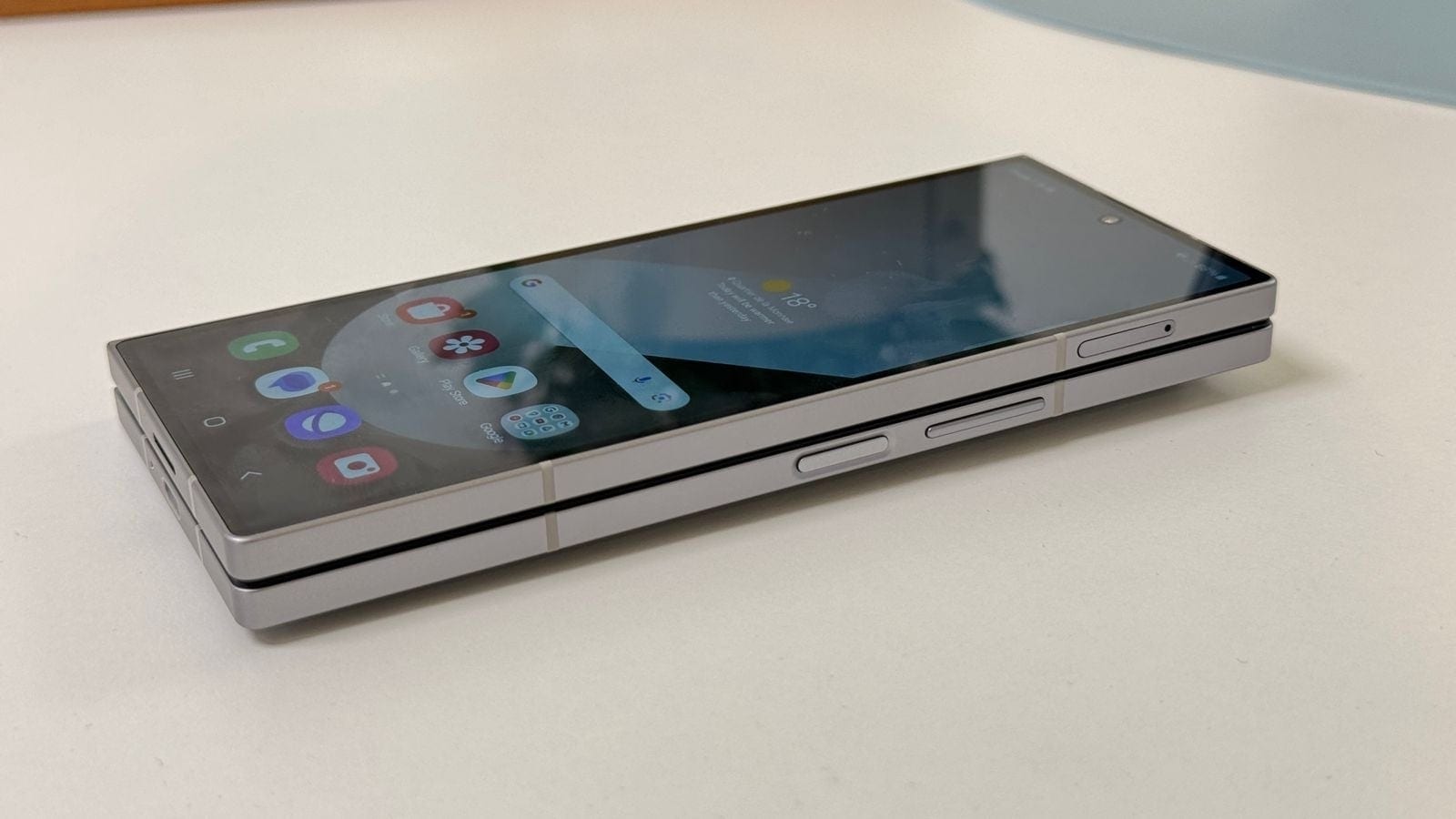
Recent leaks, most notably from industry tipster Ice Universe, have provided a tantalizing glimpse into the hardware specifications of the upcoming Galaxy Z Fold 7. The device is expected to reach unprecedented levels of portability, aiming for an unfolded thickness of just 3.9mm and a folded profile of 8.9mm.
To put this into perspective, the current iteration, the Galaxy Z Fold 6, measures 5.6mm when unfolded. A reduction of nearly 2mm in such a compact chassis is a monumental engineering feat, requiring advancements in hinge design, battery density, and material science. By hitting these targets, the Z Fold 7 is poised to undercut the Oppo Find N5, which currently holds the industry benchmark at 4.2mm unfolded.
The device is also expected to feature a expansive 6.5-inch cover display and an 8-inch main foldable panel, offering a more immersive, tablet-like experience. Under the hood, the Z Fold 7 will likely be powered by the Qualcomm Snapdragon 8 Elite processor, ensuring that the reduction in size does not come at the cost of the raw, flagship-grade performance that users expect from the "Z" series.
A Chronology of Evolution: From Thick Prototypes to Refined Tools
The journey of the Galaxy Z Fold series is a testament to the pace of mobile innovation.
- 2019: The Genesis: The original Galaxy Fold arrived as a proof-of-concept, plagued by durability concerns and a bulky, awkward hinge that left a visible gap. It was thick, heavy, and fragile, but it set the stage for a new category.
- 2020–2022: The Iterative Refinement: With the Z Fold 2 and 3, Samsung introduced the "Hideaway Hinge," refined the inner glass protection, and began standardizing water resistance. These models were still noticeably thicker than traditional smartphones, earning them the nickname "brick-like" among critics.
- 2023: The Slimming Down: The Z Fold 5 marked a turning point with a redesigned hinge that allowed the device to fold completely flat, eliminating the wedge-shaped gap that had defined previous generations.
- 2024: The Productivity Powerhouse: The Z Fold 6 leaned into durability and AI integration, further narrowing the chassis while maintaining a focus on thermal management and external screen ergonomics.
- 2025: The Ultra-Slim Ambition: As we approach the launch of the Z Fold 7, the focus has shifted from mere "functionality" to "aesthetics and portability." The industry is moving toward a future where a foldable phone is indistinguishable from a standard flagship in one’s pocket.
Supporting Data: Engineering the "Invisible" Phone
Achieving a 3.9mm unfolded thickness is not merely about shaving off metal; it is a complex engineering challenge. To maintain a 4400mAh battery capacity while shrinking the frame, Samsung is likely utilizing new high-density silicon-carbon battery cells. These batteries provide greater energy density than traditional lithium-ion batteries, allowing for a thinner physical form factor without sacrificing battery life.
Furthermore, the "nearly invisible crease" mentioned in recent reports suggests a pivot toward a new, water-drop hinge mechanism. By allowing the display to curve into a wider, teardrop shape when folded, the tension on the ultra-thin glass is reduced, minimizing the indentation that has been a point of contention for years.
Expected Specifications Table
| Feature | Galaxy Z Fold 7 Specification |
|---|---|
| Processor | Snapdragon 8 Elite |
| Unfolded Thickness | 3.9mm |
| Folded Thickness | 8.9mm |
| Main Display | 8-inch Foldable AMOLED |
| Cover Display | 6.5-inch AMOLED |
| RAM | 12GB LPDDR5X |
| Storage | Up to 1TB UFS 4.0 |
| Rear Camera | 200MP (Main) + 12MP (Ultrawide) + 10MP (Telephoto) |
Official Responses and Industry Outlook
While Samsung has maintained its characteristic silence regarding unannounced hardware, the company’s recent patent filings for "Flex Hinge" improvements and thin-film display substrates suggest a clear path toward the Z Fold 7’s reported design.
Industry analysts, such as those at IDC and Counterpoint Research, observe that Samsung is facing a "plateau" in the foldable market. Growth has slowed as the initial excitement of the form factor has worn off, replaced by a demand for premium hardware that does not compromise on weight or pocketability. Samsung’s potential pivot to an ultra-slim design is seen as a strategic move to re-energize its premium segment and defend its market share against aggressive Chinese OEMs like Oppo and Xiaomi.
Implications: What This Means for the User
The transition to a 3.9mm unfolded profile has profound implications for the user experience.
1. Ergonomics and Comfort
The primary deterrent for many potential foldable buyers has been the weight and the "heft" of carrying a phone that feels like two devices stacked together. A sub-9mm folded thickness would put the Z Fold 7 in the same category as flagship phones like the Galaxy S25 or iPhone 16 Pro, significantly increasing the device’s appeal to the mainstream market.

2. Enhanced Productivity
With a larger 8-inch main display and a thinner, more manageable chassis, the Z Fold 7 becomes a more capable tool for professionals. The reduction in the display crease, combined with the power of the Snapdragon 8 Elite, suggests that multi-tasking, video editing, and document annotation will become fluid and distraction-free.
3. Market Dynamics
If Samsung successfully delivers on these promises, it will effectively "neutralize" the current marketing advantage held by competitors who promote their devices solely on the basis of being "the thinnest." This sets a new baseline for the industry, potentially forcing all manufacturers to prioritize thinness in their R&D cycles for 2026 and beyond.
Conclusion: The Future of Folding
The Samsung Galaxy Z Fold 7 represents more than just a hardware update; it is a declaration of intent. By tackling the challenge of physical thickness, Samsung is proving that it can balance its history of durability and reliable software with the modern demand for ultra-slim aesthetics.
As the launch date approaches—expected within the next two months—the anticipation surrounding this device continues to mount. Whether it successfully takes the crown from the Oppo Find N5 remains to be seen, but one thing is clear: the era of the "thick" foldable is rapidly coming to an end. For the consumer, this is a win-win scenario, as the competition for the title of "world’s slimmest" drives the innovation that will ultimately lead to the perfect foldable smartphone.
Stay tuned for further updates as we continue to track the development of the Galaxy Z Fold 7. For the latest in mobile technology, be sure to follow our WhatsApp Channel for real-time notifications and in-depth analysis.



