








In the rapidly evolving landscape of mid-range smartphones, the quest for the "perfect balance" between performance, aesthetic flair, and battery longevity has led manufacturers down diverse paths. Tecno, a brand known for pushing the boundaries of feature-per-dollar ratios, has officially unveiled its latest contender: the Tecno Pova 8. Building upon the legacy of the Pova 7, the new model introduces a bold shift in design philosophy and power management, though it arrives with a complex trade-off between innovation and technical regression.
Main Facts: Redefining the Powerhouse
The Tecno Pova 8 is defined primarily by its staggering 8,000mAh battery—a massive leap from the 6,000mAh capacity found in its predecessor. This capacity upgrade is the centerpiece of the device’s identity, aiming to cater to power users, mobile gamers, and those who prioritize long-term reliability over slim form factors.
The device features:
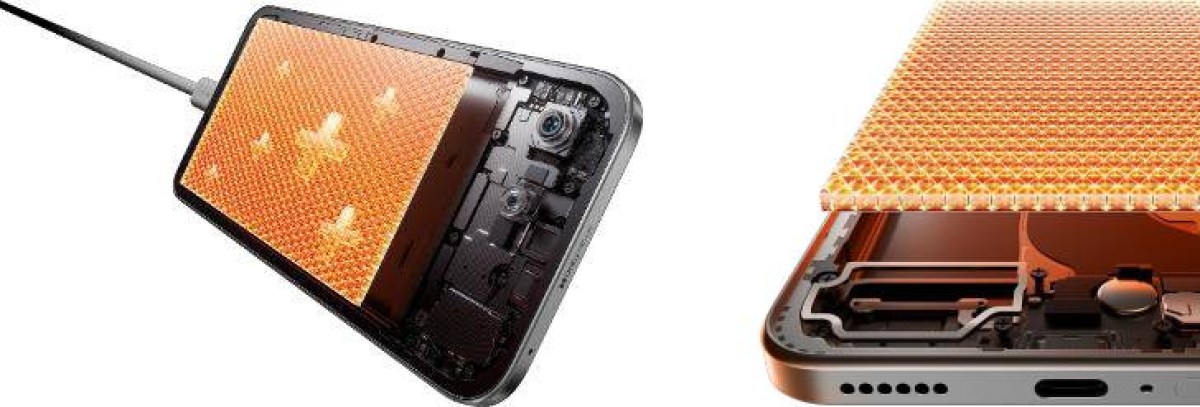
- Massive Battery Performance: An 8,000mAh cell certified by TÜV SÜD for two-day longevity and over 2,000 charging cycles, theoretically ensuring six years of healthy battery life.
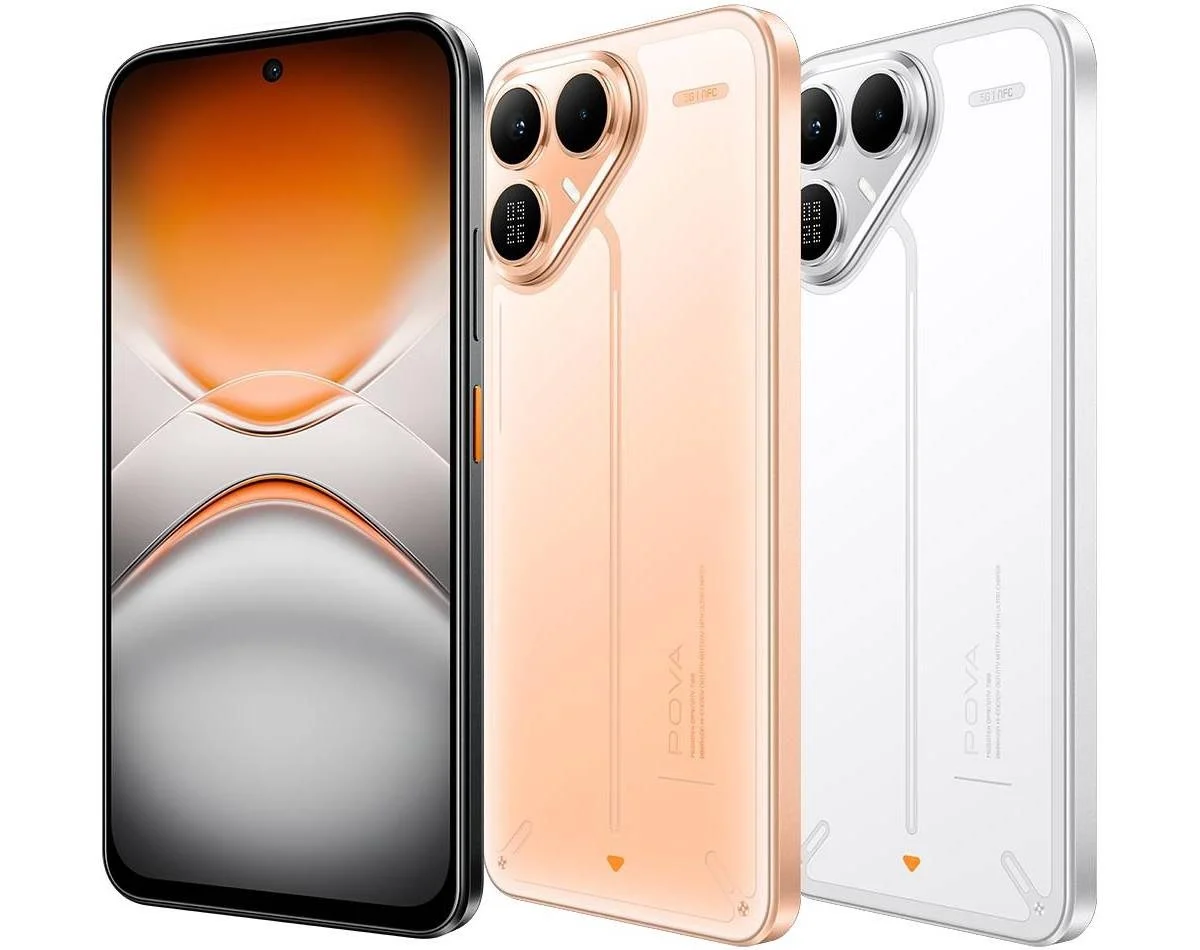
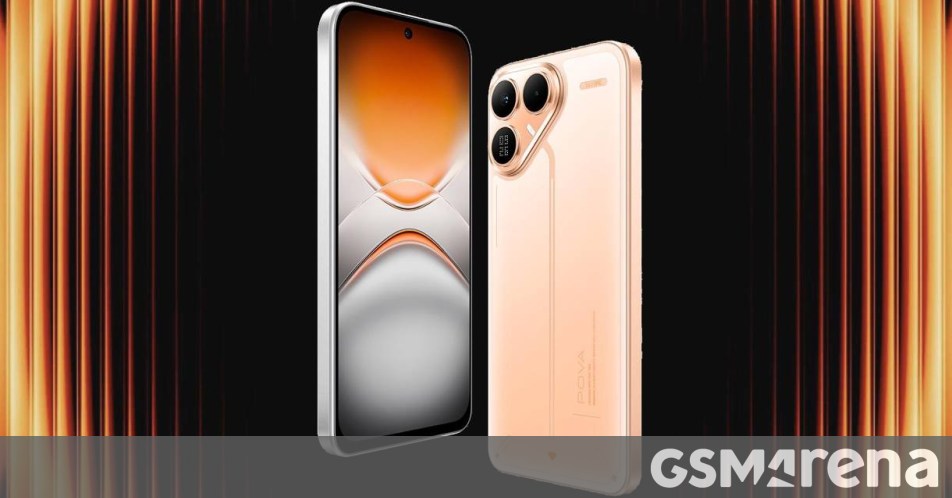
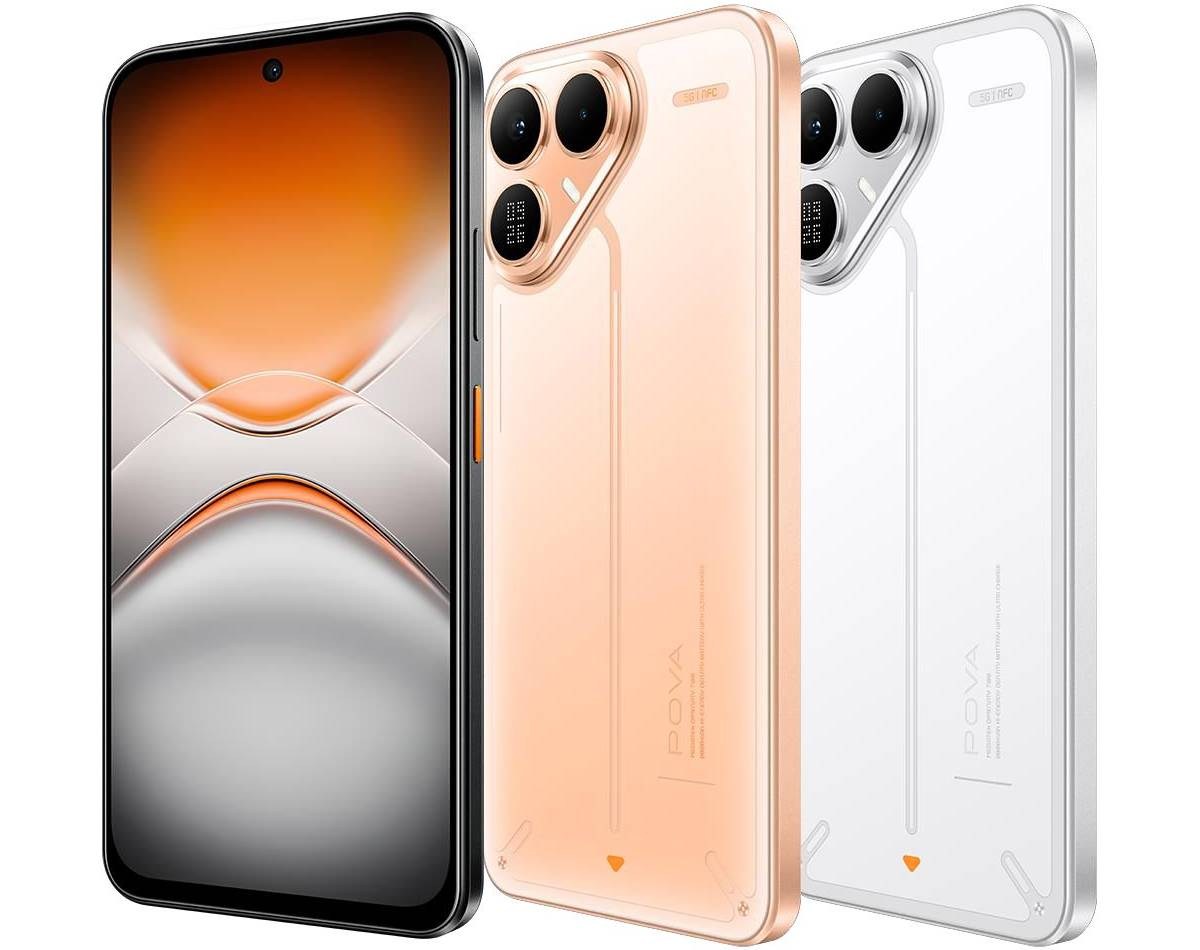
- The "Alive Matrix" Display: A unique dot-matrix screen embedded within the rear camera housing, serving as a functional and stylistic evolution from the Delta Light Interface seen on the Pova 7.
- Optics: A single 50MP Sony Lytia 600 primary camera, utilizing 2x in-sensor zoom capabilities.
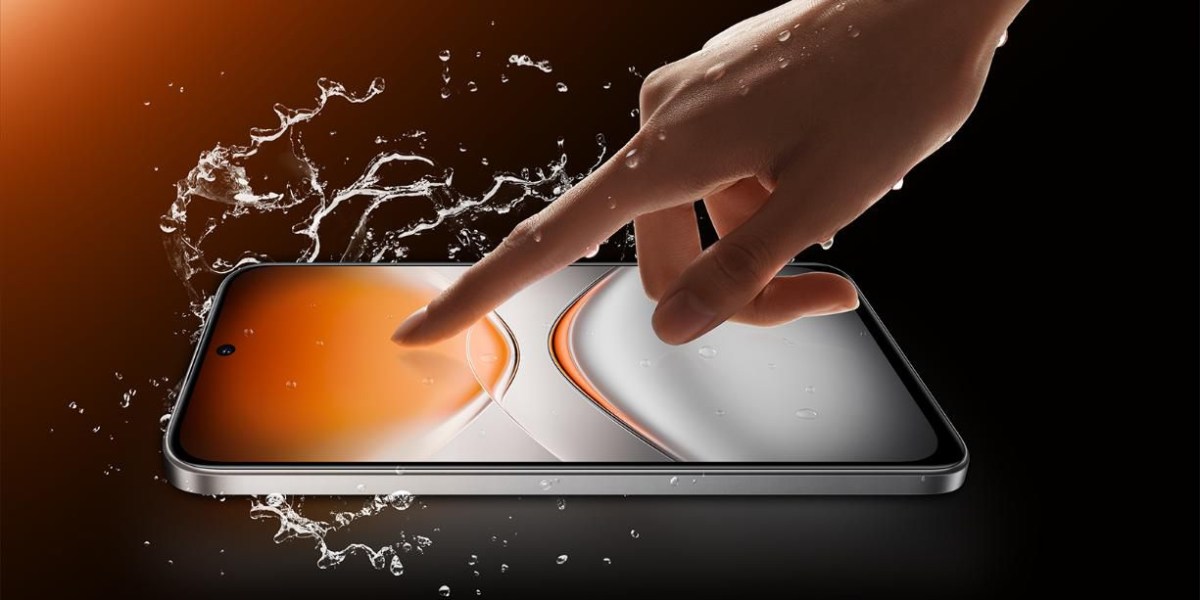
- Display Tech: A 6.76-inch IPS LCD panel with a 144Hz refresh rate, featuring "Wet & Oily Finger Touch Recognition 2.0."
- Charging: 45W wired fast charging and 10W reverse charging capabilities.
- Operating System: Ships with HiOS 16 based on Android 16.
Chronology: From Delta Light to Alive Matrix
To understand the Pova 8, one must look at the recent lineage of the Pova series. The Pova 7 made waves by adopting a "Nothing-esque" design language—the Delta Light Interface, which utilized 104 individual LEDs to create a striking geometric aesthetic. It was a statement piece that prioritized visual identity.
With the Pova 8, Tecno has pivoted. While the triangular camera module remains, the focus has shifted from simple ambient lighting to the "Alive Matrix Display." This is not merely a light strip, but a functional dot-matrix interface that offers a level of interactivity previously unseen in this segment. This transition marks Tecno’s attempt to move from "copying" a trend to creating a proprietary hardware feature that blends utility with the brand’s signature cyberpunk aesthetic.
The release of the Pova 8 also highlights a shift in component selection. While the Pova 7 utilized the Dimensity 7300, the Pova 8 opts for the Dimensity 7100. This choice represents a deliberate calibration: moving to a slightly older semiconductor node (TSMC 6nm versus 4nm) suggests a focus on thermal stability and cost-efficiency to accommodate the massive battery architecture.
Supporting Data: Engineering the "6-Year Battery"
The primary selling point of the Pova 8 is its durability, specifically the longevity of its power source. By partnering with TÜV SÜD for rigorous testing, Tecno is attempting to change the consumer perception of "budget" devices as disposable electronics.
Battery Longevity and Heat Management
The claim of 2,000 charge cycles is significant. In standard lithium-ion applications, a battery often begins to degrade significantly after 500 to 800 cycles. By achieving a rating that sustains 80% capacity over 2,000 cycles, Tecno is marketing the Pova 8 as a long-term investment. To maintain this, the phone utilizes a substantial 15,000mm² graphite cooling sheet to dissipate heat from the Dimensity 7100 chipset, preventing thermal throttling during extended sessions.
Display and Touch Capabilities
The 6.76-inch screen is designed for high-intensity use. Beyond the 144Hz refresh rate, the inclusion of "Wet & Oily Finger Touch Recognition 2.0" addresses a common pain point for gamers and outdoor users. Whether one is eating, working in a kitchen, or caught in the rain, the display remains responsive—a feature often reserved for flagship-tier devices.
Camera Configuration
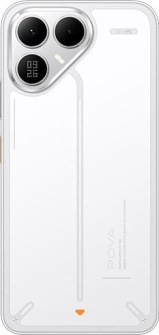
The camera setup is a study in "less is more." While the rear module features three physical circular cutouts, only one houses a lens. By opting for a high-quality 50MP Sony Lytia 600 sensor, Tecno has prioritized the quality of the primary shot over the inclusion of "junk" lenses (such as low-resolution depth or macro sensors). The 2x in-sensor zoom leverages the high pixel count to provide clear, cropped images that mimic optical zoom, a practical solution for a mid-range device.
Official Responses and Strategic Positioning
Tecno’s strategy with the Pova 8 appears to be a calculated trade-off. In public statements, the company has emphasized the "Total Experience" rather than raw benchmarking scores.
Regarding the removal of 30W wireless charging (a feature present in the Pova 7), Tecno representatives have pointed toward the sheer size of the 8,000mAh cell. Incorporating wireless charging into a device with such a massive battery would have likely resulted in excessive heat buildup and a prohibitively thick chassis. By prioritizing wired 45W charging, Tecno ensures that users can replenish half their battery in 35 minutes—a more practical metric for the target audience of this device.

The move to the Dimensity 7100, while technically a regression in manufacturing process (6nm vs 4nm), is described by Tecno as a "stable, mature platform." The company claims that through software optimization within HiOS 16, they have achieved "stable 90fps gameplay" in titles like Honor of Kings and Mobile Legends: Bang Bang. This indicates a shift in priority from synthetic performance (Geekbench scores) to sustained real-world frame rates in popular eSports titles.
Implications: The Future of Mid-Range Devices
The Tecno Pova 8 sends a clear signal to the market: the era of the "spec race" for thinness is over for the mid-range segment. Tecno is betting that consumers are becoming fatigued by daily charging and fragile hardware.
1. The Death of the "Three-Camera Myth"
By using a triangle-shaped camera island where only one lens is functional, Tecno is being refreshingly honest. It challenges the industry trend of cluttering the back of phones with useless 2MP macro lenses simply to make the phone look "pro." If this move is accepted by the market, it could pave the way for more minimalist, high-quality camera designs in the entry-to-mid-tier categories.
2. The Longevity Benchmark
If the 8,000mAh/2,000-cycle claim holds up, Tecno has created a new standard for budget devices. Typically, mid-range phones are replaced every 18–24 months. If a device is built to last six years, it could disrupt the secondary market and change how budget consumers view the value proposition of a new handset.
3. Software and Sustainability
Shipping with Android 16 (HiOS 16) out of the box is a strong move for a brand often criticized for its update cycle. However, the true implication here lies in the software’s ability to manage an 8,000mAh battery without bloatware that degrades performance over time. The Pova 8 will be a litmus test for whether HiOS can maintain its fluidity on an older 6nm chipset while managing the massive power reserves.
Conclusion
The Tecno Pova 8 is not a device for everyone. It is not for the photography enthusiast looking for a periscope zoom, nor is it for the user who demands the absolute latest 3nm chipset. It is, however, a masterclass in specialized engineering. By stripping away non-essential features like wireless charging and extra, low-utility camera lenses, Tecno has funneled all the cost and internal space into a massive battery and a unique interactive display.
As the smartphone market reaches a plateau in terms of yearly performance gains, companies like Tecno are finding that the "X-factor"—whether it be a 6-year battery life or a dot-matrix notification system—is what keeps brands relevant. The Pova 8 is a testament to the idea that a phone doesn’t have to be the fastest to be the most "alive." It simply has to keep going, and in that regard, the Pova 8 seems poised to be a marathon runner in a world of sprinters.
Whether this gamble on capacity and utility over raw, bleeding-edge speed will pay off depends on the consumer’s appetite for longevity. If the market shift continues toward sustainable, long-term tech, the Pova 8 might just become the blueprint for the next generation of mid-range powerhouses. For now, it stands as a bold, bulky, and undeniably clever device that refuses to compromise on its core mission: keeping the user connected, powered, and entertained for days on end.