







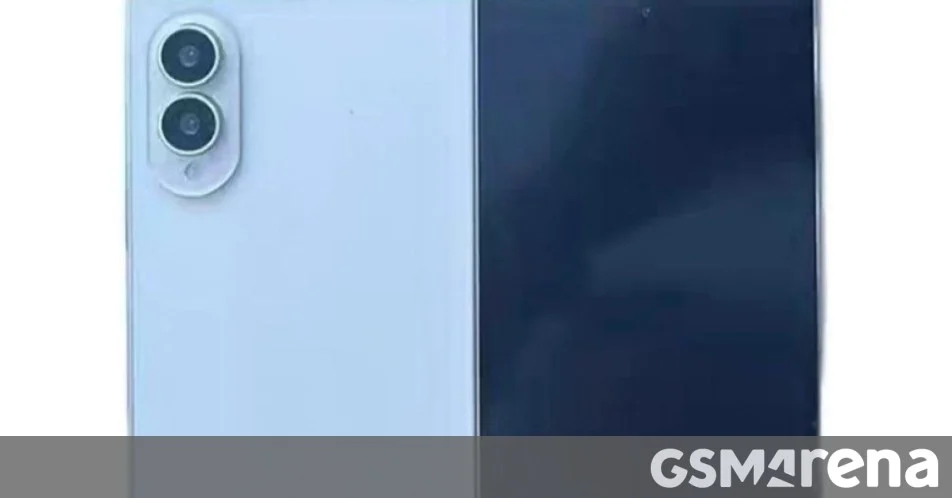
The landscape of foldable technology is on the precipice of a significant shift. Samsung, the undisputed pioneer of the foldable smartphone market, has taken a decisive step toward the imminent release of its latest flagship offerings. The Bureau of Indian Standards (BIS) has officially certified two highly anticipated devices: the wide-format Galaxy Z Fold8 (model number SM-F971B) and the powerhouse Galaxy Watch Ultra 2 (model number SM-L715F). This regulatory milestone, a standard procedural step for electronics entering the Indian market, serves as a definitive signal that the global launch cycle is accelerating.
As Samsung gears up for its next major Unpacked event, the technical specifications and design philosophies behind these devices have become the subject of intense industry speculation. With the market demanding thinner, lighter, and more versatile hardware, these two products represent Samsung’s strategic response to a maturing foldable ecosystem.
Main Facts: The BIS Certification and What It Means
The certification of the Galaxy Z Fold8 and the Galaxy Watch Ultra 2 in India confirms that these devices have passed the rigorous safety and quality standards required for commercial sale. While the BIS database is notoriously sparse regarding technical specifications, the assignment of model numbers—SM-F971B for the Z Fold8 and SM-L715F for the Watch Ultra 2—allows industry analysts to track the hardware through international supply chains.
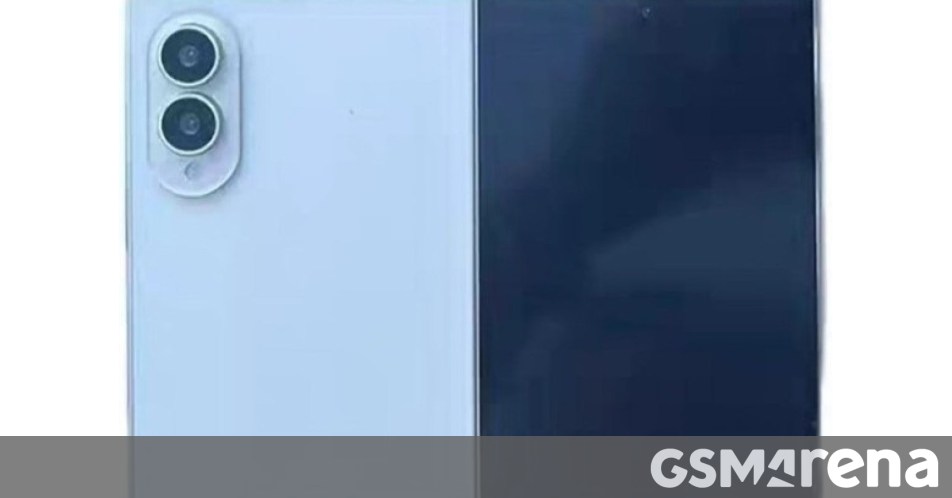
The "Wide" Galaxy Z Fold8, distinct from the iterative Z Fold8 "Ultra," appears to be Samsung’s answer to consumer requests for a more ergonomic, tablet-like experience that avoids the narrow, candy-bar aspect ratio that has defined the series since its inception. By securing these certifications, Samsung is effectively clearing the final hurdles before mass distribution, suggesting that the manufacturing pipelines are fully operational and ready to meet global demand by late summer.
Chronology: The Road to the Unpacked Event
The path to this moment has been paved with months of leaks, design refinements, and strategic pivots. The timeline of the Galaxy Z Fold8’s development reflects Samsung’s iterative design process:
- Q1 2026: Initial rumors emerge regarding a "Wide" variant of the foldable, intended to differentiate the lineup from the standard Ultra model.
- April 2026: Leaked schematics suggest a major design overhaul, specifically focusing on hinge durability and weight reduction.
- May 2026: Industry insiders confirm the existence of the "Ultra" naming convention for the top-tier model, while the wide-format device settles into the "Z Fold8" branding.
- June 2026: The BIS certification surfaces, providing the first official government-backed confirmation of the device existence.
- July 22, 2026 (Projected): The expected date for the Samsung Unpacked event in London, where the devices will be officially unveiled to the public.
This chronology demonstrates a disciplined rollout strategy. Samsung has intentionally leaked, teased, and now certified these devices to maintain a constant drumbeat of excitement in a highly competitive market where rivals like OnePlus, Google, and Honor are making significant gains.
Supporting Data: Technical Specifications and Hardware Aspirations
While the BIS certification is a legal formality, the surrounding ecosystem of leaks provides a granular look at what consumers can expect from these devices.
The Galaxy Z Fold8 (Wide)
The "Wide" iteration of the Z Fold8 is designed to address the primary complaint users have had with the Z Fold series for years: the outer screen usability.

- Display: A expansive 7.6-inch inner display utilizing a 4:3 aspect ratio. This configuration is expected to make multitasking more intuitive, mirroring the experience of a small tablet.
- Camera Array: Samsung is doubling down on high-resolution imaging, pairing a 50MP main sensor with a 50MP ultrawide lens. While the periscope zoom may be reserved for the "Ultra" model, the wide-format device is clearly positioned as a productivity powerhouse.
- Power Management: A 4,800 mAh battery is expected, optimized by the latest software efficiency updates. Perhaps most importantly, the device will support 45W wired charging, a much-needed upgrade for users who rely on the phone for heavy professional use throughout the day.
- Form Factor: The most impressive feat is the target weight of approximately 200g. If Samsung achieves this, the Z Fold8 will be significantly lighter than its predecessors, effectively neutralizing the "bulk" argument that has kept some users from switching to foldables.
The Galaxy Watch Ultra 2
The Watch Ultra 2 is positioning itself as a direct competitor to the Garmin and Apple Watch Ultra segments, prioritizing battery life and high-end connectivity.
- Battery Capacity: Rumored to house an 800 mAh battery, this would represent a massive leap in longevity, potentially allowing for multi-day usage even with advanced tracking features enabled.
- Connectivity: The device is expected to feature native 5G, moving beyond simple LTE to ensure faster data synchronization.
- Processor: The integration of the Qualcomm Snapdragon Wear Elite SoC is the highlight here. This chipset is designed to manage power more intelligently, enabling complex AI tasks—such as real-time health analysis—without draining the battery.
Official Responses and Strategic Positioning
Samsung has remained characteristically tight-lipped regarding the specifics of these certifications. However, in previous corporate communications, the company has emphasized its commitment to the "premium foldable experience." Samsung’s mobile division head has frequently alluded to a future where "form factor is no longer a constraint," suggesting that the Z Fold8 series is part of a larger push to normalize foldables as the default high-end choice for enterprise and creative professionals.
Analysts note that by separating the "Ultra" and "Wide" variants, Samsung is essentially segmenting its market. The "Ultra" targets the enthusiasts who want the absolute peak of camera tech and titanium build quality, while the "Wide" version targets the pragmatic power user who wants the most comfortable screen real estate possible. This dual-track strategy is a response to the fragmentation of the foldable market and a calculated move to capture both segments of the audience.
Implications: The Future of the Foldable Market
The impending launch of these devices carries several significant implications for the industry at large.

1. The Death of the "Narrow" Foldable
If the wide-format Z Fold8 proves successful, it will likely signal the end of the narrow, tall-aspect-ratio cover screens that dominated the early years of the category. The industry is clearly shifting toward "phone-first" foldable designs, where the outer screen is just as usable as a traditional flagship smartphone.
2. The Rise of the Wearable Ecosystem
The Galaxy Watch Ultra 2, combined with the new Snapdragon Wear Elite SoC, highlights the importance of the wearable as a standalone hub. By moving toward 5G-enabled, high-battery-capacity watches, Samsung is pushing the idea that a user doesn’t always need their phone physically tethered to their wrist. This is a critical development for athletes, outdoor enthusiasts, and professionals who require constant connectivity without the distraction of a smartphone.
3. Pricing and Market Accessibility
With the Galaxy Z Fold7 currently seeing price adjustments at various retail tiers, the entry of the Z Fold8 and Z Fold8 Ultra will likely create a ripple effect. We expect the standard Z Fold8 to maintain a premium price point, but the "Wide" designation could potentially allow Samsung to experiment with mid-tier pricing strategies in the future, as they look to bring foldable technology to the masses.
4. Competitive Pressure on Rivals
Google’s Pixel Fold series and various Chinese foldable offerings have gained ground by offering different hinge mechanisms and thinner designs. The Z Fold8 is Samsung’s defensive maneuver. By focusing on weight (200g) and display ergonomics, Samsung is addressing the specific "pain points" that competitors have used to market their own devices against the Galaxy brand.

Conclusion
The certification of the Samsung Galaxy Z Fold8 and the Galaxy Watch Ultra 2 is more than just a regulatory administrative action—it is a glimpse into the future of consumer mobile technology. As we look toward the London Unpacked event on July 22, the narrative is clear: Samsung is moving past the experimental phase of the foldable era.
The focus has shifted from "Can we make it fold?" to "How can we make it perfect?" By balancing high-performance hardware, like the new Snapdragon Wear Elite SoC, with user-centric design choices, such as the wide-aspect inner display, Samsung is attempting to solidify its position at the top of the mobile heap. Whether these devices will satisfy the growing demands of a cynical and sophisticated consumer base remains to be seen, but the groundwork for a major technological leap is undoubtedly in place. As the summer heat rises, so too does the anticipation for what promises to be one of the most significant product launches in the history of the Galaxy series.