





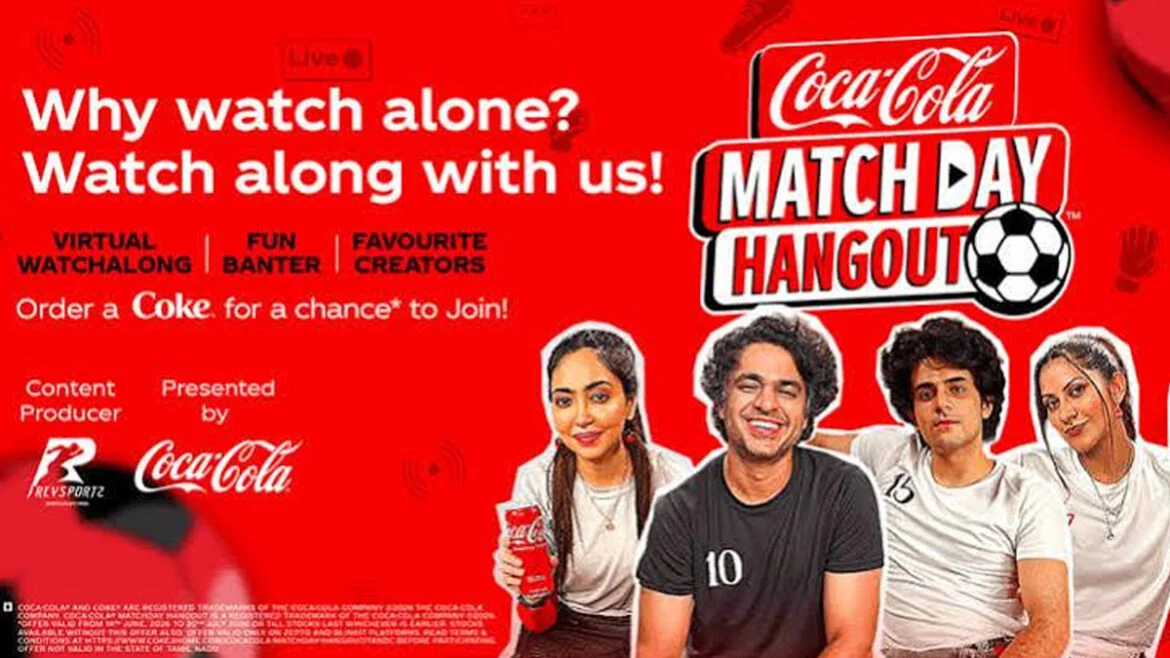
MUMBAI: The final whistle of a major football match no longer signals the end of the event; in the digital age, it marks the beginning of the post-game analysis, the meme cycle, and the viral debate. As the line between athletic performance and digital consumption continues to blur, Coca-Cola has launched an ambitious initiative that seeks to codify this behavior. With the introduction of Matchday Hangout, the beverage giant is transforming the passive act of watching football into an interactive, creator-led spectacle, effectively rewriting the playbook for sports marketing in India.
The Evolution of the Fan Experience
For decades, the sports broadcast model remained largely static: a high-definition feed, a commentator’s play-by-play, and the viewer sitting in quiet anticipation. However, the rise of social media has fundamentally altered this dynamic. Modern fans—particularly Gen Z and Millennials—rarely consume sports in a vacuum. They are simultaneous users of X (formerly Twitter), WhatsApp groups, and live chat rooms, treating every penalty kick and referee decision as a catalyst for immediate, collective dialogue.
Recognizing that football is now a social currency, Coca-Cola has introduced the "Matchday Hangout" to bridge the gap between the stadium and the screen. By moving away from traditional advertising slots and into the realm of "sportainment," the brand is positioning itself as the facilitator of the modern "living room" experience, albeit one that exists entirely in the digital ether.
A Chronology of the Initiative: From Concept to Kickoff
The development of Matchday Hangout reflects a shift toward agile, real-time marketing. The project, birthed in collaboration with the sports media house RevSportz, was designed to capitalize on the heightened emotional stakes of the FIFA World Cup.
- Phase 1: The Integration of Influencer Culture. Unlike standard broadcast partnerships that rely on professional pundits, Coca-Cola identified a roster of creators who possess both cultural capital and a deep rapport with their audiences. The lineup includes Rohan Joshi, Sakshi Shivdasani, and Kaashvi Hiranandani, individuals known for their ability to blend sharp wit with relatable commentary.
- Phase 2: The Quick-Commerce Pivot. To anchor the campaign in tangible consumer behavior, Coca-Cola integrated its distribution network with its digital experience. By partnering with quick-commerce giants Blinkit and Zepto, the brand created a "commerce-as-entry" model. Fans who purchase products during designated match windows receive digital access to these exclusive sessions, effectively turning a retail transaction into a ticket to a premium event.
- Phase 3: The Live Rollout. The initiative encompasses 12 nationwide live streams. These are not merely watch-alongs; they are curated events featuring guest appearances from figures like Zervaan Bunshah, Varun Thakur, and professional footballer Dalima Chhibber. This progression from a simple marketing idea to a multi-channel digital experience highlights how global brands are now acting as content producers rather than just sponsors.
Supporting Data: The Rise of Sportainment
The shift toward "sportainment" is not a whimsical trend but a data-driven response to changing consumption patterns. Market research consistently shows that younger demographics find traditional linear television to be a secondary medium, preferring to supplement their viewing with creator-led commentary.
According to internal marketing trends, engagement rates for live streams featuring influencers are significantly higher than for static, high-production-value broadcasts. By keeping the participant count limited for each "Matchday Hangout," Coca-Cola is leveraging the "scarcity effect." The initiative creates a sense of intimacy—a virtual neighborhood watch party—which contrasts sharply with the impersonal nature of mass-market broadcasting.
Furthermore, the integration with quick-commerce platforms provides measurable ROI. By tying digital access to physical purchases, Coca-Cola can track the direct conversion of its campaign, a metric that traditional TV spots often struggle to quantify with the same level of precision.
Official Perspectives: The Philosophy of Connection
While Coca-Cola has not released a singular formal statement on the campaign’s internal metrics, the strategic intent is clear: to embed the brand in the "unscripted" moments of the game.
"The goal is to move beyond the advertising slot," noted a source close to the project. "When a fan is watching a match, they are in a state of high emotional arousal. We want to be the brand that is present during the high-fives, the heated debates, and the celebrations. By providing a platform for creators to lead these conversations, we aren’t just selling a beverage; we are curating the environment in which the fan enjoys the match."
The involvement of professional athletes like Dalima Chhibber is also intentional. It adds a layer of technical legitimacy to the humor and entertainment provided by the influencers, ensuring that the commentary remains grounded in the realities of the sport.
Implications for the Sports Marketing Landscape
The Matchday Hangout represents a paradigm shift in how brands approach the "sports window." The implications for the industry are profound:
1. The Decline of the ‘Broadcasting Monopoly’
Historically, sports broadcasting was the domain of major networks. Now, digital-first platforms and brands are creating their own ecosystems. This "decentralization" of sports media means that fans are no longer beholden to a single feed. They can choose to watch the game on a standard channel while listening to a "Hangout" stream on their mobile device.
2. The Commerce-Content Convergence
By utilizing Blinkit and Zepto as the gateway to the experience, Coca-Cola has successfully demonstrated how "shoppable content" can be applied to live events. This model creates a frictionless path from product purchase to brand engagement, a strategy that is likely to be replicated across other sectors, from gaming to music.
3. Community as a Product
The most significant implication is the commodification of the community. Brands are learning that the "viewer" is a legacy term; the "participant" is the new target. By hosting trivia, prediction contests, and real-time interaction, Coca-Cola is transforming its consumer base into a community that actively builds content around the brand.
4. Influencer Equity vs. Celebrity Endorsement
The move away from using celebrities as mere faces of a campaign toward using creators as the drivers of the experience is a massive shift. Creators bring an existing, loyal audience and a pre-established tone of voice. When Rohan Joshi or Sakshi Shivdasani hosts a stream, the audience is there because they trust the creator’s perspective. This "influencer equity" provides a level of trust that traditional advertising simply cannot replicate.
Conclusion: The Future of the Living Room
As we look toward the future of sports consumption, the Coca-Cola Matchday Hangout serves as a prototype. It acknowledges that the "living room" has expanded to include the entire digital world. Whether a fan is in Mumbai, Bengaluru, or Delhi, the ability to join a live, interactive session with like-minded supporters and charismatic creators creates a sense of belonging that transcends geography.
For Coca-Cola, the mission is to be synonymous with the "matchday moment." By blending the refreshing experience of their product with the exhilarating, unpredictable, and highly social nature of football, they have successfully captured the zeitgeist. As technology continues to evolve, the distinction between watching a game and participating in the conversation will continue to dissolve, and with initiatives like this, Coca-Cola is positioning itself to be at the center of that conversation, one match at a time.