









In the modern professional landscape, our desks have become ecosystems of high-performance hardware. From ultrabooks and tablets to smartphones and high-end peripherals, the demand for reliable, high-wattage power has never been greater. For years, users have been forced to choose between massive, cumbersome power bricks or flimsy, underpowered adapters that fail to keep up with the demands of modern USB-C devices.
Enter the Satechi ChargeView 140W, a Gallium Nitride (GaN) powerhouse that aims to bridge the gap between heavy-duty charging stations and portable travel adapters. By condensing 140W of total output into an impressively small form factor, Satechi has effectively redefined what a desktop charger should look like.
Main Facts: The Anatomy of a High-Performance Charger
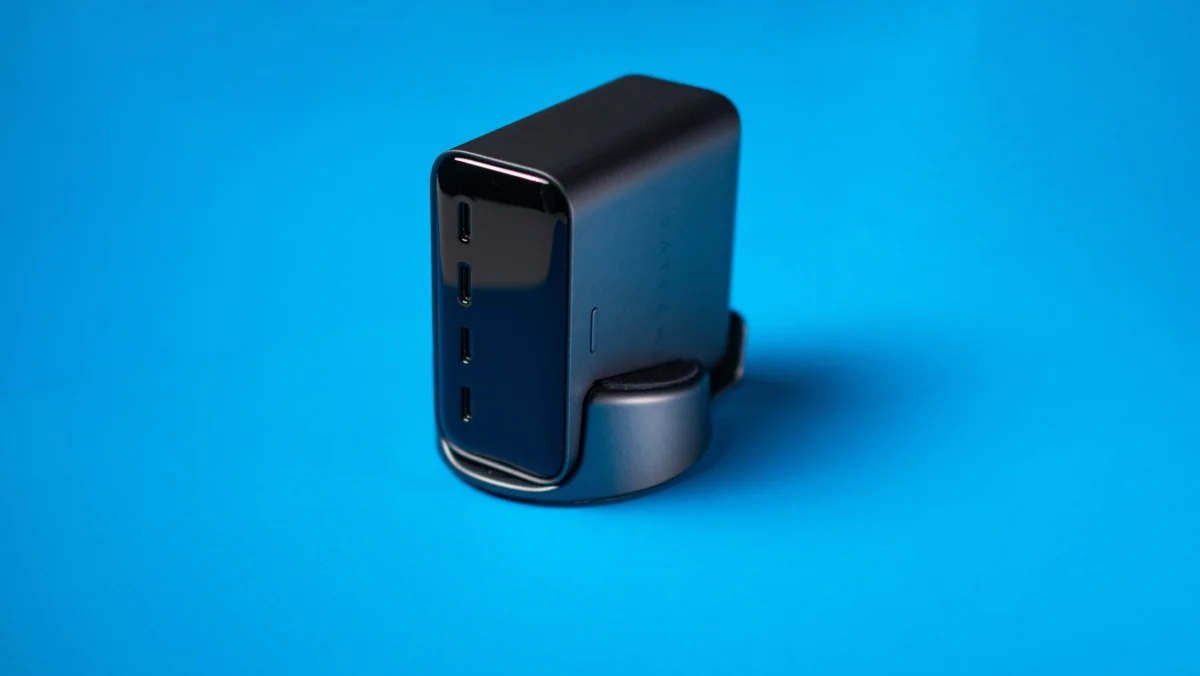
At its core, the Satechi ChargeView 140W is designed to solve a specific problem: desk clutter. It is a 4-port USB-C charging station that leverages advanced GaN technology to maintain a small footprint without sacrificing output efficiency.
Unlike many competitors that rely on a hybrid of USB-A and USB-C ports, Satechi has opted for an all-USB-C configuration. This choice reflects a strategic shift toward a future where USB-C is the universal standard for power and data. The charger features:

- Four USB-C Ports: Each capable of intelligent power distribution.
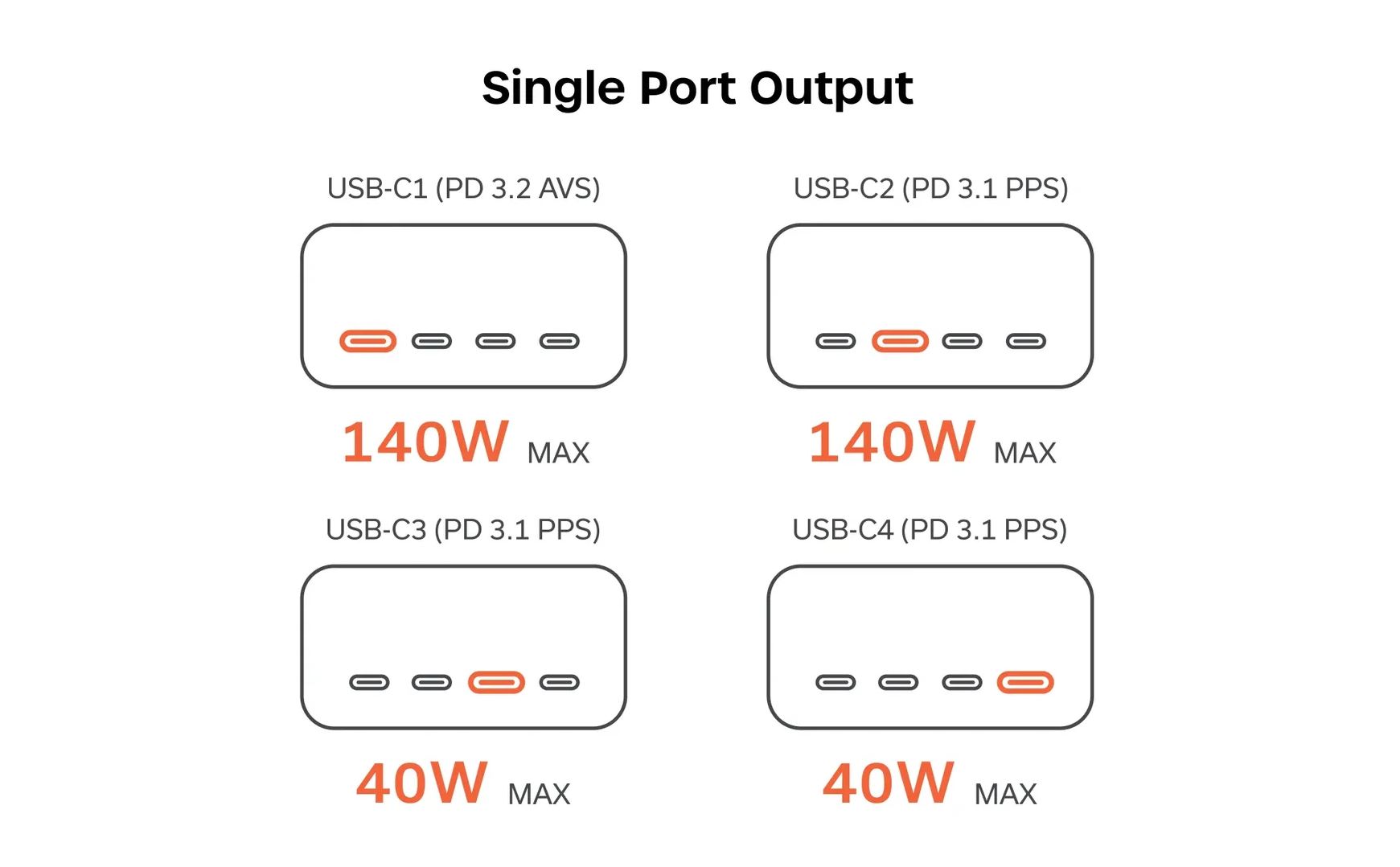
- USB PD 3.2 AVS Support: Specifically on the C1 port, allowing for granular voltage adjustments that maximize charging efficiency for newer flagship devices.
- 140W Peak Output: Sufficient to power even the most demanding laptops, including the MacBook Pro or high-performance Windows workstations.
- Integrated LCD Dashboard: A real-time monitoring screen that provides users with immediate feedback on power delivery, a feature previously reserved for much more expensive industrial equipment.
Priced at $99, the ChargeView 140W enters a competitive market, yet it distinguishes itself through its build quality, the inclusion of a versatile desk stand, and its commitment to the latest Power Delivery standards.
Chronology: The Evolution of Desktop Charging
The journey toward the ChargeView 140W did not happen in a vacuum. It is the culmination of years of iterative design in the consumer electronics accessory space.
Phase 1: The Era of Bulk. Early "charging stations" were essentially power strips with built-in USB ports. They were bulky, inefficient, and often generated significant heat, requiring active cooling fans that made them unsuitable for a quiet office environment.
Phase 2: The GaN Revolution. The introduction of Gallium Nitride as a semiconductor material allowed manufacturers to shrink components significantly. Over the last three years, brands like Ugreen, Baseus, and Satechi began experimenting with this technology. We saw the rise of the "Nexode" style chargers, which prioritized sheer power (reaching upwards of 500W in some enterprise models) at the expense of desk space.
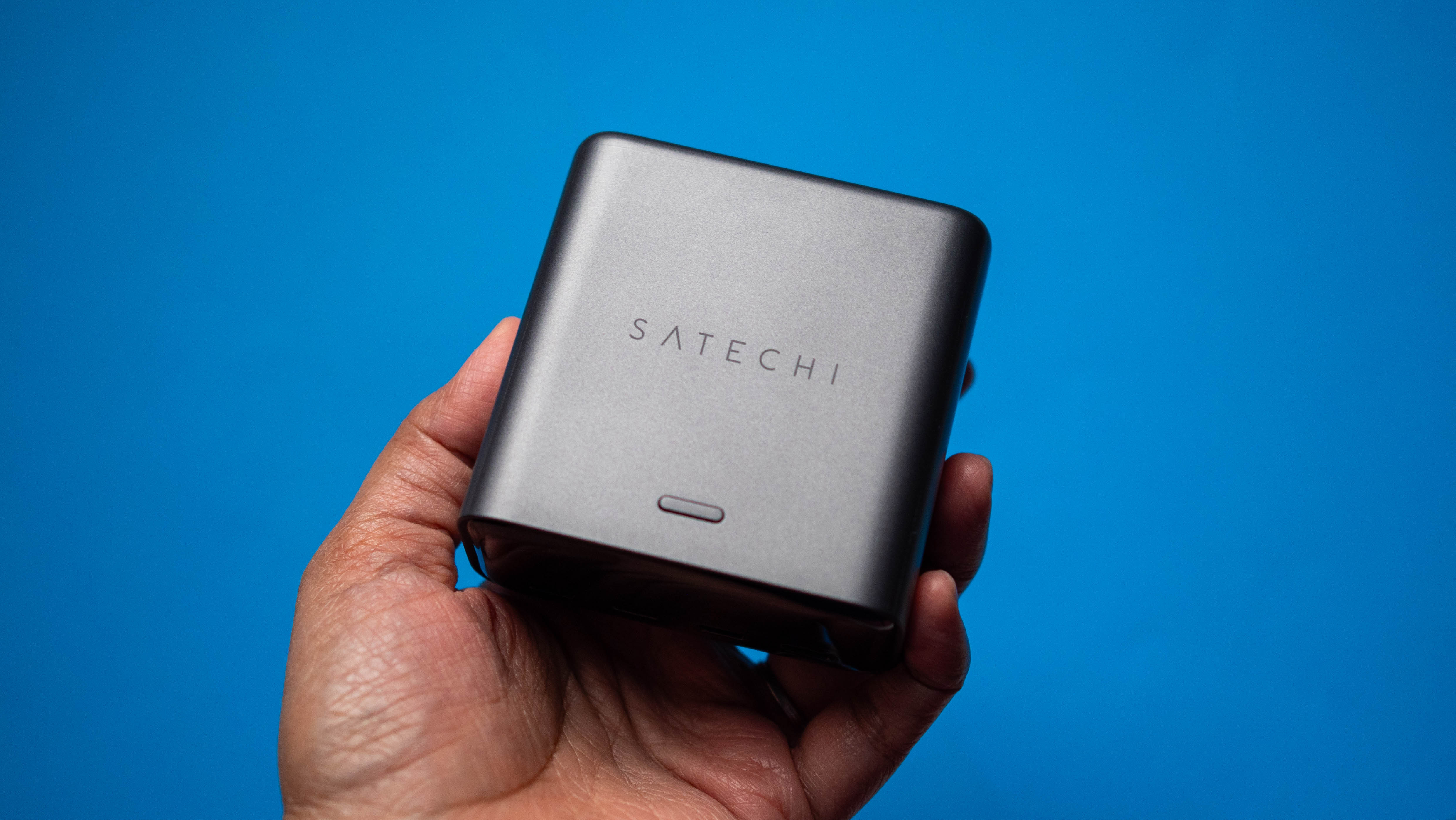
Phase 3: The Refinement Phase. In the last 18 months, the focus has shifted from "more power" to "smarter, smaller power." The Baseus Nomos 2 introduced the convenience of integrated Qi 2.2 charging pads, while the Satechi ChargeView 140W represents the current pinnacle of this refinement. It discards the extra features—like wireless charging—to focus entirely on providing the most efficient, compact, and informative wired charging experience possible.
Supporting Data: Efficiency and Power Management
To understand why the ChargeView 140W is a standout, one must look at how it manages power distribution. The device utilizes an intelligent chip that dynamically allocates wattage based on the number of devices plugged in.
| Number of Devices | C1 Port (W) | C2 Port (W) | C3 Port (W) | C4 Port (W) |
|---|---|---|---|---|
| 1 Device (C1 or C2) | 140W | – | – | – |
| 2 Devices (C1+C2) | 70W | 70W | – | – |
| 3 Devices | 65W | 45W | 20W | – |
| 4 Devices | 65W | 45W | 15W | 15W |
The integration of the USB PD 3.2 AVS (Adjustable Voltage Supply) standard is a critical detail for power users. While standard Power Delivery protocols negotiate power in large, fixed steps, AVS allows for micro-adjustments in voltage. This reduces heat buildup and ensures that devices like the latest iPhone Pro models or high-end Android flagships stay within their optimal charging thermal envelope, potentially extending battery health over the long term.
Official Responses and Industry Context
Industry analysts have noted that the $99 price point for a 140W GaN charger with an integrated LCD display is highly competitive. Satechi’s move to include a versatile, swappable stand—allowing for either vertical or horizontal orientation—has been praised by hardware reviewers for its ergonomic utility.
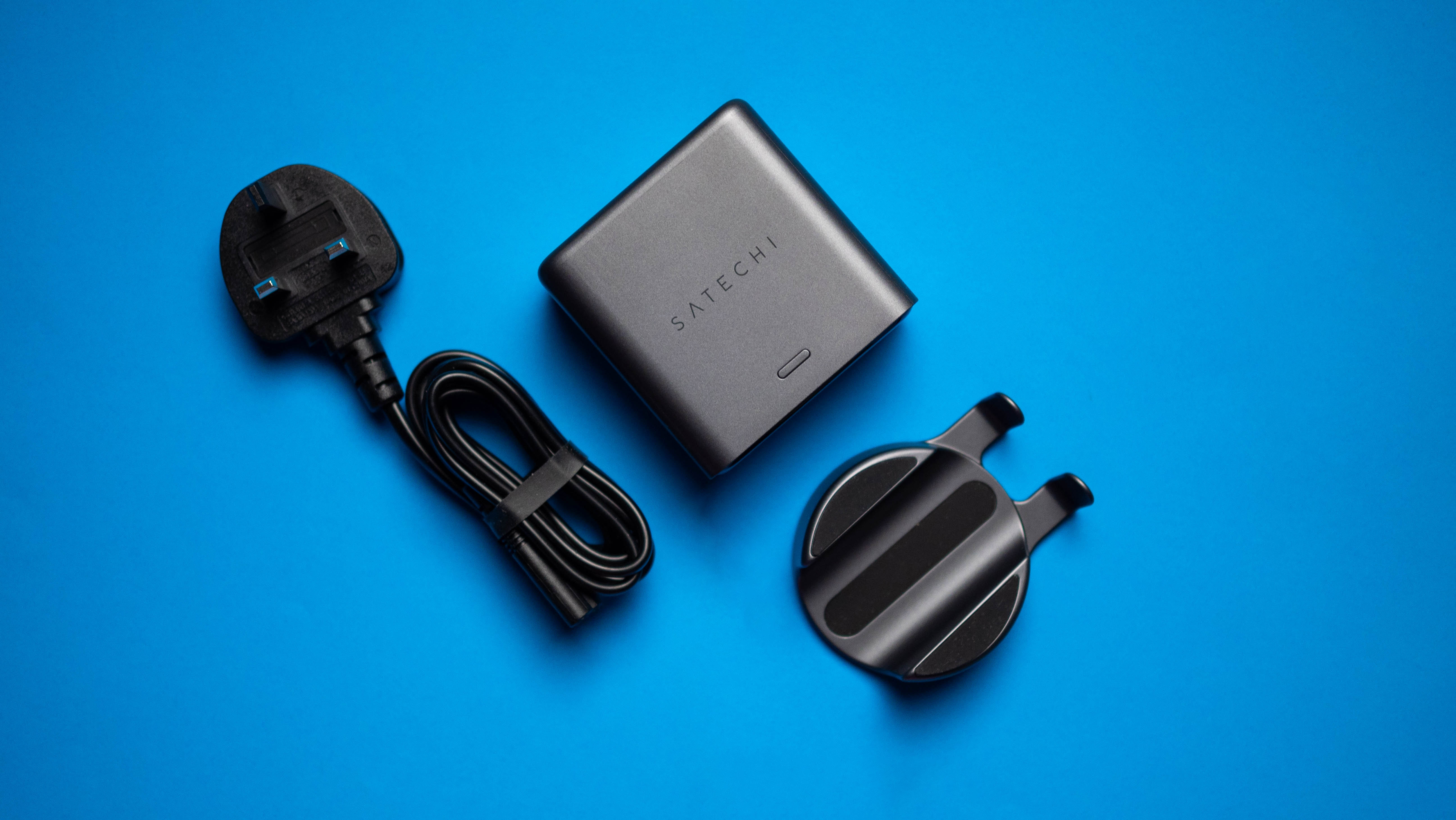
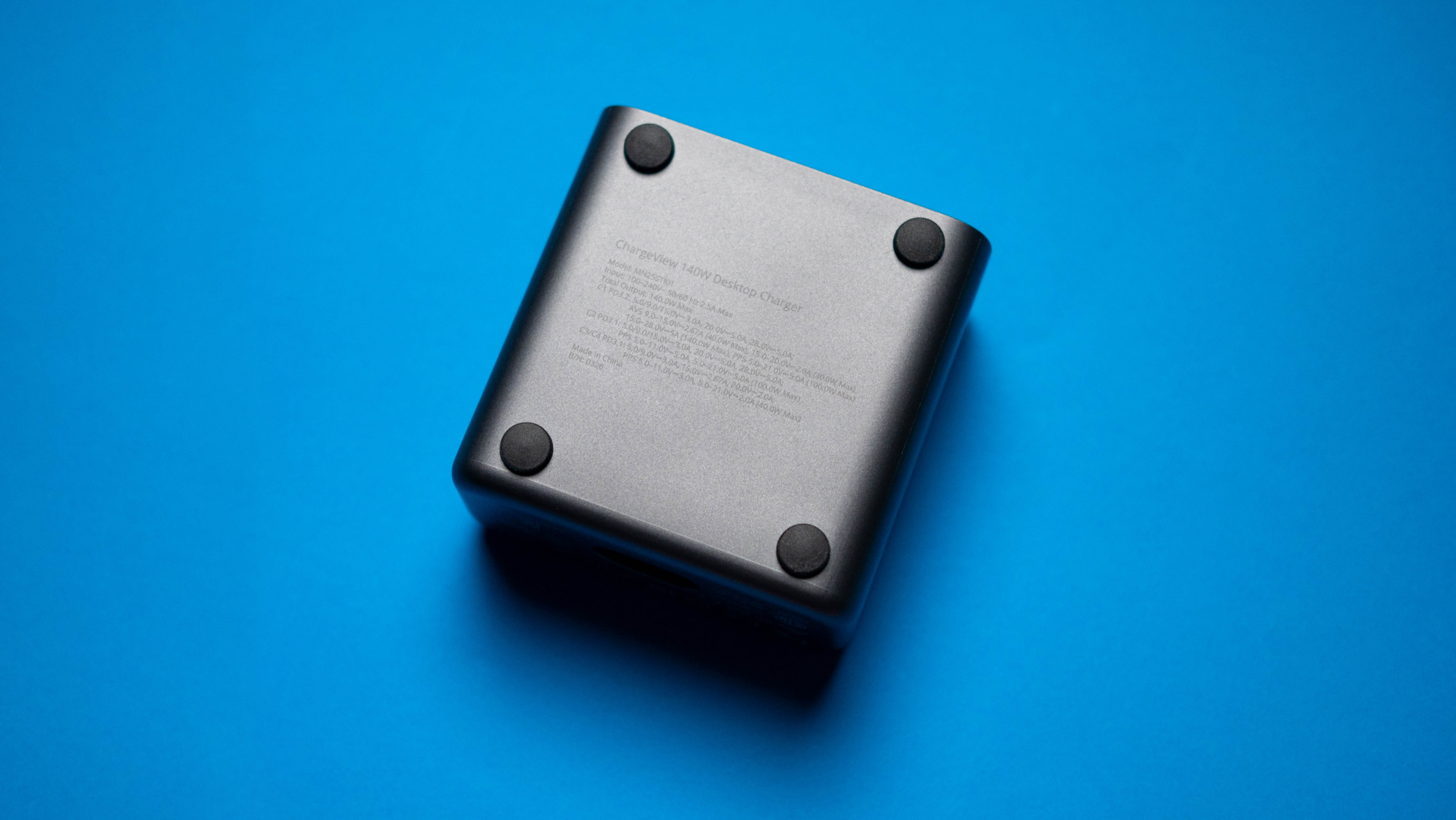
From an engineering perspective, the decision to stick with plastic for the housing is a deliberate choice to balance weight and thermal conductivity. While aluminum is often requested for its premium feel, plastic chassis, when engineered correctly, provide better insulation and are less prone to surface scratches, which is a major concern for devices that sit permanently on a desk surface.
Regarding the lack of a USB-A port, Satechi has remained consistent with their high-end product line: the company argues that by 2025, the presence of legacy USB-A ports on a high-wattage desktop charger is counter-productive, as it occupies physical space that could be better utilized for the sophisticated circuitry required for PD 3.2.
Implications for the Modern Workspace
The shift toward devices like the Satechi ChargeView 140W has profound implications for how we design our workspaces.
1. Minimalist Desk Aesthetics
For the "clean desk" movement, the ChargeView 140W is a godsend. Because it is small enough to be tucked away or stood upright, it eliminates the need for large, unsightly power strips that clutter the floor or the back of a desk.
2. The End of "Charger Anxiety"
Many users are familiar with the frustration of traveling with multiple bricks. The ChargeView is compact enough to act as a travel charger while being powerful enough to serve as a primary office hub. This versatility simplifies the "go-bag" for digital nomads, as they no longer need to carry separate chargers for their laptop and their mobile devices.
3. Real-Time Data Awareness
The inclusion of an LCD panel is more than a gimmick. It empowers the user to identify faulty cables or underperforming ports immediately. If a laptop is charging at 15W instead of 65W, the user can instantly see the discrepancy on the screen, allowing them to swap the cable and resolve the issue without waiting for the device to report a "slow charging" notification.
4. Sustainability and Longevity
By investing in a high-quality, 140W GaN charger that utilizes the latest PD standards, users are future-proofing their setups. As devices become more power-hungry, having a charger that can intelligently scale up to 140W ensures that the accessory will remain relevant for several years, reducing the need for constant upgrades and the subsequent e-waste that comes with replacing outdated, lower-wattage bricks.
Final Assessment: Is it Worth the Investment?
The Satechi ChargeView 140W is not merely a charger; it is a testament to the current state of consumer electronics engineering. It provides a harmonious balance between raw power, intelligent distribution, and user-centric design.
While there are cheaper options on the market, the combination of the 140W capacity, the advanced AVS support, the informative LCD panel, and the thoughtful, space-saving design makes it an easy recommendation. For the professional who spends their day tethered to a suite of high-performance devices, the ChargeView 140W is an essential tool that simplifies the complex tangle of modern connectivity.
As we continue to integrate more technology into our daily lives, the importance of reliable, efficient, and intelligent power delivery will only grow. Satechi has successfully identified this trajectory, delivering a product that meets the needs of today while preparing users for the hardware demands of tomorrow. Whether you are an editor, a developer, or a content creator, the ChargeView 140W earns its place on your desk as a silent, efficient, and indispensable partner.