









In an era defined by global digital noise and the relentless pursuit of viral content, a quiet, powerful trend is emerging: the hyper-local newsletter. It is a return to the foundational roots of journalism—the "town square" concept—where the most valuable information is not what is happening across the ocean, but what is happening on your street. For aspiring publishers, the path to building a sustainable, profitable media business no longer requires a massive national audience. Instead, it requires a deep, authentic connection to a single zip code.
The Core Philosophy: Why Local Matters
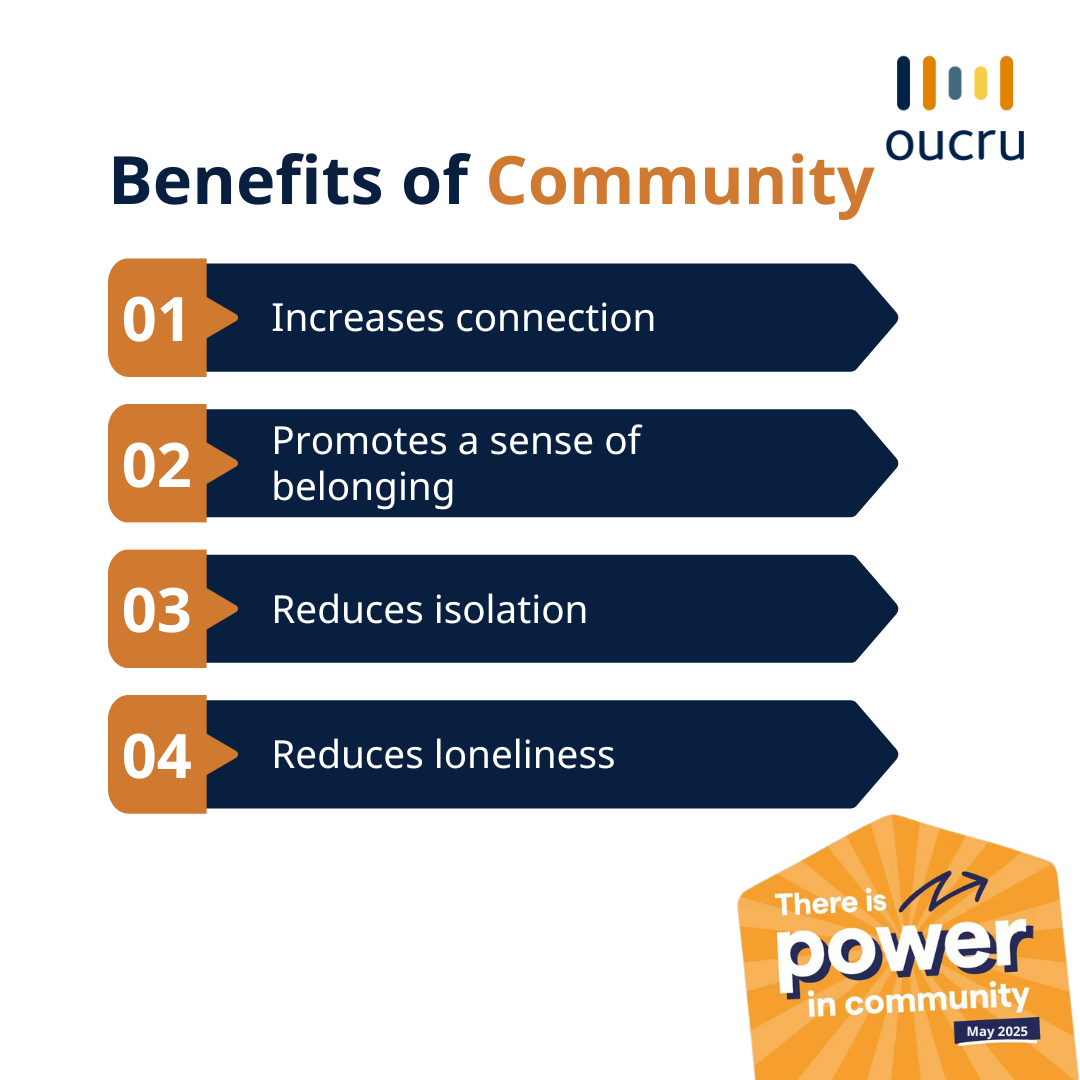
"You are what you eat and where you live." This adage, often cited by urban planners and community activists, carries profound weight for modern media creators. A community is a symbiotic organism; it shapes your identity, and your presence in that community helps define its character.
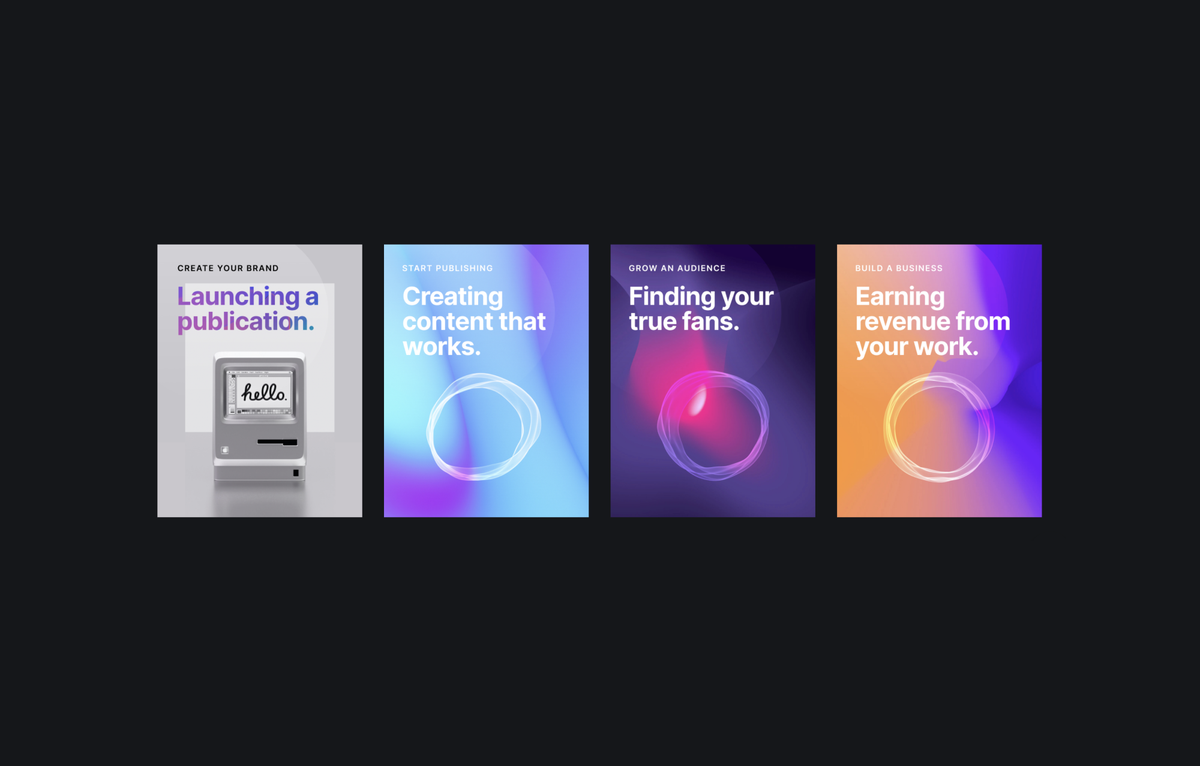
Starting a local newsletter is more than just a writing exercise; it is an act of civic engagement. By spotlighting local businesses, documenting neighborhood history, and curating upcoming events, publishers are discovering that they can build a viable business while simultaneously strengthening the social fabric of their town. The barrier to entry has never been lower, thanks to platforms like Ghost, but the barrier to success remains high: it requires consistency, trust, and an uncompromising commitment to the truth.
A Chronology of the Local Newsletter Shift
The evolution of the hyper-local publication has followed a distinct trajectory over the past decade:

- 2015–2018: The Consolidation Era. As traditional local newspapers began shuttering at an alarming rate due to declining print ad revenue, "news deserts" began to emerge across the country.
- 2019–2021: The Substack/Ghost Revolution. Technology lowered the cost of distribution to near zero. Individual journalists and hobbyists realized they could own their audience directly, bypassing the gatekeepers of local legacy media.
- 2022–2024: The Monetization Pivot. The "newsletter-as-a-hobby" model shifted toward "newsletter-as-a-business." Publishers began experimenting with hybrid models—combining paid subscriptions, event sponsorships, and local merchant partnerships.
- 2025–Present: The Community Integration Phase. The current landscape is defined by "boots-on-the-ground" journalism. The most successful newsletters are now those that move beyond the screen and into the community, acting as organizers, sponsors, and essential connectors.
Supporting Data: The Economic Viability of Localism
The shift toward local digital publishing is backed by compelling economic metrics. According to recent industry reports, audience engagement rates for hyper-local newsletters are significantly higher than those of general interest publications.
- Trust Multipliers: Readers are 40% more likely to pay for a subscription to a local newsletter than a national one, provided the content serves a "utility" function (e.g., school board updates, local business openings, or event calendars).
- Retention Rates: Because local newsletters solve a specific problem—"What is happening this weekend?"—churn rates are substantially lower. Subscribers feel a sense of ownership, often viewing the newsletter as a public utility.
- The Sponsorship Advantage: Local small businesses are starving for targeted advertising. A newsletter with 2,000 hyper-local subscribers is often more valuable to a local bakery or hardware store than an Instagram ad campaign with 100,000 impressions from random users across the country.
The Six Pillars of Community Involvement
If you want to build a newsletter that survives the test of time, you must become a fixture of your community. It is not enough to be a "digital observer"; you must be a participant. Carolyne Cole of the Jackson Association of Neighborhoods suggests a six-step framework for deep integration:

- Volunteerism: Engage with food banks and shelters. This builds genuine social capital and allows you to interview the people who are actually doing the work, providing you with unique, human-centric stories.
- Civic Beautification: Join park cleanups. These events are gold mines for networking. They provide a low-pressure environment to meet community leaders and discover potential stories.
- Governance Engagement: Attend town council and school board meetings. Even if the proceedings are dry, they are where the most impactful decisions are made. Being the only one reporting on these meetings makes you an indispensable source of information.
- Philanthropic Support: If you lack time, offer capital or promotional space to local causes. Highlighting a neighborhood fund or a disaster relief initiative signals to your readers that your publication has a moral compass.
- Event Orchestration: Host your own events. Whether it is a charity run or a local concert series, being the "organizer" elevates your status from reporter to community leader.
- Board Participation: Seek a seat on local boards or committees. This gives you insider knowledge about the future trajectory of your town, allowing you to report with authority and depth.
The "Events-First" Strategy: A Tactical Blueprint
For many, the most effective entry point into local publishing is the "Events-First" model. As Claire Zulkey of Inbox Collective notes, a local events newsletter serves an immediate, tangible need.
The Utility Factor
People are constantly searching for ways to spend their time. By curating a list of events, you are providing a service that saves your readers time. This utility-driven approach ensures your email is opened, not deleted.
Building the "VIP" Experience
To compete in the modern attention economy, your newsletter must provide a sense of exclusivity. This can be achieved by:
- Curated Recommendations: Don’t just list every event; list the best events. Curate them based on tone, value, and community feedback.
- Early Access: Secure "subscriber-only" discounts or early-bird tickets to local events. This transforms your newsletter from a simple email into an essential membership perk.
- Consistent Cadence: If you promise a Friday morning "Weekend Guide," deliver it on Friday morning without fail. Reliability is the bedrock of reader loyalty.
Implications for the Future of Journalism
The rise of the independent local newsletter has significant implications for our broader democracy. When local news dies, corruption often rises, and civic participation drops. By reclaiming the role of the local publisher, you are doing more than just building a business; you are acting as a check on local power and a bridge for social cohesion.
However, the responsibility is immense. As a local publisher, you are writing about people who you will see at the grocery store. This creates a "feedback loop of accountability." Unlike national media, where writers can remain detached, you are tethered to your subjects. This fosters a more empathetic, measured style of journalism that the current digital landscape desperately needs.
Final Considerations: The Path Forward
To successfully launch your local publishing business, consider the following:

- Start Small, Stay Focused: Do not attempt to cover an entire city if you are just one person. Start with a neighborhood or a specific interest group. You can always scale once you have established your brand.
- Design for Readability: Keep your layout clean and clutter-free. Use white space and high-quality photography. Your readers are likely scanning your content while commuting or having their morning coffee; make it easy for them to digest.
- Listen to Your Audience: Implement feedback loops. Use polls, ask for replies, and invite your readers to submit their own events. The best newsletters are collaborative efforts, not monologues.
In conclusion, the future of the media business is not in the cloud; it is on the street. By investing in the people, events, and institutions that define your local environment, you can build a sustainable, profitable, and deeply fulfilling business. The "town square" is waiting—all you have to do is start the conversation.
Was this article helpful? If you are ready to begin your journey as a local publisher, we encourage you to explore our library of tutorials on the Ghost platform. Join our community of creators today and start building the future of local news, one inbox at a time.