







Main Facts: Bridging UPI and Bizum
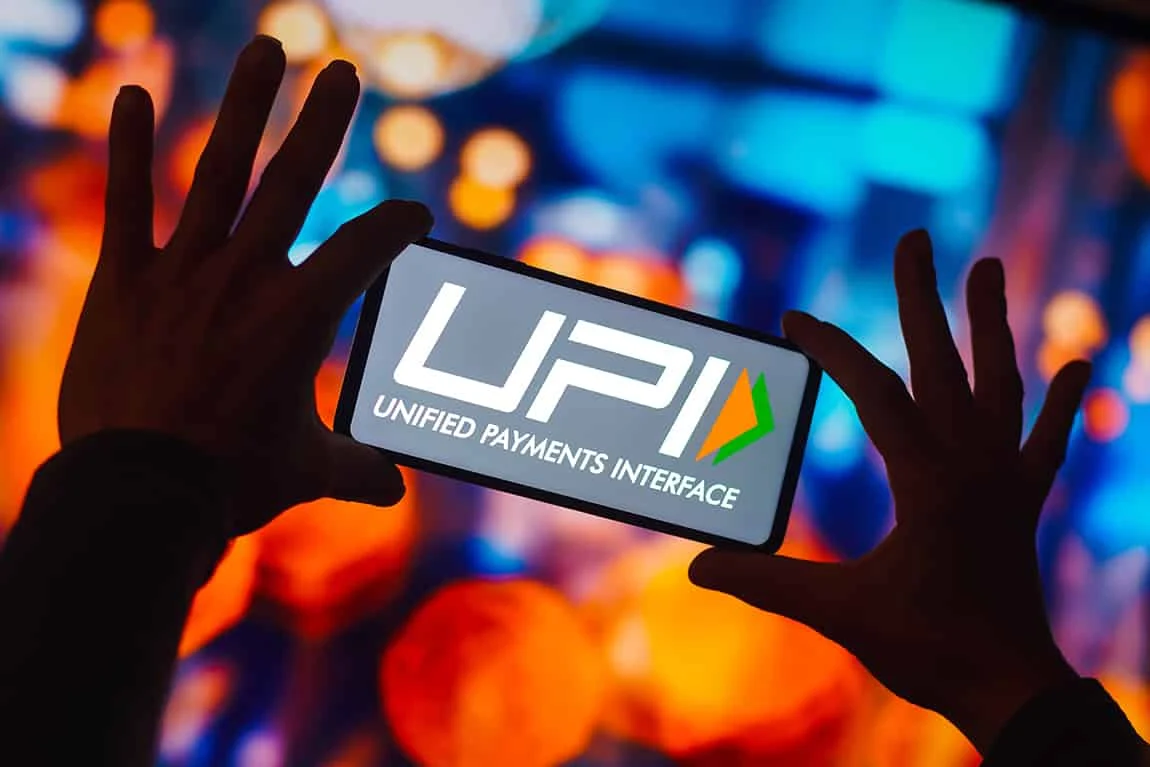
India and Spain have agreed to accelerate technical discussions aimed at linking India’s Unified Payments Interface (UPI) with Spain’s premier mobile instant-payment platform, Bizum. The announcement was made by India’s Ministry of Commerce and Industry, following high-level bilateral meetings in Madrid. This initiative represents a significant step in India’s ongoing campaign to internationalize its financial technology ecosystem and establish seamless, low-cost cross-border payment corridors.
According to official sources and reports from The Economic Times, the project is currently in its preparatory and technical evaluation stage. No commercial agreements, pilot programs, or definitive launch dates have been finalized. Instead, the current mandate directs technical teams from both sides—specifically NPCI International Payments Limited (NIPL), the international arm of the National Payments Corporation of India (NPCI), and the operating consortium of Bizum—to address the complex operational, regulatory, and technological alignments required to make the two systems interoperable.
       [ India: UPI ]  <===================>  [ Spain: Bizum ]
      (Managed by NIPL)   Technical Linkage  (Backed by Spanish Banks)
              |                                       |
    Global Reach: France, UAE,                 European Alliance:
    Singapore, Qatar, Maldives                 EuroPA (Italy & Portugal)
The proposed interoperability is designed to simplify transactions for travelers, students, expatriates, and businesses operating between the two nations. If successfully implemented, the linkage would allow Indian users to make instant payments in Spain using their UPI-enabled applications, while Spanish users could leverage Bizum to transact seamlessly within India’s vast digital merchant network.
However, critical structural details remain under negotiation. Policymakers and technical experts must still determine whether the linkage will initially support only peer-to-peer (P2P) transfers, or if it will immediately encompass peer-to-merchant (P2M) retail transactions, large-scale commercial settlements, and real-time foreign exchange conversion protocols.
Chronology: The Diplomatic and Technical Journey
The agreement to fast-track the UPI-Bizum integration did not occur in isolation; it is the product of sustained diplomatic engagement and India’s broader geopolitical push to export its Digital Public Infrastructure (DPI).
July 13–18: The European Tour
The momentum for the UPI-Bizum partnership culminated during a high-profile, four-nation European tour undertaken by India’s Union Minister of Commerce and Industry, Piyush Goyal, from July 13 to July 18. The tour, which included stops in Spain, Belgium, and Finland, aimed to advance bilateral trade negotiations, promote Indian fintech capabilities, and foster closer economic ties with the European Union.
The Madrid Bilateral Meetings
While in Madrid, Minister Goyal held extensive discussions with senior Spanish officials, including:
- Carlos Cuerpo Caballero, Spain’s First Vice-President and Minister of Economy, Trade, and Business.
- Jordi Hereu Boher, Minister of Industry and Tourism.
During these meetings, both sides identified digital financial integration as a low-hanging fruit that could immediately catalyze tourism and business relations. The decision to accelerate technical talks on UPI-Bizum interoperability was formalized as a key outcome of these ministerial consultations.
+-------------------------------------------------------------------+
|                  CHRONOLOGY OF BILATERAL ENGAGEMENT               |
+-------------------------------------------------------------------+
|  July 13-18  | Minister Piyush Goyal conducts European tour       |
|              | (Spain, Belgium, Finland)                          |
+--------------+----------------------------------------------------+
|  July 15     | High-level ministerial meetings in Madrid with     |
|              | Carlos Cuerpo Caballero & Jordi Hereu Boher        |
+--------------+----------------------------------------------------+
|  July 16     | Goyal addresses the India-Spain Business Forum;    |
|              | introduces "10x10x10" target                       |
+--------------+----------------------------------------------------+
|  July 17     | Goyal co-chairs the 3rd India-EU Trade &           |
|              | Technology Council (TTC) in Brussels               |
+--------------+----------------------------------------------------+
|  July 18     | Fintech integration talks held with Estonian and   |
|              | Finnish representatives in Helsinki                |
+--------------+----------------------------------------------------+
|  Post-Tour   | Technical teams from NIPL and Bizum begin          |
|              | scoping regulatory and technical frameworks        |
+-------------------------------------------------------------------+
The Broader European Footprint
Beyond Spain, Minister Goyal’s itinerary highlighted India’s systematic efforts to weave UPI into the European financial fabric:
- Brussels (Belgium): Goyal co-chaired the third ministerial meeting of the India-EU Trade and Technology Council (TTC). The TTC serves as a strategic forum for India and the EU to coordinate on emerging technologies, trusted digital connectivity, and secure supply chains.
- Helsinki (Finland): Goyal engaged in bilateral talks focusing on fintech collaboration, clean technology, and digital governance. Discussions also extended to representatives from Estonia—a pioneer in digital identity and e-governance—to explore how India’s DPI could interface with Baltic digital systems.
Supporting Data: The Scale of the Platforms and Bilateral Ties
To understand the strategic significance of the UPI-Bizum linkage, it is essential to examine the operational scale of both platforms and the macroeconomic context of India-Spain relations.
Unified Payments Interface (UPI) by the Numbers
Developed by the National Payments Corporation of India (NPCI) and launched in 2016, UPI has revolutionized retail payments in India.
- Transaction Volume: UPI regularly processes over 14 billion transactions per month.
- User Base: It serves over 350 million active users and is accepted by more than 50 million merchants across India, ranging from street vendors to major retail conglomerates.
- Global Footprint: NIPL has already established operational linkages or QR-acceptance frameworks in several countries:
- France: UPI is accepted at iconic tourist destinations like the Eiffel Tower and major transit hubs such as Paris and Nice airports via a partnership with Lyra Network.
- Singapore: A real-time link connects UPI with Singapore’s PayNow, enabling instant P2P remittances.
- United Arab Emirates (UAE): UPI is integrated with the UAE’s domestic card scheme, Jaywan, and is widely accepted across retail terminals.
- Qatar & Maldives: Recent agreements have enabled QR-based UPI acceptance at point-of-sale (POS) terminals and network-to-network remittance corridors.
Bizum: Spain’s Domestic Giant
Unlike UPI, which is a state-backed public utility model, Bizum is a private sector success story. Launched in 2016, Bizum is operated by a consortium of 23 Spanish banking institutions, representing nearly 99% of the country’s banking market.
- User Base: Bizum boasts over 26 million active users in Spain—representing more than half of the country’s population.
- Transaction Volume: The platform has processed over 2.5 billion transactions since its inception, with instant bank-to-bank transfers completed in less than ten seconds using just a mobile phone number.
- Cross-Border Ambitions: Bizum is not a isolated project. Under the EuroPA initiative (an alliance with Italy’s Bancomat and Portugal’s SIBS), Bizum is actively building a unified Southern European instant-payment corridor, making it an entry point for India into the wider Eurozone.
+-----------------------------------------------------------------------+
|                    COMPARING THE PAYMENT GIANTS                       |
+-----------------------------------------------------------------------+
| Metric                 | UPI (India)          | Bizum (Spain)         |
+------------------------+----------------------+-----------------------+
| Launch Year            | 2016                 | 2016                  |
| Developer/Operator     | NPCI / NIPL          | Consortium of 23 Banks|
| Primary Identifier     | VPA / QR Code / Phone| Mobile Phone Number   |
| Monthly Transactions   | 14+ Billion          | ~80 Million           |
| Active Users           | 350+ Million         | 26+ Million           |
| International Links    | UAE, SG, FR, QR, MV  | Portugal, Italy       |
+-----------------------------------------------------------------------+
India-Spain Bilateral Trade and the "10x10x10" Target
Bilateral trade between India and Spain has remained steady but is widely considered to be below its true potential.
- Current Trade Status: Annual bilateral trade hovers around $6.5 billion to $7.5 billion, with India running a trade surplus driven by exports of textiles, organic chemicals, iron and steel, and machinery.
- The "10x10x10" Vision: Addressing the India-Spain Business Forum in Madrid, Minister Goyal proposed an ambitious "10x10x10" target. This initiative calls on both nations to work toward a tenfold increase in bilateral trade, investment, and tourism over the next ten years.
                       [ Current Bilateral Trade ]
                            ~$7.0 Billion
                                  |
                                  |  "10x10x10" Target
                                  v
                       [ Projected Target (2034) ]
                            ~$70.0 Billion
Official Responses and Policy Alignment
The push for UPI-Bizum interoperability is backed by strong political will and strategic alignment on both sides, though officials remain realistic about the technical hurdles ahead.
Indian Ministry of Commerce and Industry
In an official statement, the Indian Commerce Ministry emphasized that the discussions in Madrid reflect a shared vision of leveraging technology to deepen economic ties:
"The two ministers agreed to accelerate technical discussions between NPCI International Payments Limited (NIPL) and Bizum to explore the feasibility of linking India’s UPI with Spain’s Bizum. This initiative holds the potential to significantly enhance the ease of doing business, boost tourism, and simplify remittance flows between our two nations."
Minister Piyush Goyal on the India-EU FTA
Speaking at the India-Spain Business Forum, Minister Goyal linked the payment integration directly to the broader geopolitical relationship between India and the European Union:
"We must forge early partnerships to maximize opportunities arising from the India-EU Free Trade Agreement (FTA). A seamless digital payment bridge between UPI and Bizum will serve as the financial plumbing for our expanded trade ambitions, enabling small and medium enterprises (SMEs) to engage directly in cross-border commerce without the burden of high transactional friction."
Spanish Ministry of Economy, Trade, and Business
Spanish officials have welcomed the dialogue, noting that Spain’s digital economy strategy aligns with India’s focus on secure, real-time financial services. Carlos Cuerpo Caballero highlighted Spain’s commitment to modernization and digital integration, pointing to Bizum’s successful expansion within Europe via the EuroPA framework as a template for international collaboration.
Implications: Tourism, Trade, and the European Payment Landscape
The potential integration of UPI and Bizum carries profound implications that extend far beyond simple convenience for tourists. It touches on trade efficiency, geopolitical positioning, and the evolution of global payment standards.
1. Catalyzing Tourism and the Indian Diaspora
Spain is one of the world’s most visited countries, and it has actively sought to attract high-spending tourists from India’s expanding middle class.
- Frictionless Spending: Currently, Indian tourists in Spain face high credit card markup fees (often 2% to 4.5%) and unfavorable dynamic currency conversion rates. A UPI-Bizum link would allow tourists to pay Spanish merchants directly from their Indian bank accounts via QR code scans, with real-time, competitive currency conversion.
- Expatriates and Students: The growing population of Indian IT professionals and international students in Spain would benefit from a direct, low-cost remittance channel, bypassing traditional wire transfer systems that charge high flat fees and take days to clear.
2. A Gateway to Southern Europe via EuroPA
By linking with Bizum, India is not just connecting with Spain; it is strategically positioning itself to tap into a broader European payment network.
- The EuroPA Network: Bizum’s existing cross-border partnership with Bancomat (Italy) and SIBS (Portugal) aims to create a unified payment zone across these three nations.
- The Multiplier Effect: If NIPL successfully integrates UPI with Bizum’s underlying architecture, the technical groundwork will be largely laid for expansion into Italy and Portugal. This would allow India to secure a footprint in Southern Europe with minimal additional technical customization.
                     +---------------------------+
                     |       India: UPI          |
                     +---------------------------+
                                   |
                                   v  (Proposed Link)
                     +---------------------------+
                     |      Spain: Bizum         |
                     +---------------------------+
                                   |
                +------------------+------------------+
                | (EuroPA Alliance)                   | (EuroPA Alliance)
                v                                     v
  +---------------------------+         +---------------------------+
  |      Italy: Bancomat      |         |      Portugal: SIBS       |
  +---------------------------+         +---------------------------+
3. Lubricating the India-EU Free Trade Agreement (FTA)
Negotiations for the India-EU FTA, which resumed in 2022 after an eight-year hiatus, are complex and cover digital trade, data protection, and market access.
- Practical Integration: While formal treaty negotiations can take years, bilateral fintech agreements like the UPI-Bizum initiative offer immediate, practical integration.
- SME Empowerment: By lowering the cost of cross-border micropayments, a UPI-Bizum corridor would empower small and medium enterprises (SMEs) in both India and Spain to engage in direct e-commerce, bypassing expensive traditional merchant services.
4. Challenges in Technical and Regulatory Harmonization
Despite the optimism, several formidable technical and regulatory hurdles must be cleared before the system can go live:
- Regulatory Compliance: The European Union’s General Data Protection Regulation (GDPR) imposes strict rules on the transfer of personal and financial data outside the European Economic Area (EEA). Technical teams must design a data-sharing framework that respects both EU privacy laws and India’s Digital Personal Data Protection (DPDP) Act.
- Anti-Money Laundering (AML) & Know Your Customer (KYC): Instant cross-border payments must feature robust, automated AML screening and fraud detection mechanisms to prevent illicit capital flows without introducing transaction latency.
- Settlement and Liquidity: Unlike domestic payments, which settle in a single currency, cross-border payments require real-time currency conversion. Establishing clearing banks, liquidity pools, and settlement mechanisms to handle the Indian Rupee (INR) to Euro (EUR) conversion seamlessly will require deep coordination between the Reserve Bank of India (RBI) and the European Central Bank (ECB).
Ultimately, the acceleration of technical discussions between India and Spain highlights a broader shift in global finance. As traditional international payment networks face increasing pressure to lower costs and increase speed, bilateral integrations of real-time payment systems like UPI and Bizum are emerging as a viable, modern alternative for international commerce.