











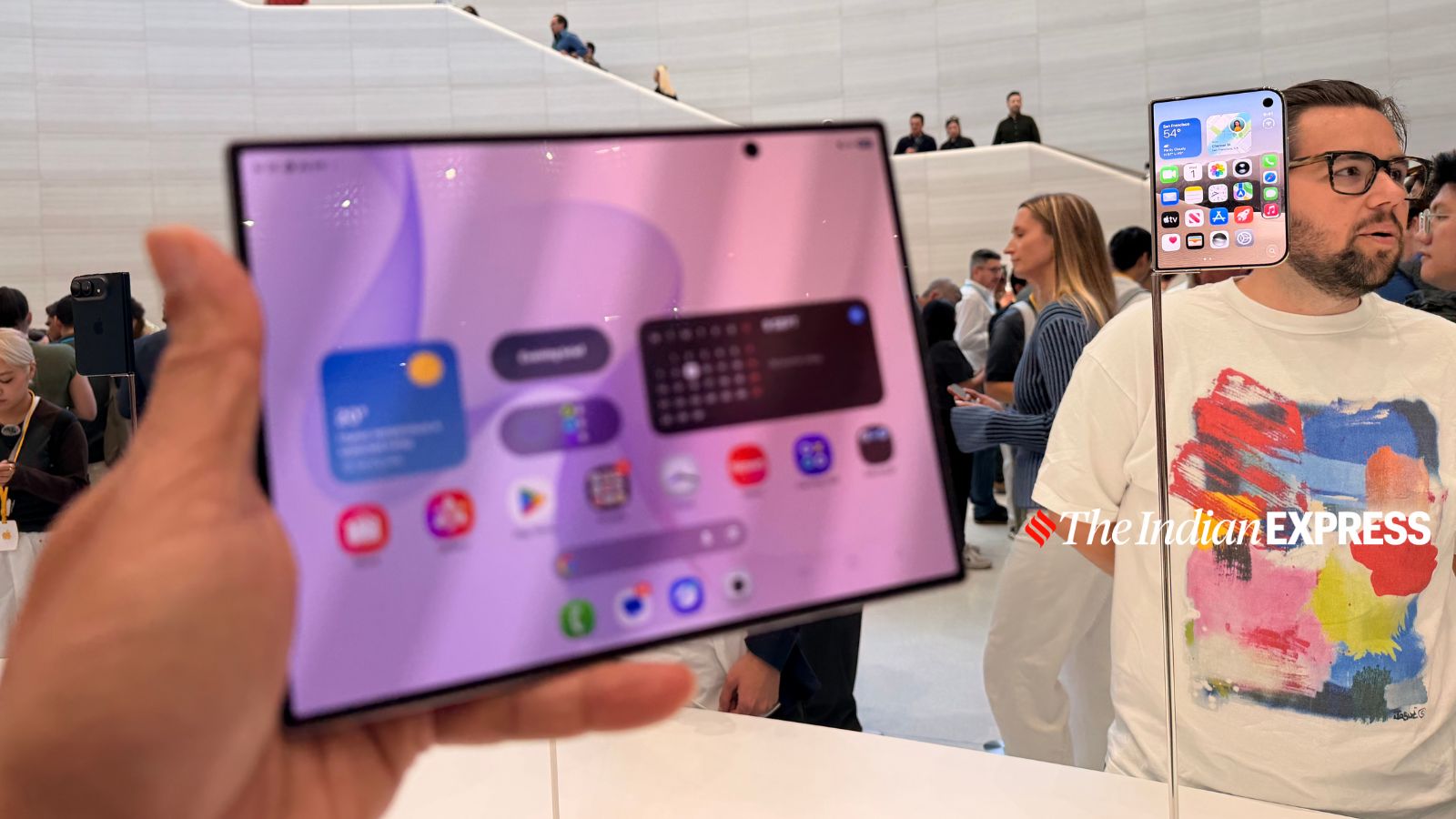
CUPERTINO — Holding the new iPhone Duo, Apple’s long-awaited and heavily anticipated entry into the foldable smartphone market, it becomes immediately apparent that the company spent years carefully observing the evolution of competing devices. Rather than rushing to be first, Cupertino watched as pioneers like Samsung ironed out early structural flaws—grappling with fragile displays, stiff hinges, and a skeptical public. As a result, nothing about the Duo feels like a rudimentary first attempt.
Instead of mimicking the folding smartphone landscape that Android manufacturers spent nearly a decade building, Apple has carved its own distinct path. By combining advanced display engineering with calculated market timing, the tech giant is poised to upend the ultra-premium mobile segment.
1. Main Facts: Engineering the iPhone Duo
At first glance, the iPhone Duo avoids many of the traditional pitfalls that have plagued foldable devices since their inception.
Conquering the Crease
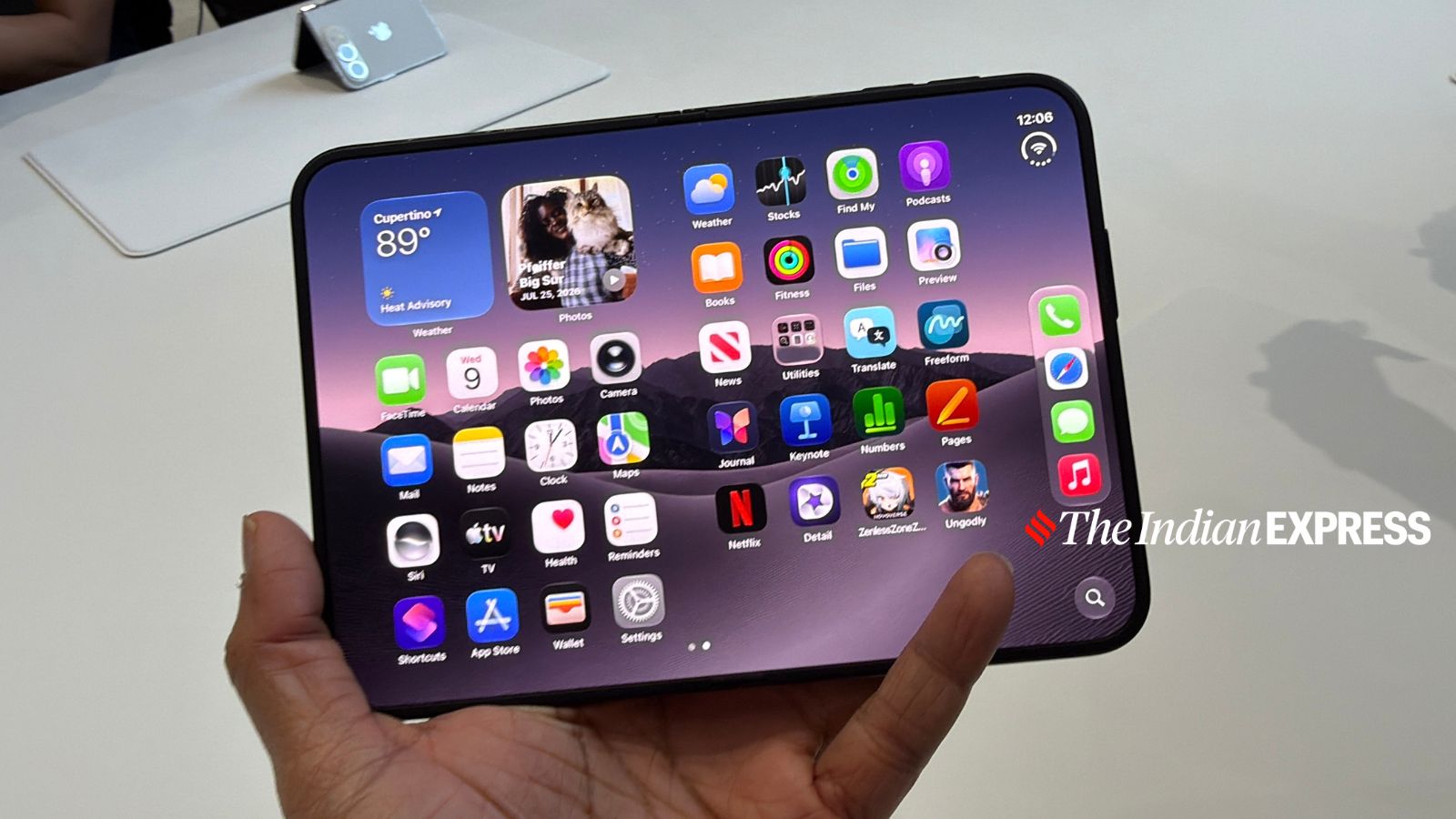
Seven years into the commercial lifecycle of foldable phones, the physical crease down the middle of the screen remains the industry’s most persistent talking point. Rather than attempting the near-impossible feat of entirely eliminating the crease through mechanical redesigns alone, Apple has opted for a clever optical solution.
The company utilized a specialized nano-texture display finish on the Duo. This surface treatment drastically reduces glare and minimizes the visibility of the fold line under various lighting conditions. The resulting effect is a display that, when unfolded, opens into something far closer to a seamless, iPad-like canvas than two separate phones awkwardly stitched together.
Design Heritage: A Nod to Microsoft
Interestingly, the Duo does not lean heavily into Samsung’s established design language. Instead, it evokes memories of a form factor the industry had largely left behind: the Microsoft Surface Duo. Industry insiders suggest Apple began exploring this particular dual-screen-adjacent form factor around the time Microsoft announced its foldable endeavor six years ago—with the "Duo" moniker itself serving as a subtle nod to that foundational attempt.
Despite being a debut generation product, analysts note that Apple’s hardware and software integration feels remarkably mature.
2. Chronology: The Road to Cupertino’s Foldable Debut
- Circa 2019–2020: Competitors launch early-generation foldable devices. Samsung introduces the original Galaxy Fold, while Microsoft unveils the dual-screen Surface Duo. Apple observes from the sidelines, letting rivals absorb the heavy costs of consumer education, component refinement, and market skepticism.
- Over the Next Several Years: Android manufacturers iterate through multiple generations of foldables, gradually improving durability, software multitasking, and hinge mechanisms while the form factor remains a niche, ultra-luxury category.
- September 2026: Apple officially unveils the iPhone Duo in Cupertino, marking its official entry into the foldable market.
- September 10, 2026: Global media hands-on reviews highlight the device’s unique nano-texture finish, design maturity, and ecosystem readiness.
- 2026–2027 Projections: Industry analysts forecast massive commercial success, predicting Apple will capture the lion’s share of global foldable revenues and potentially overtake Huawei as the top foldable vendor by 2027.
3. Supporting Data & Financial Economics
While the hardware engineering is impressive, the true catalyst driving Apple into this category now is macroeconomic strategy.
Pricing and Global Availability
- United States: The iPhone Duo debuts at $1,999, a price point roughly $500 below initial Wall Street expectations. Even so, this represents a 1.6x markup over the $1,209 average selling price of a standard iPhone.
- India: In the Indian market, the device will retail at Rs 2,99,900, carrying a substantial regional markup. Experts anticipate this will immediately expand the country’s ultra-premium foldable segment in terms of total value, even if unit volumes remain restrained.
Market Projections and IDC Forecasts
According to data from the International Data Corporation (IDC), Apple is projected to sell more than 10 million Duo units in its first 12 months, generating an estimated $27 billion in revenue.
This financial windfall is expected to propel Apple to the position of largest foldable vendor globally by 2027, unseating current market leaders like Huawei. This shift occurs against a broader industry backdrop where overall Android foldable unit sales are forecast to experience double-digit declines through the remainder of 2026.
Despite these impressive figures, foldables remain a specialized sector of the broader smartphone market. IDC forecasts that foldables will grow from accounting for just 2.2% of global smartphone units in 2026 to a modest 3.1% by 2030. However, their contribution to global industry revenue is projected to surge as high as 10% over the same timeframe.
4. Official Responses & Industry Analysis
Industry experts and market researchers have offered extensive commentary on Apple’s strategic entry into the foldable space, highlighting both the hardware prowess and the shifting economic realities of the smartphone industry.
-
Francisco Jeronimo, Vice-President of Devices at IDC:
Jeronimo emphasized that the core strategic point of the foldable category is the massive chasm between unit growth and value growth."The value growth rate materially exceeds unit growth, confirming that foldables remain a premium-value opportunity rather than a volume-led smartphone category," Jeronimo noted.
He argued that the true measure of the Duo’s success won’t be whether it becomes an immediate Day 1 purchase for the average consumer, but whether it can "capture a disproportionate share of category revenue by setting the premium reference point." Summarizing Apple’s unique market position, Jeronimo added: "Apple is on course to capture most of the foldable revenues. It has found the rare product where scarcity and profit rise together."
-
Neil Shah, Vice President of Research at Counterpoint Research:
Shah praised the engineering execution of the device, stating that despite being a first-generation product, the Duo "has hit all the right notes with respect to differentiation on both hardware and software engineering." Furthermore, Shah pointed to Apple’s tightly integrated developer ecosystem as a decisive long-term advantage over Android competitors, ensuring that third-party applications will optimize seamlessly for the foldable canvas. Regarding regional impact, Shah expects the device to significantly boost India’s foldable segment "in terms of value but not volume" for the foreseeable future.
5. Strategic Implications: A Shift in Apple’s Philosophy
The launch of the iPhone Duo represents a fascinating case study in corporate strategy, highlighting a distinct evolution in how Apple approaches new technology categories.
The New "Fast Follower" Playbook
Historically, the Steve Jobs era was defined by an instinct to entirely define new product categories from scratch—creating entirely new paradigms rather than waiting for external markets to mature. Devices like the iPhone and iPad were quintessential category-creators.
With the iPhone Duo, however, Apple has deployed a familiar modern playbook: allow competitors to absorb the early, high-risk capital expenditures of establishing a nascent market, iron out technical glitches, and educate hesitant consumers. Once the groundwork is laid, Apple steps in with a polished, highly refined product designed to capture pent-up demand from its loyal iOS base.
Weathering Slowing Upgrade Cycles
With overall global smartphone sales slowing and consumer upgrade cycles lengthening significantly, hardware manufacturers are under intense pressure to protect their profit margins. By introducing a $1,999 device that commands high profit margins without requiring massive unit shipments, Apple is effectively insulating its financial model against market saturation.
As the smartphone industry navigates an era of incremental year-over-year upgrades, the iPhone Duo proves that Apple is betting heavily on high-value prestige and ecosystem synergy. By capturing the lion’s share of foldable revenue, Cupertino has once again demonstrated its uncanny ability to let others test the waters—before jumping in to claim the entire ocean.