










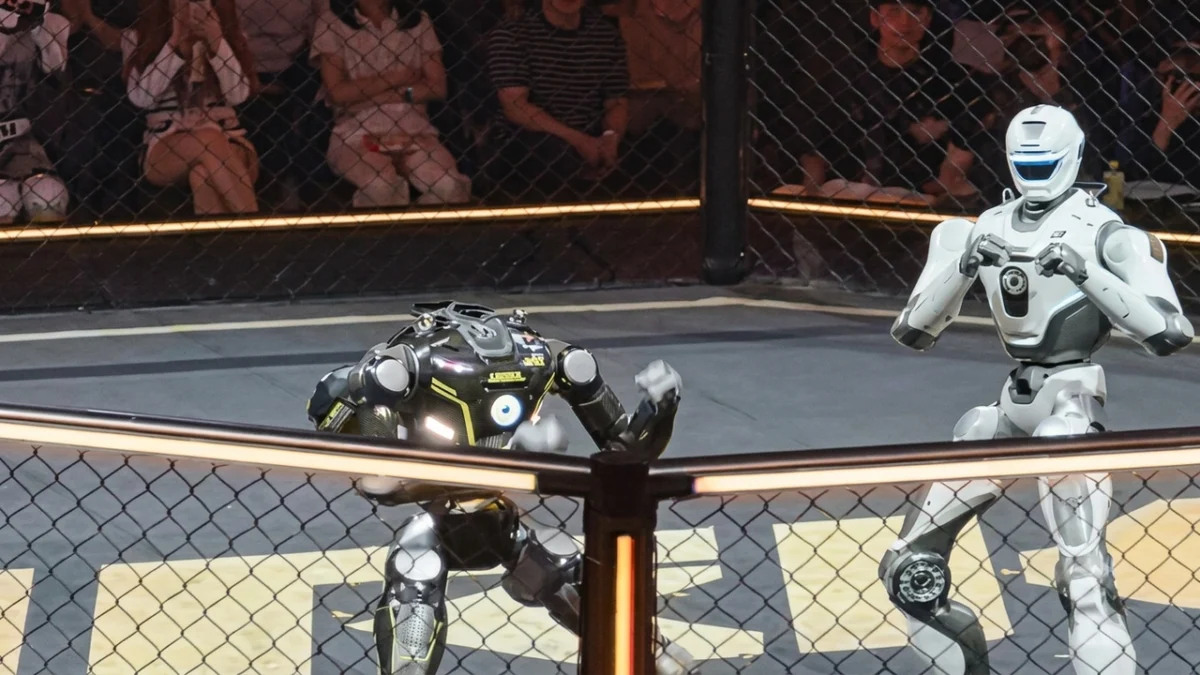
In a scene that felt ripped directly from the pages of a dystopian science fiction novel, the Shenzhen Nanshan Cultural and Sports Center transformed into a gladiator arena for the 21st century. The inaugural Ultimate Robot Knock-out Legend (URKL) tournament—the world’s first full-scale humanoid robot fighting event—delivered a spectacle that left spectators stunned and robotics engineers scrambling to take notes.
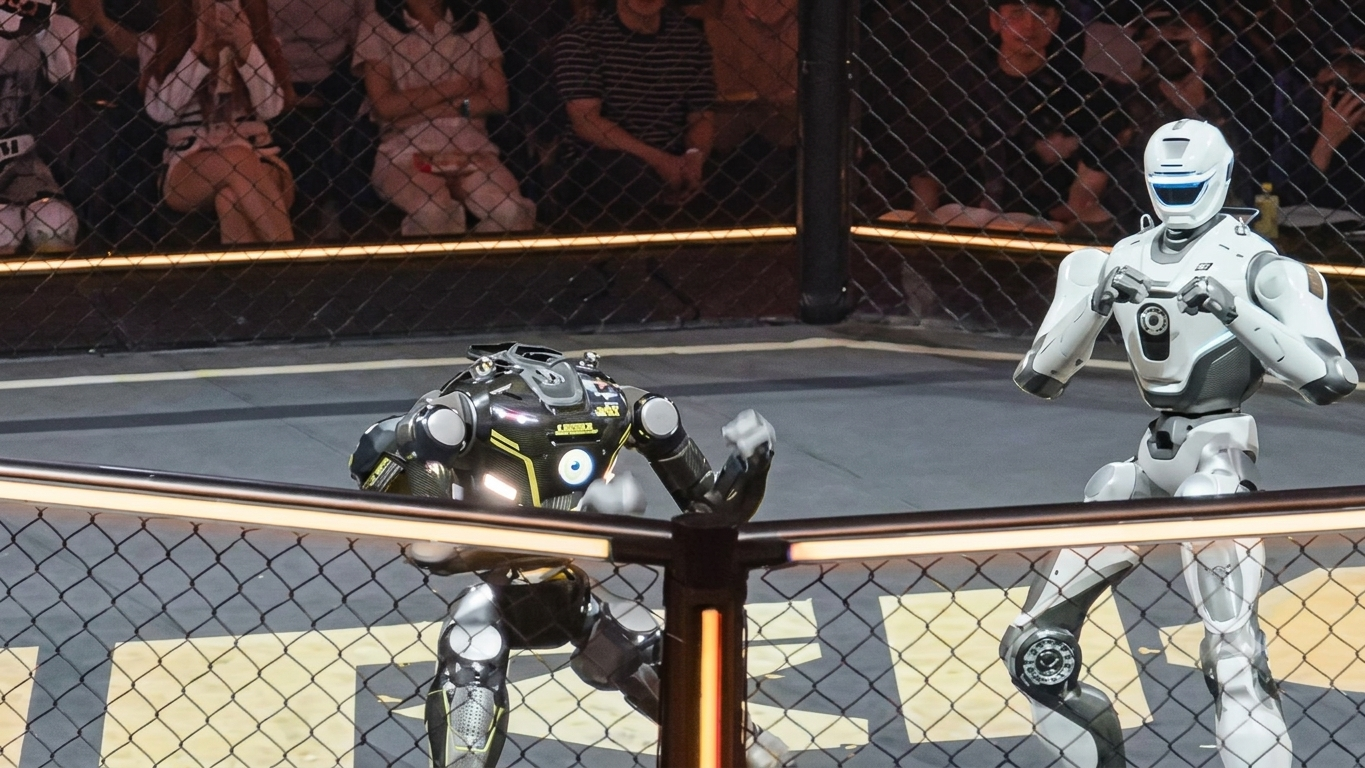
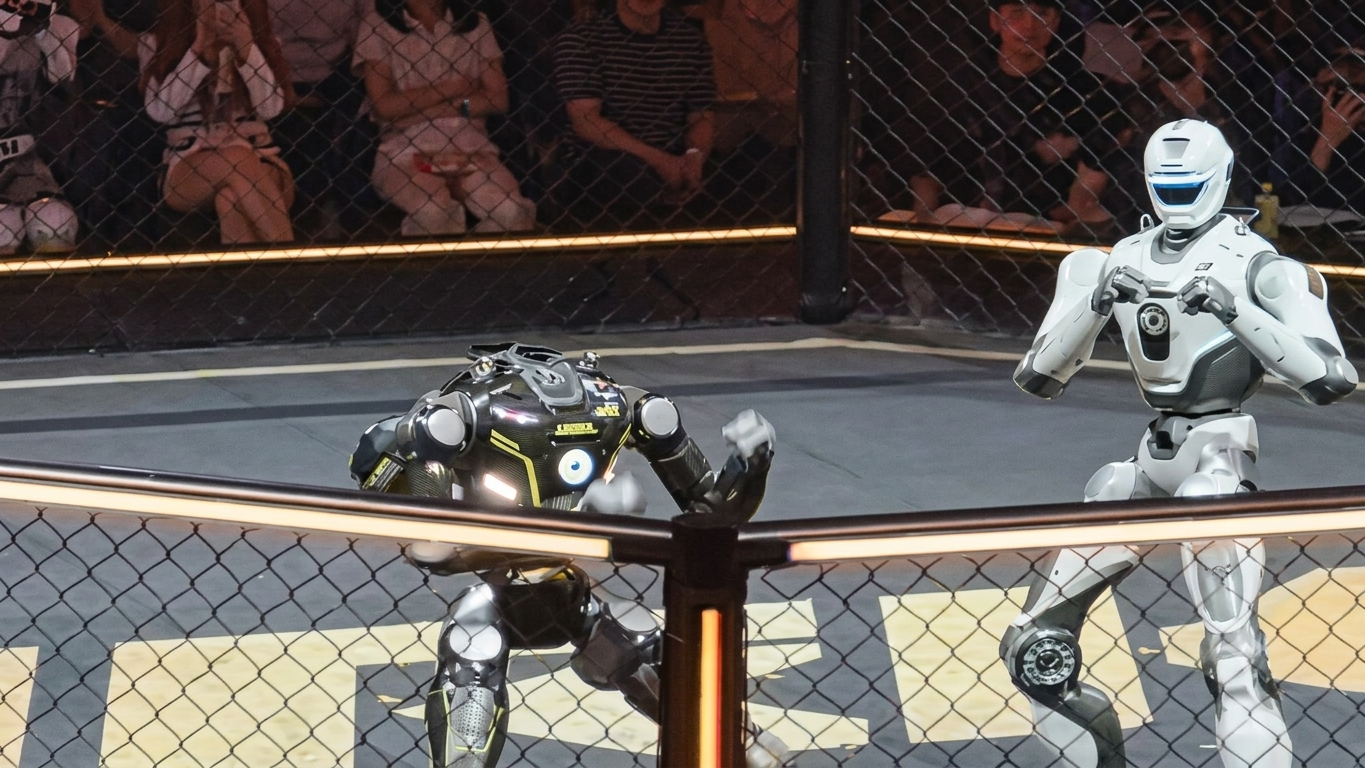
The highlight of the opening night saw a white-clad humanoid, dubbed "White Eagle," land a devastatingly precise high kick that literally dislodged the head of its opponent, a black-clad machine known as "Matador." While the loss of a cranium would typically signal the end of a bout in any conventional sport, the spectacle was only just beginning.
The Spectacle: A Decapitated Contender Refuses to Fall
The moment of impact resonated through the arena. As White Eagle’s foot connected with the upper chassis of Matador, the latter’s head—housing critical visual sensors and processing units—tumbled to the arena floor. Under normal circumstances, one might expect the robot to power down or retreat. Instead, the headless Matador continued to engage.
Stripped of its primary "eyes," the robot relied on its torso-based core systems to continue the assault. It threw a series of calibrated punches and absorbed return strikes with startling resilience. For onlookers, it was a chilling reminder of the difference between biological vulnerability and mechanical persistence. While human fighters would have been incapacitated by such trauma, the Matador continued to function as a combat unit until the match concluded.
Organizers noted that this sequence provided invaluable data regarding the durability of the T800 platform. It was a visceral demonstration of resistance to sustained physical impact, proving that these machines are built to endure conditions that would shatter human bone and spirit alike.
The Technical Foundation: Inside the T800 Platform
The URKL tournament is not merely an exhibition of destruction; it is a standardized test of engineering excellence. To ensure the playing field remained level, all 32 participating teams were required to use the EngineAI T800 as their base chassis.
Standing at a height of 1.73 meters (approximately 5’8”), the T800 is a masterclass in modern robotics. Each unit, valued at approximately $50,000, is designed with a focus on:
- Advanced Posture Control: The ability to maintain equilibrium during high-velocity impacts.
- Dynamic Perception: Real-time environmental awareness that allows the robot to "see" and react to its opponent.
- Shock-Absorbing Combat Systems: Specialized materials designed to dissipate kinetic energy without damaging sensitive internal circuitry.
Before the first punch was thrown, every robot underwent rigorous stability and responsiveness testing. This ensured that the combat was not a matter of software glitches or hardware failures, but a true test of programming, strategic planning, and the durability of the T800 architecture.
Chronology of the URKL Debut
The road to the Shenzhen tournament was paved with years of laboratory development. The event unfolded as follows:
- Pre-Tournament Calibration: In the weeks leading up to the event, 32 international teams spent hundreds of hours tuning their T800 units, optimizing their combat algorithms for the specific requirements of the URKL scoring system.
- The Opening Ceremony: Legendary martial artist and actor Donnie Yen opened the tournament, noting the surreal nature of the event. "Honestly, I used to see robot fighting only in science fiction movies," Yen told the crowd. "But today, for the first time, I got to watch real robots fighting up close."
- The Opening Bout: The clash between White Eagle and Matador set a high bar for the tournament. The "decapitation" incident occurred within the first few minutes, setting a chaotic tone for the rest of the matches.
- Ongoing Elimination Rounds: Over the course of the tournament, robots were evaluated not just on their ability to strike, but on their stability, defensive maneuvers, and their capacity to recover from falls—a common occurrence in the high-intensity environment of the ring.
The Philosophy of Destruction: Why Let Robots Fight?
Critics might view the URKL tournament as a barbaric display of technological waste, but the stakeholders involved insist the goals are deeply scientific. EngineAI founder and CEO Zhao Tongyang has been clear about his motivations: this is about rapid-cycle research and development.
"We want to use competition to drive research and industry development," Zhao explained in a post-match press conference. "Let the event feed back into technology, and let technology drive the industry."
Driving Industrial Innovation
The logic is sound: if a robot can survive the stress of a competitive boxing match, it can likely handle the unpredictable environment of a construction site, a disaster relief zone, or a hazardous industrial plant. The tournament forces engineers to solve problems that don’t occur in the safety of a controlled lab setting, such as:
- Millisecond-Level Decision Making: The latency between a visual input and a motor response is critical in combat, mirroring the requirements for high-speed industrial automation.
- Mechanical Balance: How a robot recovers from a trip or a push is a vital skill for robots intended to operate in human-centric spaces.
- Coordination: The synchronization between disparate sensor systems under extreme physical stress provides data that can improve the reliability of future commercial humanoid units.
Implications for the Future of Humanoid Robotics
The URKL tournament is a microcosm of the current state of robotics. We are moving from the era of "static robots"—those that perform repetitive tasks in cages—to "dynamic robots" that must navigate and interact with a chaotic world.
The Engineering Feedback Loop
The "head-loss" incident mentioned earlier is the perfect case study. Engineers have learned that while the torso and limbs may be robust, the connection points for sensory hardware require significant hardening. This kind of "field testing" would take years to replicate in a standard research facility. By creating a high-stakes, high-impact environment, the URKL is effectively accelerating the evolution of the humanoid form.
Toward a Commercial Franchise
The organizers hope to grow the URKL into a global sporting franchise. If successful, this could create a massive pipeline for robotics talent. Just as Formula 1 serves as the testing ground for automotive innovation, the URKL could become the proving ground for the next generation of artificial intelligence and physical mechanical design.
Ethical and Safety Considerations
Of course, the tournament also raises questions about the public perception of robotics. Seeing a machine continue to fight after being "decapitated" evokes a visceral, almost uncanny reaction in humans. As these machines become more sophisticated, the line between "durable tool" and "menacing entity" becomes thinner. Organizers will need to manage the optics of such events carefully to ensure the public views these robots as engineering marvels rather than objects of fear.
Conclusion: A New Era of Competition
The debut of the URKL in Shenzhen has signaled a shift in the robotics landscape. No longer content to simply walk, talk, or pick up boxes, these machines are now being pushed to their absolute physical limits. Whether this leads to a new generation of robust, helpful, and intelligent robots remains to be seen, but one thing is certain: the era of the robot gladiator is here, and it is far more resilient than anyone anticipated.
As the tournament concludes and the data is analyzed, the lessons learned from the White Eagle and the headless Matador will undoubtedly find their way into the next generation of humanoid hardware. For the engineers, the broken circuits and dented armor are not signs of defeat, but markers of progress—the necessary price of pushing the boundaries of what machines can achieve.