






For decades, the landscape of Indian media treated the transgender community as a monolith—a demographic either erased entirely from the screen or relegated to the suffocating confines of tired stereotypes. Mainstream cinema and television often reduced trans characters to functional, narrow archetypes: the source of comic relief, the pitiable victim, or the tragic antagonist. These depictions lacked the essential oxygen of lived reality, leaving the audience with a distorted view of what it means to be trans in India.
However, the narrative is shifting. We are currently witnessing a transitional era where layered portrayals are becoming more frequent, and visibility is widening. Yet, as this visibility increases, so does the scrutiny. The industry remains locked in an unresolved debate regarding authenticity, creative agency, and the fundamental question: who holds the authority to tell these stories? At the epicenter of this cultural pivot is Ella D’Verma—a model, actor, and digital creator who is not just participating in the conversation, but actively recalibrating it.
The Digital Renaissance: Rewriting the Rules of Engagement
While traditional media outlets struggled to modernize their approach, social media quietly revolutionized the representation landscape. For many queer and trans individuals, digital platforms served as the first genuine stage for self-expression. YouTube, Instagram, and burgeoning content-creation ecosystems enabled individuals to bypass the traditional gatekeepers of film and television.
This shift moved narrative control from institutional boardrooms to the individuals living the experiences. Ella D’Verma embodies this digital-first evolution. By documenting her own journey with radical honesty, she built a foundational connection with an audience hungry for truth. Over time, her creative portfolio expanded from personal reflection to high-fashion modeling, beauty commentary, and rigorous critiques of contemporary culture. By refusing to be siloed, D’Verma has become a standard-bearer for a new wave of creators who are reclaiming the definition of trans identity in the public imagination.
Chronology of a Shift: From Margin to Mainstream
To understand the current state of representation, one must look at the trajectory of the last two decades.
- The Era of Erasure (Early 2000s): Transgender representation in Indian media was largely non-existent or confined to caricatured supporting roles.
- The Catalyst of Digital Media (2015–2018): As affordable data and smartphones surged, independent creators began bypassing traditional production houses, finding direct audiences on social platforms.
- The Visibility Boom (2019–2022): Brands and legacy media began to acknowledge the "queer market," leading to an increase in tokenized appearances and "Pride-month" marketing.
- The Demand for Complexity (2023–Present): Creators like D’Verma are now leading a movement that prioritizes creative craft over "identity-based" casting, demanding that trans talent be seen as professionals first and representatives second.
The Burden of Visibility: A Conversation with Ella D’Verma
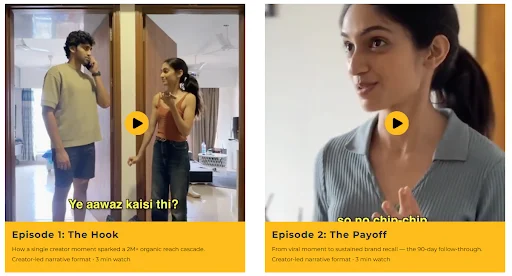
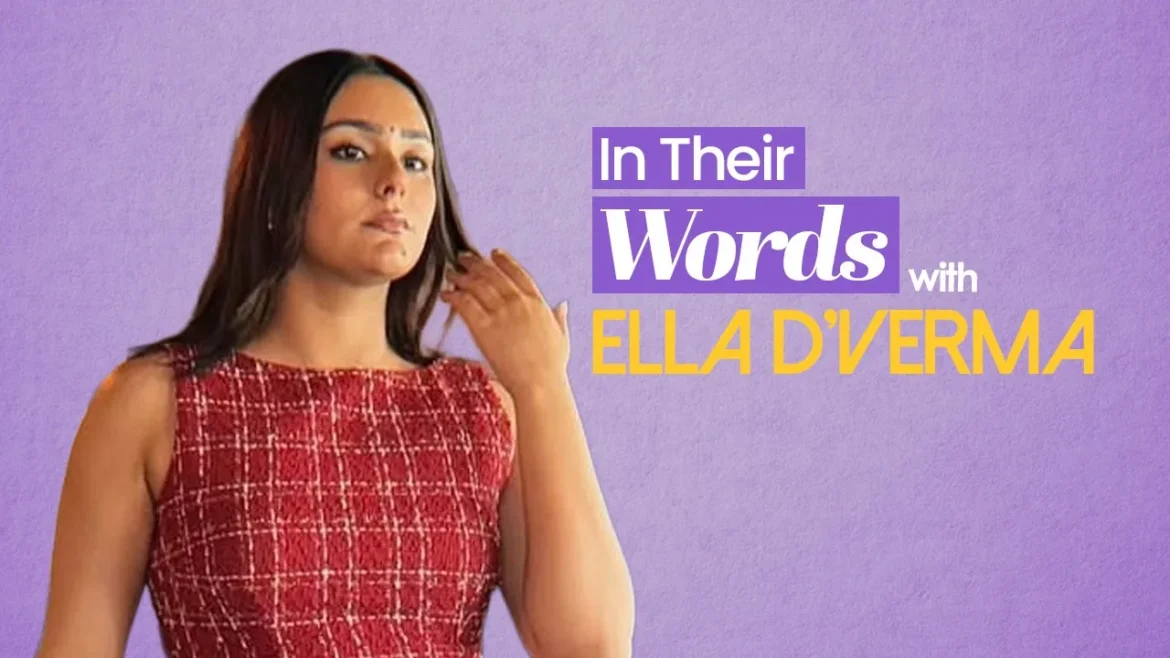
In a recent episode of the series In Their Words, D’Verma offered a searing critique of the current media landscape. When asked about growing up without representation, she noted that the absence of mirrors in society forced an early, intense hyper-awareness.
"When you grow up without representation, confusion doesn’t linger for long," D’Verma explains. "You’re constantly observing, decoding, and piecing yourself together without a reference point. That builds an early, sometimes painful, self-awareness because you’re trying to name something the world hasn’t yet named for you."
For younger queer people today, she argues, representation serves a vital function: it provides context. It validates their existence. However, she warns against the "trap of visibility." Visibility, while necessary, is not a substitute for nuance. "It needs to hold contradiction and the full spectrum of human experience, not just simplified versions that are easy to consume."
Gender as Social Currency
One of the most profound insights D’Verma shares concerns the social mechanics of transition. She notes that the way the world treats her has shifted drastically—not necessarily because of her personality, but because of how society reads her gender.
"Before my transition, people projected ideas of strength, authority, and emotional range onto me," she observes. "Afterward, those assumptions shifted toward softness, vulnerability, and at times, even diminished capability."
This realization highlights that gender is, in many ways, a social currency that dictates the degree of agency one is afforded in professional and private spheres. By navigating both sides of this divide, D’Verma has gained a unique perspective on the systemic power dynamics that govern modern interaction.
The Professional Pivot: Moving Beyond "Identity-First"
A significant tension in the creator economy is the tendency for brands and casting directors to "pigeonhole" trans talent. When asked about the early days of her career, D’Verma admitted that her identity often felt like the headline, while her actual work—her craft, her aesthetic, her perspective—was treated as a footnote.
"I’ve always seen myself primarily as a creator," she asserts. "The difference now is intention. I am far more selective, choosing collaborations with brands that see the full picture—not just who I am, but what I bring to the table."
This sentiment underscores a broader industry issue: the "tokenization" of queer creators. Many brands engage with the queer community only during specific cycles, such as Pride month. D’Verma argues that this is "participation," not "partnership." True investment, she posits, requires long-term commitment and the willingness to fund storytelling that is not strictly confined to the subject of being trans.
Implications for the Future: Structural Inclusion
As we look toward the next decade, the conversation must evolve from "inclusion" to "integration." Currently, trans inclusion is often treated as a special category, a niche concern for HR departments or casting directors. D’Verma envisions a future where this becomes obsolete.
"True progress would mean queer people existing fully in narratives where their queerness is not the central subject," she says. "Where they are simply protagonists, professionals, lovers, villains, and everything in between."
Key Takeaways for Industry Leaders:
- Stop Packaging Pain: Audiences are often fed narratives of trans trauma because it fits a convenient, consumable structure of "struggle and survival." True equity requires the production of trans joy, success, and mundane happiness.
- Structural, Not Conditional: Real progress is not about a temporary campaign; it is about embedding trans individuals into the foundational structures of the media industry.
- Prioritize Craft: When working with creators, focus on their specific skills—whether in writing, directing, or acting—rather than just their identity.
Conclusion: Toward a New Standard
The evolution of representation in India is at a crossroads. While we have moved beyond the total erasure of the past, we are still caught in a cycle of "safe" visibility—a version of representation that fits neatly into the marketing needs of major corporations.
Ella D’Verma’s work serves as a reminder that the goal is not merely to be seen, but to be understood in our full, messy, and glorious complexity. The challenge for the next ten years is to dismantle the "special category" of trans identity in media and replace it with a world where that identity is simply one of many facets of a human life. When trans existence is no longer a conversation about "progress," but is instead the standard of human representation, we will know we have arrived.
For now, the work of creators like D’Verma continues: challenging, reshaping, and—most importantly—demanding that we look past the surface to see the person underneath.