










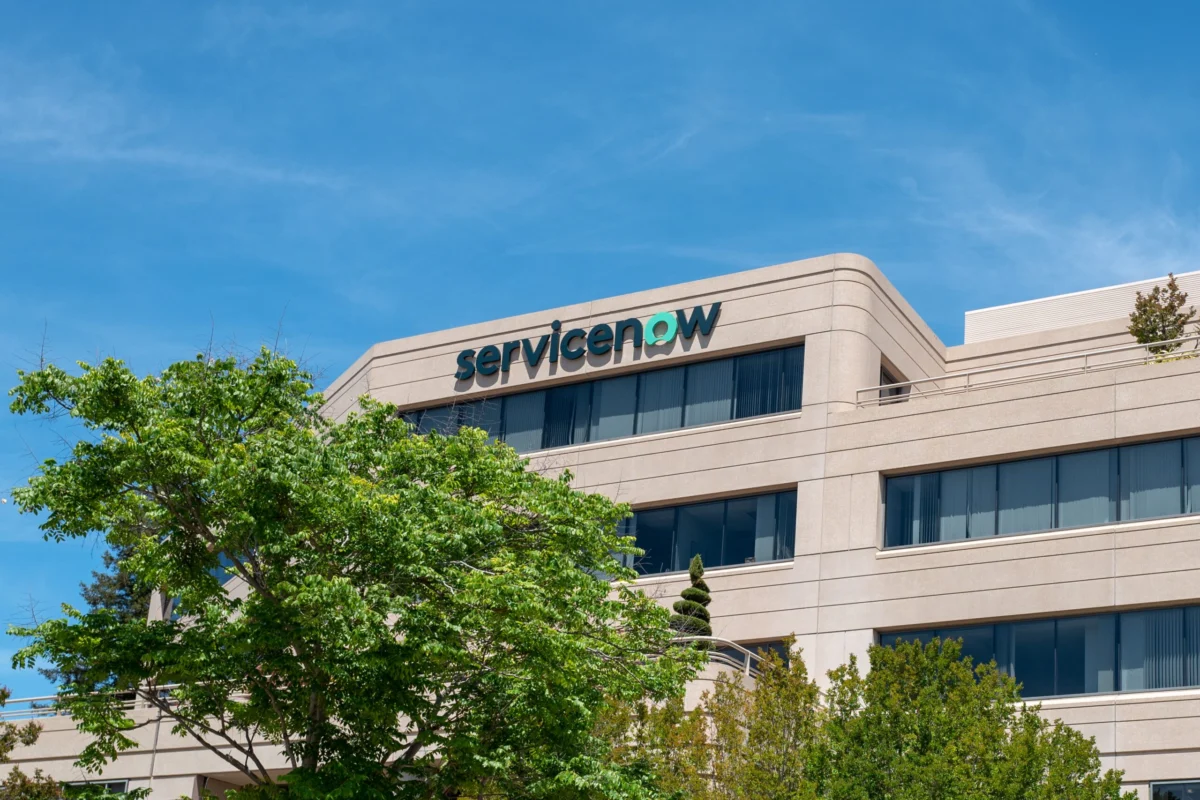
In a move that signals a significant shift in the global enterprise software landscape, U.S.-based ServiceNow has announced a $40 million investment in BusinessNext, the Noida-based banking software specialist. This strategic infusion of capital values the 24-year-old Indian firm at approximately $700 million and grants ServiceNow a roughly 5% stake in the company.
Beyond the immediate financial transaction, the deal represents a symbiotic "marriage of convenience" between a global workflow automation giant and an agile, AI-native specialist in the financial services sector. By integrating BusinessNext’s specialized banking expertise with ServiceNow’s expansive global sales infrastructure, the two entities aim to capture a larger share of the rapidly digitizing global banking market.
Main Facts: The Anatomy of the Deal
The partnership is structured not merely as a capital injection but as a tactical collaboration. ServiceNow, known for its prowess in IT service management and HR operations, is seeking to deepen its footprint in the highly regulated and complex world of financial services.
- Investment Value: $40 million.
- Company Valuation: $700 million.
- Stake Acquired: Approximately 5%.
- Strategic Goal: Leveraging ServiceNow’s global "go-to-market machinery" to accelerate BusinessNext’s international expansion.
- Joint Offering: A unified platform combining BusinessNext’s customer-facing banking workflows with ServiceNow’s robust back-office and workflow automation systems.
For BusinessNext, the choice to partner with ServiceNow over purely financial investors was deliberate. Founder and CEO Nishant Singh emphasized that the partnership provides the company with immediate access to a global sales network that would otherwise take years to cultivate independently.
Chronology: From CRMNext to Autonomous Banking
To understand the current trajectory of BusinessNext, one must look at its evolution over the past two decades. Founded in 2002, the company spent its first two decades operating under the brand name "CRMNext." During this period, it established itself as a reliable provider of customer relationship management software tailored for the unique requirements of the banking industry.
Key Milestones:
- 2002: The company is founded, focusing on specialized CRM solutions for financial institutions.
- 2021: BusinessNext secures a valuation of $181 million, according to data from the private market intelligence platform Tracxn. At this stage, it had already raised over $60 million from investors including Avataar Ventures, Norwest Venture Partners, and Ascent Capital.
- 2022: A pivotal year for the firm. The company undergoes a comprehensive rebrand to "BusinessNext," signaling a shift from traditional CRM tools toward an "autonomous banking" architecture.
- 2024: The company secures a $40 million strategic investment from ServiceNow, marking a transition into a global partnership phase.
Throughout this timeline, the company remained profitable, a rarity among many high-growth SaaS firms. In its latest financial year, BusinessNext reported approximately $32 million in revenue, with a client base spanning India, Southeast Asia, the Middle East, and the United States.
Supporting Data: The Global Footprint
BusinessNext’s success is built on its ability to serve some of the most demanding financial institutions in the world. Its current client roster includes the Reserve Bank of India, the State Bank of India (the nation’s largest public-sector lender), and HDFC Bank (the country’s largest private-sector lender).
Currently, the company employs more than 1,300 people. While it is rooted in India, its geographic footprint is increasingly global. According to CEO Nishant Singh, roughly 50% of the firm’s revenue is currently generated from outside of India. This international diversification is a cornerstone of the firm’s growth strategy, with the new partnership expected to accelerate penetration into Western markets where BusinessNext has historically maintained a limited presence.
The platform is designed to handle "autonomous banking," a concept that uses AI agents to manage complex workflows while ensuring sensitive data remains within private, compliant infrastructure—a non-negotiable requirement for central banks and global lenders.
Official Responses and Strategic Rationale
The leadership from both firms has framed the partnership as a response to the "inflection point" currently facing the financial services industry.
"India’s financial services sector is at an inflection point—institutions are moving from digital experimentation to full-scale AI-led operations," stated Kulmeet Bawa, ServiceNow’s group vice president and managing director for India and SAARC. Bawa highlighted that the combination of ServiceNow’s enterprise workflow platform with BusinessNext’s deep banking domain knowledge creates a unique value proposition for global banks struggling to modernize legacy systems.
Nishant Singh, CEO of BusinessNext, described the deal as a "strategic partnership, which is cemented with funding." He noted that the company’s decision to pivot toward an AI-native stack was intentional. "We actually renamed our company and we kind of rewrote our stack to put that [AI] fundamentally at the core," Singh explained. He noted that the partnership allows BusinessNext to "borrow" ServiceNow’s sales infrastructure, effectively bypassing the friction of entering new, highly competitive markets.
Implications: The Future of AI in Banking
The implications of this deal extend far beyond the two companies involved. It highlights a growing trend in the enterprise software sector: the transition from "Generalist SaaS" to "AI-Native Vertical Solutions."
1. Pressure on Legacy SaaS
As global enterprises scrutinize their IT spending, they are increasingly questioning the value of traditional, broad-spectrum SaaS tools. There is a palpable demand for software that is purpose-built for specific industries—like banking—and integrated with AI from the ground up. ServiceNow’s move to partner with a vertical specialist is a direct response to this market pressure.
2. The Rise of "Autonomous Banking"
The focus on "autonomous banking" suggests that the next generation of banking software will not just record transactions or manage data; it will proactively execute banking workflows. By utilizing AI agents that operate within private, secure environments, companies like BusinessNext are addressing the regulatory hurdles that have previously kept banks from fully adopting generative AI.
3. Consolidation and Strategic Partnerships
For larger platforms like ServiceNow, acquiring or partnering with specialized, profitable firms like BusinessNext is an efficient way to expand their portfolio. Rather than building a banking-specific suite from scratch, ServiceNow is "buying" the domain expertise, the client base, and the product-market fit that BusinessNext has spent 24 years refining.
4. Globalizing Indian SaaS
This deal serves as a testament to the maturation of the Indian software product ecosystem. BusinessNext’s journey from a domestic CRM player to an international AI-banking powerhouse, backed by a global software giant, sets a precedent for other Indian SaaS firms looking to bridge the gap between regional dominance and global scalability.
Conclusion
The $40 million investment by ServiceNow into BusinessNext is a strategic signal that the future of banking lies in the seamless integration of AI-driven autonomy with enterprise-grade workflow systems. As financial institutions move from the experimentation phase into the implementation of full-scale AI operations, the partnership creates a formidable contender in the global market.
For BusinessNext, the deal provides the resources and the "machinery" to transition into a truly global entity. For ServiceNow, it provides a specialized, high-growth engine within the critical financial services vertical. As both companies integrate their respective stacks, the industry will be watching closely to see how this "autonomous" vision performs in the real-world, high-stakes environment of global finance.