










In the rapidly evolving landscape of mobile technology, the "foldable wars" have transitioned from a proof-of-concept phase to a sophisticated battle of ergonomics and industrial design. For years, Samsung Electronics has held the mantle as the pioneer of the book-style foldable category. However, as competitors—particularly Chinese manufacturers like Oppo, Vivo, and Honor—have aggressively pushed the boundaries of chassis thickness, the pressure on Samsung to innovate has reached a fever pitch.
Recent reports suggest that Samsung is preparing to reclaim its technological dominance with the upcoming Galaxy Z Fold 7. By targeting a radical reduction in physical dimensions, the tech giant aims to set a new industry benchmark, positioning the Z Fold 7 not just as a functional powerhouse, but as the thinnest book-style foldable smartphone ever conceived.
The Core Revelation: Redefining the Form Factor
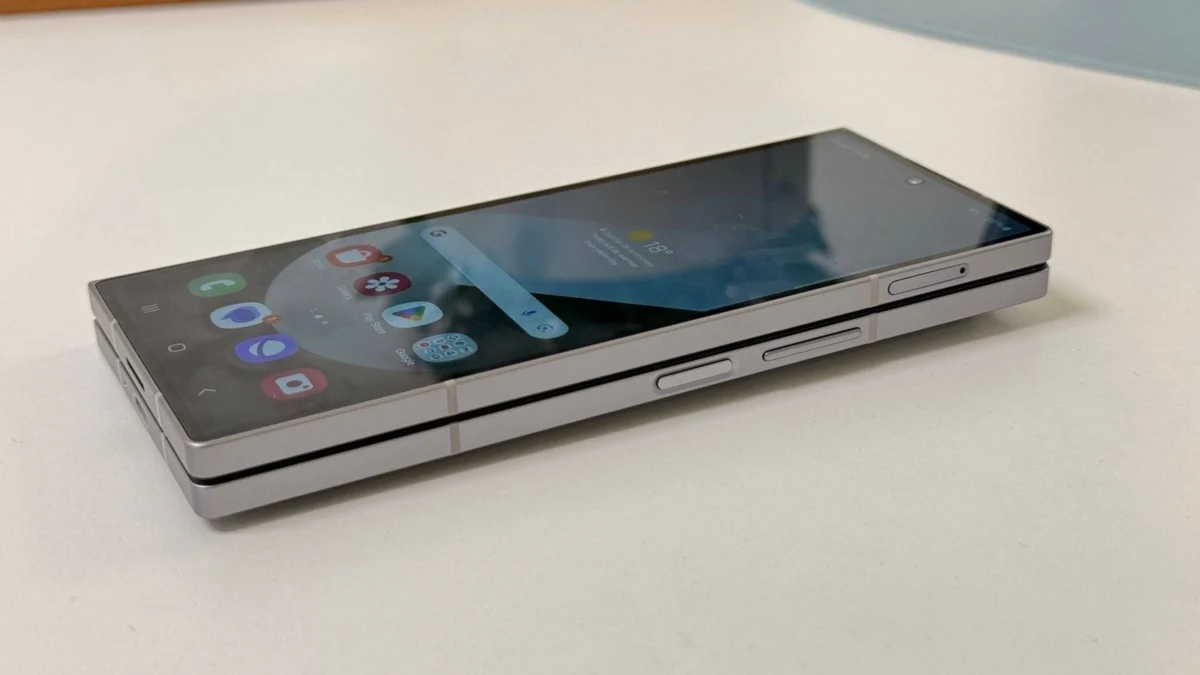
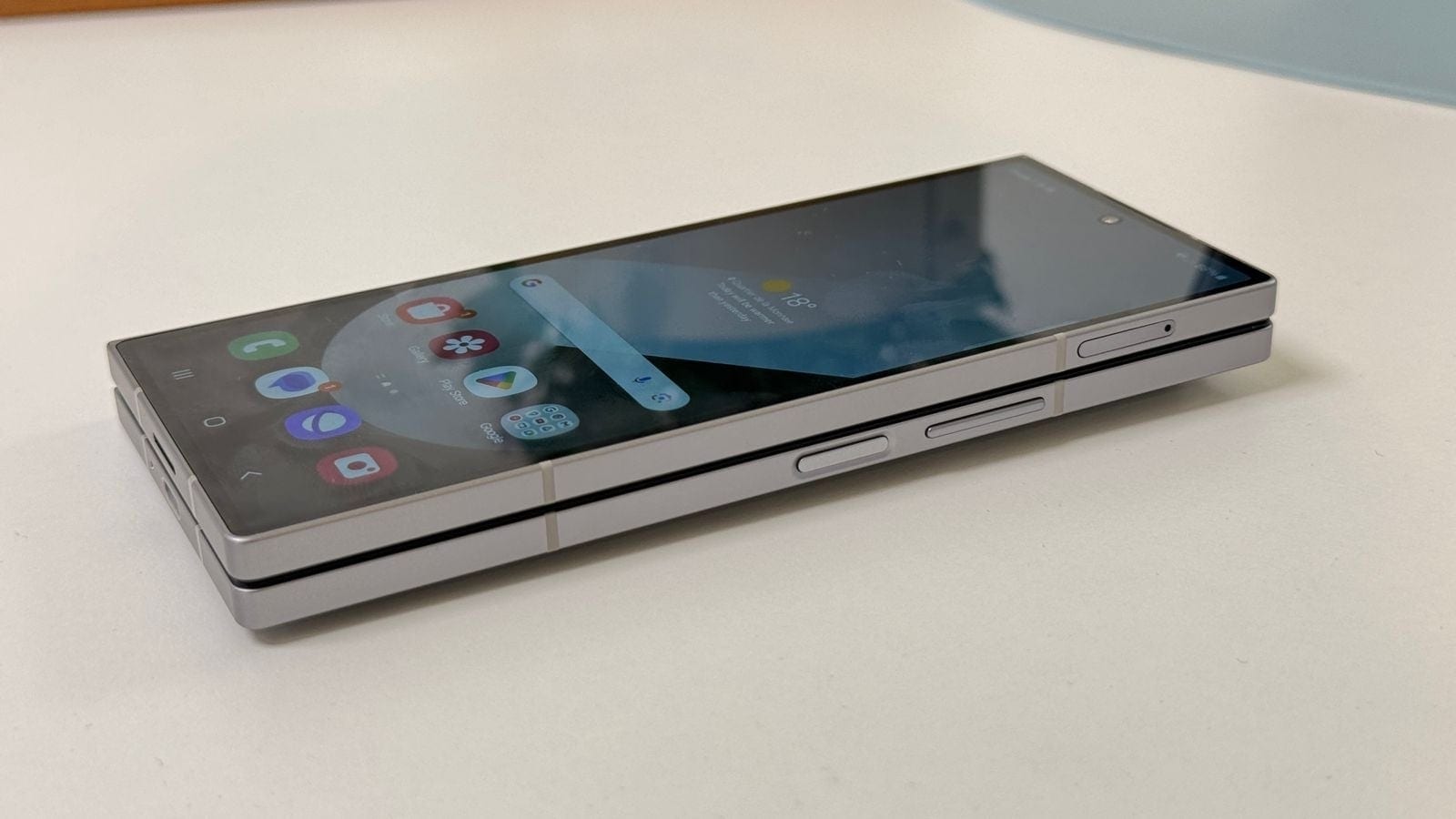
The latest leak, brought to light by prominent industry tipster Ice Universe, has sent ripples through the tech community. According to the data, the Galaxy Z Fold 7 is expected to measure an astonishing 3.9mm in thickness when in its unfolded state. When folded, the device is projected to measure just 8.9mm.
To put these figures into perspective, the predecessor—the Galaxy Z Fold 6—measured 5.6mm when unfolded. A reduction of 1.7mm might sound incremental to the layperson, but in the realm of high-precision mobile engineering, it represents a monumental achievement. If these figures hold true, Samsung will officially dethrone the Oppo Find N5, which currently holds the record for its ultra-slim 4.2mm profile.
This shift signals a fundamental change in Samsung’s design philosophy. For years, the company prioritized durability and internal component protection, often resulting in a thicker, boxier silhouette. The shift toward a sub-4mm unfolded thickness indicates that Samsung has successfully optimized its hinge mechanics and internal component stacking, proving that they can marry high-performance internals with a sleek, premium aesthetic.
A Chronological Evolution: From Prototype to Perfection
To understand the magnitude of this transition, one must look back at the trajectory of the Galaxy Z Fold series.
The Experimental Years (2019–2020)
The inaugural Galaxy Fold was a bold, albeit bulky, experiment. It was defined by a narrow cover screen and a visible gap in the hinge. It was thick, heavy, and prioritized utility over elegance. The Galaxy Z Fold 2 refined the design, introducing a larger external display, but the device remained fundamentally cumbersome.
The Maturation Phase (2021–2023)
With the Z Fold 3 and Z Fold 4, Samsung introduced IPX8 water resistance and S-Pen compatibility, establishing the device as a legitimate productivity tool. However, the "gap" remained a point of contention. The introduction of the "teardrop" hinge design in the Z Fold 5 finally allowed the phone to close completely flat, significantly reducing the gap between the two halves of the device.
The Thinning Era (2024–2025)
The Galaxy Z Fold 6 marked a refinement in weight distribution and screen aspect ratios. However, as competitors showcased devices that felt almost as thin as standard smartphones, the Z Fold 6 began to look slightly dated in terms of pure ergonomics. The upcoming Galaxy Z Fold 7 is the culmination of this five-year learning curve, focusing on the "impossible" goal of making a foldable as thin as a premium candy-bar phone.
Technical Specifications: Power Meets Portability
While slimness is the headline, the internal hardware of the Galaxy Z Fold 7 promises to be equally impressive. Based on current industry intelligence, here is what consumers can expect:
Display Architecture
The device is rumored to feature a 6.5-inch cover display, providing a more natural, smartphone-like experience for quick tasks. When opened, it will reveal an expansive 8-inch main foldable display. Sources indicate that Samsung has invested heavily in a new, more durable hinge mechanism that is designed to minimize the display crease, which has historically been the "Achilles’ heel" of foldable technology.
Processing Power and Memory
Under the hood, the Z Fold 7 is expected to be powered by the Qualcomm Snapdragon 8 Elite processor. This chipset, known for its extreme efficiency and AI-processing capabilities, will likely be paired with 12GB of RAM. Storage options are expected to mirror the flagship standards, starting at 256GB and extending up to a massive 1TB, ensuring that the device remains a tool for professionals and power users.
The Camera Conundrum
One of the primary challenges in making a device thinner is the physical space required for camera sensors. Samsung is reportedly overcoming this by implementing a triple rear camera setup that includes:
- A 200MP Main Sensor: Likely an iteration of the high-resolution sensors found in the S-series, capable of incredible detail.
- 12MP Ultrawide Lens: Optimized for expansive landscape and architecture photography.
- 10MP Telephoto Lens: Providing optical zoom capabilities that remain a staple for professional mobile photography.
Battery Life Considerations
Despite the significant reduction in thickness, the Z Fold 7 is expected to house a 4400mAh battery—identical to the capacity found in the Z Fold 6. While some critics argue that this lacks growth, industry analysts suggest that the increased efficiency of the Snapdragon 8 Elite processor will likely offset the smaller physical footprint, offering equal or better longevity than its predecessor.
Competitive Implications: The Global Landscape
Samsung’s pivot toward an ultra-slim design is not happening in a vacuum. The Chinese smartphone market has become a hotbed for foldable innovation. Brands like Honor (with the Magic V series) and Oppo (with the Find N series) have successfully marketed their devices as "fashion-forward" technology. By adopting a 3.9mm profile, Samsung is essentially stripping away the competitive advantage that these brands have used to lure away traditional Samsung users.
Furthermore, this move puts pressure on other global manufacturers like Google and Motorola. If Samsung—the industry’s largest producer of foldables—can manage a sub-4mm design while maintaining a high standard of quality control and global supply chain reliability, other manufacturers will be forced to accelerate their own research and development cycles to keep pace.

Consumer Impact and Future Outlook
For the average consumer, this evolution signifies a change in how we perceive foldables. Historically, buying a foldable meant compromising on portability; you accepted the extra weight and thickness in exchange for a tablet-sized screen. With the Z Fold 7, that compromise is effectively neutralized.
However, a thinner device brings its own set of concerns, particularly regarding durability. Will a 3.9mm device be as resistant to accidental drops or pressure? Samsung will likely need to emphasize its use of advanced materials—potentially aerospace-grade titanium or next-generation Gorilla Glass—to reassure consumers that "slim" does not equate to "fragile."
As we approach the official launch date, which is expected to be within the next two months, the tech world remains in a state of high anticipation. The Z Fold 7 represents more than just a new product iteration; it represents a statement of intent. Samsung is telling the market that they are not content to simply be a leader in market share—they intend to be the leader in industrial design and engineering perfection.
Conclusion
The transition toward ultra-slim foldables is the logical next step for the industry. As foldable screens become more common, the focus must shift from "how do we make it fold?" to "how do we make it feel like an everyday device?"
With the Galaxy Z Fold 7, Samsung is clearly aiming to answer that question with a resounding, thin-profile statement. By balancing the raw power of the Snapdragon 8 Elite with a refined, 3.9mm-thin chassis, Samsung is positioning itself to capture the premium segment once again. Whether this design will hold up under the rigors of daily use remains to be seen, but one thing is certain: the bar for foldable smartphones has been raised significantly.
As we look toward the official unveiling, the question for enthusiasts is no longer whether they should buy a foldable, but whether any other device can possibly compete with the engineering marvel that Samsung is poised to unleash. The race for the world’s slimmest foldable is reaching its climax, and all eyes are on Samsung to see if they can indeed reclaim their crown.



