










The 2026 flagship smartphone market has officially redefined the boundary between technological excess and functional necessity. With foundational models like the standard iPhone 17 creeping close to the emotional and financial psychological barrier of Rs 1 lakh in the Indian market, Original Equipment Manufacturers (OEMs) are no longer simply competing on incremental upgrades. Instead, they are radically pushing the physical limits of what a mobile device can achieve.
From ultra-dense 2-nanometer silicon architectures and sophisticated on-device artificial intelligence engines to variable-aperture optics, fluid foldable screen mechanics, and desktop-class performance, the latest tier of flagships represents a watershed moment for consumer electronics. Whether opting for a traditional candy-bar form factor or an expansive, crease-free folding display, buyers face a market saturated with engineering marvels.
Following extensive, hands-on testing and evaluation of the retail hardware ecosystem—with the singular exception of the unreleased iPhone 18 Pro—this comprehensive market analysis breaks down how the premier flagships of 2026 stack up across technical specifications, pricing strategies, and genuine value for money.
1. The Anatomy of Modern Flagships: Main Facts
The current generation of high-end mobile devices is characterized by a few foundational industry shifts:
- The 2nm Silicon Transition: Both Apple and Google have migrated their top-tier pro silicon to 2nm process nodes, focusing aggressively on thermal efficiency and sustained high-load performance rather than simple peak synthetic benchmarks.
- Massive Power Densities: Battery capacities in traditional slabs have leaped forward, with powerhouses like the OnePlus 15 featuring unprecedented 7,300mAh cells without ballooning the device’s thickness.
- The Normalization of Foldables: Foldable technology has graduated from a fragile novelty to a robust, mainstream productivity category, led by innovations in titanium hinges and ultra-thin glass constructions.
- Computational and On-Device AI: Cloud dependency is taking a backseat. Localized neural processing units (NPUs) now execute complex multi-modal AI operations instantly on the device, safeguarding user privacy while enabling real-time tools like "vibe coding" and advanced generative imaging.
2. Chronology of the 2026 Flagship Rollout
The release schedule over the past year has seen manufacturers strategically stagger their hardware launches to capture key retail quarters:
- Early Q1 2026: Samsung kicked off the calendar year by unveiling the Galaxy S26 Ultra, setting an aggressive tone with its anti-reflective Gorilla Glass Armour and integrated S Pen productivity features.
- Mid-Q1 2026: Vivo answered with its camera-centric Vivo X300 Pro, targeting mobile photography purists with custom optical glass and the MediaTek Dimensity 9500 platform.
- Late Q2 2026: Motorola captured the mid-year spotlight by releasing the Razr Fold, democratizing folding screen real estate by bringing prices below the critical Rs 1.5 lakh threshold.
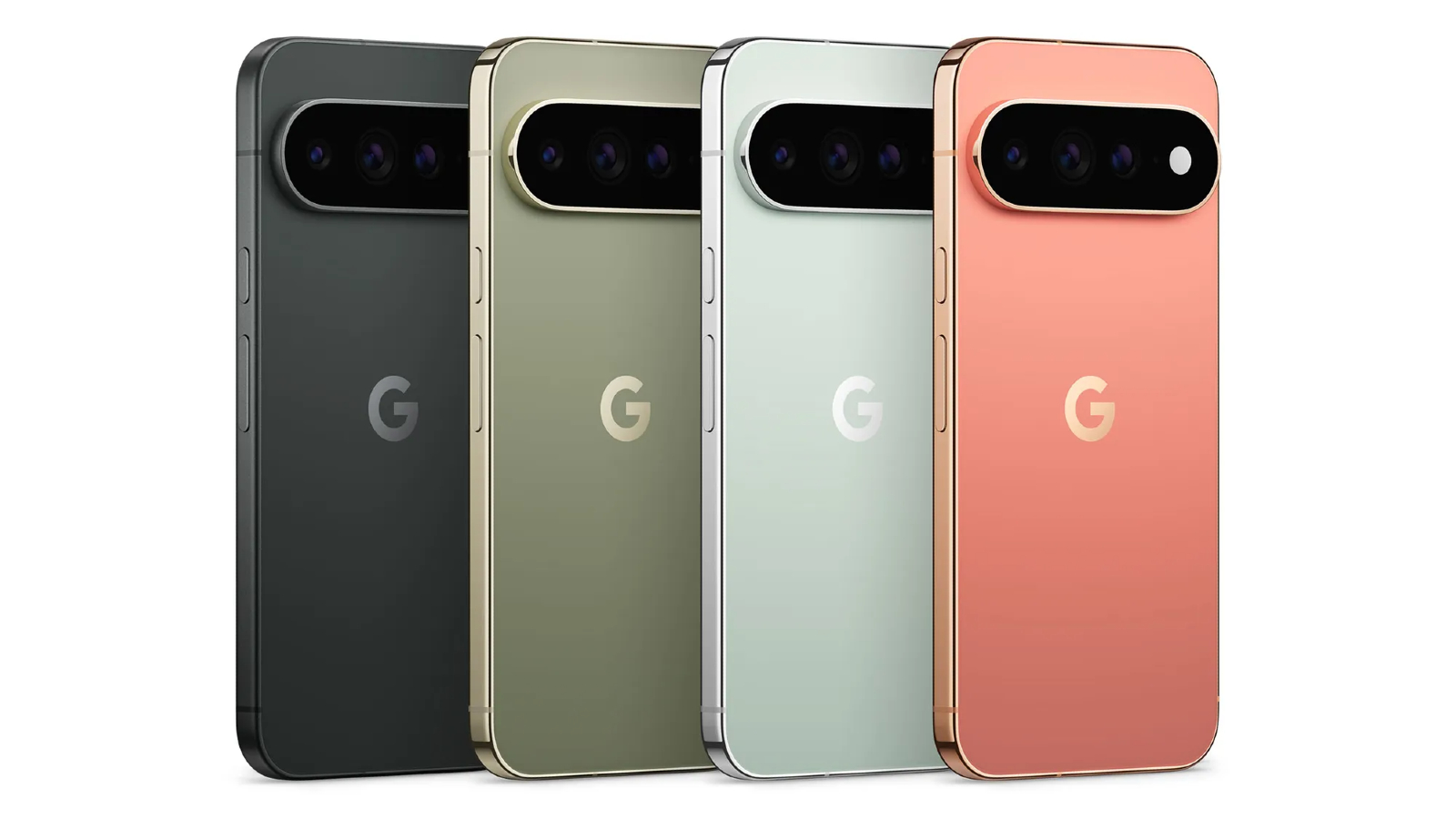
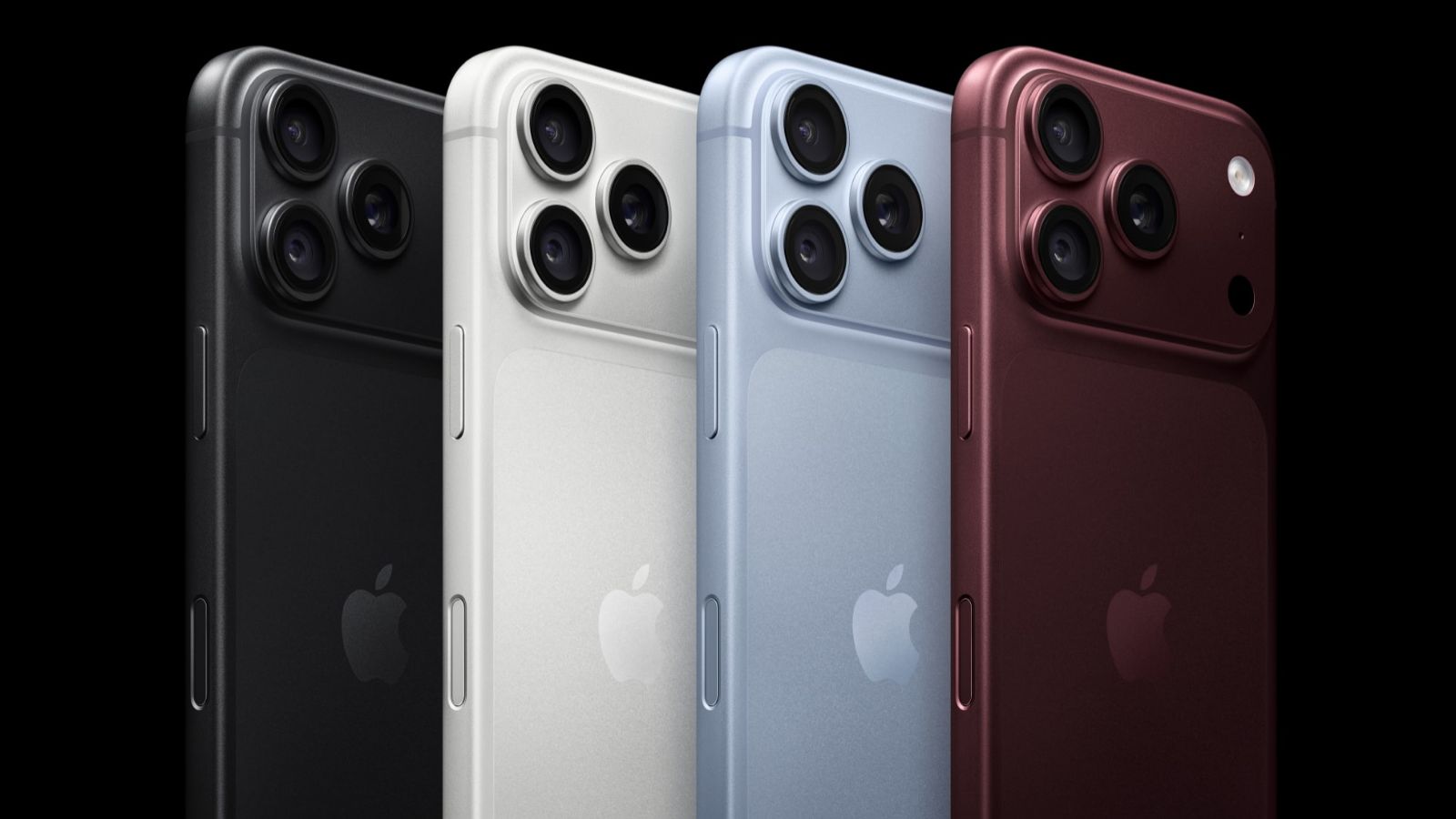
- Q3 2026: Google and Apple dominated the late-summer and early-autumn news cycles. Google introduced the Pixel 11 Pro with its localized Tensor G6 chip and distinctive "HiLight" camera module ring, closely followed by Apple’s headline-grabbing launch of the iPhone 18 Pro and subsequent price realignments across the broader iPhone 17 lineup.
- Late 2026: High-value disruptors like the OnePlus 15 and Samsung’s ultimate tablet-phone hybrid, the Galaxy Z Fold 8 Ultra, rounded out the year, cementing the ultra-premium tier.
3. Supporting Data: The 2026 Flagship Lineup Compared
To understand how these devices compete for consumer capital, their core specifications, pricing structures, and positioning are detailed below:
| Device Name | Core Processor | Display Technology | Key Camera Setup | Battery & Charging | Price (INR) |
|---|---|---|---|---|---|
| OnePlus 15 | Snapdragon 8 Elite Gen 5 | 165Hz AMOLED | Standard High-Res Array | 7,300mAh / 120W Wired | Rs 85,999 |
| Google Pixel 11 Pro | Tensor G6 (2nm) | 6.3" Super Actua 120Hz (3,600 nits) | 50MP + 48MP + 48MP | 4,850mAh | Rs 119,999 |
| Vivo X300 Pro | MediaTek Dimensity 9500 | 120Hz LTPO AMOLED | Custom Low-Light Sensors | Standard Flagship Cell | Rs 119,999 |
| Motorola Razr Fold | Snapdragon 8 Gen 5 | Fluid Inner Panel / Interactive Cover | Dual-Camera Setup | Optimized Foldable Cell | Rs 149,999 |
| Samsung Galaxy S26 Ultra | Snapdragon 8 Elite Gen 5 for Galaxy | 6.9" Dynamic AMOLED 2X w/ Armour Glass | 200MP Primary System | 5,000mAh / 60W Fast | Rs 159,999 |
| Apple iPhone 18 Pro | A20 Pro (2nm) | 6.3" Super Retina XDR 120Hz | 48MP Triple w/ Variable Aperture | Vapour Chamber / Efficient | Rs 164,900 |
| Samsung Galaxy Z Fold 8 Ultra | Snapdragon 8 Elite | 8-inch Main Inner Display | Ultra-Thin Multi-Camera | High-Density Folding Cell | Rs 199,999 |
4. Deep-Dive Device Reviews: Hardware, Value, and Target Audiences
Apple iPhone 18 Pro
- Starting Price: Rs 164,900
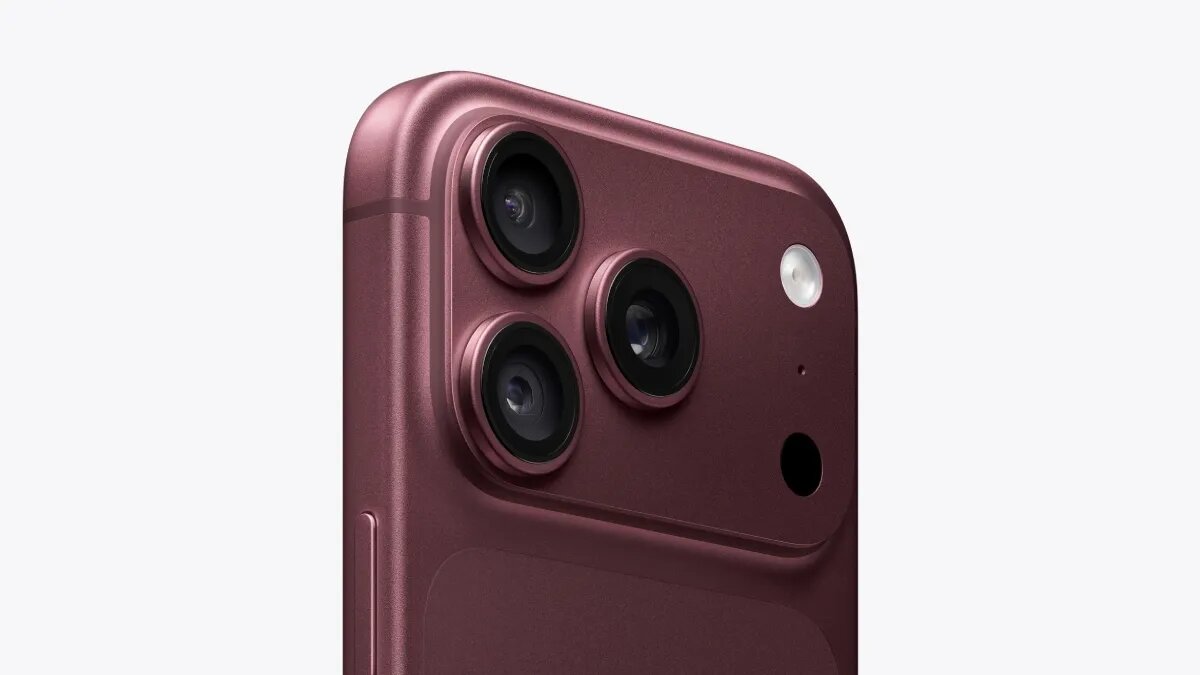
- Key Specifications: A20 Pro 2nm processor, 12GB RAM, 6.3-inch Super Retina XDR display (120Hz), 48MP triple-camera setup with variable aperture, and an innovative deionised water vapour chamber thermal management system.
The iPhone 18 Pro anchors itself as a masterclass in sustained high-load efficiency. By integrating an advanced vapour chamber cooling system alongside its raw 2nm A20 Pro silicon, Apple has addressed historical thermal throttling concerns under heavy gaming and cinematic video export loads. While the initial investment sits comfortably in the ultra-luxury tier, Apple’s industry-leading trade-in retention values and multi-year operating system lifespans significantly cushion the total cost of ownership over a 4-to-5-year upgrade cycle.
OnePlus 15
- Starting Price: Rs 85,999
- Key Specifications: Snapdragon 8 Elite Gen 5 chipset, 165Hz AMOLED display, massive 7,300mAh battery, and 120W wired fast charging.
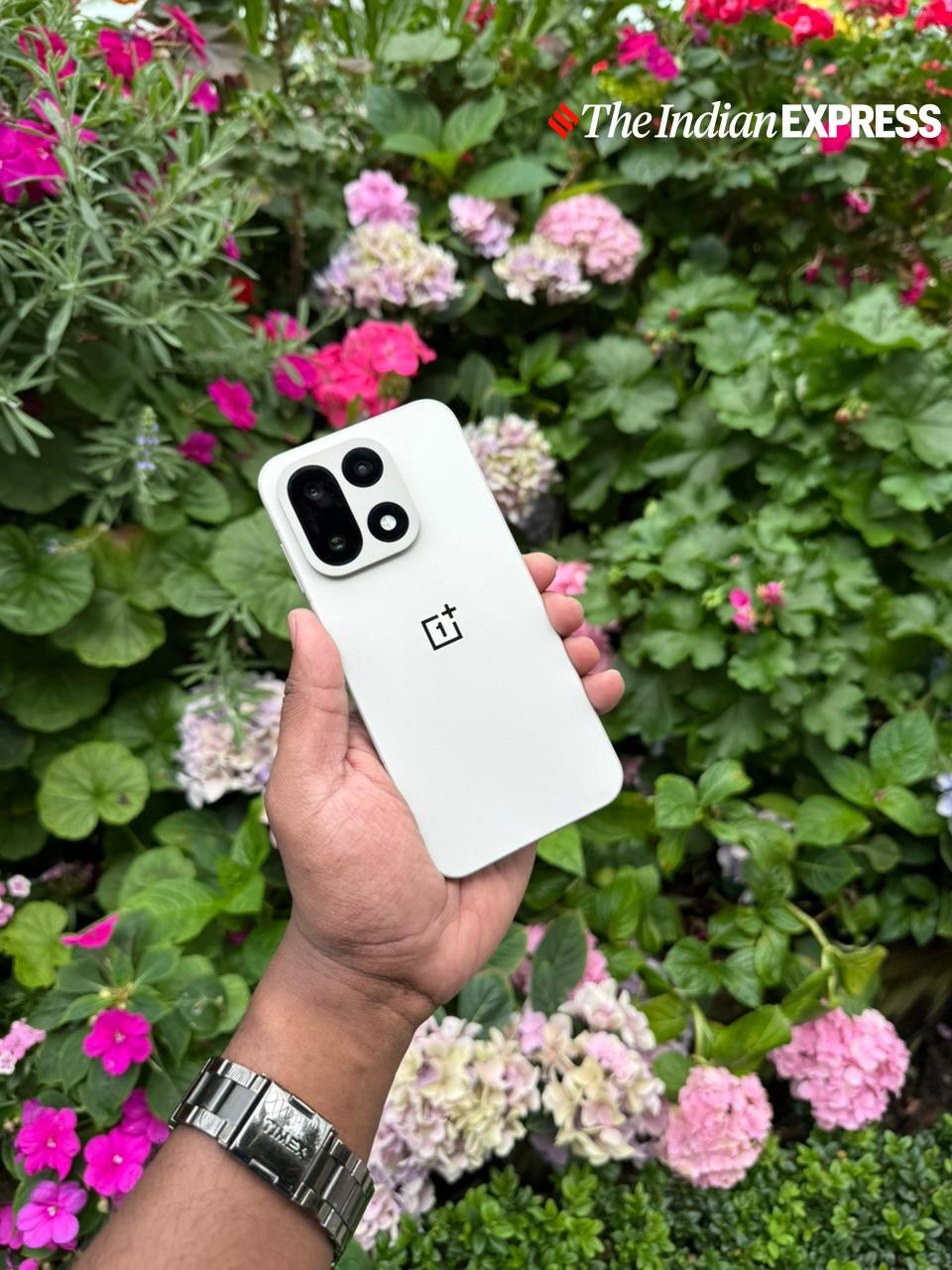
For consumers hunting a pure spec-to-rupee bargain, the OnePlus 15 continues to disrupt the market. Priced substantially lower than competing flagships, it refuses to compromise on core performance. While it omits niche luxury additions like a built-in stylus or extreme high-magnification telephoto periscope lenses, its staggering 7,300mAh battery paired with 120W charging makes it the most attractive value-focused purchase in the tier.
Google Pixel 11 Pro
- Starting Price: Rs 119,999
- Key Specifications: Tensor G6 2nm platform, 6.3-inch Super Actua 120Hz display (3,600 nits peak), 50MP + 48MP + 48MP rear cameras, and a 4,850mAh battery.
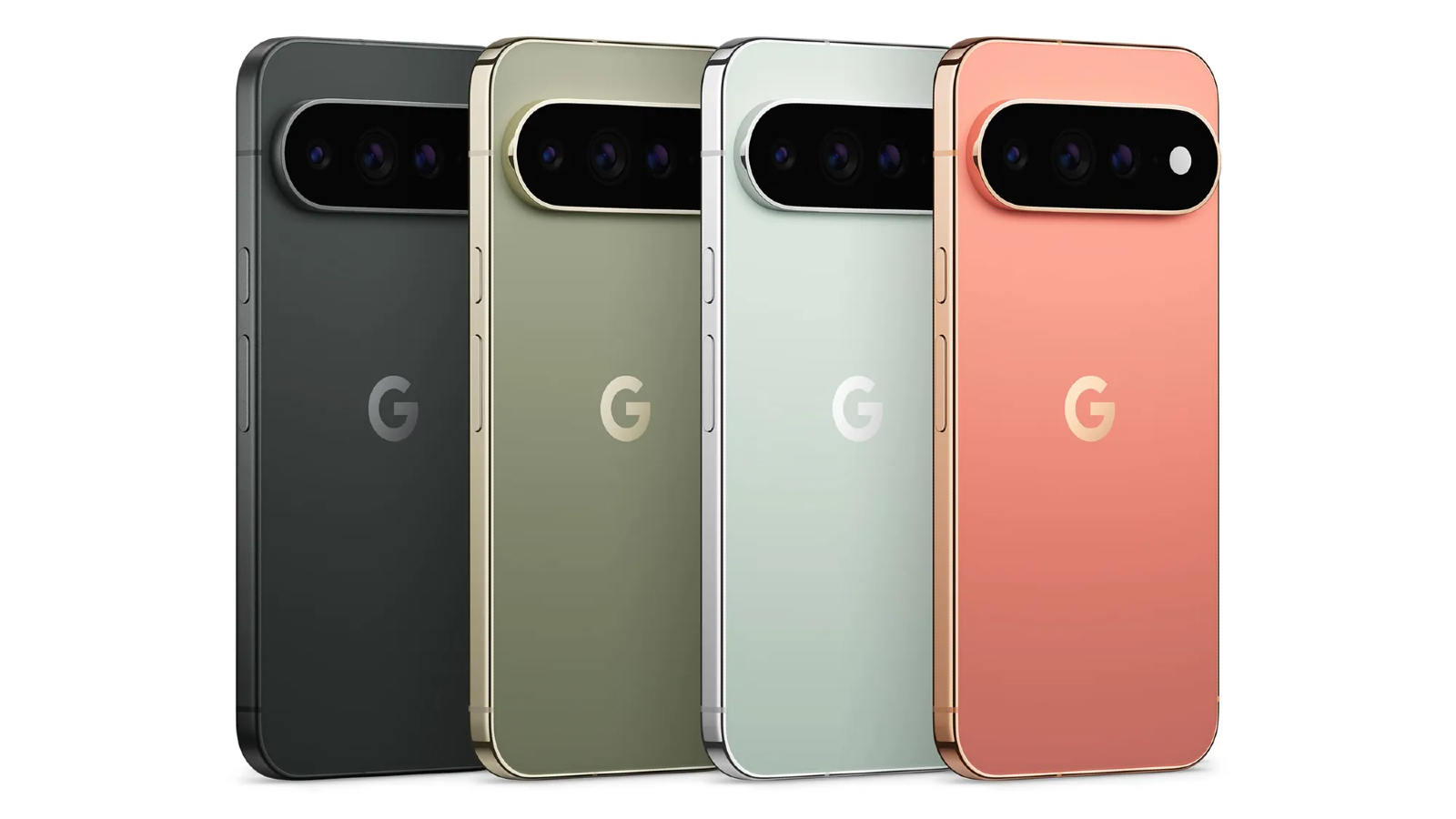
Google’s Pixel 11 Pro relies heavily on computational supremacy. Driven by the custom 2nm Tensor G6 chipset, the phone handles complex Gemini AI tasks natively on-device, bypassing cloud latency. Encased in a refined chassis featuring the distinctive "HiLight" notification ring outlining the camera module, and driven by a blindingly bright 3,600-nit panel, the Pixel 11 Pro caters directly to users who prioritize intuitive software integration and intelligent everyday utility over raw synthetic gaming benchmarks.
Vivo X300 Pro
- Starting Price: Rs 119,999
- Key Specifications: MediaTek Dimensity 9500 processor, OriginOS 7, custom low-light camera sensors, and a 120Hz LTPO AMOLED panel.
Positioned squarely against the Pixel 11 Pro, the Vivo X300 Pro is a specialized instrument built for camera purists. By pairing MediaTek’s top-tier Dimensity 9500 platform with custom optical glass and dedicated low-light imaging algorithms, Vivo delivers professional-grade mobile photography. For content creators and shutterbugs who demand DSLR-like clarity in adverse lighting conditions, the X300 Pro easily justifies its steep asking price.
Motorola Razr Fold
- Starting Price: Rs 149,999
- Key Specifications: Snapdragon 8 Gen 5 processor, titanium fluid hinge, crease-free internal panel, and a fully interactive cover display.
Motorola has radically shifted the foldable landscape with the Razr Fold. By utilizing a durable titanium fluid hinge that successfully eliminates the traditional screen crease, alongside a fully operational outer display, Motorola has delivered a high-end folding phone well below the Rs 2 lakh psychological barrier. It serves as an ideal entry route for early adopters craving tablet-sized screen real estate in a pocketable form factor.
Samsung Galaxy S26 Ultra
- Starting Price: Rs 159,999
- Key Specifications: Custom Snapdragon 8 Elite Gen 5 for Galaxy, 6.9-inch Dynamic AMOLED 2X display with anti-reflective Gorilla Glass Armour, 200MP primary camera, and a 5,000mAh battery with 60W fast charging.
The Galaxy S26 Ultra remains the undisputed Swiss Army knife of the mobile industry. Samsung has doubled down on practical durability and enterprise utility, introducing the glare-reducing Gorilla Glass Armour and an integrated Privacy Display feature to protect sensitive data in public spaces. Backed by a versatile 200MP camera ecosystem and the ubiquitous S Pen, its hardware suite remains unmatched for power users, business professionals, and mobile creators alike.
Samsung Galaxy Z Fold 8 Ultra
- Starting Price: Rs 199,999
- Key Specifications: Snapdragon 8 Elite processor, ultra-slim folding glass construction, and an expansive 8-inch main inner display.
Commanding the highest price tag on the market, the Galaxy Z Fold 8 Ultra strips away excess physical bulk to achieve an exceptionally thin folding chassis. Built strictly for the upper echelon of tech enthusiasts and enterprise power users, it provides an immersive 8-inch canvas designed to blur the operational line between a high-end smartphone and a portable workstation.
5. Official Responses and Industry Insights
Speaking on the shifting consumer paradigms of 2026, major industry executives have highlighted a pivot toward long-term value and practical utility over spec-sheet marketing.
Representative statements from leading manufacturers emphasize the following trajectories:
- On Artificial Intelligence Integration: Ecosystem leads note that consumers are no longer impressed by generic cloud-based chatbots. The industry-wide shift toward 2nm local silicon (such as Apple’s A20 Pro and Google’s Tensor G6) represents an official industry response demanding instantaneous, private, and localized AI processing that respects user data sovereignty.
- On Durability and Form Factor Engineering: With foldables capturing a larger share of the ultra-premium pie, brands like Motorola and Samsung have stressed that the eradication of mechanical pain points—such as screen creases and excessive weight—has been vital in converting traditional slab-phone users to multi-screen devices.
- On Pricing Pressures: Economic headwinds and rising component costs for advanced semiconductor nodes have inevitably pushed baseline flagships upward. However, brands argue that extended software support windows (often spanning 7 years of OS updates) transform these devices from short-term purchases into long-term digital investments.
6. Market Implications: Which Flagship Should You Choose?
As the 2026 flagship market matures, the sheer concentration of high-end features means consumers are rarely forced to compromise on core performance. However, the path forward depends heavily on individual priorities and budgets:
- For the Value-Conscious Power User: The OnePlus 15 (Rs 85,999) offers the most aggressive spec-to-rupee ratio, delivering blistering speed and phenomenal battery stamina without crossing into five-figure luxury territory.
- For the Computational Photography Enthusiast: Choose between the Google Pixel 11 Pro for AI-driven algorithmic smarts or the Vivo X300 Pro for pure optical hardware muscle.
- For the Ultimate Productivity Workhorse: The Samsung Galaxy S26 Ultra remains the definitive choice for professionals who require physical stylus input, uncompromised low-light and telephoto zoom flexibility, and innovative privacy features.
- For the Foldable Pioneer: The Motorola Razr Fold provides an accessible entry point into folding technology, while the Samsung Galaxy Z Fold 8 Ultra serves as the ultimate status symbol and tablet-replacement rig for those with an unconstrained budget.
Ultimately, whether you view these devices as an exercise in technological overkill or an absolute necessity for modern digital workflows, the 2026 smartphone market proves that mobile engineering has never been more vibrant, diverse, or capable.



