










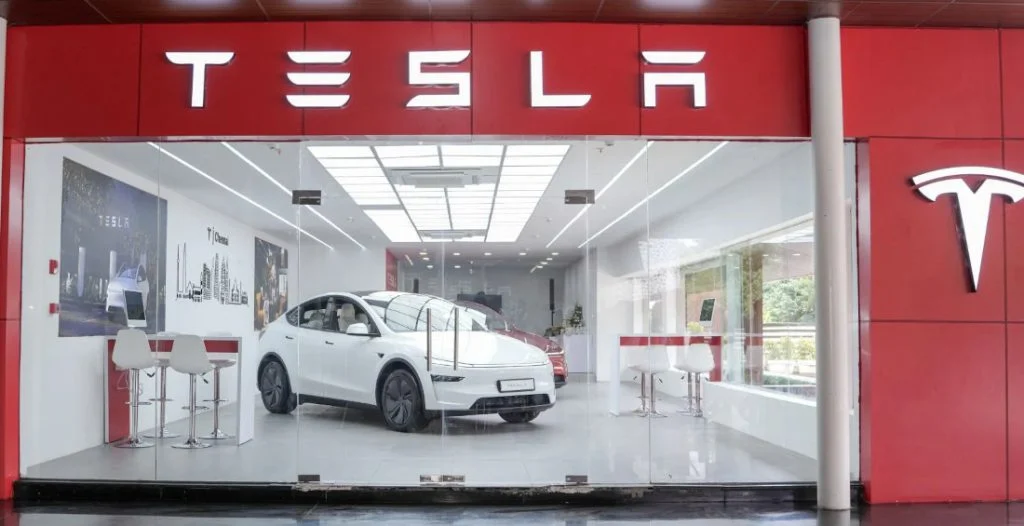
In a landmark move for the electric vehicle (EV) sector in South India, Tesla has officially inaugurated its latest Experience Center in Chennai, Tamil Nadu. This strategic expansion, paired with the launch of an authorized collision repair facility in Poonamallee, marks a significant milestone in the company’s efforts to solidify its direct-to-consumer sales model and after-sales infrastructure within one of India’s most important automotive hubs.
The move signals more than just a retail footprint; it represents a comprehensive approach to integrating high-tech mobility into the Indian market. By establishing a physical presence in the heart of Chennai—a city often referred to as the "Detroit of India"—Tesla is signaling its intent to capture a sophisticated consumer base that demands both performance and sustainable innovation.
The Chennai Foothold: Retail and After-Sales Infrastructure
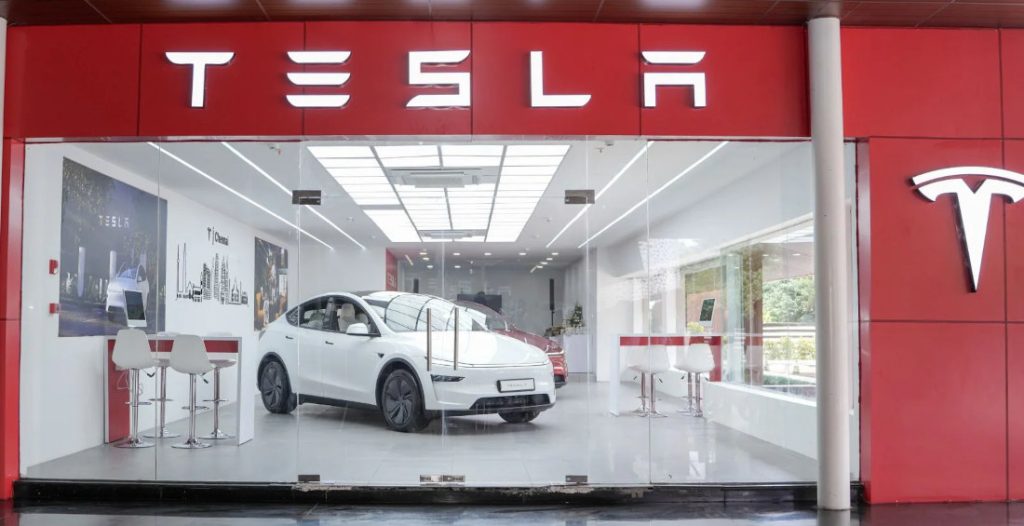
The new Tesla Experience Center is strategically located at the Express Avenue Mall on Pattullos Road. This high-traffic location serves as the primary touchpoint for prospective buyers and current owners alike. Designed as a holistic hub, the center facilitates vehicle consultations, provides a platform for test drives, and manages the end-to-end process of ordering and taking delivery of a Tesla vehicle.
Recognizing that the ownership experience is defined as much by service as it is by the product itself, Tesla has simultaneously unveiled a state-of-the-art Tesla-Approved Collision Center in Poonamallee. This facility is critical to the company’s long-term strategy in the region. Unlike traditional third-party service centers, the Poonamallee facility is built to factory-specified standards. It is equipped with advanced diagnostic tools and utilizes proprietary repair protocols that ensure the structural integrity of the vehicle remains uncompromised.
By staffing this facility with trained technicians and ensuring a steady supply of genuine Tesla parts, the company aims to uphold its rigorous safety specifications and protect the resale value of its vehicles. This dual-pronged strategy—a high-visibility retail center for sales and a robust technical facility for maintenance—reflects a mature approach to entering a complex market like India.
A Chronology of Tesla’s Indian Ambitions
The journey to establishing this presence in Chennai is the culmination of years of speculation, regulatory negotiation, and gradual infrastructure development.
- The Early Rumors: For years, market analysts and automotive enthusiasts tracked hints of Tesla’s potential entry into India, ranging from social media interactions by CEO Elon Musk to the registration of the entity "Tesla India Motors and Energy Private Limited."
- The Regulatory Hurdles: Tesla’s entry was initially delayed by high import tariffs and the need for a clear government framework regarding EV manufacturing and infrastructure.
- The Pilot Phase: Following successful lobbying and the announcement of favorable government policies, Tesla began identifying Tier-1 cities for its initial launch phase, starting with the capital and major metropolitan hubs.
- The National Rollout: Over the past 18 months, Tesla has systematically opened experience centers in major cities, including Hyderabad and other key markets, creating a network that now spans the country’s most economically vibrant regions.
- The Tamil Nadu Milestone: The opening in Chennai represents the latest chapter in this expansion, grounding the company in a state that is arguably the center of India’s automotive manufacturing ecosystem.
Supporting Data: The 2026 Model Y Specifications
At the core of the Chennai launch are two specific variants of the 2026 Model Y. These vehicles are designed to cater to a broad spectrum of the Indian luxury and tech-focused market, featuring advanced connectivity and local language support.
Technical Comparison Table
| Specification | 2026 Model Y Premium RWD | Model Y L (AWD) |
|---|---|---|
| Drivetrain | Rear-Wheel Drive | All-Wheel Drive |
| Seating Capacity | 5 Passengers | 6 Passengers (3 rows) |
| 0–100 km/h | 5.9 seconds | 5.0 seconds |
| Range (WLTP) | Up to 500 km | Up to 681 km |
| Cargo Volume | Up to 2,138 L | Up to 2,539 L |
| Starting Price | ₹50,89,000 | ₹61,99,000 |
| Down Payment | ₹6,00,000 | ₹6,50,000 |
| Monthly EMI | From ₹39,990 | From ₹49,990 |
Software and Linguistic Integration
A standout feature of the 2026 lineup is the deep integration of the Grok AI assistant. Tesla has localized this technology to be accessible to a diverse Indian demographic. The interface now fully supports Tamil, Hindi, Telugu, Kannada, Marathi, and Gujarati, ensuring that the human-machine interface is not a barrier to adoption. Furthermore, the vehicles continue to receive over-the-air (OTA) updates, ensuring that the software capabilities of the car evolve long after the purchase date.
Official Strategic Perspectives
While the company has remained lean in its public relations approach, the strategic deployment of these centers suggests a "customer-first" narrative. Industry experts note that Tesla’s choice of Express Avenue Mall is deliberate; it places the brand in a space frequented by the demographic most likely to switch to premium electric mobility.
Regarding the service center in Poonamallee, company representatives have emphasized the importance of "maintaining the Tesla ecosystem." By centralizing repairs, the company ensures that no unauthorized aftermarket modifications degrade the performance or safety of the vehicle. This is particularly important in India, where the secondary market for premium cars is highly sensitive to the vehicle’s service history and the availability of genuine parts.
Implications for the Indian Automotive Market
The arrival of Tesla in Chennai has broader implications for the Indian automotive industry, which is currently undergoing a massive transition toward electrification.
1. Competitive Pressure on Domestic OEMs
Domestic giants like Tata Motors and Mahindra & Mahindra have been the primary drivers of the EV revolution in India, focusing largely on mass-market affordability. Tesla’s entry in the premium segment puts pressure on legacy luxury manufacturers—such as Mercedes-Benz, BMW, and Audi—who have also begun launching their electric portfolios in the country. Tesla’s reputation for software superiority and its direct-to-consumer sales model challenge the traditional dealership-heavy distribution network of these legacy brands.
2. Infrastructure Development
Every Tesla Experience Center acts as a catalyst for local infrastructure. The necessity of supporting high-performance EVs often leads to the deployment of Supercharger networks in the vicinity of these retail and service hubs. This expansion provides a roadmap for the broader electrification of India’s highway and metropolitan road networks.
3. The "Experience" Economy
Tesla’s retail strategy is fundamentally different from traditional car buying. The absence of traditional "car salespeople" and the move toward a simplified, digital-first, and experiential shopping environment is forcing the Indian automotive retail sector to rethink its own strategies. Consumers now expect a seamless, tech-integrated journey that mirrors their experience with consumer electronics.
4. Supply Chain and Local Expertise
By operating in Chennai, Tesla is tapping into a region that boasts a highly skilled workforce in automotive engineering and software development. While the vehicles are currently being introduced to the market, the existence of the Poonamallee collision center suggests that Tesla is building a foundation of local expertise that could eventually support more extensive local operations, including R&D or localized supply chain components.
Conclusion
The inauguration of the Tesla Experience Center and the Collision Center in Chennai is a watershed moment for the Indian EV market. By balancing high-end vehicle performance with a localized, linguistically inclusive software experience, Tesla is positioning itself as a premium yet accessible choice for the modern Indian professional.
As Tesla continues to stitch together its national network, the focus will likely shift toward expanding its Supercharger infrastructure and potentially exploring localized assembly options to further optimize costs. For now, the residents of Chennai have been given a front-row seat to the future of automotive technology, marking a significant step forward in India’s journey toward a sustainable, electrified transportation future.



