










MUMBAI — When the final whistle echoes through a digital flurry of instant messaging groups, trending memes, and heated debate threads, modern football transcends the physical boundaries of the pitch. The game is no longer confined to the 90 minutes played on the grass; it lives on in the hours of post-match analysis, the GIF reactions to a controversial referee decision, and the collective sighs of relief or heartbreak shared across social media networks.
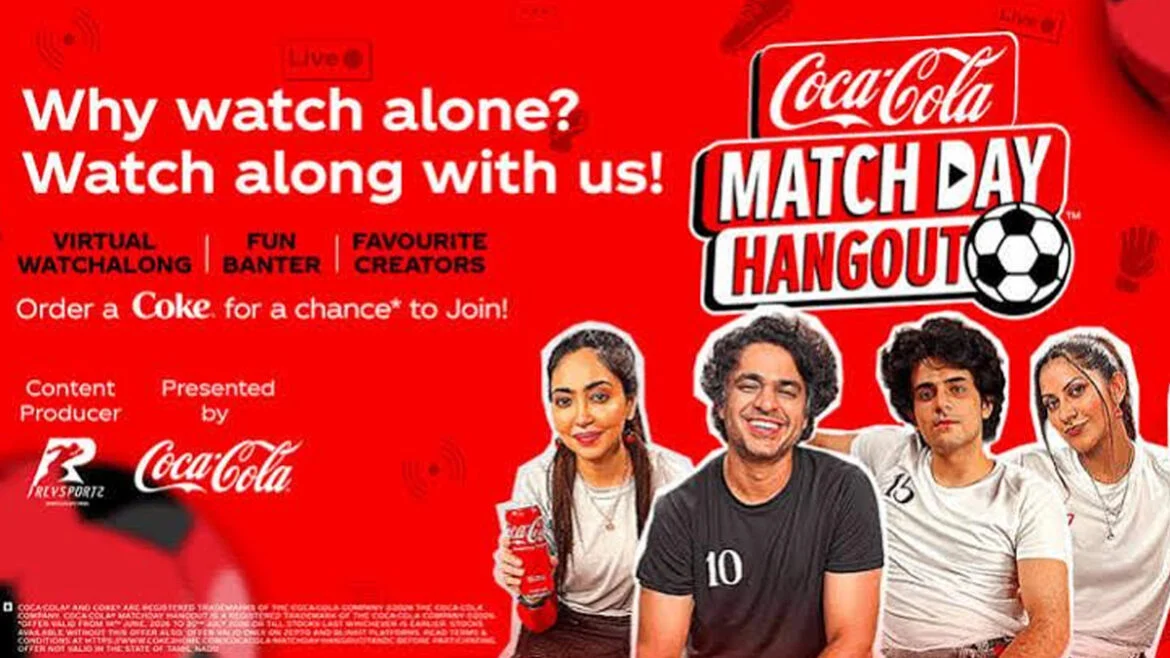
Recognizing this seismic shift in consumer behavior, beverage giant Coca-Cola is leaning heavily into the intersection of sport, digital content, and online communities. The company has introduced Matchday Hangout—a high-energy, creator-driven watch-along experience meticulously designed to reshape how Indian audiences consume and engage with live FIFA World Cup matches.
By fusing influencer culture, quick-commerce accessibility, and interactive live streaming, Coca-Cola is not merely sponsoring a sporting event; it is attempting to manufacture, curate, and monetize the modern living room watch party for a digital-first generation.
1. Main Facts: Decoding the ‘Matchday Hangout’ Initiative
At its core, Matchday Hangout is a direct response to a cultural reality that has steadily transformed sports viewing over the past decade: fans no longer consume games in passive silence. They react instantly, argue over tactical formations, share jokes, celebrate goals in real-time, and build vibrant subcultures around every touch of the ball. Matchday Hangout embraces this participatory behavior, turning traditional football broadcasts into dynamic digital gatherings powered by creators, live dialogue, and active fan involvement.
Developed in strategic collaboration with sports media platform RevSportz, the initiative blends traditional football coverage with humor, casual commentary, and creator-led entertainment. The format represents a textbook example of what contemporary marketers call sportainment—a hybrid space where the cultural spectacle, banter, and community surrounding a game carry nearly as much weight as the athletic competition itself.
Key Elements of the Campaign:
- The Talent Roster: The initiative unfolds across 12 nationwide live streams hosted by prominent digital creators Rohan Joshi, Sakshi Shivdasani, and Kaashvi Hiranandani.
- Special Guest Appearances: On selected high-profile matchdays, viewers can expect cameo appearances from cultural personalities such as Zervaan Bunshah, Varun Thakur, and professional Indian footballer Dalima Chhibber, injecting fresh perspectives, professional insight, and diverse energy into the digital sessions.
- The Commerce Access Model: Rather than relying on traditional television broadcasts or open-access web links, entry to the Matchday Hangout streams is tied to quick-commerce. Fans who purchase Coca-Cola products through rapid delivery platforms like Blinkit or Zepto during designated match windows unlock exclusive access to the live sessions.
- Interactive Programming: The streams feature pre-kickoff prediction contests, real-time reactions during play, halftime discussions, post-match breakdowns, trivia segments, and gamified fan challenges.
- Exclusive Rewards: Participants have the opportunity to win curated branded merchandise, including Coca-Cola mini refrigerators, specialized apparel, and limited-edition fan gear.
2. Chronology: The Evolution of the Digital Watch Party
To understand how Coca-Cola arrived at the Matchday Hangout concept, it is necessary to trace the rapid evolution of sports consumption in India over the last ten years.
Phase One: The Traditional Broadcast Era (Pre-2016)
Historically, live football consumption in India was tethered to television sets. Matches were broadcast via traditional cable and satellite networks, often late at night due to European time zones. Viewing parties were largely restricted to physical spaces—sports bars, college common rooms, or local living rooms. Engagement outside of these physical hubs was limited to text-based forums and early social media text posts.
Phase Two: The Mobile Data Revolution (2016–2020)
The proliferation of cheap, high-speed 4G mobile data, spearheaded by market disruptors like Jio, fundamentally altered the media landscape. Football moved from the living room television to the smartphone screen. Fans began following live scores, sharing memes on Twitter, and participating in Facebook groups while matches were underway. However, the video stream and the social conversation remained largely decoupled; fans watched on one app while chatting on another.
Phase Three: The Rise of the Co-Streaming Phenomenon (2020–2023)
During the pandemic, digital platforms accelerated the mainstream adoption of "watch-alongs" and co-streaming. Gamers, comedians, and sports influencers began hosting live streams where they watched events alongside their audiences. This format proved immensely popular among younger demographics who preferred the unfiltered, conversational energy of a creator over the polished, often clinical delivery of traditional sports broadcasters.
Phase Four: The ‘Sportainment’ Convergence (Present Day)
With Matchday Hangout, Coca-Cola is capitalizing on this mature ecosystem. By formalizing the co-streaming format and binding it with quick-commerce, the brand has transformed a spontaneous digital habit into an integrated marketing campaign. The timeline of a modern matchday no longer begins at kickoff and ends at the final whistle; it now commences with quick-commerce delivery, moves through creator-led pre-show hype, sustains itself via interactive halftime segments, and concludes with community-driven post-match breakdowns.
3. Supporting Data and Market Insights: The Economics of Fandom
The strategic foundation of Matchday Hangout is supported by clear shifts in digital media consumption, influencer marketing spend, and the explosive growth of quick-commerce in urban India.
The Quick-Commerce Boom
India’s quick-commerce sector has emerged as one of the fastest-growing retail channels in the world, with platforms like Blinkit, Zepto, and Instamart recording exponential gross merchandise value (GMV) growth. By partnering with these platforms, Coca-Cola is tapping into impulse-buying behavior. Consumers purchasing snacks or beverages for a match are just a click away from unlocking an exclusive digital experience, creating a seamless loop between physical consumption and digital engagement.
The Power of the Creator Economy
According to recent industry estimates, influencer marketing expenditures in India continue to scale aggressively, with micro- and macro-creators driving higher engagement rates than traditional celebrity endorsements—particularly among Gen Z and Millennial cohorts.
- Rohan Joshi: Brings a loyal comedy and pop-culture following, bridging the gap between casual sports fans and comedy enthusiasts.
- Sakshi Shivdasani & Kaashvi Hiranandani: Offer powerful connections with lifestyle, fashion, and digital-native audiences who may not tune into traditional sports analysis, thereby expanding the total addressable audience for football content.
- Dalima Chhibber: As a prominent Indian international footballer, Chhibber lends authentic sporting credibility and tactical depth to the creator-led banter, ensuring the football purists find value in the broadcast.
Intimacy vs. Scale
A notable strategic choice in Coca-Cola’s campaign design is the deliberate limitation of participant numbers per stream. Rather than chasing raw, unmitigated broadcast scale—which often leads to fragmented chat rooms and disengaged viewers—the brand is prioritizing intimacy. By capping the audience size, the experience mimics a virtual gathering of close friends rather than a massive public broadcast, fostering higher chat retention, active participation, and genuine community interaction.
4. Official Responses and Industry Perspectives
While formal corporate press statements outline the mechanical parameters of the campaign, industry leaders and participating figures have offered deeper context regarding the philosophy behind Matchday Hangout.
Redefining Brand Engagement
Marketing analysts point out that traditional billboard advertising and 30-second television spots are suffering from diminishing returns, particularly among younger demographics adept at ad-blocking and screen-swiping.
"Modern consumers do not want to be talked at; they want to be talked with," noted a senior brand strategist based in Mumbai. "When a brand manages to embed itself directly into the cultural rituals of a community—like watching a game with friends—it ceases to be an interruption. It becomes part of the experience."
The Creator Perspective
For the creators involved, Matchday Hangout represents an exciting evolution in digital entertainment. Speaking on the integration of comedy and sports, participating hosts have emphasized that the format allows them to lean into their natural instincts.
"Football matches are emotional rollercoasters," noted a digital creator close to the project. "When you’re watching alone, you’re shouting at a screen. When you’re watching with a community—even a virtual one led by creators who are just as unhinged as you are—that frustration turns into comedy, and that victory turns into a massive shared celebration. That’s the energy we are bringing to the table."
Sports figures like Dalima Chhibber have similarly highlighted the importance of bridging the gap between elite sports and casual entertainment. By making football discussions more accessible, humorous, and culturally relevant, initiatives like Matchday Hangout help lower the barrier to entry for casual fans who might otherwise feel intimidated by deep tactical jargon.
5. Implications: What Matchday Hangout Signals for the Future of Sports Marketing
The launch of Coca-Cola’s Matchday Hangout carries significant implications for the future of sports broadcasting, brand sponsorships, and digital commerce in India.
1. The Disintermediation of Traditional Broadcasters
For decades, traditional television networks held an absolute monopoly over live sports viewing experiences. Initiatives like Matchday Hangout demonstrate that brands and creators can now construct parallel viewing ecosystems that bypass or heavily supplement traditional feeds. As audiences increasingly fragment across digital platforms, the traditional broadcast model will face mounting pressure to incorporate creator-driven, interactive elements into their core offerings.
2. The Fusion of Content and Commerce (C-Commerce)
The mechanics of the campaign—where product purchase unlocks digital utility—point toward a maturing social commerce landscape in India. Quick-commerce apps are rapidly evolving from mere grocery delivery utilities into lifestyle gateways. By tying digital experiences to rapid physical deliveries, brands are creating closed-loop ecosystems where consumption, entertainment, and engagement happen concurrently.
3. The Democratization of Fandom
Football in India has long battled the perception of being a niche or Eurocentric interest. However, by wrapping football commentary in humor, pop culture, and relatable creator personalities, campaigns like Matchday Hangout normalize the sport for broader audiences. It transforms football from a distant European spectacle into a localized, participatory cultural event.
4. The Shift Toward "Experience-First" Marketing
Ultimately, Matchday Hangout underscores a definitive industry truth: consumers no longer buy products based on functional utility or traditional brand messaging alone; they invest in experiences, identities, and communities. By recreating the chaotic, joyous, and deeply social atmosphere of a crowded living room inside a digital stream, Coca-Cola has successfully positioned itself not just as a beverage provider, but as an indispensable facilitator of human connection.
As the final whistle blows on future tournaments, one thing remains certain: the game on the pitch will always matter, but the conversations happening around it have officially taken center stage.



