










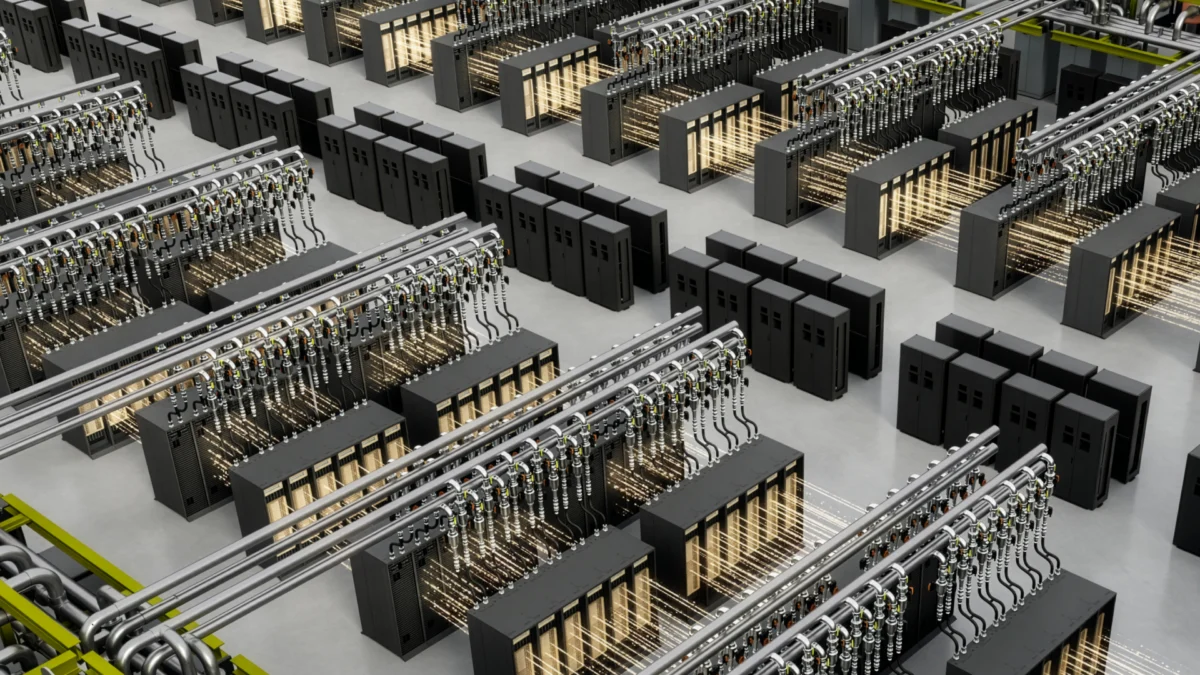
SAN JOSE, Calif. — As the artificial intelligence landscape transitions rapidly from megawatt-scale operations to massive gigawatt-sized installations, the industry faces an unprecedented engineering hurdle. Constructing these colossal "AI factories" demands far more than raw accelerated computing power. It requires a unified, high-efficiency ecosystem spanning the utility grid, rack architecture, advanced liquid-cooling mechanisms, and scalable software layers.
At the Open Compute Project (OCP) Global Summit held at the San Jose McEnery Convention Center, NVIDIA—alongside tech titans including Meta, Google, Cisco, and AMD—unveiled a sweeping series of partnerships, hardware specifications, and open-source contributions. Together, these moves are laying down a standardized, open-foundation blueprint designed to accelerate the deployment, power efficiency, and overall economic viability of next-generation AI infrastructure.
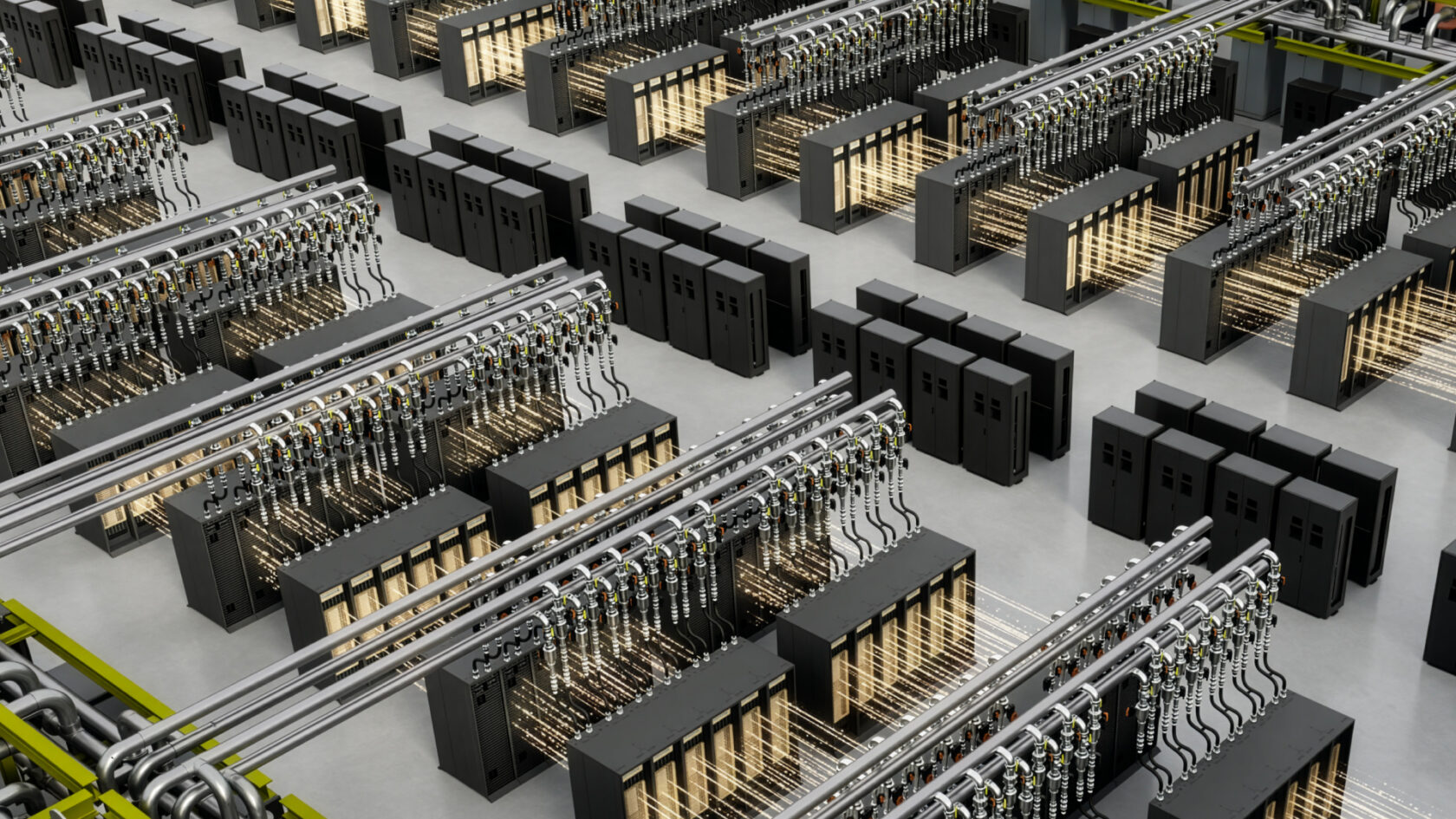
1. Main Facts: The Blueprint for Gigawatt-Scale AI Factories
The announcements made at the OCP Global Summit represent a fundamental shift away from proprietary, siloed data center designs toward a universally adopted open standard. Key highlights include:
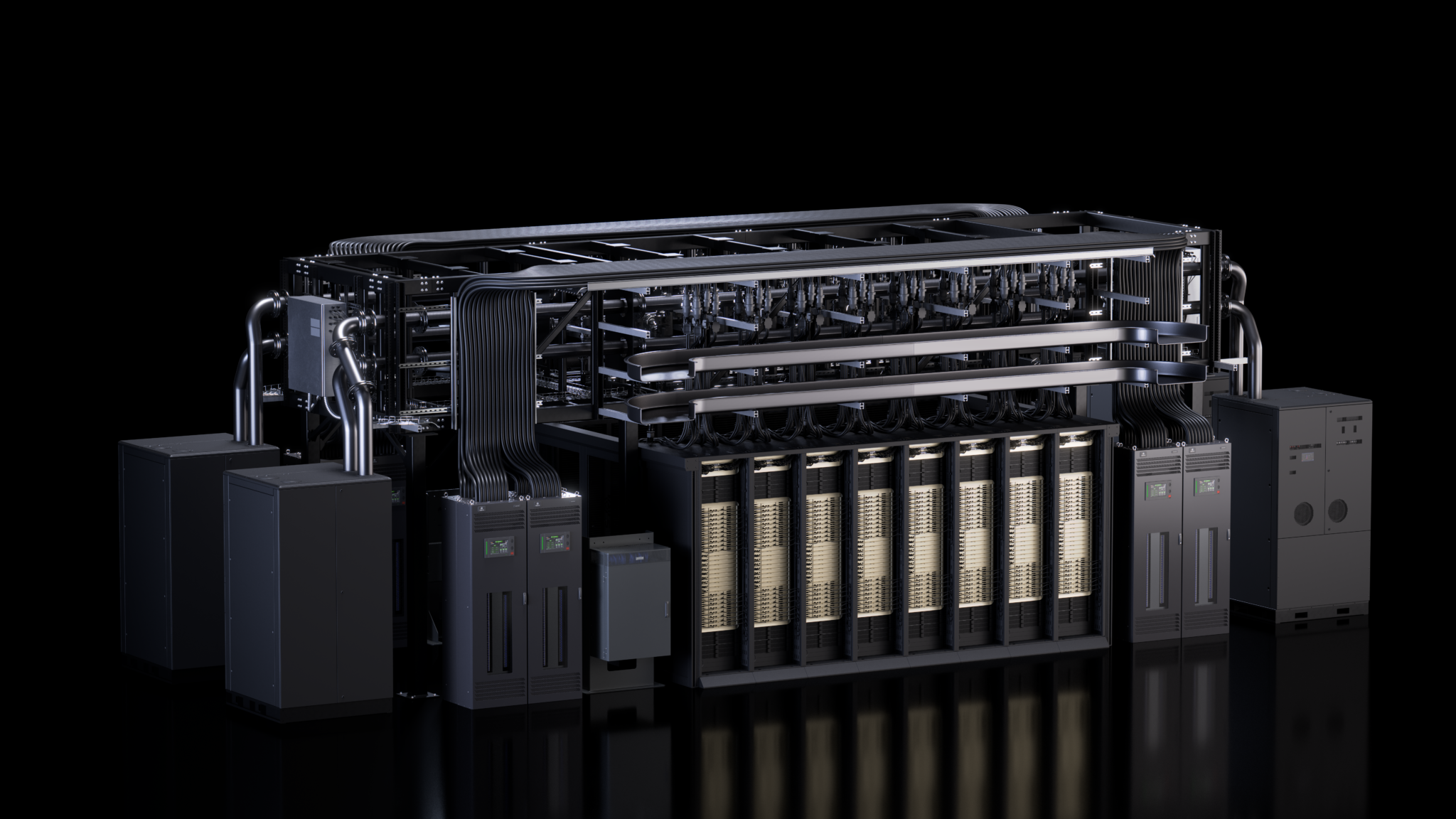
- Vera Rubin Architecture Contributions: NVIDIA has contributed vital design specifications for its upcoming Vera Rubin racks and compute trays to the OCP via the open NVIDIA MGX architecture, giving the global hardware ecosystem a predictable foundation to build upon.
- Open Data Center and Grid Specifications: In a landmark collaboration, NVIDIA, AMD, Google, and Meta published the Open Data Center Specification v0.7. Additionally, Google, Meta, Microsoft, and NVIDIA introduced the OCP Grid Resilience Specification, setting rigorous rules for how multi-gigawatt facilities must interact with the utility grid during disruptions.
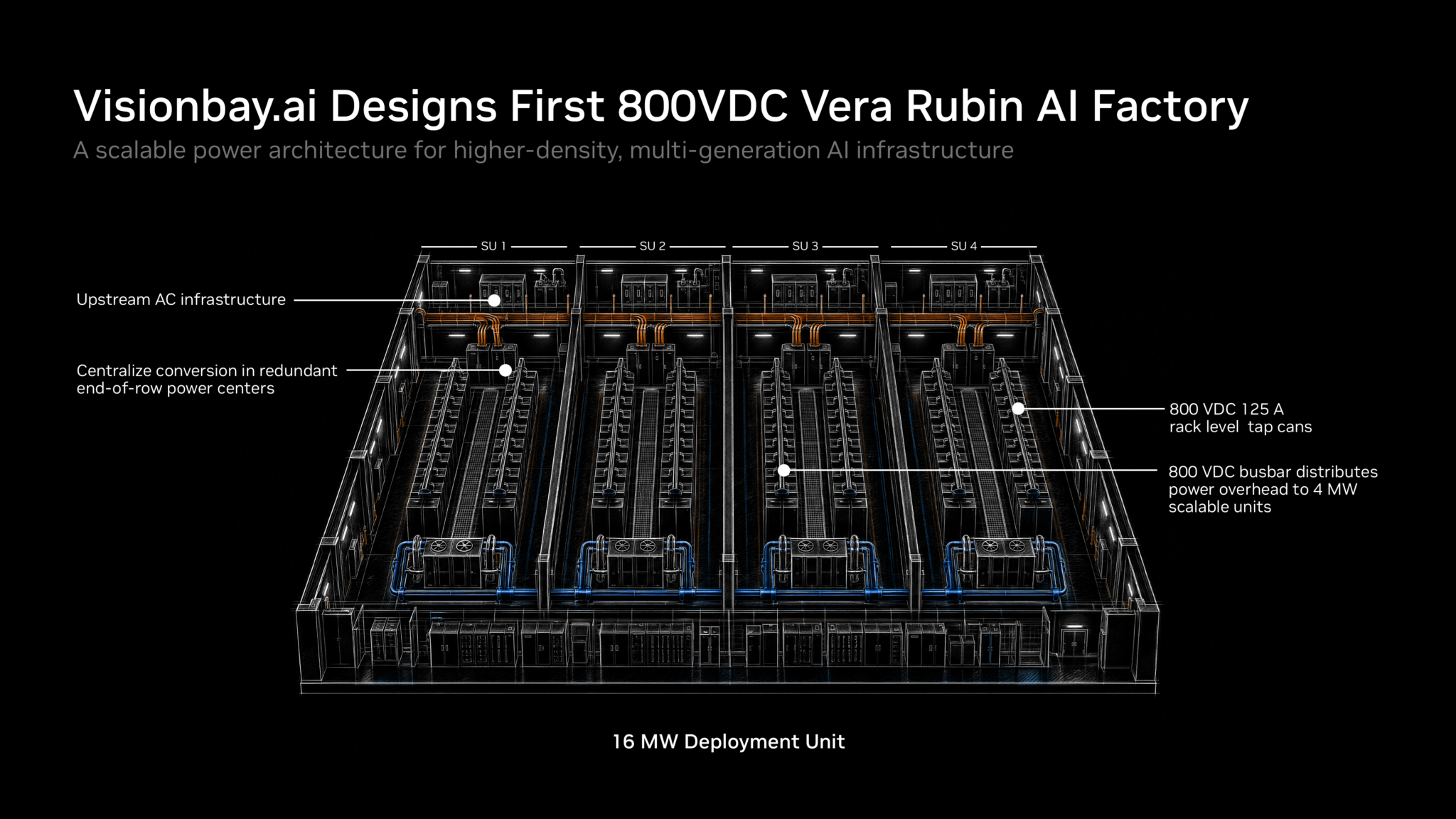
- Revolutionary Power Distribution (800VDC): Visionbay.ai unveiled its K-1 platform, an 800-volt direct current (800VDC) AI factory design created in partnership with NVIDIA and Vertiv to drastically minimize energy losses and reduce copper wiring requirements.
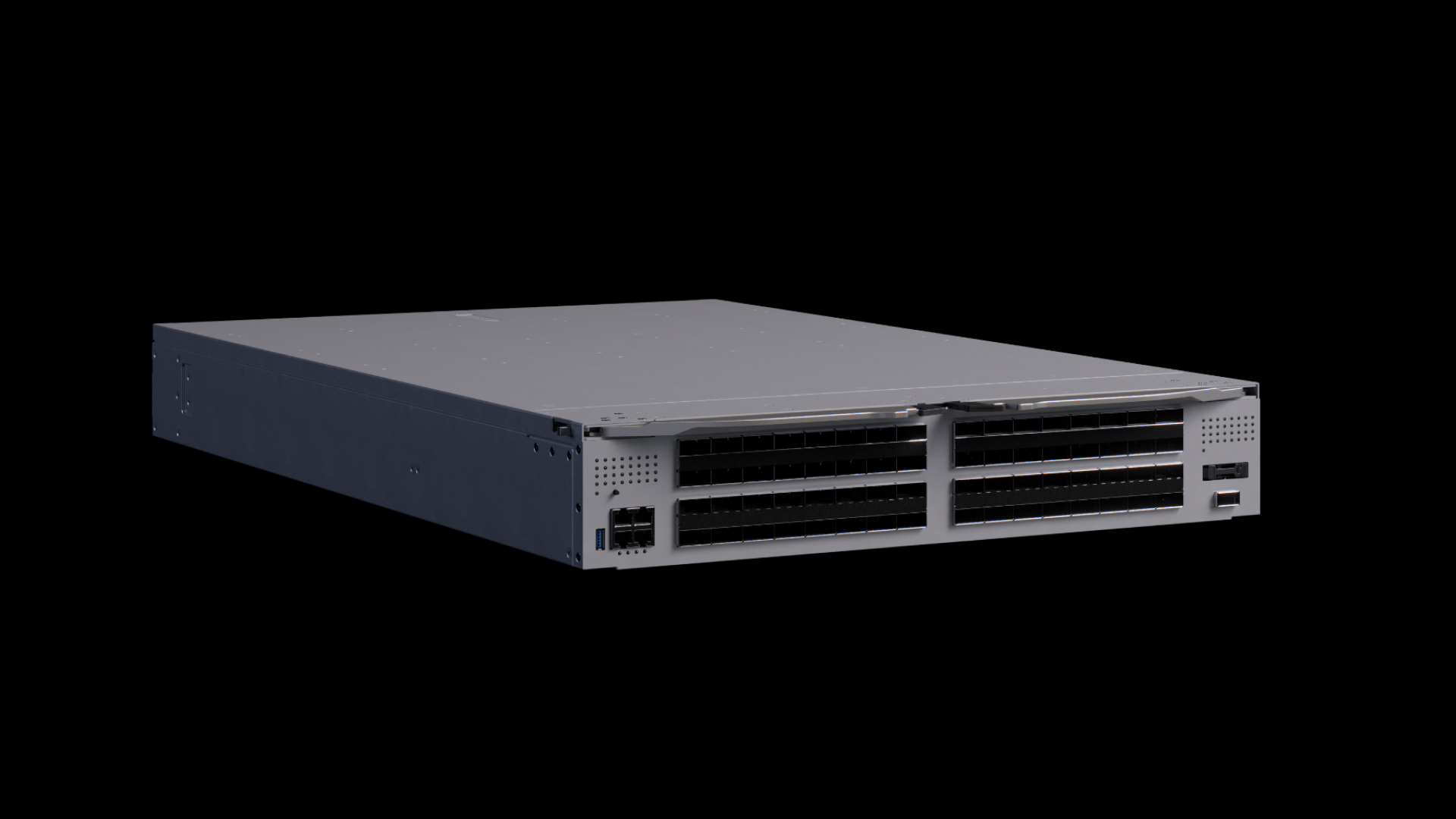
- Next-Generation Networking: Meta announced the adoption of NVIDIA Spectrum-6 102.4Tb/s Ethernet switches running its open-source FBOSS network operating system inside liquid-cooled IcePack racks. Meanwhile, NVIDIA and Cisco introduced USFP (Ultra-Dense Small Form-Factor Pluggable), a novel optical transceiver standard promising a fourfold increase in bandwidth density.
- Software-Defined Operations: NVIDIA expanded its DSX OS platform with new open-source components for bare-metal provisioning, cluster validation, and network configuration, derived directly from the operational pedigree of NVIDIA DGX Cloud.
2. Chronology of Events: A Convergence at the OCP Global Summit
The rollout of these transformative technologies followed a carefully coordinated sequence of keynotes and technical disclosures during the San Jose summit:
- The Opening Salvo: Ian Buck, NVIDIA’s vice president of hyperscale and high-performance computing, took the stage before a packed audience to articulate how open-source infrastructure has transformed from a niche preference into an absolute prerequisite for global AI scaling.
- Hardware & MGX Evolution: NVIDIA updated its modular MGX architecture to version 1.2, introducing standardized liquid-cooled blind-mate interfaces and 5,000A busbars tailored specifically for high-density Vera Rubin deployments.
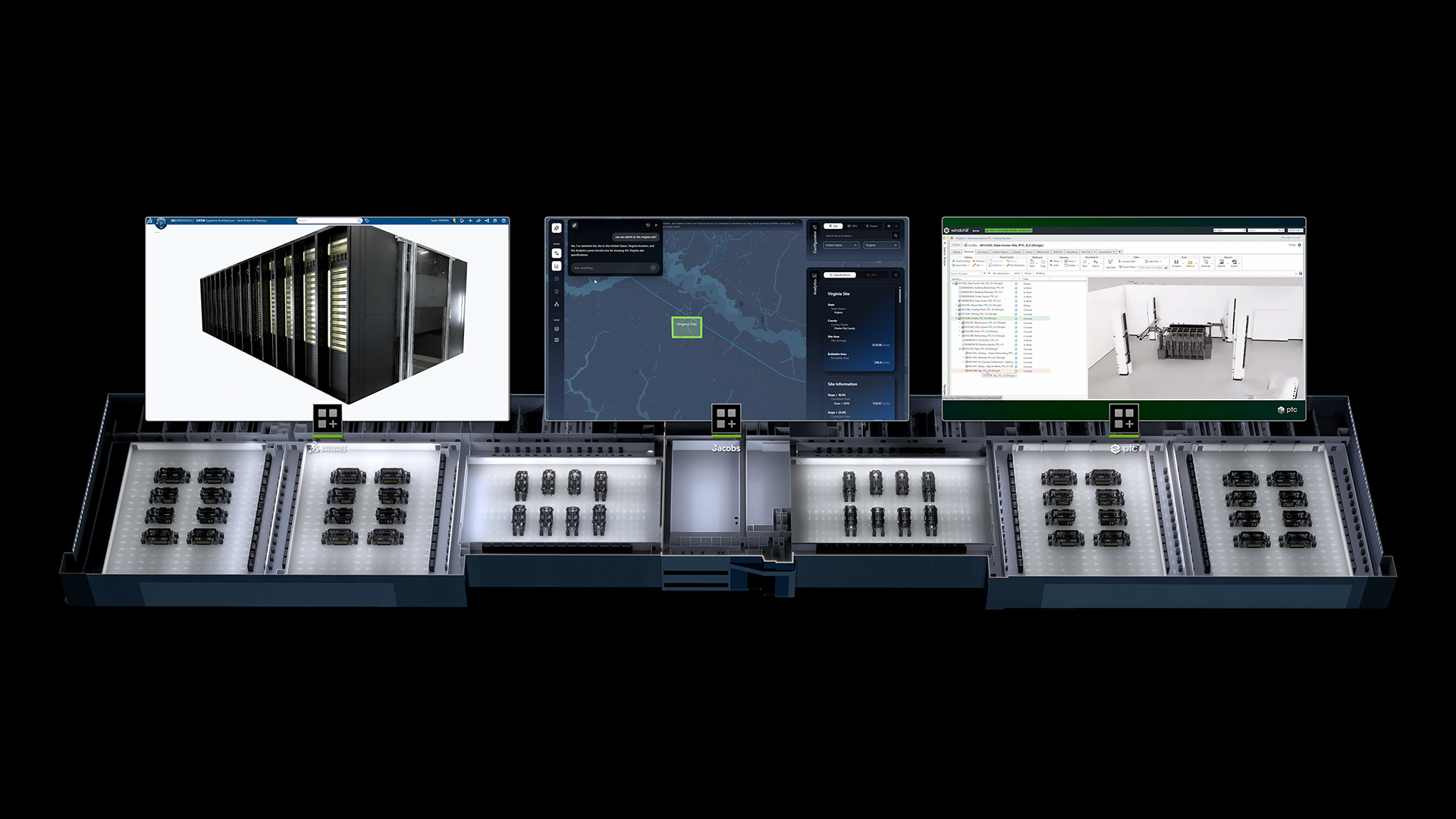
- Grid and Facility Alignment: Hyperscalers simultaneously released cross-industry standards for physical data center layouts and grid stability, streamlining the timeline from blueprints to operational facilities.
- Ecosystem Integrations: Throughout the summit, specialized announcements highlighted practical implementations—ranging from Visionbay.ai’s 800VDC K-1 facility design to Meta’s deployment of Spectrum-6 switches and Google’s integration of Falcon Transport protocols on upcoming ConnectX-10 SuperNICs.
3. Supporting Data and Technical Architecture
The technical ambitions underpinning these announcements are designed to resolve specific bottlenecks that threaten to stall the AI boom:
The Power Wall and 800VDC Transformation
As AI clusters scale to handle massive mixture-of-experts (MoE) models and real-time agentic workflows, rack power densities are soaring toward 250kW per rack. Traditional low-voltage distribution frameworks require excessive amounts of copper cabling and suffer from cumulative power-conversion losses.

By utilizing NVIDIA’s 800VDC reference architecture—integrated into Visionbay.ai’s K-1 platform and supported by Vertiv’s thermal technologies—operators can centralize AC-to-DC conversion at cluster-level power hubs. This approach efficiently channels power closer to compute nodes while reducing facility footprints.
Scaling the Network: Spectrum-6 and USFP Optics
To support clusters exceeding 100,000 GPUs without experiencing network congestion, Meta is deploying NVIDIA Spectrum-6 switches. Delivering 102.4Tb/s of switching capacity at 200G per lane with lossless performance isolation, these switches are housed in Meta’s IcePack liquid-cooled racks and controlled via the Facebook Open Switching System (FBOSS).
At the physical layer, the newly announced USFP form factor—developed collaboratively by NVIDIA, Cisco, TE Connectivity, and Amphenol—matches the footprint of standard 200Gb/s OSFP optics while providing 16 to 32 full-duplex lanes. This innovation quadruples bandwidth density and yields roughly 1.3x greater power efficiency, solving critical space and thermal limits inside dense switches.
4. Official Responses and Industry Perspectives
The collaborative nature of the summit underscored a unified industry sentiment: scaling AI requires collective engineering rather than isolated competition.
"We are excited about our close partnership with NVIDIA in making multiplane fabrics operationally scalable and performant, a critical requirement both for our own infrastructure builds and for our joint cloud partners," stated Omar Baldonado, senior director of data center and AI networking at Meta. "Extending FBOSS to Spectrum ASICs means we can run that same software stack across our fabrics, and Meta’s new Spectrum-based switch, N-IceCube, brings that into Icepack—our liquid-cooled 102.4T network rack…"
Industry leaders emphasized that open standards bypass the lengthy validation cycles of custom, proprietary engineering. By adopting pre-validated OCP blueprints, system builders and colocation providers can manufacture and deploy infrastructure concurrently with silicon development.
5. Strategic Implications for the AI Economy
The wide-scale adoption of these open standards carries profound implications for the global technology market:
- Shortened Time-to-Market: With common mechanical, thermal, and electrical baselines established by the OCP and NVIDIA’s MGX 1.2 specifications, data center operators can construct and commission gigawatt-scale factories significantly faster.
- Resilience Against Grid Instability: The OCP Grid Resilience Specification ensures that massive AI clusters can weather utility fluctuations without catastrophic shutdowns, reacting autonomously and restoring near-full load in under two seconds. This capability relieves pressure on public electrical grids strained by surging power demands.
- Democratization of Cloud-Scale Operations: By open-sourcing components of DSX OS—originally forged in the fires of running DGX Cloud—NVIDIA is enabling tier-2 cloud providers and independent enterprises to orchestrate multi-tenant AI factories with the same efficiency as hyper-scale tech giants.
Ultimately, the milestones reached at the OCP Global Summit signal that the era of ad-hoc data center expansion is over. Through profound codesign, rigorous hardware-software integration, and an unwavering commitment to open standards, NVIDIA and its ecosystem partners are building the foundational tracks upon which the next decade of artificial intelligence will run.



