Introduction: The Convergence of Biology and National Security
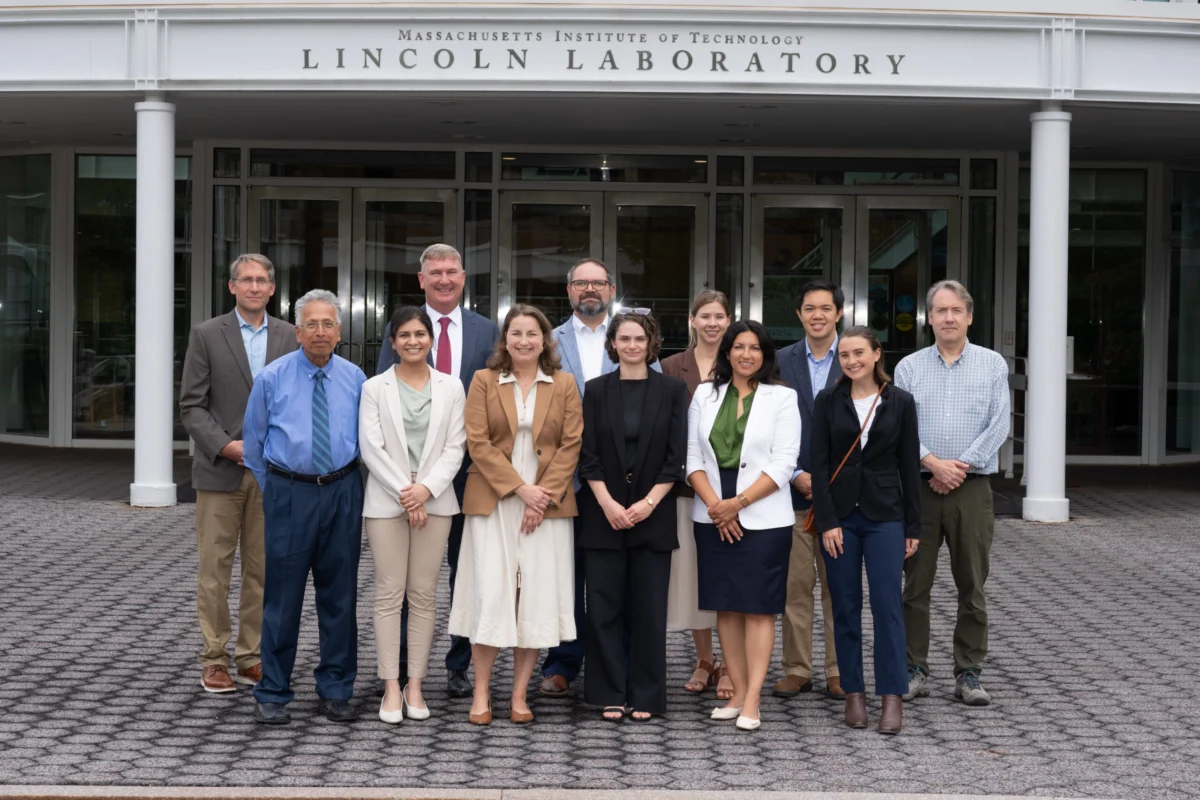
On September 3, MIT Lincoln Laboratory served as the epicenter for a pivotal national dialogue as it hosted the National Security Commission on Emerging Biotechnology (NSCEB). The event, a marquee stop on the commission’s nationwide roadshow, brought together a high-powered assembly of stakeholders from state government, defense research centers, academia, and the private sector. The mission: to integrate Massachusetts’ world-class biotechnology ecosystem into the bedrock of American national security.
As biotechnology evolves from a niche scientific discipline into a foundational pillar of modern industry—spanning everything from disease-resistant agriculture and lifesaving therapeutics to advanced synthetic materials—the United States faces a mounting competitive challenge. With the NSCEB now in the final year of its three-year congressional mandate, the commission is moving beyond abstract policy, actively surveying local ecosystems to formulate a roadmap that ensures U.S. dominance in the bioindustrial sector.
The Strategic Imperative: Why Biotechnology Matters
Biotechnology is no longer confined to the sterile, isolated environments of pharmaceutical labs. It has emerged as a dual-use frontier with profound implications for national resilience. Recognizing this, Congress established the NSCEB in 2022 to scrutinize the risks and opportunities inherent in the field.
The commission’s findings, solidified in a comprehensive report released in April 2025, paint a stark picture. The report argues that the U.S. faces a “Sputnik moment” in the biological sciences. It calls for a minimum federal investment of $15 billion over the next five years to counter aggressive, state-led investment strategies from international competitors—specifically China—who are seeking to monopolize the global bioeconomy. This pattern mirrors the historical struggle for semiconductor dominance, prompting the NSCEB to urge a rapid, coordinated, and well-funded industrial response.
Chronology of the Massachusetts Initiative
The momentum driving Massachusetts toward a defense-biotechnology powerhouse has been building for years, characterized by a series of legislative and executive milestones:
- 2022: The U.S. Congress establishes the NSCEB to provide policy recommendations regarding national security and the biotech sector.
- April 2025: The NSCEB releases its final report, highlighting the need for a $15 billion federal investment to maintain technological superiority.
- October 2025: Governor Maura Healey launches the Strategic Hub for Innovation, Exchange, and Leadership in Defense (SHIELD) initiative, accompanied by a $47 million initial investment.
- April 2026: The "Mass Wins Act" is introduced in the state legislature, containing a critical $100 million authorization for defense-sector capital projects.
- July 2026: The SHIELD Working Group publishes its formal report, outlining pathways to streamline the transition of laboratory-scale technology into deployable military capabilities.
- September 3, 2026: MIT Lincoln Laboratory hosts the NSCEB, signaling the formal alignment of Massachusetts regional initiatives with national security priorities.
Supporting Data: The Economic and Security Landscape
The strength of the Massachusetts model lies in its massive existing infrastructure. Last year, the state’s defense sector contributed a staggering $48.6 billion to the regional economy. However, the current push, led by the SHIELD initiative, is designed to extract more utility from that capital by creating direct conduits between defense requirements and commercial biotech innovation.
The SHIELD initiative is not merely a funding vehicle; it is an organizational architecture. With over 40 partner organizations—including the Massachusetts Life Sciences Center, the Center for Advanced Manufacturing, and the Massachusetts AI Hub—the initiative aims to dismantle the silos that often prevent breakthrough research from reaching the front lines. By leveraging state matching funds, the BioNexus program has already begun to provide tangible biomanufacturing solutions for the U.S. Army Combat Capabilities Development Command (DEVCOM).
The BioSHIELD Project: Bridging the "Valley of Death"
Perhaps the most ambitious component of this strategy is the proposed Biotechnology Scale-up Hub for Innovation, Economic Development, Labor Training, and Defense, or "BioSHIELD." This 200,000-square-foot facility, planned for Worcester, represents a direct answer to the NSCEB’s call for a national network of biomanufacturing infrastructure.
In the current ecosystem, many startups face the "valley of death"—the treacherous gap between early-stage laboratory discovery and the capital-intensive infrastructure required for mass production. BioSHIELD is designed to bridge this chasm. By offering shared equipment, secure laboratory space, and regulatory support, the facility will allow innovators to move rapidly from a successful experiment to a deployable product.
During the September 3 event, Edward Wack, project co-lead and principal staff in the laboratory’s Biotechnology and Human Systems Division, announced that a coalition including Worcester Polytechnic Institute, Massachusetts Biomedical Initiatives, and the Bio Base Europe Pilot Plant has signed a memorandum of understanding. This formalizes the partnership, with design workshops currently in the planning stages to ensure the facility meets both commercial needs and the rigorous requirements of national defense.
Official Responses and Perspectives
The synergy between the local and national efforts was a recurring theme during the roadshow.
"We have a lot to leverage in this region to advance biotechnology," said Christina Rudzinski, assistant head of the Biotechnology and Human Systems Division at Lincoln Laboratory. "Many people are already working together to push the bioindustrial sector beyond biopharmaceuticals and into a broader ecosystem across industries. This synergy is where NSCEB comes in—connecting policy to the real-world work already happening."
Caitlin Frazer, executive director of the NSCEB, echoed this sentiment, emphasizing the importance of regional collaboration. "The coalition of stakeholders working in the Massachusetts biotech ecosystem illustrates how collaborative regional work will help keep the U.S. in the lead by producing exceptional innovation across all areas of biotechnology."
Ben Linville-Engler, co-chair of the SHIELD Working Group, emphasized that the state’s strategy is designed to be inclusive and expansive. "There is incredible convergence between economic development and national security in all domains—land, air, sea, space, cyber, and bio," he stated. "Massachusetts is committed to biotechnology and national security, and not just in Boston and Cambridge but across the entire state."
Implications: The Role of AI and Future Directions
As the commission concludes its tour, the discussions have increasingly pivoted toward the intersection of artificial intelligence and biotechnology. The September 3 panels featured representatives from major research institutions like the Wyss Institute and the Parker Institute for Cancer Immunotherapy, who debated the challenges of creating "AI-ready" biological datasets.
The consensus is clear: the future of national security will be determined by the ability to utilize machine learning to accelerate drug discovery, optimize synthetic biology, and automate biomanufacturing. If Massachusetts can successfully integrate its AI talent with its biotechnology workforce, it could set a global standard for how democratic nations manage dual-use technologies.
Conclusion: A Sustained Commitment
The event at Lincoln Laboratory was more than just a presentation; it was a demonstration of a shifting philosophy in American defense. By viewing biotechnology as a core component of economic and national security, Massachusetts is positioning itself as the central node in a burgeoning national bio-industrial network.
As Edward Wack noted in his closing remarks, the foundation built over the last 25 years at Lincoln Laboratory now serves as the springboard for this next, critical phase. With the state legislature currently considering the Mass Wins Act and the NSCEB preparing its final policy recommendations for Congress, the alignment between Massachusetts and the federal government has never been tighter. The race for biosecurity supremacy is underway, and with the infrastructure and intellectual capital currently being mobilized, Massachusetts is poised to lead the way for the next quarter-century of innovation.