










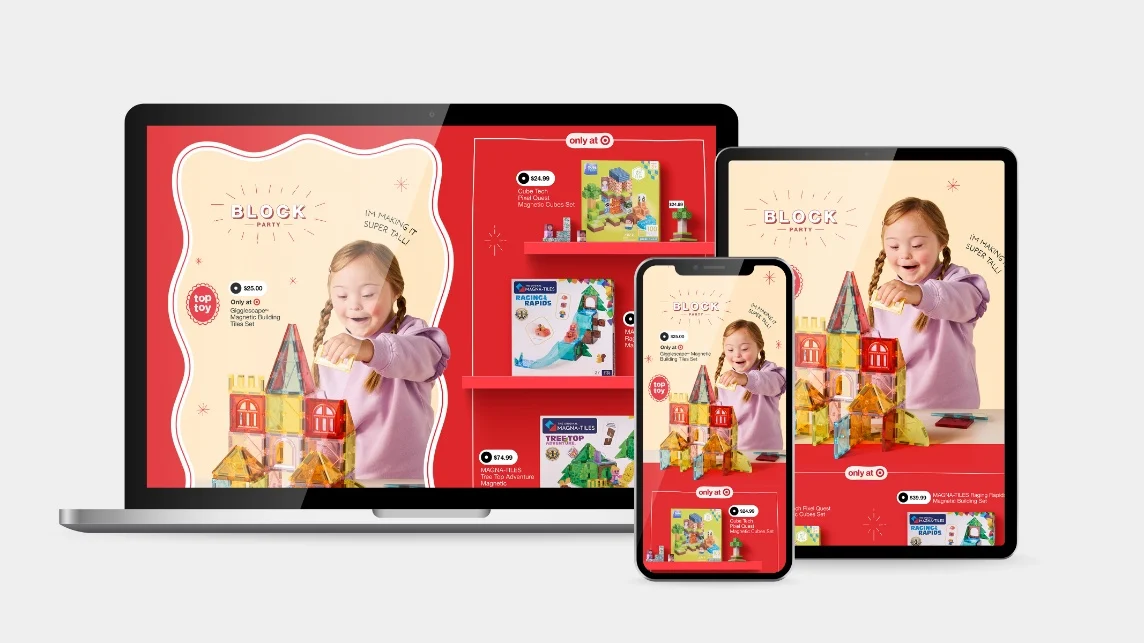
The retail landscape is undergoing a profound transformation as the 2026 holiday shopping season kicks off. On October 5, two of the world’s most dominant retailers—Target (No. 5 in Digital Commerce 360’s Top 1000) and Amazon (No. 1)—simultaneously launched their respective holiday toy initiatives. This move marks a pivot away from static, traditional catalogs toward highly interactive, data-driven, and AI-integrated shopping experiences designed to capture the attention of a digital-native generation of parents and children.
The Evolution of the Holiday Catalog
Target’s newly launched Holiday Kids Catalog represents a departure from the traditional "product grid" model that has defined e-commerce for years. By framing its catalog as a "shoppable content platform," Target is attempting to blend the nostalgic magic of holiday browsing with the efficiency of modern digital tools.
The platform features nearly 500 toys, games, and gifts, meticulously organized to foster discovery rather than just transaction. Users can browse through colorful, high-definition video demonstrations and peer reviews, adding items to their carts with a single tap. A standout feature for the 2026 season is the "list scanner." This tool addresses a common pain point for parents: the transition from handwritten wish lists to digital reality. By scanning a child’s handwritten list within the Target app, the retailer’s software converts the text into a digital shopping list, streamlining the purchasing process for gift-givers.
Cassandra Jones, senior vice president of Fun101 at Target, emphasized the collaborative nature of the initiative. "This year’s digital experience helps families discover toys together, create and share wish lists, and find gifts they’ll be excited about all season long," Jones stated. The catalog is accessible via Target.com and the retailer’s mobile application, with physical copies featuring unique QR codes on every page, bridging the gap between print and digital interaction.
A Tale of Two Strategies: The Amazon Counter-Offensive
While Target focuses on social sharing and app-native convenience, Amazon has opted for a deeply immersive, tech-heavy approach. The ninth annual release of Amazon’s Holiday Kids Gift Book includes over 600 items and leverages the company’s proprietary Alexa ecosystem to differentiate itself from competitors.
Amazon’s strategy is heavily anchored in "Choose-Your-Own-Adventure" audio narratives. Through a partnership with Readyland, the book allows children to interact with characters using any Alexa-enabled device. This creates a "phygital" experience—where the physical book and digital interface work in tandem—to keep children engaged for longer durations, thereby increasing the likelihood of brand recall and repeat engagement.
Furthermore, Amazon is doubling down on its AI-powered shopping tools. The retailer’s "Alexa for Shopping" feature allows parents to use natural language queries—such as "find holiday gifts for my 10-year-old daughter"—to receive personalized, expert-vetted recommendations. When combined with "Amazon Lens," which allows shoppers to scan products spotted in real life or on social media to locate them on Amazon’s platform, the retailer is effectively removing friction from the path to purchase.
Chronology of the 2026 Holiday Kickoff
The timing of these launches is no coincidence. Retailers have increasingly pulled their holiday marketing timelines earlier into the calendar to capture "early bird" shoppers and mitigate supply chain pressures.
- Early Q3 2026: Target and Amazon finalize their toy inventory and content strategies, drawing from data gathered in the first half of the year.
- Late Q3 2026: Both retailers ramp up marketing campaigns, emphasizing "Fun101" (Target) and "AI-curated" (Amazon) toy lists.
- October 5, 2026: The official launch date. Both companies drop their interactive catalogs simultaneously, setting the stage for a high-stakes competitive season.
- October–November 2026: The window for digital engagement, where retailers monitor real-time data on wish list creation and click-through rates to adjust inventory levels and promotional pricing.
- Late November/Early December 2026: The shift from discovery to fulfillment, with retailers prioritizing their logistics networks for same-day and next-day delivery.
Financial Context: Target’s E-commerce Momentum
Target enters the 2026 holiday season from a position of relative strength, despite a challenging macroeconomic environment. In the company’s fiscal second quarter of 2026, online sales grew 8.7% year over year, significantly outpacing the total comparable sales growth of 3.8%.
A critical driver of this growth has been the company’s investment in logistics. Same-day delivery services saw more than 25% growth during the quarter, with Target fulfilling approximately 30% more same- and next-day units compared to the previous year. This efficiency is vital, as the "Fun101" category—which includes toys, sporting goods, and entertainment—reported double-digit comparable sales growth, making it the top-performing segment for the quarter.
The company’s total net sales for Q2 reached $26.7 billion, a 5.3% increase. While this figure was bolstered by approximately $1 billion in tariff-related refunds recorded as a reduction to the cost of sales, the underlying growth in digital demand suggests that consumers are increasingly comfortable with Target’s app-centric ecosystem.
Implications for the Retail Industry
The aggressive digital strategies of Target and Amazon signify a broader shift in the retail industry. The following implications are emerging for the 2026 holiday season and beyond:
1. The Death of the Passive Catalog
The era of the static print catalog is effectively over. Even as physical mailers remain, their primary function is now to act as an entry point into a digital funnel. Retailers that fail to integrate QR codes, augmented reality, or interactive digital counterparts risk losing the engagement of younger, tech-savvy demographics.
2. AI as a Competitive Moat
Amazon’s integration of AI-driven gift recommendations and image recognition (Lens) sets a high bar. As these tools become more sophisticated, they cease to be "features" and become the primary mechanism through which consumers discover products. Smaller retailers must decide whether to partner with third-party AI platforms or risk being left behind in the search-driven discovery race.
3. The Rise of "Phygital" Engagement
The success of Amazon’s Readyland partnership and Target’s wish-list scanner confirms that the most successful retailers are those that can effectively blur the lines between physical and digital. By making the toy catalog an activity rather than a directory, these retailers are increasing the time-on-site, which correlates directly with higher average order values.
4. Logistics as the Final Frontier
While discovery is the first step, the season will ultimately be won or lost in the warehouse. With Target seeing such significant growth in same-day and next-day fulfillment, the expectation for instant gratification among consumers is higher than ever. Retailers that cannot offer competitive delivery windows will likely struggle to convert the interest generated by their interactive catalogs into actual revenue.
Conclusion: A High-Stakes Battle for Holiday Mindshare
As the 2026 holiday season progresses, the competition between Target and Amazon serves as a case study in modern e-commerce. Target is leveraging a community-driven, app-native approach to cultivate a sense of "togetherness" and family engagement. Amazon, meanwhile, is betting on the ubiquity of its AI and smart-home infrastructure to offer unparalleled speed and convenience.
For the consumer, this translates to a more personalized, efficient, and interactive shopping experience. For the retail industry, it serves as a stark reminder that in an increasingly digitized world, the winners will be those who can best balance the technological capabilities of AI with the human-centric goal of making the holiday season feel special. As digital commerce continues to evolve, the distinction between "online" and "in-store" will continue to fade, replaced by a seamless, content-rich, and highly personalized shopping journey that begins the moment a child opens a catalog—whether that catalog is printed on paper or rendered on a screen.



