The rapid evolution of digital commerce continues to accelerate, with software providers, logistics giants, and social media ecosystems rolling out transformative updates for online merchants. This week’s merchant service updates highlight an industry-wide pivot toward autonomous operations, agentic artificial intelligence (AI), frictionless returns, and deeper cross-platform integrations. From automated website design suites and AI ad platforms to same-day postal deliveries and global export infrastructures, merchants are gaining access to unprecedented technological leverage.
Main Facts: A Paradigm Shift Toward Agentic Commerce
The defining trend of this development cycle is the mainstream arrival of "agentic commerce"—AI systems designed not merely to answer queries or generate static text, but to autonomously execute complex workflows on behalf of buyers and sellers.

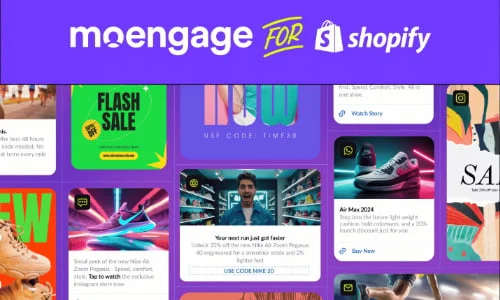
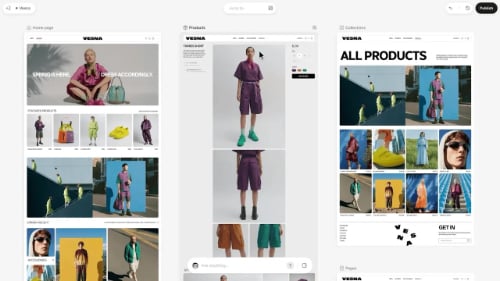
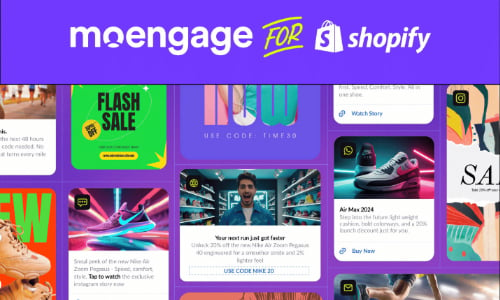
- AI-Driven Design & Operations: Shopify has introduced Canvas, an innovative visual design surface powered by its AI agent, Sidekick. Simultaneously, platforms like MoEngage, Commerce (BigCommerce/Feedonomics), and Selro are embedding deep AI capabilities to optimize product data, automate marketing campaigns, and streamline multi-channel inventory management.
- Logistical Upgrades & Partnerships: Logistics heavyweights are transforming the fulfillment landscape. The U.S. Postal Service (USPS) and Amazon have launched an ambitious same-day delivery pilot, while UPS’s Happy Returns division has integrated with TikTok Shop to offer streamlined, "no-box, no-label" returns across the United States.
- Expanded Marketplace Tools: Platforms like ShipStation ("Ship with Walmart"), uParcel (Complete Marketplace Outsource Solutions), and Easyship (eBay U.K. export expansion) are lowering the friction for merchants looking to scale across disparate international channels and digital marketplaces.
Chronology of Releases: Week-by-Week Feature Rollouts
The current wave of releases reflects a coordinated industry response to the growing complexity of multi-channel digital retail. Below is the sequence of notable service announcements:
- Late September: Commerce introduces advanced data enrichment tools for BigCommerce and Feedonomics to automate AI-ready product catalogs. Concurrently, UPS launches Secure Commerce, a comprehensive risk-mitigation and supply chain protection suite.
- Early October (Acquisitions & Visibility): Swap Commerce acquires Vizby to bolster its AI-powered discovery capabilities. Meanwhile, Contentstack launches Canoe, an AI visibility tool designed to track how generative search engines evaluate brands against competitors.
- Mid-Week Infrastructure and Marketplace Expansions:
- Shopify rolls out Canvas for intuitive, AI-assisted storefront creation.
- ShipStation integrates Ship with Walmart to grant marketplace sellers direct access to discounted domestic shipping rates.
- TikTok unveils agentic commerce features, including "Buy Direct" in-app checkouts and conversational "Shopping Assistant" agents.
- Amazon Ads introduces Ads Agent, connecting sponsored, full-funnel, and display campaigns into a unified optimization platform.
- USPS and Amazon initiate their same-day delivery sorting and carrier pilot.
- Creator & Customer Experience Updates: Platforms such as partnrUP, Nexa, Helppli, and ThredUp expand offerings tailored to creator-led marketing, user-generated content (UGC) marketplaces, and live-streaming commerce on networks like Whatnot.
Supporting Data and Operational Metrics
The operational parameters behind these new services reveal a strong emphasis on speed, scale, and risk reduction:
- USPS & Amazon Same-Day Pilot Constraints: To test the viability of rapid parcel turnarounds, the USPS-Amazon pilot implements strict operational limits. Packages arriving at post offices between 12:00 p.m. and 1:00 p.m. local time are sorted for carrier dispatch between 2:00 p.m. and 8:00 p.m. Individual USPS locations are capped at 200 packages and three designated delivery routes during the pilot phase.
- Global Reach via Easyship: Easyship’s expanded export infrastructure for eBay U.K. now enables sellers to reach consumers across 195 countries and territories, backed by centralized hub processing, automated customs documentation, and compliance screening operating out of fulfillment nodes in the U.K., Canada, and the United States.
- Contentstack Canoe’s Competitive Scope: Contentstack’s AI visibility scanner parses a brand’s primary URL to automatically map out the business profile, associated product lines, targeted buyer personas, and up to 10 key competitors before generating structured buyer intent questions tagged across the marketing funnel.
Official Responses and Industry Perspectives
Industry leaders emphasize that these technological deployments are designed to alleviate operational bottlenecks rather than replace human strategic oversight.
Tech providers stress that AI governance remains paramount. For instance, the introduction of miniOrange’s Secure WordPress MCP Server addresses growing enterprise anxieties regarding autonomous agent security. By allowing businesses to establish strict role-based permissions, monitor agent activity via centralized dashboards, and mandate human review before executing automated tasks, the tool bridges the gap between operational automation and risk control.
Similarly, logistics providers frame their updates as proactive measures against fraud and supply chain friction. UPS executives noted that the introduction of Secure Commerce—combining InsureShield, Parcel Pro, and CommerceShield technologies—gives merchants total end-to-end visibility, empowering teams to make informed mitigation decisions before, during, and after parcel transit.
Implications for Merchants and the Future of Ecommerce
The accumulation of these services signals a fundamental shift in how small- and mid-sized businesses (SMBs) will operate over the coming years.
1. The Democratization of Advanced AI Workflows
Tasks that once required dedicated data science teams—such as catalog enrichment, multi-region message personalization, and real-time customer behavior analytics—are now standard features embedded directly into core platforms like Shopify, BigCommerce, and Selro. Tools like Shopify Canvas and Contentstack Canoe mean merchants can visually design store layouts and optimize for generative AI search engines with minimal technical overhead.
2. Compression of the Supply Chain
The convergence of same-day postal sorting pilots, no-box returns via Happy Returns and TikTok Shop, and comprehensive marketplace outsourcing solutions (such as uParcel’s CMOS) point toward an era of hyper-compressed fulfillment cycles. Consumers increasingly expect instantaneous delivery and effortless returns; these platform integrations provide independent merchants with the logistics muscle previously reserved for enterprise retail giants.
3. The Rise of Creator and Agentic Marketing
With platforms like partnrUP expanding affiliate automation, Nexa launching zero-commission UGC networks, and TikTok rolling out conversational shopping assistants, the boundaries between content creation, advertising, and direct checkout are dissolving. Merchants must increasingly design their digital footprints not just for human shoppers, but for the AI agents acting on their behalf.
Conclusion
As software ecosystems mature and logistics networks modernize, the barrier to running a sophisticated, multi-channel global enterprise continues to drop. Merchants who successfully adopt these agentic workflows, leverage enriched data catalogs, and tap into streamlined cross-border fulfillment networks will find themselves exceptionally well-positioned to capture consumer demand in an increasingly automated marketplace.