










By Tech Desk
Published: October 2026
Main Facts
The modern consumer wearable market is increasingly dominated by compromise. Users are constantly forced to choose between the rich notification ecosystems and vibrant displays of full-fledged smartwatches, the absolute minimalism of smart rings, or the specialized performance-tracking of dedicated fitness bands. Google is attempting to dismantle this dichotomy with its latest release: the Fitbit Air.
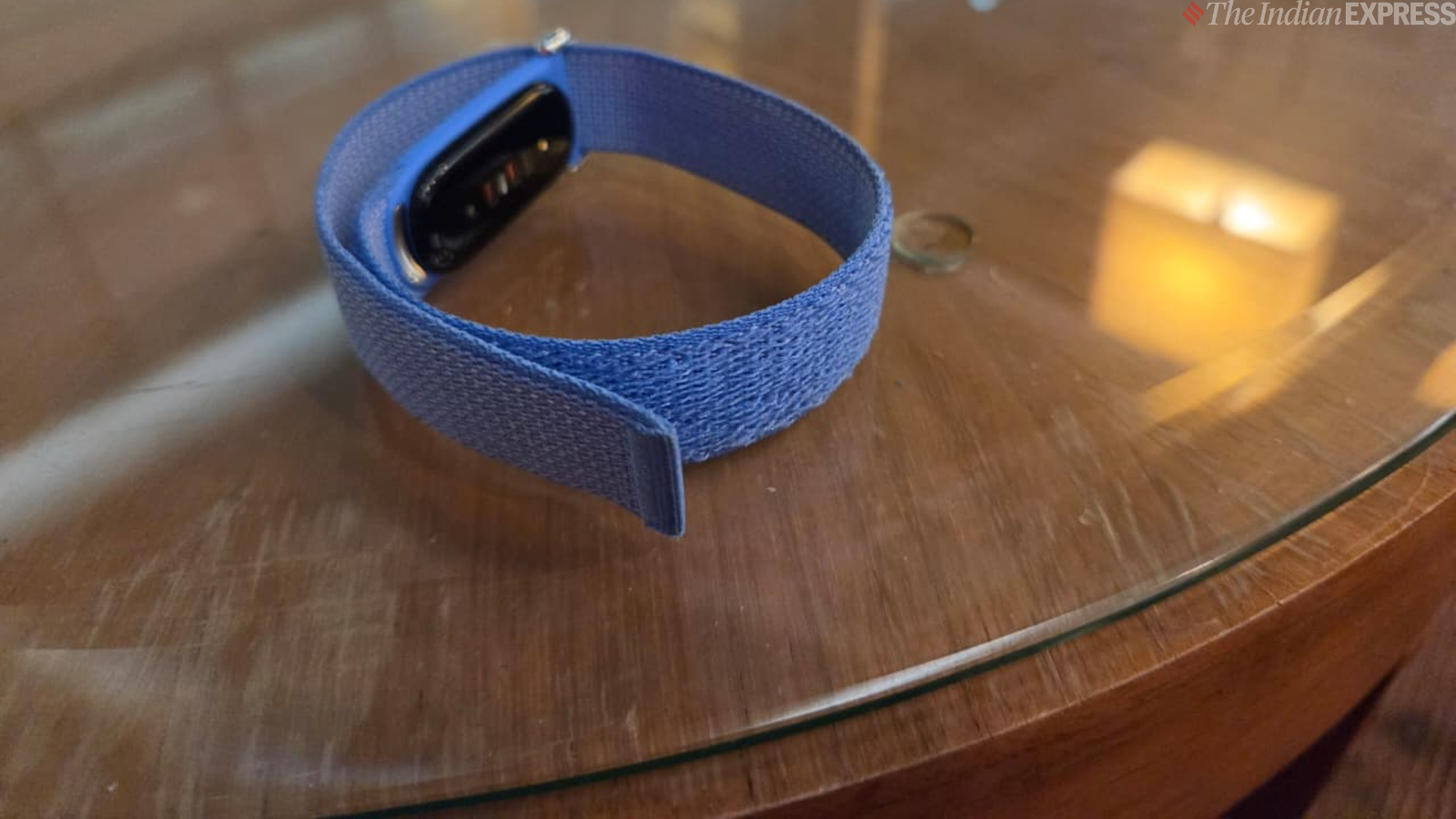
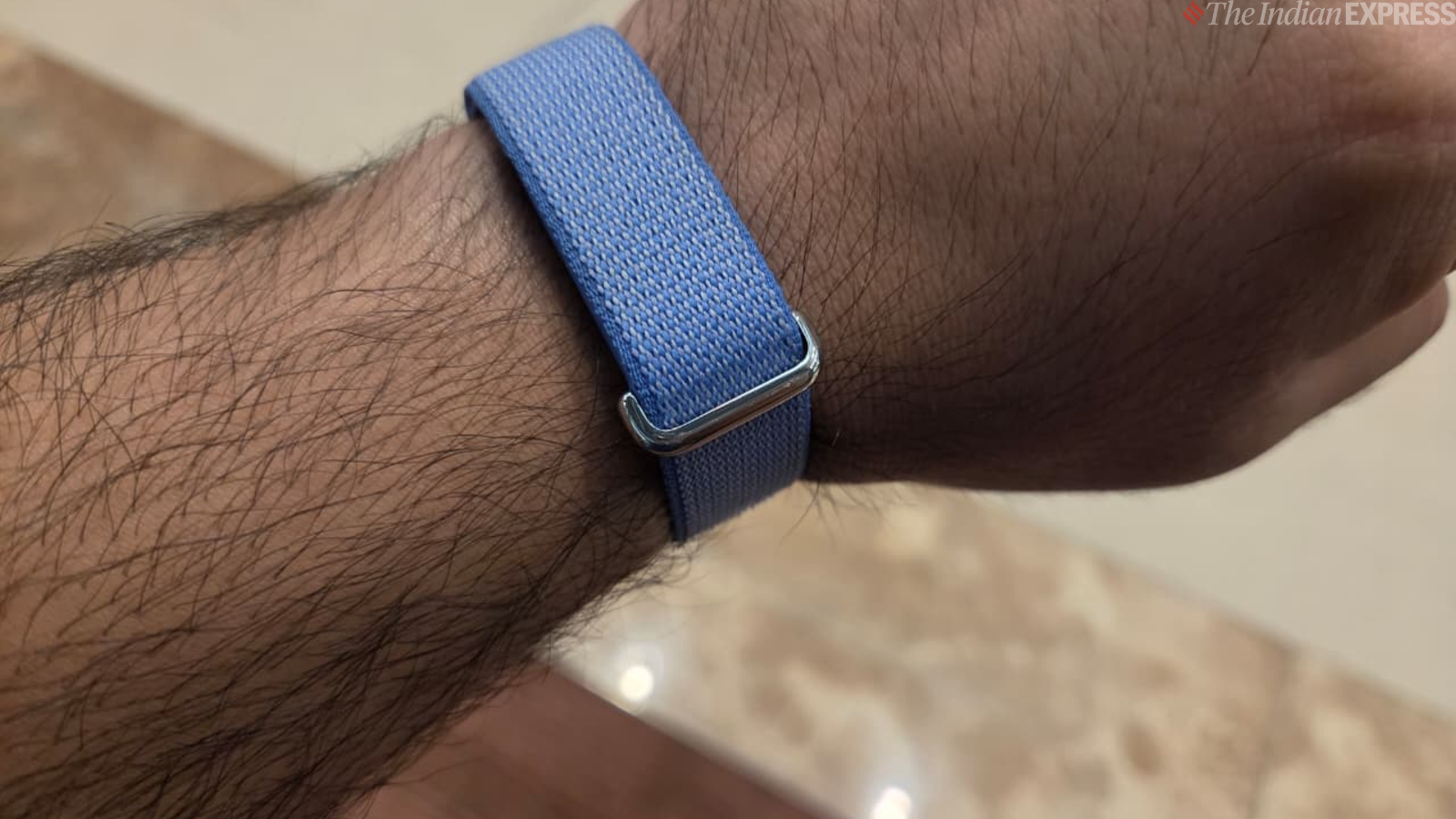
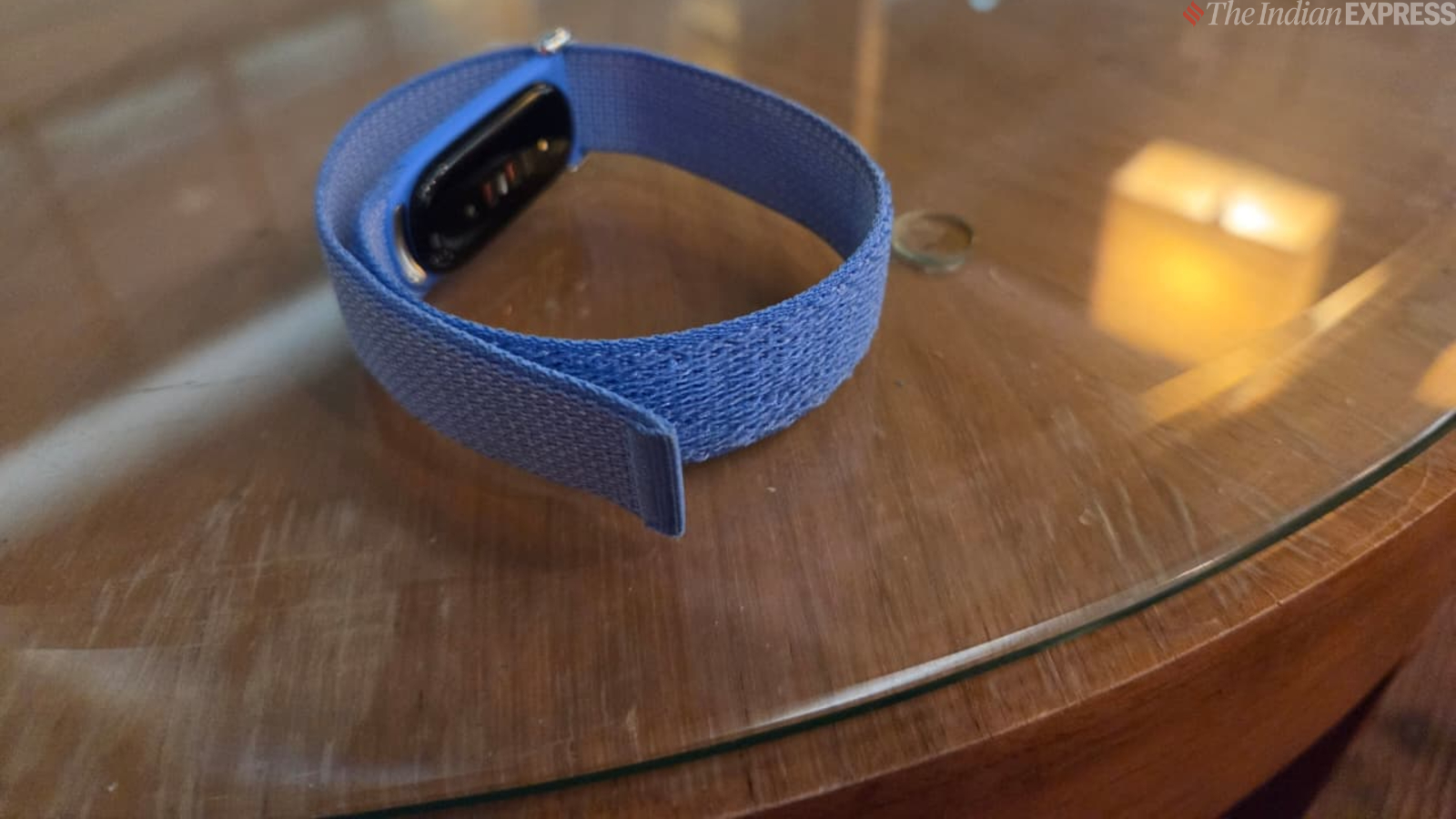
Priced competitively at Rs 13,999, the Fitbit Air is a screen-free, highly discreet fitness tracker designed to function as a hybrid between a traditional smartwatch and a smart ring. Measuring a slender 17mm in width and 8.3mm in thickness, the pebble-shaped tracker is encased in a soft, washable, and adjustable textile loop band that fastens securely via a Velcro-like strap. Available in four distinct colorways—Obsidian, Fog, Lavender, and Berry—the device weighs next to nothing, rendering it nearly imperceptible during long-haul travel or restless nights of sleep.
Unlike screen-heavy wearables that bombard users with constant digital distractions, the Fitbit Air prioritizes uninterrupted health monitoring. Powered by the newly rebranded Google Health app (formerly the Fitbit app), it captures a vast array of vital health metrics—ranging from resting heart rate and blood oxygen levels to skin temperature, heart rate variability (HRV), respiratory rate, and irregular heart rhythm notifications. Furthermore, integration with Google’s Gemini AI powers an advanced conversational health coach, offering tailored nutritional and recovery insights directly within the application interface.
Chronology
To thoroughly test the real-world utility of Google’s latest ecosystem experiment, a rigorous multi-day evaluation protocol was executed across distinct international environments:
- Day 1 (In-Flight Testing): The evaluation commenced mid-air on a long-haul flight from San Francisco to Delhi. Dual-wielding the Pixel Watch 5 on the right wrist and the Fitbit Air on the left provided an immediate contrast in comfort and ergonomics during extended periods of sedentary travel. Upon stepping off the plane in Dubai, the physical distinction was palpable: while the Pixel Watch 5 remained a heavy presence, the Fitbit Air had virtually disappeared from the wearer’s sensory awareness.
- Days 2 through 4 (Event & Travel Stress): The tracker accompanied the reviewer through high-stress professional engagements and extensive walking tours in San Francisco. During this period, the device logged sustained cardiovascular output and disrupted sleep schedules, feeding continuous behavioral datasets back to the Google Health app.
- Day 7 (Calibration and AI Coaching): Following the mandatory one-week baseline calibration period, the Google Health app unlocked its comprehensive daily readiness scoring and personalized Gemini AI feedback loops, transitioning from raw metric collection to actionable lifestyle guidance.
Supporting Data & Comparative Metrics
When evaluating fitness trackers in the sub-two-thousand-rupee tier, hardware dimensions, battery efficiency, and software ecosystem lock-in dictate market viability. The Fitbit Air presents a compelling spec sheet when stacked against established competitors like Whoop and traditional entry-level smartwatches:
| Feature / Metric | Google Fitbit Air | Whoop Band | Entry-Level Smartwatches (e.g., Apple Watch SE) |
|---|---|---|---|
| Price | Rs 13,999 | Subscription-dependent model | Significantly higher pricing |
| Form Factor | Screen-free pebble in fabric loop | Screen-free modular pod | Full display interface |
| Dimensions | 17mm wide, 8.3mm thick | Varies by strap ecosystem | Bulky rigid chassis |
| Battery Life | Approx. 7 days | Approx. 14 days | 18 to 36 hours |
| Charging Speed | 5 mins for 1 day; 90 mins for full charge | Up to 2.5 hours for full charge | Varies (typically 1 to 2 hours) |
| Core Sensors | HR, HRV, SpO2, Skin Temp, Respiratory Rate | HR, HRV, Skin Temp, Strain metrics | HR, SpO2, GPS, ECG (select models) |
| AI Integration | Google Gemini Health Coach | Standardized algorithmic strain coaching | Siri / Google Assistant basic queries |
| Subscription Requirement | Optional (Core metrics free; Advanced AI & insights require Premium) | Mandatory for core functionality | None |
Official Responses & Ecosystem Vision
Google’s design philosophy behind the Fitbit Air centers on the realization that raw telemetry data is useless if the end-user lacks the analytical tools to interpret it. During product briefings, engineering leads emphasized that modern users are suffering from "dashboard fatigue"—the exhaustion of looking at endless graphs of steps, sleep stages, and heart rate zones without knowing what behavioral adjustments to make.
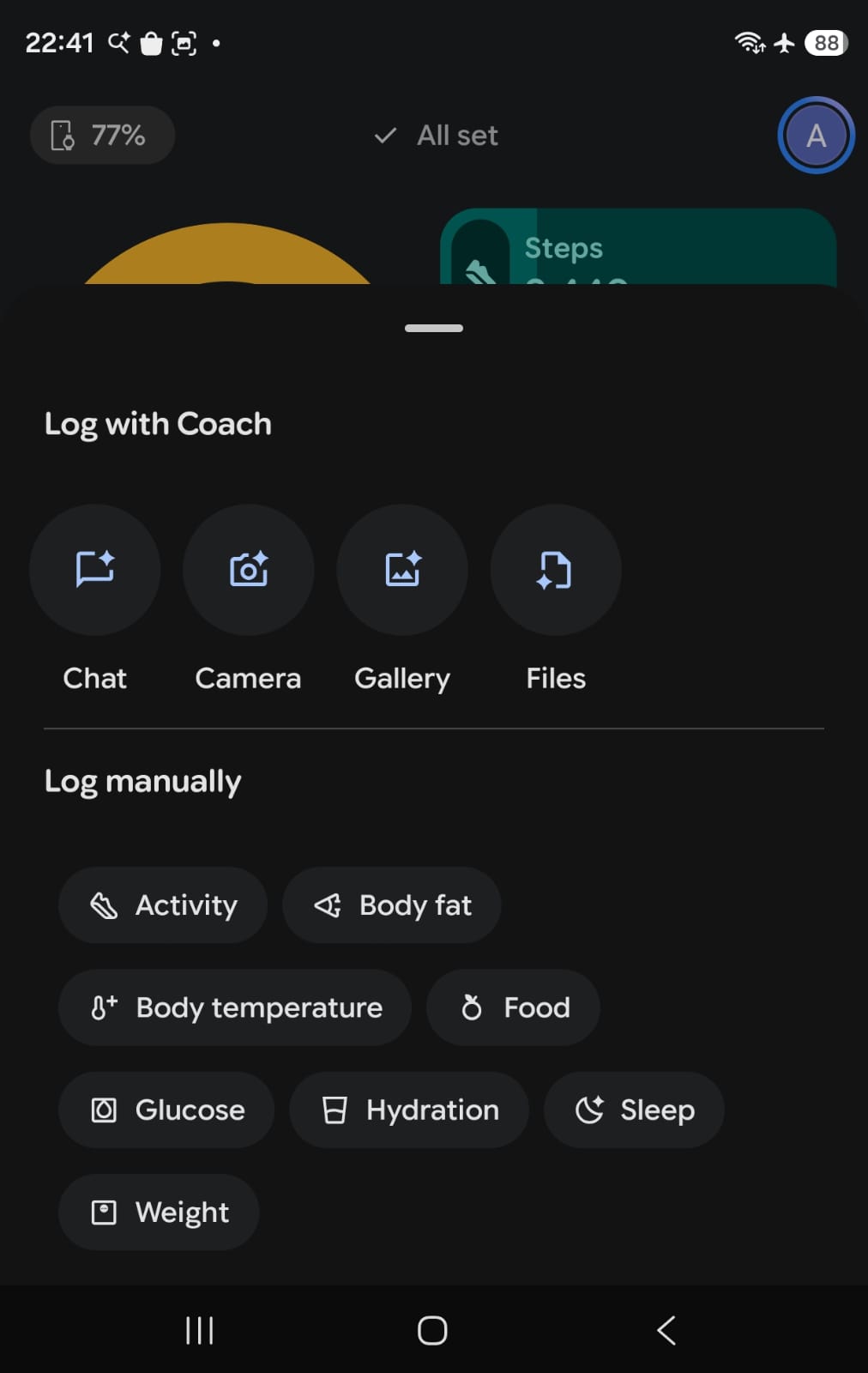
The integration of Gemini AI into the Google Health app represents Google’s definitive answer to this friction. Rather than forcing users to manually sift through deep data silos or interact with rigid, rule-based chatbots, the Gemini-powered health coach functions as a conversational partner.
During the San Francisco testing phase, when the user queried the system for dietary modifications to combat afternoon lethargy induced by heavy walking schedules and sleep deficits, the AI coach analyzed the underlying biometric correlations. Instead of offering generic advice, the system successfully recognized the user’s need for a structured nutritional approach tailored specifically to high-step, low-sleep operational windows.
Google maintains that while subscriptions unlock the full depth of these AI insights and advanced recovery metrics—with a three-month complimentary trial included with purchase—the device’s core utility remains accessible out-of-the-box. Basic health metrics, step counts, and sleep tracking continue to function without a mandatory recurring fee, distinguishing it sharply from closed-loop ecosystems like Whoop.
Implications for the Wearables Market
The launch of the Fitbit Air carries significant strategic implications for the broader consumer electronics and digital health landscapes.
1. The Death of the "One-Size-Fits-All" Wearable
For years, the industry operated under the assumption that consumers wanted a singular device—a smartwatch—to handle everything from answering phone calls to tracking nocturnal heart rate variability. However, the physical reality of wearing a rigid glass-and-metal puck to bed has created a massive opening for ultra-lightweight, screen-free alternatives. By proving that users are willing to dual-wear or abandon smartwatches entirely for specific use cases (such as sleep tracking and long-distance travel), Google is validating the "form-follows-function" design ethos previously championed exclusively by smart rings and niche athletic bands.
2. Democratizing Advanced Biometrics through Conversational AI
The integration of generative AI into health applications lowers the barrier to entry for preventative medicine. Historically, metrics like Heart Rate Variability (HRV) and Cardio Load were esoteric numbers understood primarily by endurance athletes and fitness professionals. By translating these complex datasets into conversational, natural-language recommendations via Gemini, Google is making longitudinal health data actionable for the average consumer.
3. Pricing Pressures on Niche Competitors
At Rs 13,999, the Fitbit Air aggressively undercuts premium subscription-locked alternatives while offering a robust free tier. This positions Google to capture budget-conscious consumers who admire the functionality of high-end athletic trackers but refuse to be locked into inflexible monthly fee structures just to view their daily stats.
Limitations to Consider
Despite its many strengths, the Fitbit Air is not without flaws. Reviewers noted occasional software latency: the Google Health app occasionally suffers from sluggish data synchronization speeds, and the tracker itself can exhibit delays when automatically logging sudden physical activities. Furthermore, users who rely on glanceable notifications, custom watch faces, or advanced clinical diagnostics like on-demand ECG readings will still find traditional smartwatches indispensable.
Verdict
Ultimately, the Google Fitbit Air serves as a remarkably smooth entry point for anyone seeking to transition from casual step-counting to serious, data-driven health optimization. By stripping away the screen and letting advanced software do the heavy lifting, Google has crafted a wearable that respects the user’s attention span while quietly and effectively monitoring their physiological wellbeing.



