










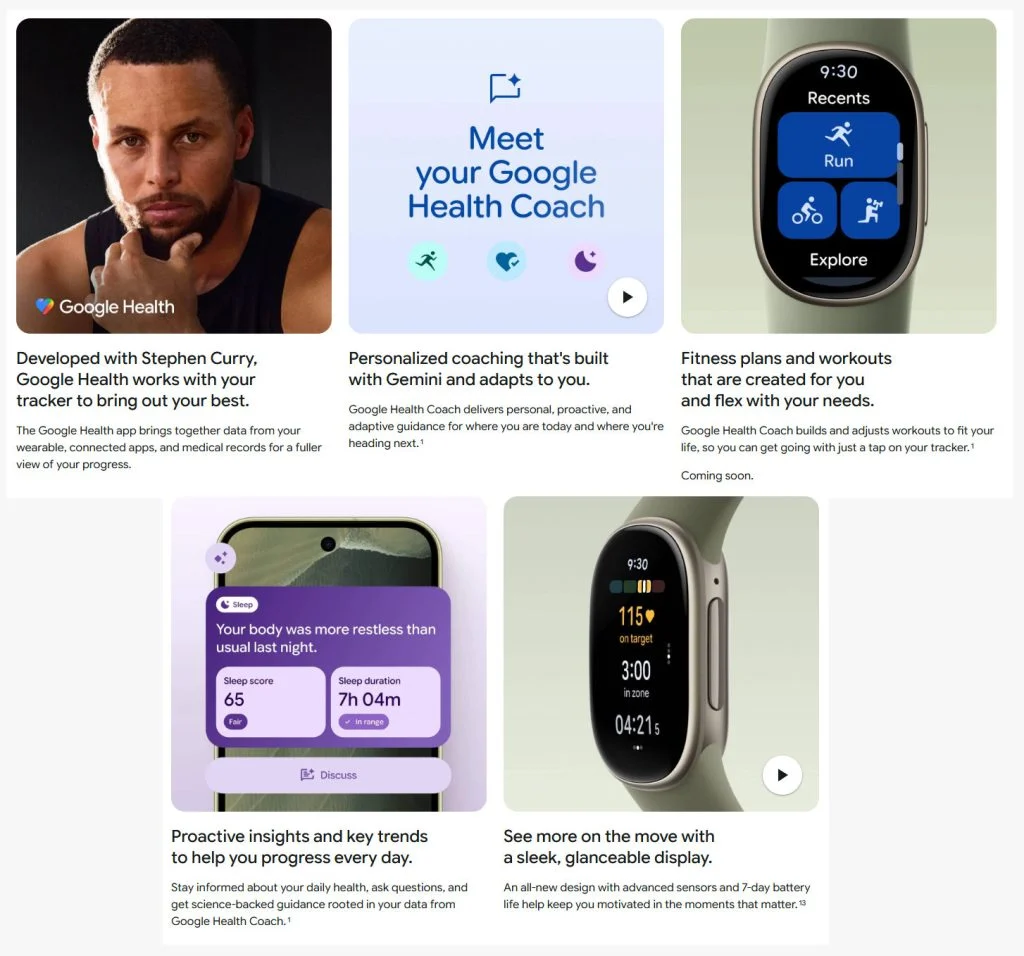
Google has officially unveiled the Fitbit Edge, a sophisticated new fitness tracker that promises to dismantle the traditional boundaries between minimalist, screenless activity bands and full-featured smartwatches. Positioned as a direct successor to the lineage of Fitbit’s wearable ecosystem, the Edge introduces a modular hardware design, advanced biometric integration via Google Health Coach, and a refined aesthetic that prioritizes both form and functionality.
As the wearable market continues to evolve, the Fitbit Edge arrives as a strategic pivot for Google, emphasizing repairability and premium health insights. With a starting price of $179.99, the device is set to hit retail shelves on October 27, aiming to capture the demographic of users who desire smartwatch-level data without the bulk and battery-draining complexity of a high-end wearable.
The Core Innovation: A New Design Philosophy
The Architecture of the Edge
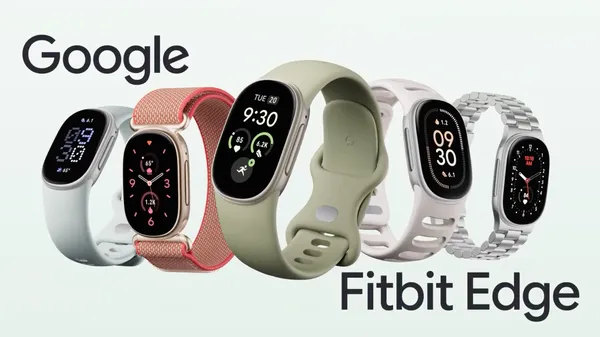
The Fitbit Edge is built around an aircraft-grade aluminum housing that measures 39.22 mm by 25.56 mm, maintaining a sleek profile at just 11.58 mm thick. In an era where tech consumers are increasingly critical of the "throw-away" nature of consumer electronics, Google has made a bold statement with the Edge: it is the company’s first truly repairable fitness tracker.
By utilizing a modular internal architecture, the device features a user-accessible and replaceable 65 mAh lithium-ion battery. This design choice not only extends the product’s lifecycle but also addresses the primary pain point of aging wearables: battery degradation. Weighing in at a mere 17.7 grams (without the band), the device is designed to be unobtrusive, sitting comfortably on the wrist for 24/7 wear.
Display and Tactile Control
The visual centerpiece of the Edge is its 1.34-inch (34 mm) color AMOLED display. Boasting a 46% increase in viewing area compared to its predecessors, the screen supports always-on functionality, allowing users to glance at their vitals without waking the device. Recognizing that touchscreens can be cumbersome during intense physical activity—particularly when hands are sweaty or wet—Google has introduced a physical mechanical side button. This tactile interface allows for intuitive control, enabling users to pause or resume workouts with physical feedback, ensuring the tracker remains reliable in every environment.
Chronology of Development: From Concept to Retail
The development of the Fitbit Edge reflects a broader transition within the Google-Fitbit partnership. Following the integration of Fitbit into Google’s hardware division, the roadmap shifted toward deeper integration with Google’s software ecosystem, specifically the Google Health app and the Google Health Coach service.
- Initial Development Phase: Google focused on the "bridge" concept—creating a device that doesn’t feel like a toy but avoids the complexity of the Pixel Watch series.
- Engineering Milestones: The team prioritized the Ambiq AP5 microcontroller, chosen for its extreme power efficiency, which is essential to achieving the seven-day battery life target.
- Sustainability Push: The decision to move toward a modular, repairable chassis was finalized mid-cycle, aligning with Google’s overarching environmental commitments for the 2026 product year.
- The Announcement: The device was officially announced in mid-October 2026, with a rapid turnaround for pre-orders and an October 27, 2026, global retail launch.
Supporting Data: A Deep Dive into Specifications
The hardware under the hood is as impressive as the exterior. The Ambiq AP5 MCU, paired with 64 MB of NOR flash storage, provides sufficient computing power to track metrics without latency. The storage capacity is optimized to retain detailed, minute-by-minute motion data for seven days, while daily summaries are archived for up to 30 days.
Technical Specification Overview
| Feature | Detail |
|---|---|
| Display | 1.34-inch AMOLED, Always-on |
| Connectivity | Bluetooth 5.4, GPS, Galileo |
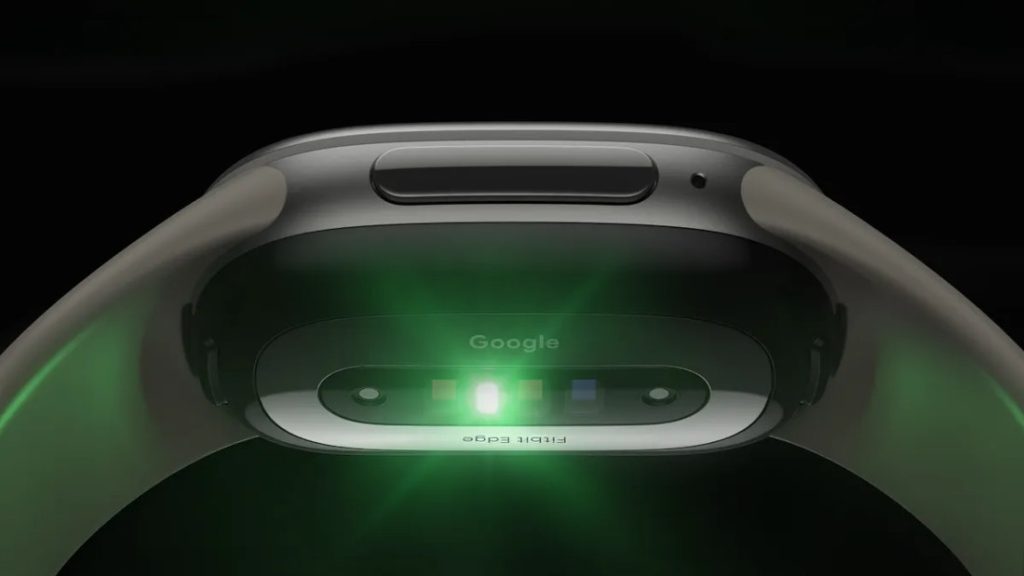
| Sensors | PPG (Optical), ECG (Electrical), SpO2, Skin Temp, Altimeter |
| Water Resistance | 5 ATM / IP68 (up to 50m) |
| Battery Life | 7 days; Fast charge: 5 mins for 24h |
| OS Support | Android 11+, iOS 16.4+ |
The sensor suite is particularly robust, featuring an optical PPG monitor that tracks resting heart rate at two-second intervals. By integrating an electrical sensor for ECG readings and a skin temperature sensor, the Fitbit Edge provides a holistic view of user health, moving beyond simple step counting to complex wellness monitoring.
Official Responses and Strategic Positioning
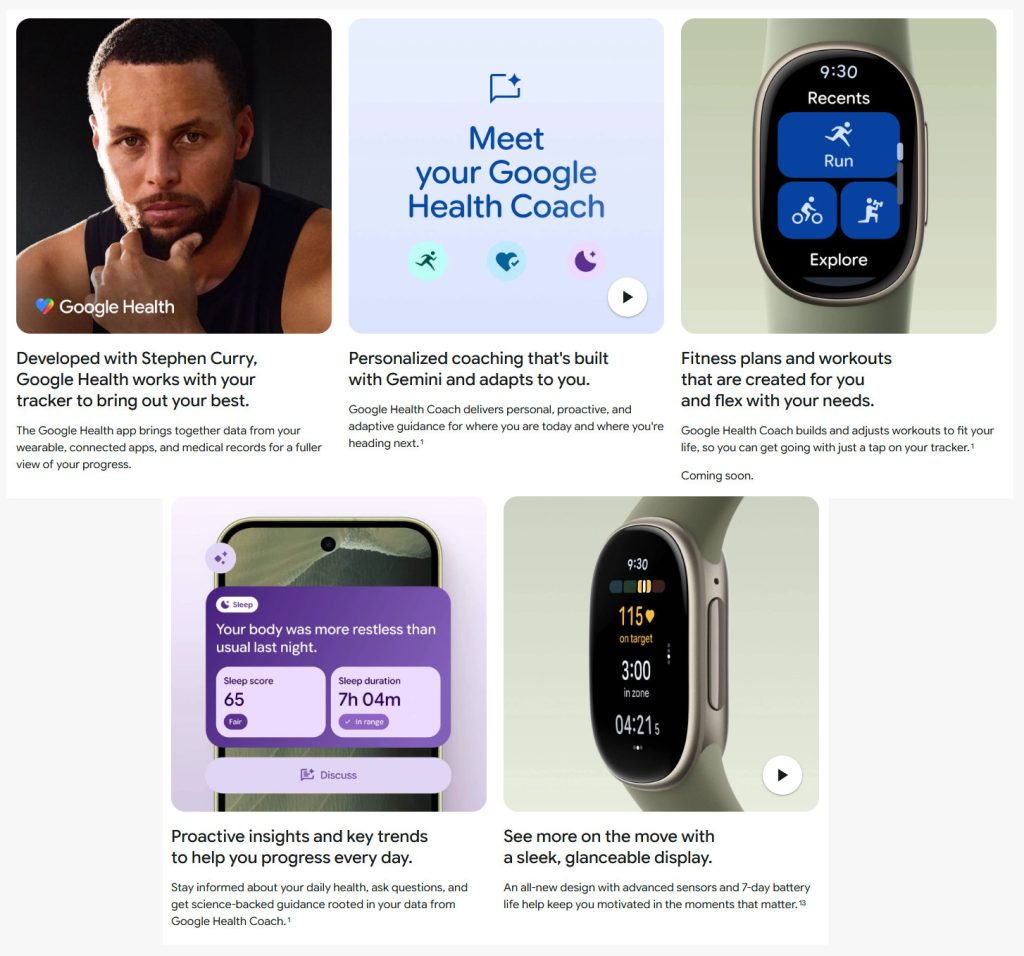
Google’s leadership has framed the Fitbit Edge as a "lifestyle catalyst." In official press statements, the company highlighted the "Google Health Coach" integration, which processes data collected by the Edge to provide actionable, personalized health advice. Unlike generic trackers that simply display data, the Edge is designed to interpret that data in the context of the user’s long-term health goals.
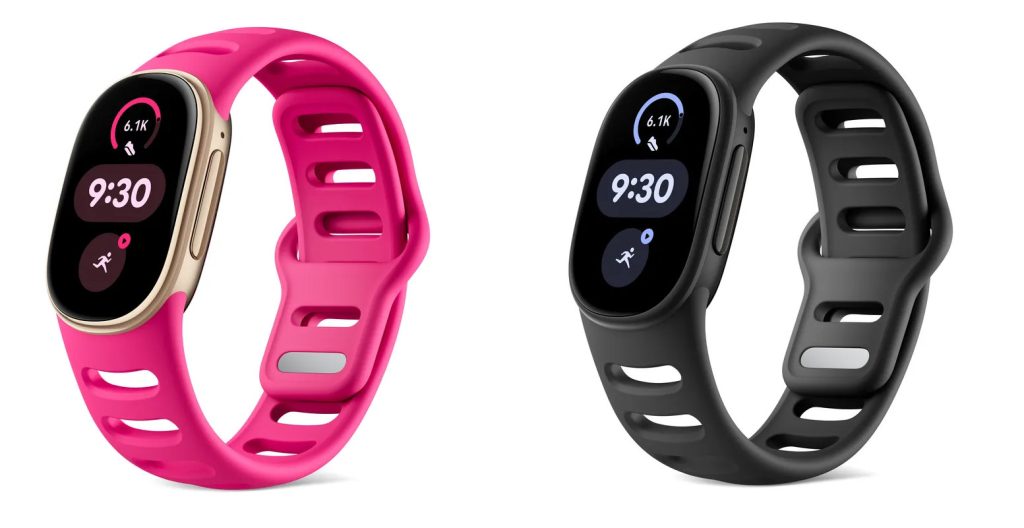
Regarding the choice of materials, Google emphasized the use of premium aluminum and recycled components, especially in the Stephen Curry Special Edition. "We wanted to create a device that feels like a piece of high-end jewelry while performing like a professional athlete’s training tool," a Google spokesperson noted. The decision to include a three-month trial of Google Health Premium with every purchase is a clear signal that Google intends to transition users toward a subscription-based model, where the value lies not just in the hardware, but in the intelligent, recurring analysis of their biometric data.
Implications: What the Fitbit Edge Means for the Industry
The release of the Fitbit Edge carries significant implications for the wearable market.
1. The Death of the "Disposable Tracker"
By making the battery modular and the device repairable, Google is forcing competitors to reconsider their product design. If consumers begin to demand repairability as a standard feature, companies that continue to produce sealed, unrepairable units may find themselves at a disadvantage. This is a potential tipping point for the "Right to Repair" movement in the consumer tech space.
2. The Integration of AI in Wellness
The reliance on Google Health Coach suggests that hardware is becoming secondary to the software experience. The Edge is effectively a "data collection terminal" for Google’s AI. By consolidating health metrics—from heart rate variability to sleep quality—into a single, easy-to-use interface, Google is attempting to create a "sticky" ecosystem that is difficult for users to leave.
3. Price-to-Value Ratio
At $179.99, the Fitbit Edge sits in a highly competitive bracket. It is priced lower than full-fledged smartwatches like the Apple Watch or Pixel Watch, yet it offers more depth than budget-tier fitness bands. This "Goldilocks" pricing strategy aims to capture the vast middle market of fitness enthusiasts who are budget-conscious but demand high-fidelity health tracking.
4. The "Celebrity Effect"
The introduction of the Stephen Curry Special Edition at a $219.99 price point indicates that Google is serious about lifestyle branding. By leveraging high-profile athletes, Google is positioning the Fitbit Edge not just as a medical device, but as a fashion accessory and a status symbol. This strategy mirrors the success of companies like Garmin and Apple, which have long used special editions to drive brand affinity and premium pricing.
Conclusion
The Google Fitbit Edge is more than just a minor update in a crowded field of wearables. It is a thoughtful, well-engineered device that addresses the critical needs of the modern consumer: durability, repairability, and intelligent health insights. Whether it succeeds in shifting the industry toward more sustainable manufacturing remains to be seen, but with the backing of Google’s expansive health ecosystem, the Edge is undeniably a formidable contender for the wrists of millions.
As we approach the October 27 launch date, the market is watching closely. If the Edge delivers on its promise of a seven-day battery life and seamless health coaching, it may well become the new benchmark for what a fitness tracker should be in the latter half of this decade.



