








By Technology Correspondent
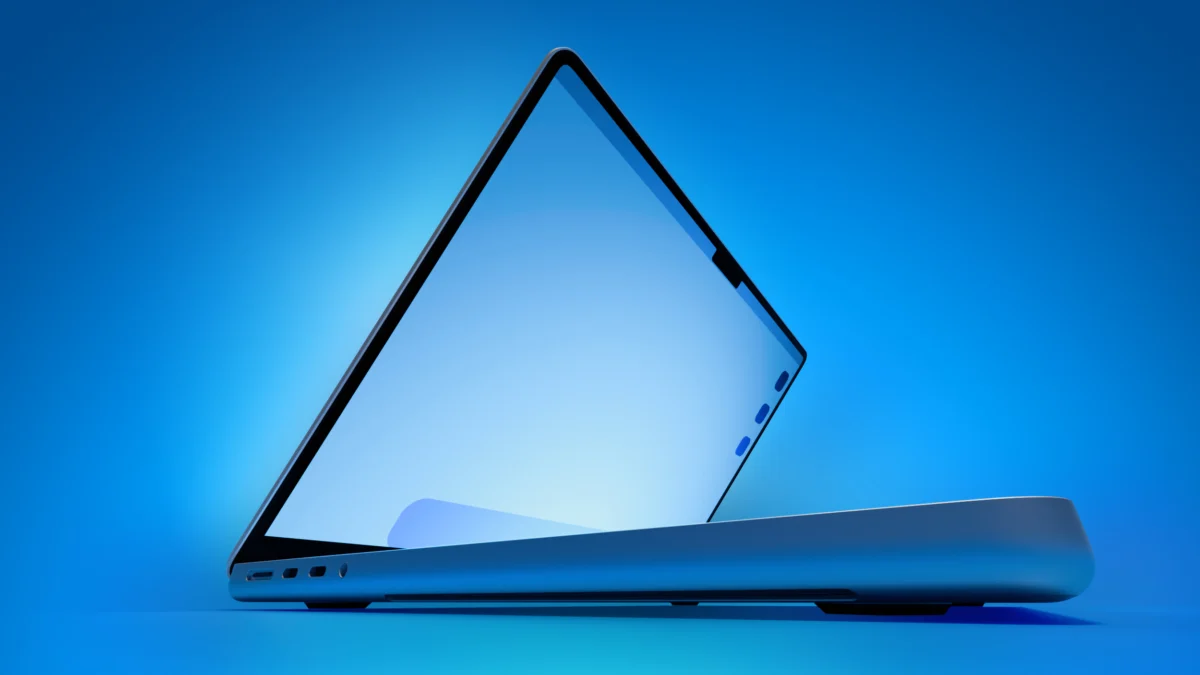
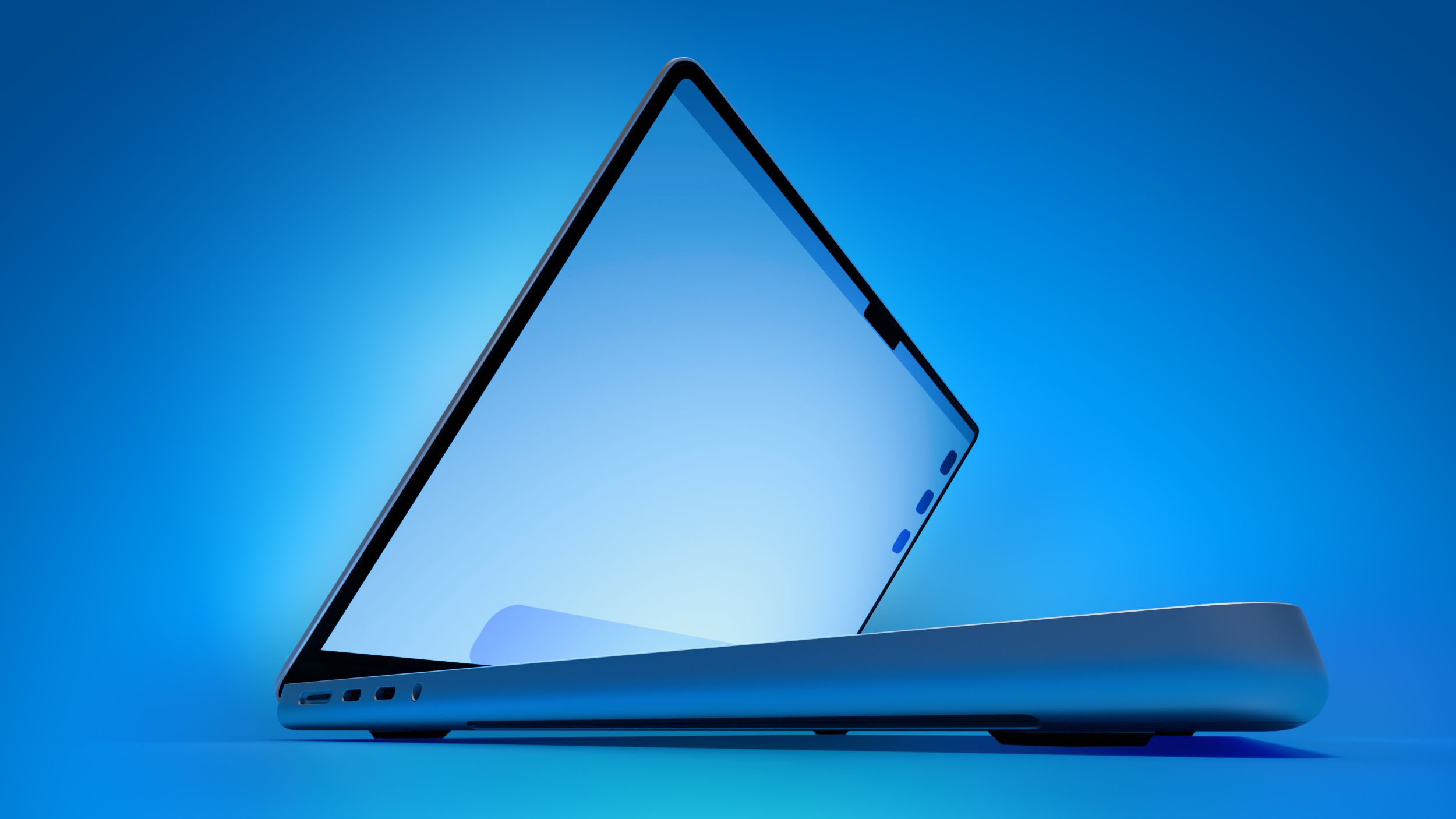
In a move that promises to redefine the landscape of professional computing, Apple is reportedly preparing to launch its most significant MacBook redesign in over a decade. According to insights shared by Bloomberg’s Mark Gurman on the inaugural episode of his Power On podcast, the Cupertino-based tech giant is set to introduce 14-inch and 16-inch MacBook Pro models featuring long-rumored, touch-enabled OLED displays. This transition marks a monumental shift in Apple’s philosophy regarding user interaction, potentially bridging the long-standing divide between its mobile iOS ecosystem and its powerful macOS workstation environment.
The Core Revelation: A New Era for the MacBook Pro
As of October 1, 2026, industry observers and Apple enthusiasts are bracing for a late-year release window. Mark Gurman, widely regarded as one of the most reliable sources for Apple’s internal product roadmaps, stated unequivocally that the company is targeting a launch between October and November.
"Apple, I believe, will introduce its first touchscreen MacBook Pro this fall, as early as October," Gurman noted. "It could slip to November, but as early as October."
This hardware update is not merely an incremental specification bump. By integrating OLED technology, Apple aims to deliver superior color accuracy, deeper contrast ratios, and significantly enhanced energy efficiency compared to the current Mini-LED displays found in existing Pro models. However, the true headline is the introduction of touch-screen functionality—a feature Apple co-founder Steve Jobs famously dismissed as impractical for a vertical desktop interface. The shift suggests that Apple has spent years refining a touch-optimized version of macOS, likely designed to maintain the ergonomics of a laptop while offering the versatility of an iPad.
A Chronology of Anticipation
The journey to a touchscreen MacBook has been characterized by years of speculation, internal testing, and strategic pivots.
- 2024–2025: The Foundation: Early rumors began circulating in late 2024 regarding Apple’s interest in cellular-enabled Macs. This laid the groundwork for a more autonomous, always-connected professional machine, with industry leaks pointing toward the development of custom 5G/LTE modem silicon, internally referred to as the C1X or C2 modems.
- Early 2026: The OLED Pivot: As the 2026 calendar year began, supply chain reports intensified regarding Apple’s transition to OLED panel technology. Industry research firms, including Omdia, began tracking a shift in display orders that signaled a move away from the traditional Mini-LED architecture.
- September 2026: The Beta Trail: Evidence of the upcoming hardware became undeniable in September 2026, when reports surfaced that macOS 27.1 and subsequently 27.2 were being tested internally on hardware specifically designed for touch input.
- October 2026: The Imminent Launch: With macOS 27.2 currently in the final stages of beta testing—and expected to roll out to the public by the end of the month—the synchronization between the new software build and the hardware launch is now clear.
Technical Specifications and Design Evolution
Beyond the display, the upcoming MacBook Pro models are expected to pack a substantial technological punch. Current intelligence suggests that these units will be powered by the M5 Pro and M5 Max chips. While these silicon variants are already well-regarded for their efficiency and power, their inclusion in this new chassis suggests a focus on sustained performance for creative professionals.
Dynamic Island Integration
Perhaps the most notable design change, aside from the touch screen, is the rumored elimination of the display notch in favor of a "Dynamic Island" interface. Borrowing from the iPhone’s success, this feature would allow for interactive, context-aware system alerts and controls to reside at the top of the display, further utilizing the space vacated by the sensor array.
A Thinner Form Factor
Reports indicate that the integration of OLED technology allows for a significantly thinner display panel, which has prompted Apple to redesign the entire MacBook Pro chassis. This aesthetic refinement is expected to bring the machine closer to the portability of the MacBook Air while maintaining the thermal headroom required for the M5-series chips.
Connectivity and the Cellular Dream
The mention of the potential C1X/C2 modem is perhaps the most intriguing aspect for enterprise users. If Apple manages to integrate native cellular connectivity into this premium tier of MacBooks, it would effectively sever the reliance on iPhone hotspots, providing a seamless "always-on" experience that could finally challenge the dominance of high-end Windows ultrabooks in the enterprise sector.
Strategic Positioning: MacBook "Ultra"?
One of the most debated questions among analysts is how these devices will fit into Apple’s existing lineup. Currently, Apple offers 14-inch and 16-inch MacBook Pros that will reportedly receive an M7 Pro/Max update in 2027. The touchscreen models are expected to be positioned as a premium, "tier-above" offering.
There is significant speculation that Apple may abandon the "Pro" nomenclature for these specific models in favor of a brand new designation. Names like "MacBook Ultra" or "MacBook Touch" have been floated, though nothing has been confirmed. This positioning would allow Apple to maintain its current price structure for the standard Pro models while commanding a significant premium for the touch-capable, OLED-equipped machines, effectively creating a new "halo" device for the brand.
Official Silence and Market Implications
As is standard practice, Apple has offered no official commentary regarding unreleased products. However, the impact of these leaks is already being felt in the wider market.
Following the report that Apple has canceled plans for a larger, foldable MacBook (an 18-inch concept that failed to meet production viability), the focus on a refined, touch-enabled, standard-form-factor MacBook Pro appears to be a calculated strategic retreat. By canceling the "foldable" project, Apple has doubled down on the form factor that professionals actually use, prioritizing reliability and display quality over experimental design.
Market Impact
- Supply Chain Dynamics: Display manufacturers supplying OLED panels to Apple are seeing a massive influx of demand, potentially causing a ripple effect that limits the availability of high-end OLED screens for other laptop manufacturers.
- Software Ecosystem: Developers are already preparing for a potential influx of touch-first applications. If Apple succeeds in making the touch interface intuitive, we may see a renaissance of iPad-style apps being ported to the Mac, further blurring the lines between Apple’s two primary computing platforms.
- Enterprise Adoption: If the cellular modem rumors prove true, IT departments will face a shift in security protocols. An always-connected Mac represents both a productivity boon and a potential security challenge, requiring new MDM (Mobile Device Management) strategies.
The Future of the Human-Computer Interface
The introduction of a touchscreen MacBook is a tacit admission that the traditional keyboard-and-trackpad paradigm is no longer sufficient for the modern professional. While critics might argue that a touchscreen on a laptop is "ergonomically challenged," Apple’s track record suggests that they have developed a unique solution—likely involving proprietary haptic feedback or a software-based "hover" interface that minimizes the need for users to reach across the keyboard.
As we approach the expected launch date in late October or early November, the tech world waits to see if Apple can successfully execute a pivot that competitors have struggled with for years. If the integration of OLED, the Dynamic Island, and potential 5G connectivity is handled with the refinement Apple is known for, the 2026 MacBook Pro could well be remembered as the moment the laptop finally grew up, evolving from a simple mobile computer into a true, multi-modal workspace.
For now, the countdown continues. With macOS 27.2 in final testing and the holiday shopping season approaching, all eyes remain fixed on Cupertino.