










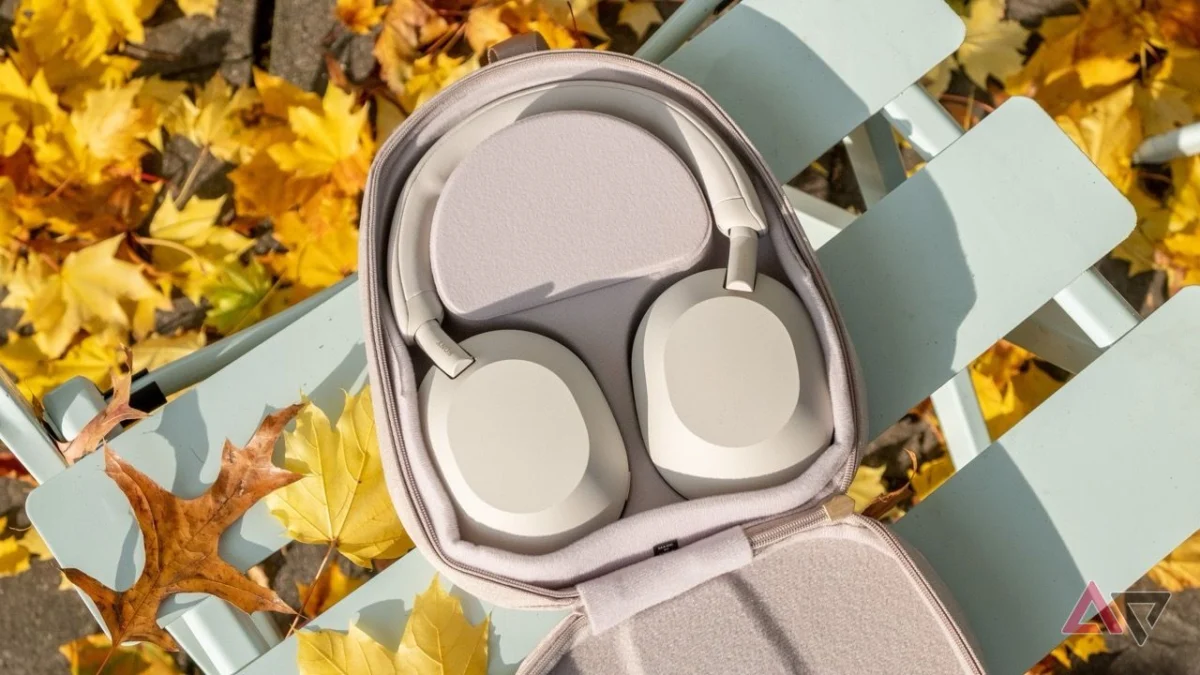
In the rapidly evolving landscape of consumer audio technology, few products manage to sustain their relevance years after their initial debut. Yet, as we move through late 2026, the Sony WH-1000XM5 headphones remain a definitive benchmark for high-fidelity sound and active noise cancellation (ANC). While newer models from competitors—and even Sony’s own evolving lineup—have hit the market, the WH-1000XM5 has cemented its status as a "gold standard" for audiophiles and casual commuters alike. Today, that recommendation becomes even more compelling as a significant price correction at Amazon has brought the retail cost down to just $198—a full 50% discount from their original $400 MSRP.
The Core Fundamentals: Why They Still Matter
At the heart of the WH-1000XM5’s enduring success is a masterclass in balance. Sony engineers prioritized a sound signature that is both rich and customizable. While the out-of-the-box tuning satisfies most listeners with its balanced frequency response, the companion Sony Headphones Connect app allows users to leverage a sophisticated equalizer to tailor the sound to their personal preferences.
The hallmark of the XM5 series, however, remains its class-leading noise cancellation. By utilizing a dual-processor architecture that controls eight microphones, the headphones effectively silence the ambient roar of city life, the hum of airplane engines, and the distractions of an open-office environment. This technological synergy ensures that even in 2026, the ANC performance of the XM5 remains nearly indistinguishable from the most expensive flagship models currently shipping.
Chronology of the WH-1000XM5
To understand the significance of this $198 price point, one must look at the trajectory of the product’s lifecycle:
- May 2022: Sony officially unveils the WH-1000XM5, introducing a radical redesign compared to its predecessor, the XM4. The move to a sleeker, more streamlined aesthetic signaled a departure from the foldable design of the past, focusing on comfort and wind-noise reduction.
- 2023–2024: Throughout this period, the headphones solidified their market position, frequently topping "Best Of" lists across major tech publications. The shift toward multipoint connectivity updates and firmware improvements kept the hardware feeling fresh.
- 2025: As competitors began introducing more advanced AI-driven spatial audio features, Sony responded with software updates to the XM5, maintaining its competitive edge in call quality and battery efficiency.
- October 2026: A strategic retail push sees the price drop to $198. This move is widely interpreted by analysts as a "clearing the path" strategy, offering consumers premium-tier audio performance at a mid-range price point.
Technical Specifications and Performance Data
For the discerning buyer, the technical specifications offer a clear look at why these headphones continue to outperform budget-tier options:
| Feature | Specification |
|---|---|
| Battery Life | Up to 30 hours (ANC on) |
| Connectivity | Bluetooth 5.2 (Multipoint enabled) |
| Charging | Quick charge: 3 minutes = 3 hours playback |
| Microphone System | 4 beam-forming microphones |
| Design | Non-foldable, over-ear, lightweight |
The inclusion of multipoint connectivity is perhaps the most requested feature for modern professionals. The ability to remain paired to a laptop for video conferencing while simultaneously monitoring a smartphone for incoming calls provides a seamless workflow that is difficult to find in entry-level headsets. Furthermore, the 30-hour battery life ensures that even heavy users only need to charge their device once or twice a week, mitigating the "battery anxiety" often associated with modern wireless electronics.
Examining the Design Compromises
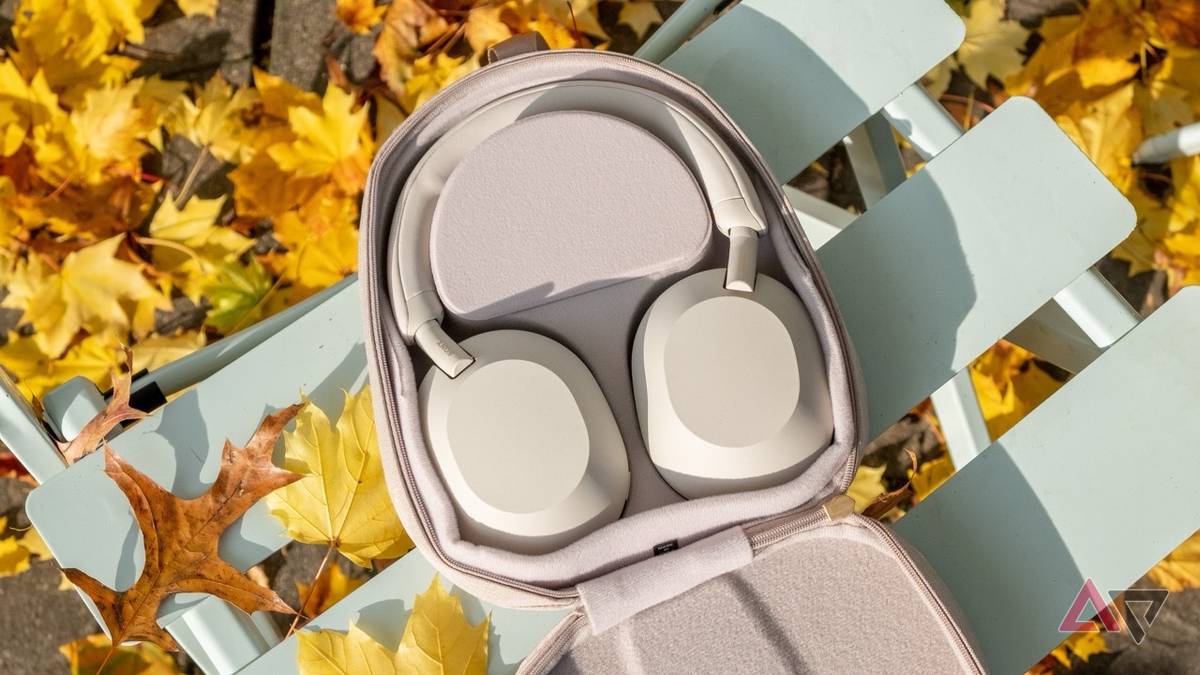
No piece of technology is without its caveats. The most frequent point of contention regarding the WH-1000XM5 is its non-foldable design. Unlike the XM4 or the Bose QuietComfort series, the XM5’s earcups do not collapse into the headband. This results in a larger carrying case, which can be a nuisance for frequent travelers with limited carry-on space.
However, from an engineering perspective, this design choice was intentional. By removing the hinges required for folding, Sony reduced the number of moving parts that could potentially break or introduce mechanical rattles. This creates a more rigid, durable structure that feels more premium on the head. For many, the slight increase in footprint is a fair trade-off for the improved structural integrity and the sleeker, modern aesthetic.
Official Stance and Market Implications
While Sony has not released an "official" statement regarding this specific price drop, internal industry reports suggest that this is part of a broader strategy to dominate the sub-$200 segment. By positioning a former flagship at this price, Sony effectively creates a "value trap" for competitors. Consumers looking for budget-friendly headphones are now presented with a choice: purchase a mid-tier brand-new product or secure a proven, top-tier industry leader for the same cost.
This move has implications for the broader market. It puts immense pressure on brands like Anker, Sennheiser, and JBL to justify their mid-range pricing. When a product with the pedigree of the XM5 hits the $198 mark, it sets a high bar for "value," forcing other manufacturers to innovate faster or lower their margins.

The Impact on User Experience
The user experience of the WH-1000XM5 is defined by its "smart" features. Beyond just ANC, the headphones utilize "Speak-to-Chat," a feature that automatically pauses playback and lets in ambient sound when the user begins to speak. While this can be toggled off for those who prefer manual control, it represents the kind of thoughtful integration that makes the XM5 feel like a sophisticated assistant rather than just a speaker.
For the remote worker, the call quality is perhaps the most significant upgrade over previous generations. The beam-forming microphones isolate the user’s voice while suppressing background noise with remarkable accuracy. In testing, even in windy outdoor conditions, the headphones consistently delivered clear, intelligible audio to the recipient on the other end of the line.
Final Verdict: Is It Still Worth It?
In 2026, the question is not whether the Sony WH-1000XM5 is a good product—the market has already answered that with years of sustained demand. The real question is whether it remains the right purchase in a landscape filled with newer, "AI-enhanced" alternatives.
Given the current $198 price point, the answer is a resounding yes. The marginal gains found in newer, more expensive models—such as slightly better battery life or incremental changes to ANC algorithms—rarely justify the $200 price delta compared to the XM5. By purchasing these headphones now, consumers are investing in a product that has been refined through years of firmware updates, user feedback, and industry validation.
Whether you are a student looking for a quiet study companion, a professional needing reliable call quality, or a music lover who demands a customizable sound profile, the Sony WH-1000XM5 represents the pinnacle of current value. Despite the minor inconvenience of its non-foldable design, its performance, comfort, and now its price make it an essential addition to any tech-focused household. If you have been waiting for the right moment to upgrade your audio experience, the wait is over.



