Introduction: The Philosophy of a Blank Canvas
In the vast ecosystem of content management systems, few releases carry the symbolic weight of a default WordPress theme. These themes are not merely visual templates; they are pedagogical tools, technological showcases, and structural blueprints meant to guide millions of site owners, developers, and designers into the future of web publishing. When the WordPress core team unveiled Twenty Twenty-Three, they did not deliver a flashy, opinionated layout laden with heavy frameworks or complex custom logic. Instead, they offered something far more radical: a clean, minimalist, highly adaptable blank canvas.
Designed specifically to harness the power of the cutting-edge design tools introduced in WordPress 6.1, Twenty Twenty-Three bridged the gap between raw functional capability and human creativity. Developed collaboratively by the global WordPress community, this default theme crossed a major milestone by amassing over 300,000 active installations and widespread multi-lingual adoption.
This article explores the anatomy of Twenty Twenty-Three, tracing its development chronologically, analyzing its core technical features, examining its community-driven design variations, and evaluating its long-term implications for the WordPress theme directory and the broader web design industry.
Main Facts: What is Twenty Twenty-Three?
At its core, Twenty Twenty-Three (often stylized as TT3) is a block-based default theme designed for maximum flexibility. Built to inherit the structural philosophies of its predecessor, Twenty Twenty-Two, TT3 shifted the focus away from pre-determined design constraints and placed it squarely into the hands of the user through Full Site Editing (FSE).
Key Specifications and Metrics:
- Core Compatibility: Built natively for WordPress 6.1 and later iterations.
- Active Installations: 300,000+ active sites worldwide.
- Style Variations: 11 distinct, community-crafted style variations.
- Development Model: Open-source, community-developed, and community-supported.
- Accessibility: Fully Accessibility Ready, supporting screen readers, keyboard navigation, and high-contrast environments.
- Localization: Translated into dozens of languages across the globe, ranging from Spanish, German, and Japanese to regional dialects and localized scripts.
Unlike older classic themes that relied heavily on PHP templates, Twenty Twenty-Three is constructed entirely of HTML templates, template parts, and block patterns. This architectural shift empowers users to modify every single pixel of their website—from headers and footers to archive pages and single posts—directly within the WordPress Site Editor without touching a line of code.
Chronology: From Concept to Global Adoption
The journey of Twenty Twenty-Three reflects the open-source, democratic ethos of the WordPress project. Unlike proprietary software where a closed product team dictates features behind closed doors, TT3 was forged in public repositories, GitHub discussions, and weekly Make WordPress Theme meetings.
Phase 1: Ideation and the Call for Community Styles (Mid-2022)
As WordPress prepared for the 6.1 release cycle, the core development team faced a strategic question: what should the next default theme look like? Given the rapid maturation of Full Site Editing, the consensus quickly pointed away from a singular, rigid aesthetic. If Full Site Editing was the future, the default theme needed to prove that future by being infinitely re-styleable.
During this conceptual phase, contributors proposed a minimalist base theme that would serve purely as a structural skeleton. To give this skeleton life, the project leads issued an open call to the global WordPress community: design the style variations.
Phase 2: Community Submission and Curation (Late 2022)
Designers from all corners of the globe submitted typography pairings, color palettes, and layout configurations. This grassroots approach democratized the design process, allowing independent creators whose work might normally remain niche to contribute directly to a core WordPress asset used by hundreds of thousands of users.
Out of numerous submissions, ten distinct style variations were initially selected and bundled into the core release, showcasing everything from bold, high-contrast brutalism to soft, earthy minimalism. An eleventh variation was later refined and integrated, solidifying the theme’s reputation as a chameleon capable of adapting to any brand identity.
Phase 3: Launch and Continuous Refinement (Late 2022 – Present)
Released alongside WordPress 6.1, Twenty Twenty-Three was met with immediate intrigue. While some traditionalists accustomed to heavy, feature-packed themes initially found the blank slate intimidating, the broader development community lauded its clean code, blazing-fast performance, and adherence to modern web standards.
Subsequent minor releases (such as version 1.7 and beyond) focused on bug fixes, performance optimizations, accessibility enhancements, and expanded translation support, ensuring the theme remained robust and secure as the WordPress core evolved.
Supporting Data: Features, Patterns, and Capabilities
To truly understand why Twenty Twenty-Three became a staple of modern WordPress deployments, one must examine its technical feature set and ecosystem integration.
1. The Eleven Style Variations
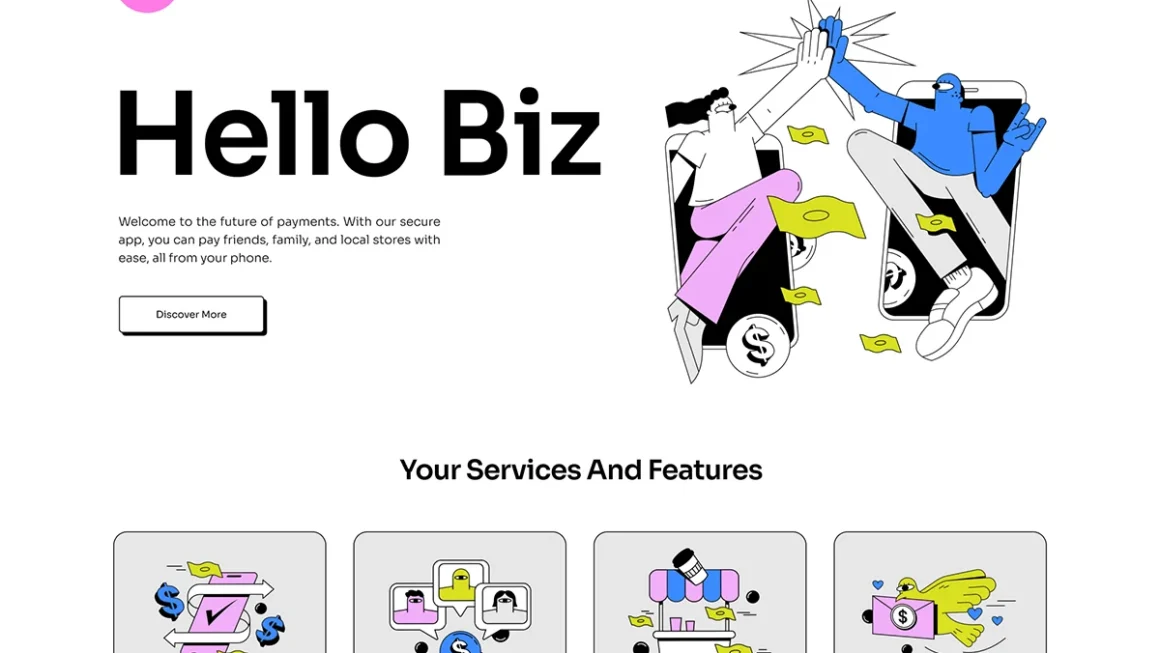
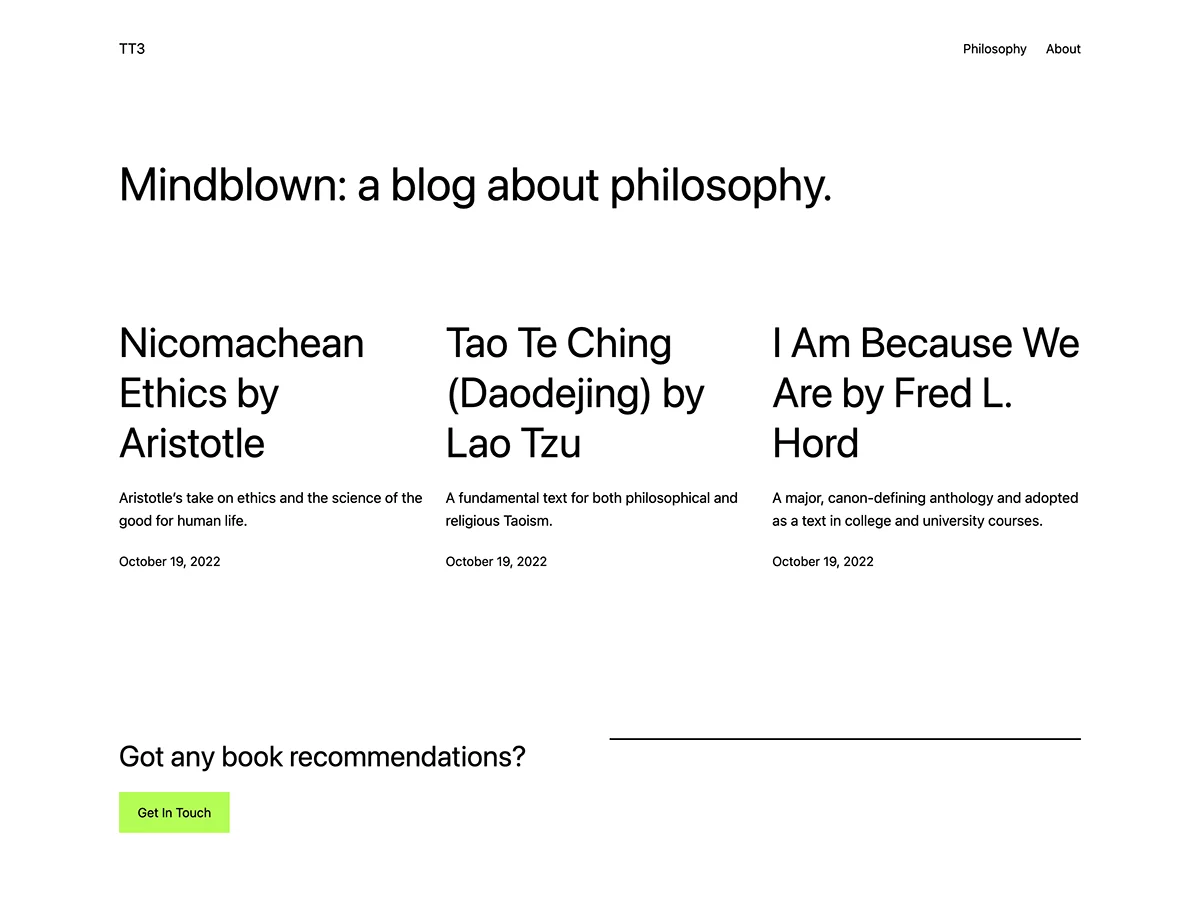
The standout feature of TT3 is its collection of 11 style variations. By altering global styles (such as global color sets, font families, and spacing rules), these variations transform the exact same underlying structure into drastically different aesthetic experiences. Users can switch between these looks with a single click in the Site Editor:
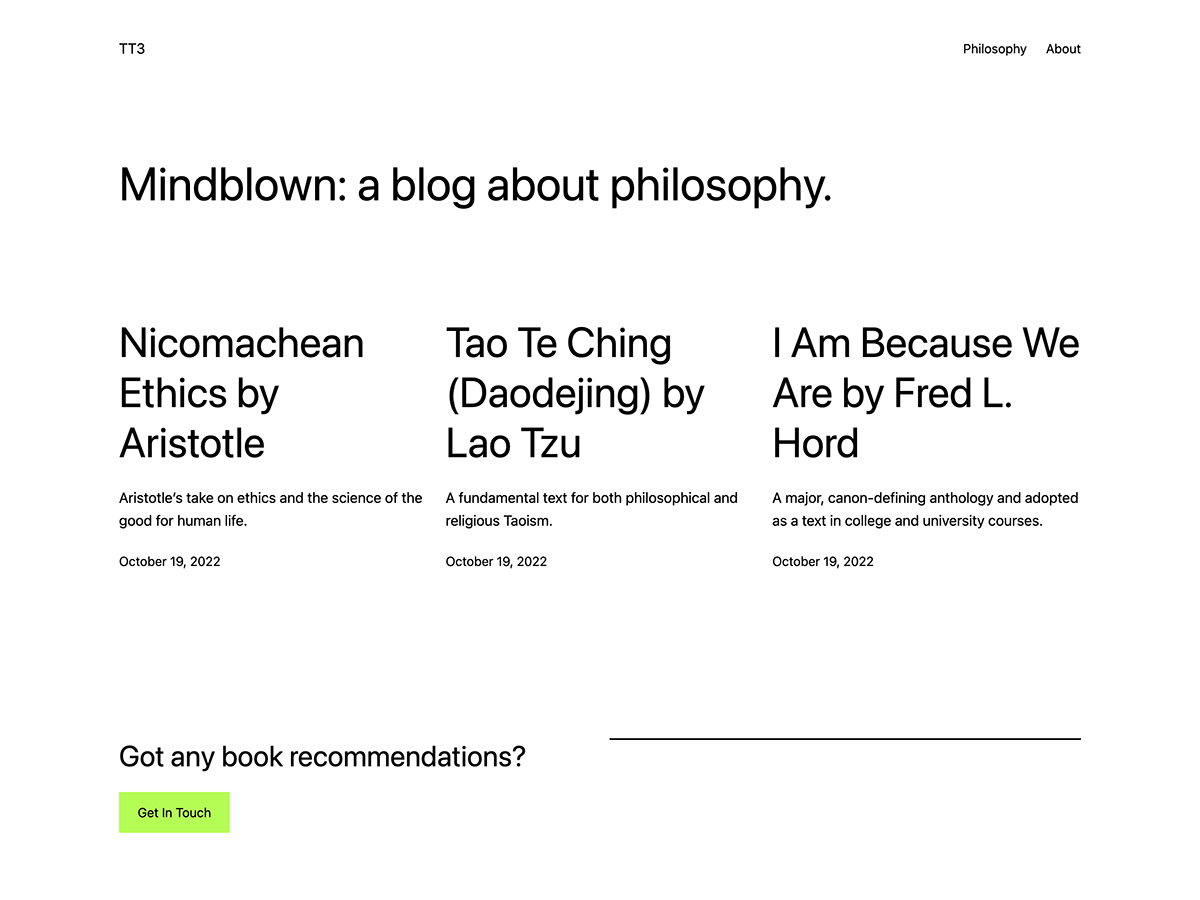
- Default: A clean, unpretentious baseline that highlights typography and whitespace.
- Community-Inspired Palettes: Ranging from muted, professional corporate tones to vibrant, artistic splashes of color.
- Dark and Light Modes: Built-in variations catering to modern user interface preferences.
2. Comprehensive Feature Tagging
According to the official WordPress theme repository data, Twenty Twenty-Three is tagged with nearly every modern capability standard:
- Full Site Editing (Block Themes): Complete control over site templates using blocks.
- Block Editor Patterns & Styles: Pre-designed layouts and custom block styling out of the box.
- Custom Colors, Logos, and Menus: Deep integration with the WordPress customizer and global styles interface.
- RTL Language Support & Translation Ready: Built to support right-to-left languages (like Arabic and Persian) alongside dozens of international translations.
- Performance Focused: Minimal CSS and JavaScript footprint, ensuring lightning-fast load times and high Core Web Vitals scores.
3. Support and Community Infrastructure
With over 300,000 active installations, Twenty Twenty-Three benefits from a massive peer support network. Users encountering questions or technical hurdles can leverage the active WordPress support forums. Furthermore, because the theme code is fully open and hosted on the official WordPress SVN/Git repositories, developers can easily browse the code, fork it for custom agency projects, or submit bug reports through the Make WordPress Themes reporting portal.
Official Responses and Community Perspectives
The release of Twenty Twenty-Three generated extensive commentary across the WordPress community, illuminating differing viewpoints on the trajectory of default themes.
Embracing the Power of Choice
Proponents of Full Site Editing hailed Twenty Twenty-Three as a masterclass in modern theme architecture. Core contributors emphasized that a default theme’s primary job is no longer to dictate a brand identity, but to showcase what the software can do.
"Twenty Twenty-Three proves that block themes don’t need to be bloated with proprietary page builders or excessive plugins to look stunning," noted several lead community developers during release panels. "By letting the community design the style variations, we turned a technical showcase into a collaborative masterpiece."
Navigating the Learning Curve
Conversely, some agencies and beginner users accustomed to legacy themes expressed initial friction. For users who preferred "ready-to-go" websites with pre-populated demo content and locked-down layouts, TT3’s absolute flexibility occasionally felt like an intimidating blank page.
However, official educational initiatives—such as Learn WordPress tutorials, community workshops, and extensive documentation—helped bridge this gap. Over time, feedback shifted as users realized that starting with a clean base ultimately prevented the "theme bloat" that plagued older generations of WordPress templates.
Implications: What Twenty Twenty-Three Means for the Future of Web Design
The impact of Twenty Twenty-Three extends far beyond its immediate download numbers. It serves as a watershed moment for how digital agencies, theme developers, and end-users approach website creation.
1. The Death of Monolithic Theme Frameworks
For years, the WordPress marketplace was dominated by massive, third-party theme frameworks loaded with custom shortcodes, proprietary page builders, and hundreds of configuration options. Twenty Twenty-Three, by demonstrating the sheer power of native WordPress blocks and global styles, proved that native core features can match or exceed the flexibility of third-party ecosystems while offering vastly superior performance and security.
2. Democratization of Theme Design
By opening the creation of style variations to the global community, WordPress established a new precedent for collaborative core asset development. This model signals a future where default themes are not built in a vacuum by a small corporate or core team, but are instead reflective of diverse aesthetic traditions and global design sensibilities.
3. Setting the Baseline for Accessibility and Performance
As web regulations tighten globally—particularly regarding digital accessibility (WCAG compliance) and performance metrics (Google Core Web Vitals)—having a default theme that is fully accessibility-ready out of the box sets an essential industry standard. Developers building client sites on top of TT3 inherit a solid, accessible foundation, reducing compliance risks and ensuring equitable user experiences for visitors with disabilities.
Conclusion
Twenty Twenty-Three is much more than a version number or a temporary placeholder in the WordPress theme repository. It stands as a pivotal milestone in the maturation of WordPress as a modern, block-driven content management system and operating system for the web.
By stripping away unnecessary bloat, embracing community-driven design variations, and fully unlocking the potential of Full Site Editing, Twenty Twenty-Three has empowered hundreds of thousands of creators to build fast, beautiful, and accessible websites. As the WordPress ecosystem continues to evolve into new frontiers of design and functionality, the minimalist blueprint laid down by TT3 will long be remembered as the theme that taught WordPress users how to embrace the power of the blank canvas.