As generative artificial intelligence continues to reshape the landscape of digital media, major streaming platforms are grappling with a fundamental question: How do you help listeners navigate a sea of synthetic audio without stifling creativity?
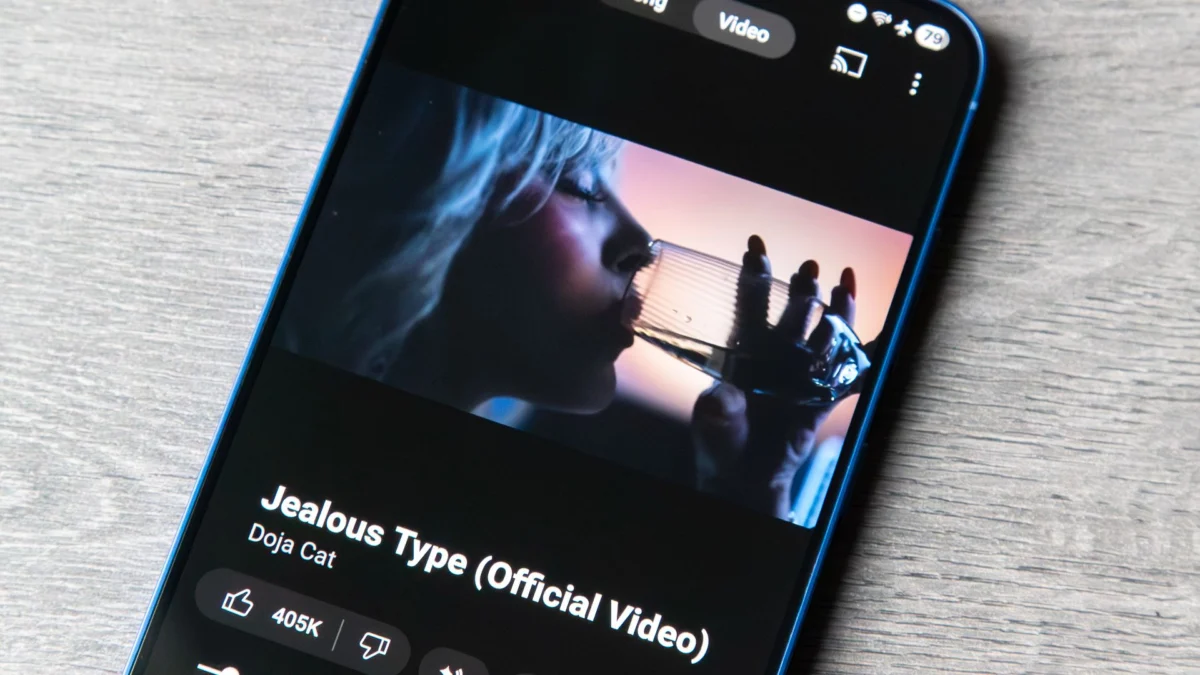
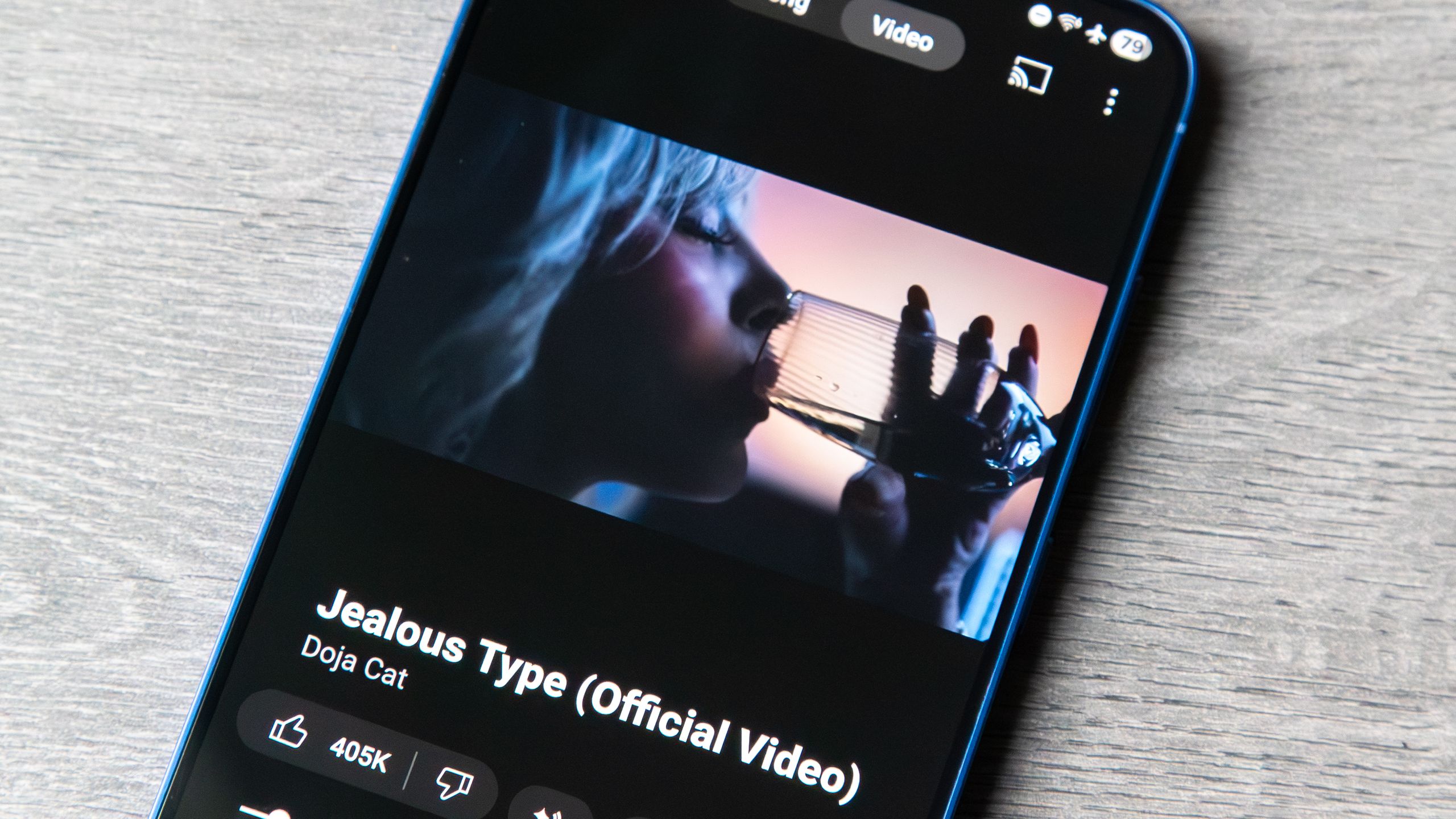
YouTube Music is taking a definitive step toward answering that question. The platform is rolling out new, highly visible labels directly onto its music player, designed to inform listeners when generative AI has played a significant role in the creation of a track. By bringing this information straight to the interface, YouTube aims to eliminate guesswork, allowing users to understand the origins of a song instantly without having to comb through dense track descriptions or metadata.
The rollout marks a major turning point for the streaming industry, balancing the rapid democratization of music production with the public’s growing demand for transparency.
Main Facts: What the New YouTube Music AI Labels Mean
The newly introduced feature is designed to flag music where generative AI models have contributed substantially to the creative process—ranging from AI-assisted composition to entirely synthetic vocals and instrumentation.
- Direct Player Integration: The labels appear directly on the playback screen, ensuring that users see them in real-time as they listen.
- Interactive Context Menus: Tapping on a label opens a dedicated menu providing deeper insights into the specific ways generative AI was utilized in the track’s production.
- Cross-Platform Expansion: While launching first on YouTube Music, the company has confirmed that these labels will eventually roll out to its primary video-sharing platform as well.
- Targeted Categorization: Rather than applying a blanket warning to all music touched by software, the system categorizes tracks based on the depth of AI involvement, distinguishing between minor technological assistance and fully synthesized songs.
This nuanced approach reflects the shifting reality of modern music production, where digital audio workstations (DAWs), pitch correction, and automated mixing tools have long utilized basic algorithms, even before the advent of modern generative AI models.
Chronology of the Shift: From Underground AI to Mainstream Disclosure
The journey toward mandatory AI labeling on mainstream streaming platforms has been rapid, driven by explosive advancements in machine learning models capable of generating broadcast-quality audio from simple text prompts.
Late 2022 to 2023: The Generative Audio Boom
The emergence of sophisticated text-to-audio and voice-cloning models democratized music generation. Suddenly, individuals without formal training in composition, instrumentation, or singing could produce fully realized songs in minutes. This wave peaked with viral tracks mimicking famous artists—most notably "Heart on My Sleeve," an AI-generated song imitating Drake and The Weeknd that swept social media and forced the music industry into a defensive posture over copyright and identity.
Late 2023 to 2024: Industry Panic and Policy Formulation
Major record labels, publishers, and streaming services scrambled to address the influx of uncredited synthetic content. Copyright holders expressed severe concerns over unauthorized voice cloning and copyright infringement. Simultaneously, platforms realized they needed proactive frameworks to manage catalog pollution, bot-driven streaming fraud, and consumer trust erosion.
2025 and Beyond: The Push for Structured Transparency
Recognizing that outright bans were technologically unenforceable and culturally restrictive, tech giants shifted strategies. Instead of trying to eradicate AI music, companies like YouTube began developing standards for identification. Industry stakeholders recognized that audiences were not necessarily opposed to technological innovation, but they strongly objected to deception. The introduction of YouTube’s tiered labeling system represents the mature phase of this strategy—moving from reactive copyright takedowns to proactive consumer enlightenment.
Supporting Data and the Mechanics of Detection
Managing an influx of millions of daily uploads requires more than an honor system. YouTube’s strategy relies on a dual-pronged approach: mandatory partner disclosures backed by automated platform detection tools.
The Metadata Workflow Categories
YouTube has instructed its music distributors and industry partners to classify delivered tracks into one of three distinct categories during upload workflows:
- Fully Gen AI: Songs created entirely or predominantly through generative AI models, encompassing both composition and vocals.
- Partly Gen AI: Tracks where generative AI was utilized for specific elements—such as a synthesized backing track, AI-assisted lyric generation, or specific vocal effects—while traditional human artistry remained central to the final product.
- No Gen AI: Content created entirely through traditional human performance and production methods.
Algorithmic Safeguards
Understanding that some creators or distributors might attempt to bypass these disclosures, YouTube has integrated fallback detection mechanisms. According to official Google support documentation, the platform reserves the right to apply "Fully Gen AI" or "Partly Gen AI" labels automatically if its internal analysis detects synthetic generation markers—even if the upload metadata was left blank.
This safeguard ensures that bad actors cannot evade transparency simply by omitting information during submission.
Official Responses and Industry Context
The music industry’s reaction to YouTube’s initiative has been largely positive, albeit cautious. Major trade organizations have long advocated for clear delineations between human-crafted art and synthetic simulations to protect artists’ livelihoods and moral rights.
Independent musicians and digital rights advocates have praised the decision to differentiate between assistance and substitution. By avoiding a monolithic "AI warning label," YouTube prevents traditional electronic music producers—who have used software sequencing and synthesizers for decades—from being unfairly lumped in with automated prompt-based generators.
Google executives have emphasized that these labels are not intended to serve as a moral condemnation of artificial intelligence. Rather, they are framed as a consumer rights initiative. In an era where deepfakes and synthetic media blur reality, streaming services are positioning themselves as trustworthy curators of digital media provenance.
Implications for Listeners, Creators, and the Streaming Economy
The implementation of YouTube Music’s AI labels carries profound implications for all participants in the digital audio ecosystem.
For Listeners: Informed Consent and Personal Agency
For the everyday consumer, the primary benefit is psychological and aesthetic clarity. Listeners value authenticity; knowing the pedigree of a song changes how they interact with it. With transparent labeling, audiences retain the autonomy to build playlists aligned with their preferences—whether they want to support independent human artists exclusively or explore the cutting edge of algorithmic composition.
For Creators: The Evolution of Attribution
Creators operating within the generative space now face a formalized classification system. While some fear that an "AI" tag might carry a stigma among purist listeners, others welcome the clarity. For producers using AI as an auxiliary brainstorming tool, the "Partly Gen AI" label protects them from accusations of plagiarism or fraud, normalizing the use of modern tools while respecting the boundaries of human authorship.
For the Streaming Industry: Setting a New Standard
YouTube’s move is expected to exert pressure on rival streaming giants—including Spotify, Apple Music, and Amazon Music—to adopt similar granular labeling systems. As regulatory bodies around the world draft legislation concerning AI transparency, proactive industry standards established by platforms like YouTube may serve as the blueprint for future legal compliance.
Ultimately, YouTube Music’s new initiative proves that the future of streaming does not lie in hiding or banning technological advancements. Instead, it lies in radical transparency—ensuring that listeners always know the origin story of the soundtrack playing in their ears.