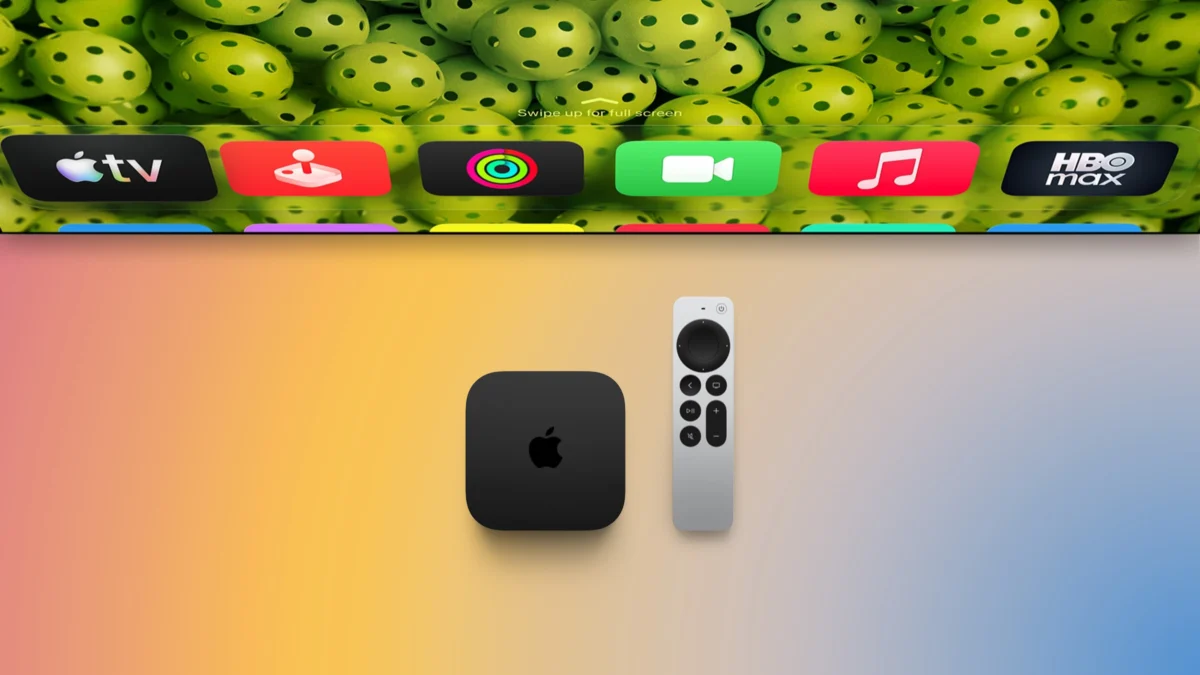
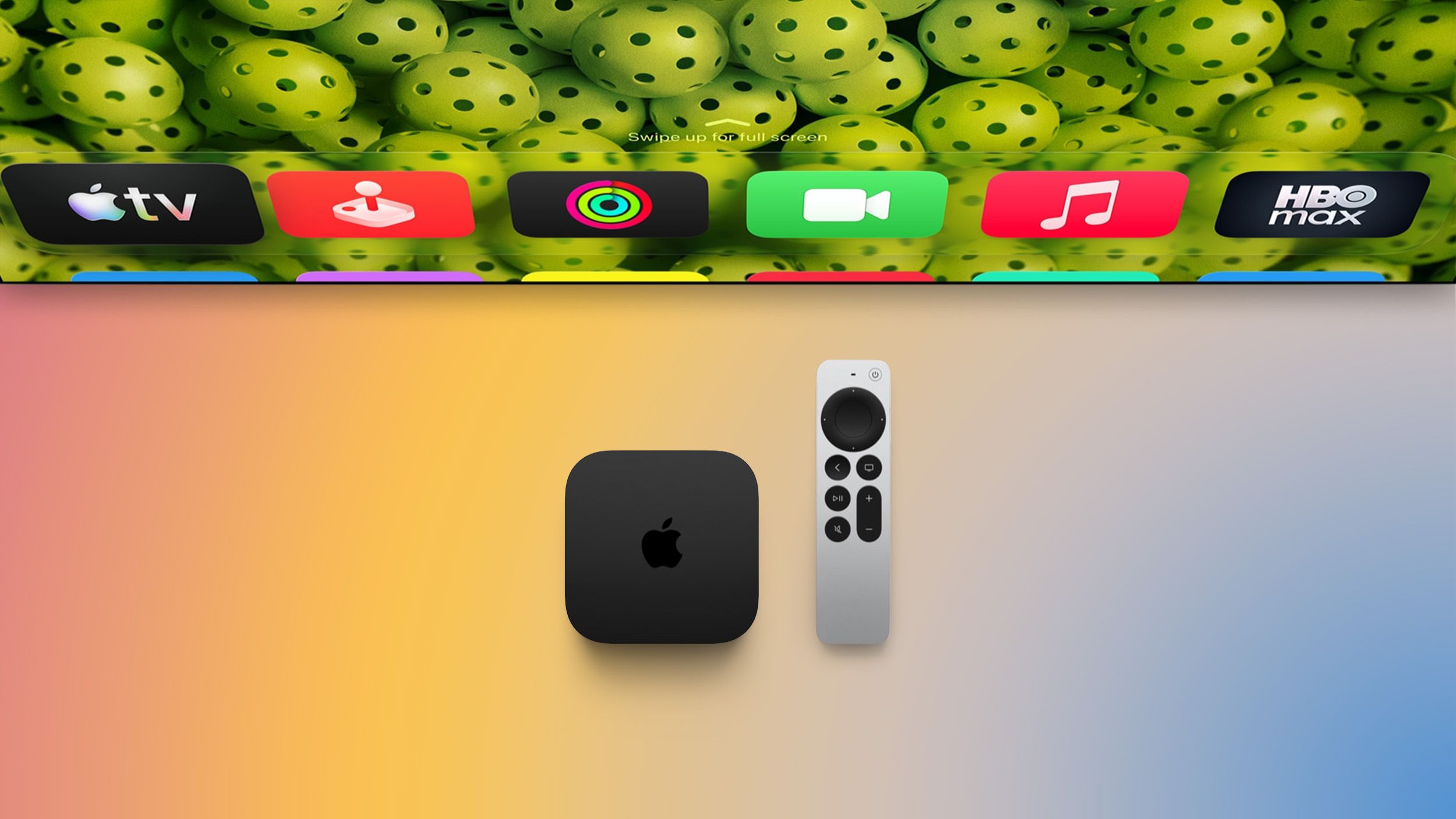
Apple has officially ushered in the next chapter of its home entertainment strategy with the launch of the fourth-generation Apple TV 4K. Announced this week, the new streaming powerhouse arrives with significant internal upgrades, most notably the transition to the A19 silicon architecture. While the device maintains the familiar aesthetic that has defined the product line since 2022, the internal overhaul suggests a shift toward a more integrated, AI-driven, and auditorily immersive home ecosystem.
For consumers, the arrival of the fourth-generation Apple TV 4K at a $299 price point marks a clear transition away from the budget-friendly tiers of the past. By standardizing high-end features—such as Ethernet and 128GB of storage—into a single, premium configuration, Apple is positioning its latest box as the definitive hub for the modern smart home.
Main Facts: What Defines the Fourth Generation?
The headline feature of the new Apple TV 4K is undoubtedly the A19 chip. Built on TSMC’s cutting-edge third-generation 3nm (N3P) process, this silicon brings desktop-class graphics and machine learning capabilities to the television. This power is put to work immediately via the introduction of built-in far-field microphones, enabling hands-free Siri interaction for the first time in the device’s history.
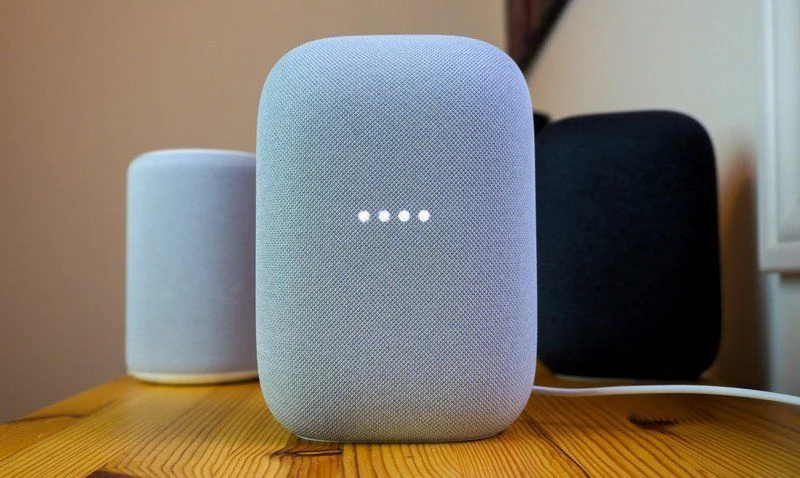
Beyond the silicon, the fourth-generation model introduces a sophisticated four-speaker "Whole Room Audio" configuration, allowing users to pair two sets of HomePods (or HomePod mini 2s) to create a surround-sound environment that is calibrated automatically by the Apple TV itself.
The updated Siri Remote also sees a significant refinement. While it retains the beloved form factor of its predecessor, the new remote gains an integrated speaker for "Find My" alerts and utilizes Bluetooth Channel Sounding to provide precise, directional location tracking when paired with a compatible iPhone 17 or newer.
A Chronological Perspective: From 2022 to the Present
The evolution from the third-generation model, released on November 4, 2022, to this latest iteration highlights how Apple’s priorities have shifted. The 2022 model was split into two distinct tiers: a 64GB Wi-Fi model and a 128GB Ethernet-equipped model. This segmentation allowed Apple to cater to different budget brackets, starting at an entry price of $129.
However, in June 2026, Apple adjusted the pricing of the older model upward, effectively narrowing the gap between the end-of-life third-generation unit and the impending fourth-generation launch. When the fourth-generation model becomes available on November 13, 2026, it will arrive as a single, consolidated SKU at $299. This move mirrors Apple’s broader strategy of removing friction for the user—by making every new Apple TV 4K "the best one," the company ensures that developers and consumers alike can rely on a consistent set of hardware capabilities, such as mandatory Ethernet and Thread networking support.
Supporting Data: Configuration and Technical Specifications
The jump to the A19 chip is not merely a marketing metric; it represents a fundamental shift in how the device handles media and interactive tasks. The following table highlights the architectural leap between the A15 Bionic and the A19:
| Feature | A15 Bionic (3rd Gen) | A19 (4th Gen) |
|---|---|---|
| Process | 5nm (N5P) | 3nm (N3P) |
| Ray Tracing | Software-based | Hardware-accelerated |
| Mesh Shading | Standard | Hardware-accelerated |
| Video Decoding | Standard | Dedicated AV1 hardware decoder |
| Anti-aliasing | 4x MSAA | 8x MSAA |
| Neural Engine | 16-core | Updated 16-core architecture |
The inclusion of a dedicated AV1 hardware decoder is a critical addition for modern streaming. AV1 is increasingly becoming the industry standard for high-efficiency, high-quality video compression used by services like YouTube and Netflix. By moving this process to dedicated hardware, the A19 chip can decode 4K, high-bitrate streams with significantly lower power consumption and heat output compared to the software-decoding approach used by the A15.
Furthermore, the networking capabilities have been future-proofed. The fourth generation upgrades to Wi-Fi 7 (802.11be) and Bluetooth 6, ensuring that the device remains responsive even in environments saturated with wireless signals.
The AI Integration: Siri’s New Horizons
Apple has emphasized that the "Siri AI" experience is not exclusive to the new hardware; it will be coming to the third-generation Apple TV 4K and later models via tvOS 27.2. This includes conversational search capabilities, the ability to answer follow-up questions, and the integration of personal context from paired devices.
However, the user experience differs significantly depending on the hardware. On the fourth-generation device, the integrated three-microphone array allows for true "hands-free" activation. Users no longer need to reach for the remote to invoke the assistant. Apple’s implementation includes advanced echo cancellation, allowing the device to hear commands even while the television is playing audio at high volumes. This, combined with the new status light that moves from the right side of the device to the center, provides a clear visual indicator that the device is listening.
Implications for the Home Theater Ecosystem
Perhaps the most ambitious implication of the fourth-generation release is the "Whole Room Audio" mode. Previously, the Apple TV 4K allowed for stereo pairs or a single HomePod speaker. The new model expands this to a four-speaker surround sound system.
By allowing a combination of two full-sized HomePods (as front speakers) and two HomePod mini 2 units (as rear surrounds), Apple is effectively positioning the Apple TV 4K as a high-end AV receiver alternative. The device performs automatic level calibration and timing adjustments, ensuring that audio is perfectly synced across the room. It is important to note, however, that first-generation full-sized HomePods and original HomePod minis are excluded from this specific configuration. This creates a "walled garden" of compatibility that will require many users to upgrade their existing audio equipment if they wish to unlock this feature.
The "Find My" Remote: Convenience vs. Cost
The new Siri Remote addresses one of the most common complaints among Apple TV users: misplacing the remote. While the 2022 remote supported proximity finding, the 2026 iteration introduces Precision Finding. By utilizing Bluetooth Channel Sounding, the new remote can guide users with visual cues on an iPhone 17 to within inches of its location.
For users who are perfectly happy with their current streaming experience but are tired of losing the remote, Apple has wisely decided to sell the new Siri Remote separately for $59. It is fully backward compatible with every previous 4K model and even the original Apple TV HD. This represents a significant cost-saving measure for the consumer, as it allows them to gain the most practical hardware upgrade without the $299 investment of a full system replacement.
Final Verdict: Should You Upgrade?
The decision to upgrade from the third-generation Apple TV 4K is largely a question of specific use cases.
For the average consumer who uses their TV primarily for streaming content like Netflix, Disney+, or YouTube, the third-generation model remains highly capable. The new A19 chip, while powerful, offers limited tangible benefits for standard video playback, and the "Siri AI" features are being delivered as a software update to the older model.
However, the upgrade becomes compelling under three specific conditions:
- The Four-Speaker Home Theater Enthusiast: If you have been waiting to turn your Apple TV into a true surround-sound center, the new four-speaker HomePod support is a transformative feature.
- The Power Gamer: If you utilize the Apple TV for high-end gaming via Apple Arcade, the shift to hardware-accelerated ray tracing and mesh shading, combined with the 8x anti-aliasing, offers a significant leap in fidelity that the A15 simply cannot match.
- The Smart Home Power User: If your television is situated in an open-plan room where the TV acts as a primary control hub for the home, the far-field microphone array provides a level of convenience and accessibility that is unmatched by previous iterations.
Ultimately, the fourth-generation Apple TV 4K is a mature, high-performance device. By standardizing the "pro" specs—Ethernet, Thread, and massive storage—Apple is signaling that the Apple TV is no longer just a streaming box, but the central nervous system of the living room. Whether that justifies the $299 price tag will depend entirely on how deeply a user is invested in the Apple Home ecosystem.