Apple Unveils Major App Store Overhaul: Advanced Creative Assets and Streamlined Management Tools Empower Developers
Cupertino, California — In a move designed to fundamentally transform how developers market, manage, and visualize their digital products, Apple has announced a sweeping suite of updates for the App Store and App Store Connect. Rolled out to developers globally, the update introduces high-impact creative assets for product pages and search results, a sophisticated cross-platform preview tool, and a centralized hub known as the Asset Library.
The announcement, made on October 5, 2026, represents one of the most significant expansions of App Store marketing capabilities in recent years. By providing developers with richer multimedia tools and a more intuitive backend infrastructure, Apple is aiming to bridge the gap between creative vision and consumer engagement in an increasingly crowded marketplace.
Main Facts
The core of Apple’s latest developer-focused release centers on three primary pillars: enhanced marketing capabilities, pre-submission visualization, and streamlined backend asset management.
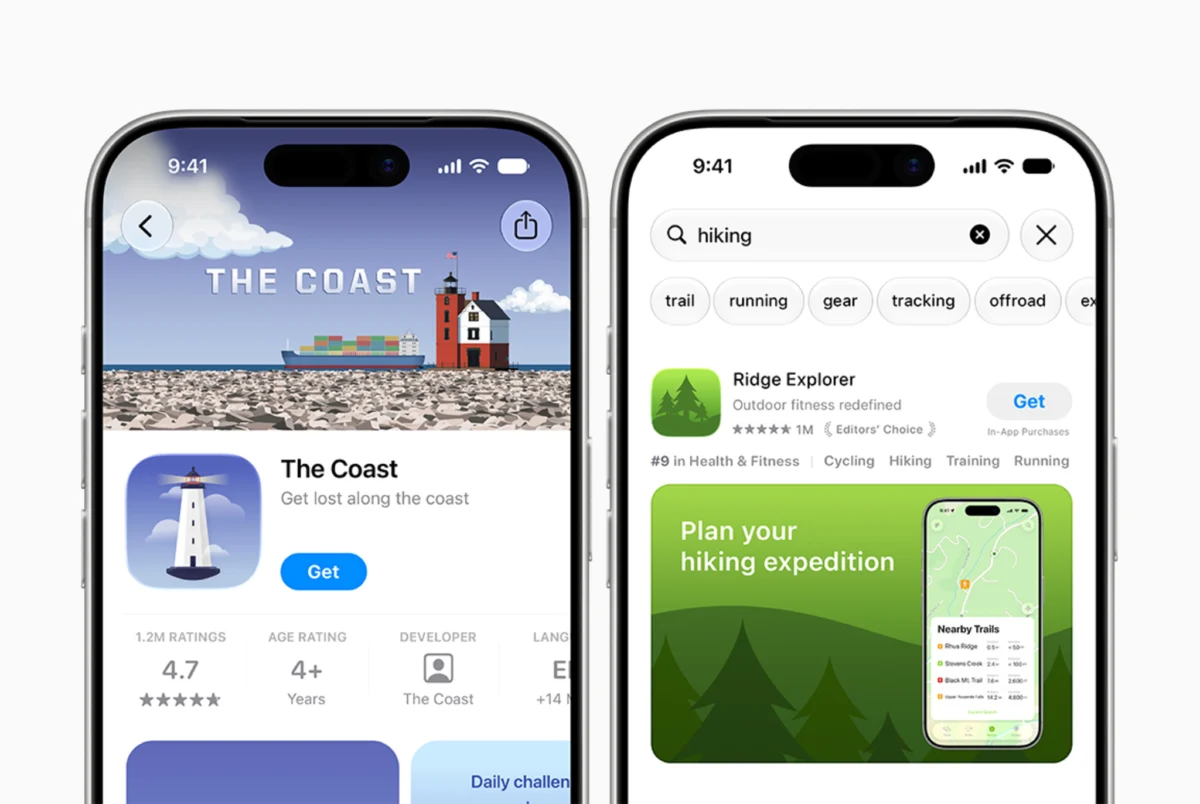
New Creative Marketing Assets: Developers can now leverage entirely new image and video formats for their product page headers and search result displays. These assets are engineered to move beyond traditional screenshots and app previews, allowing teams to dynamically highlight brand identities, spotlight seasonal promotions, tease upcoming expansions, and showcase fresh content updates.
Comprehensive Preview Tool: Integrated directly into App Store Connect, a new multi-device preview simulator allows developers to inspect their creative layouts, metadata, and screenshots prior to submission. The tool accounts for various screen orientations, diverse hardware form factors, and Dark Mode configurations to guarantee visual fidelity.
The Centralized Asset Library: App Store Connect now features a dedicated Asset Library. This repository enables developers to upload, organize, and store creative assets, promotional images, and video previews in a single location. Crucially, assets can be pre-approved ahead of campaign launches, dramatically cutting down time-to-market for seasonal updates and marketing blitzes.
Design Guidance and Templates: To ensure consistency and high production values across the ecosystem, Apple has released an exhaustive set of downloadable design templates and formatting guidelines.
Chronology: The Evolution of App Store Marketing
The journey toward this comprehensive toolkit has been shaped by years of iterative updates aimed at giving developers finer control over their store presence.
Early App Store Era: For years, the App Store product page remained static. Developers were restricted to a rigid grid of portrait or landscape screenshots and a single promotional video preview. Marketing changes often required rolling out an entirely new app binary update.
The Introduction of Custom Product Pages: Recognizing the need for targeted marketing, Apple previously rolled out Custom Product Pages, allowing developers to create up to 35 alternate versions of their product page to highlight specific features or content to different user segments via unique URLs.
Product Page Optimization (PPO): Apple further empowered marketers with A/B testing tools, enabling teams to test different icons, screenshots, and app previews against one another to optimize conversion rates.
October 5, 2026 – The Asset Library and Creative Expansion: Marking the current milestone, Apple unites these evolutionary threads. By introducing advanced headers, search result media assets, and the Asset Library in App Store Connect, the company transitions the App Store from a static digital warehouse into a dynamic, campaign-driven publishing platform.
Supporting Data and Ecosystem Impact
The scale of the App Store ecosystem underscores the profound impact these new tools will have on the global app economy. With millions of apps and games available across iOS, iPadOS, macOS, watchOS, and tvOS, discoverability remains the single greatest challenge for independent creators and major enterprise studios alike.
Search as a Primary Discovery Engine: Industry data consistently shows that a vast majority of app downloads originate directly from App Store search queries. By enabling rich video and graphic assets directly within search results—as demonstrated by conceptual mockups like the "Ridge Explorer" hiking app featuring Editors’ Choice badges and interactive trail maps—Apple is directly addressing search conversion bottlenecks.
Conversion Rate Optimization: Early beta testers of the new product page headers report significant lifts in user acquisition. According to internal developer feedback, immersive headers that dynamically reflect seasonal updates (such as a maritime cargo theme for a game like The Coast) capture user attention far more effectively than standard text-and-screenshot layouts.
Workflow Efficiency: The implementation of the Asset Library is projected to save development and marketing teams countless hours. In traditional workflows, coordinating marketing asset approval with app binary reviews often led to administrative bottlenecks. Decoupling asset approval from app version updates allows marketing departments to operate on agile, independent schedules.
Official Responses and Developer Community Reception
Reactions from the global developer community have been overwhelmingly positive, with industry leaders praising Apple for addressing long-standing pain points in app marketing workflows.
"For years, marketing a live-service game or a seasonal app update meant timing our graphic design pipelines down to the exact hour our app review cleared," said Elena Rostova, lead product manager at a prominent mobile gaming studio. "The ability to upload, organize, and pre-approve our creative assets independently via the Asset Library changes everything. We can now queue up our holiday campaigns weeks in advance with absolute peace of mind."
Apple’s engineering and product teams emphasized that the update was built with a deep understanding of modern digital marketing demands. In a briefing accompanying the release, an Apple spokesperson noted:
"The App Store is more than just a marketplace; it is a stage where millions of stories, games, and utilities come to life. With these new creative assets and the streamlined Asset Library in App Store Connect, we are giving creators the ultimate brush to paint their product’s story. Whether it’s highlighting a major seasonal event or simply showcasing the meticulous design of an app icon in Dark Mode, these tools ensure that every developer can put their best foot forward from the very first impression."
Designers have similarly lauded the inclusion of official downloadable templates. By removing the guesswork regarding padding, resolution constraints, and safe zones across varied screen sizes, Apple has lowered the barrier to entry for high-end promotional design.
Implications for the Future of App Marketing
The rollout of these advanced App Store management tools carries far-reaching implications for the mobile software industry, touching upon marketing strategies, user experience design, and ecosystem economics.
1. The Rise of Agile, Campaign-Driven App Stores
In the past, app store optimization (ASO) was treated as a set-it-and-forget-it maintenance task. With the ability to rapidly deploy pre-approved creative headers and search assets, app marketing is shifting toward a hyper-agile model mirroring web and social media advertising. Developers can now align their App Store presence in real-time with breaking news, cultural moments, or flash sales.
2. Heightened Visual Standards
As Apple provides richer canvases—such as expansive product page headers and animated search result modules—the baseline visual expectation from consumers will rise. Apps that fail to utilize these dynamic assets risk looking outdated compared to competitors who embrace immersive design. This dynamic encourages higher production investments into graphic and video design, potentially benefiting creative agencies and specialized mobile marketing firms.
3. Cross-Platform Consistency and Dark Mode Integration
The emphasis on the new multi-device preview tool highlights Apple’s ongoing commitment to visual cohesion. As users fluidly switch between iPhones, iPads, and Macs, ensuring that marketing assets look pristine across different aspect ratios and lighting modes is critical. The inclusion of native Dark Mode simulation within App Store Connect prevents costly design errors and ensures brand integrity under any viewing condition.
4. Frictionless Collaboration Between Dev and Marketing Teams
By centralizing asset management into a unified library, Apple is bridging the historical divide between technical development teams (who traditionally handled App Store Connect submissions) and creative marketing departments. This collaborative workspace reduces administrative friction, minimizes human error during deployment cycles, and accelerates time-to-market.
Conclusion
Apple’s October 2026 update to the App Store and App Store Connect marks a watershed moment for mobile software publishing. By fusing powerful new creative marketing formats with robust, centralized backend management tools, Apple has equipped developers with the sophistication needed to thrive in a hyper-competitive landscape.
As creators begin integrating these assets into their upcoming campaigns, consumers can look forward to a more vibrant, visually engaging, and dynamically responsive App Store experience—one where the gateway to discovery is as creative as the apps themselves.