





Main Facts
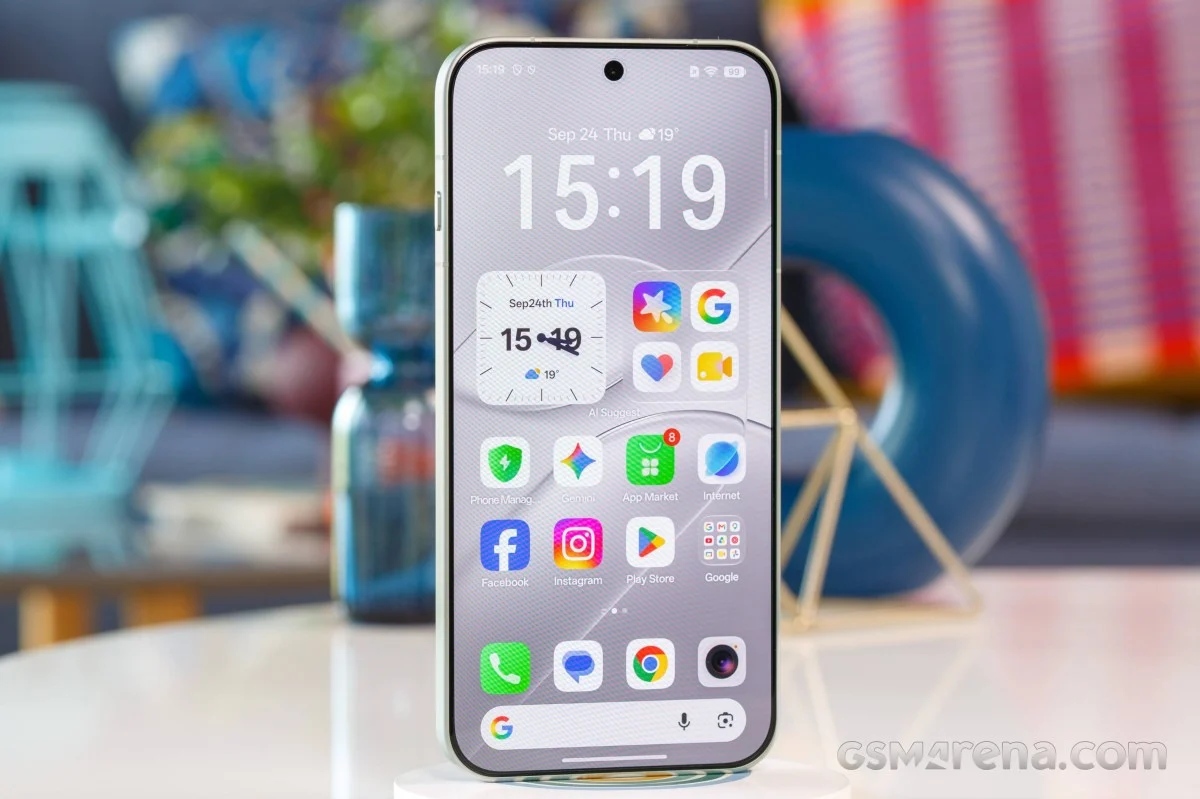
Oppo has officially shaken up the upper-echelon smartphone market with the debut of its Find X10 series, introducing a streamlined three-model lineup consisting of the Find X10 E, the standard Find X10, and the heavy-hitting Find X10 Pro Max. Bypassing a traditional "Pro" moniker this cycle, the Pro Max steps up directly as the spiritual successor to last year’s critically acclaimed Find X9 Pro, mirroring its footprint while drastically modernizing the core hardware architecture.
At the heart of the Oppo Find X10 Pro Max lies MediaTek’s bleeding-edge Dimensity 9600 Pro chipset, paired with a vibrant 6.78-inch OLED panel. While maintaining the diagonal screen size of its predecessor, the new display introduces a fluid 144Hz refresh rate and significantly higher peak brightness levels.
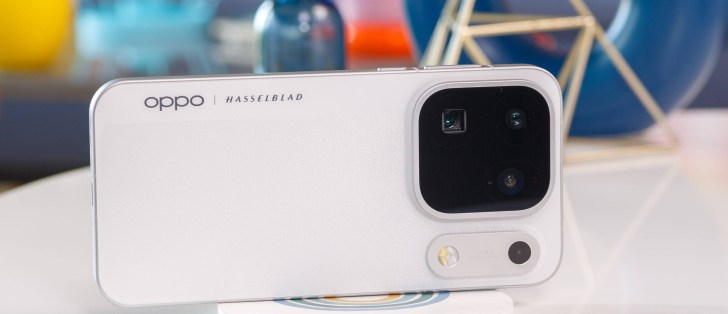
However, the definitive crown jewel of the Find X10 Pro Max is its groundbreaking camera array. Oppo has engineered the world’s first smartphone to feature a triple 200-megapixel camera configuration. This setup deploys specialized hardware across all three rear focal lengths:
- Main Camera: Utilizes a brand-new Samsung ISOCELL HPC sensor, delivering vastly improved light-gathering and detail-retention capabilities.
- Telephoto and Ultrawide Cameras: Both leverage the proven, high-performance Samsung ISOCELL HP5 sensor.
- Front-Facing Camera: Upgraded with a wider 18mm focal length, designed to capture significantly more expansive group selfies and immersive self-portraits.
Battery capacity varies by geographic market due to strict international air transport regulations regarding cell capacities. Global markets outside of Europe receive a massive 8,000 mAh battery, whereas European consumers will receive a capped 7,150 mAh unit. Both variants retain Oppo’s blazing-fast 80W SuperVOOC wired charging and 50W AirVOOC wireless charging.
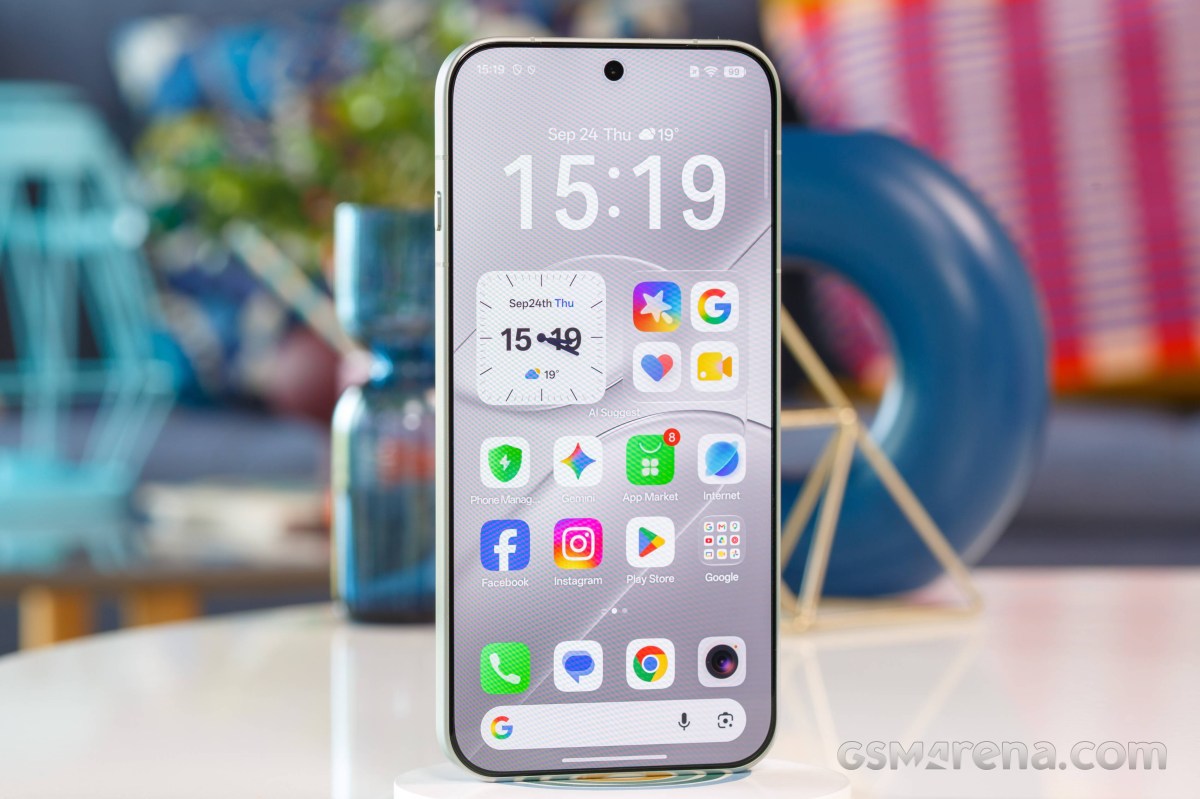
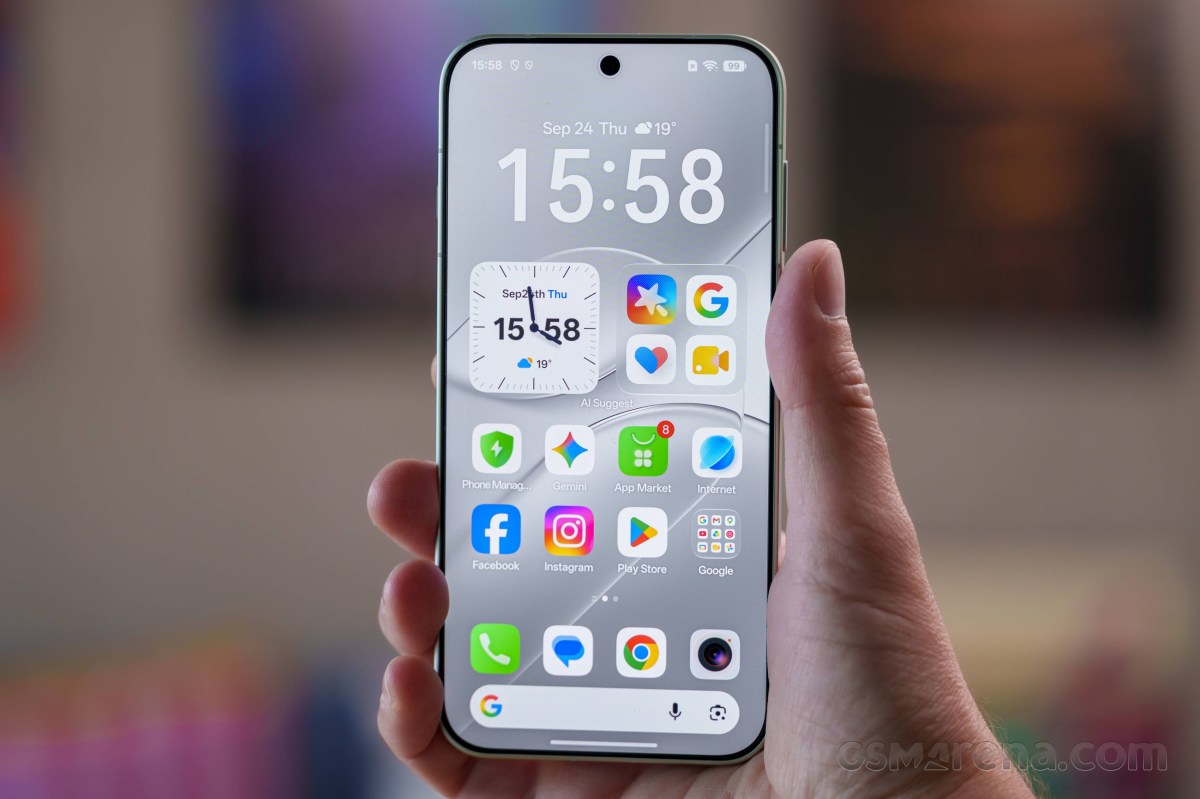
Software-wise, the device serves as the launch vehicle for Oppo’s proprietary ColorOS 17, built natively on top of Android 17. The interface brings a suite of system-level optimizations, AI-driven efficiencies, and advanced customization options.
Chronology
The development and rollout of the Find X10 Pro Max represent a carefully calculated strategic shift in Oppo’s hardware release pipeline.
- Early Pre-Production and Hardware Selection (Q3–Q4): Oppo finalized the architecture for the Find X10 series, deciding to skip a baseline "Pro" model in favor of the ultra-premium "Pro Max" branding to better compete against tier-one flagship rivals. Engineering teams prioritized the implementation of the MediaTek Dimensity 9600 Pro and partnered with sensor manufacturers to actualize the unprecedented triple-200MP camera layout.
- Regulatory Compliance and Regional Partitioning: Facing increasingly rigid international shipping and lithium-ion air transport regulations, Oppo made the logistical decision to segment battery capacities. The manufacturing lines were split to produce the 8,000 mAh global cell and the 7,150 mAh European-compliant cell.
- Official Global Unveiling: Oppo formally announced the Find X10 series, detailing the technical specifications, the introduction of ColorOS 17, and an ecosystem of modular photography accessories, including the Hasselblad Teleconverter Kit and Quicksand Shimmer Magnetic Cases.
- Review Distribution and Initial Hands-On Phase: Review units, including the fully loaded global 8,000 mAh variant, were distributed to tech publications worldwide. Early unboxing logs revealed regional packaging discrepancies—specifically the omission of the 80W brick inside European retail boxes due to local environmental and regulatory frameworks—while global markets retained the full kit.
Supporting Data
A granular examination of the specifications highlights where the Oppo Find X10 Pro Max diverges from its predecessors and how it positions itself against competing flagship devices.
Technical Specification Matrix
| Feature | Oppo Find X10 Pro Max (Global) | Oppo Find X10 Pro Max (Europe) | Oppo Find X9 Pro (Predecessor) |
|---|---|---|---|
| Display | 6.78-inch OLED, 144Hz, Higher Peak Brightness | 6.78-inch OLED, 144Hz, Higher Peak Brightness | 6.78-inch OLED, Standard High Refresh Rate |
| Processor | MediaTek Dimensity 9600 Pro | MediaTek Dimensity 9600 Pro | Previous-Gen Flagship SoC |
| Main Camera | 200MP Samsung ISOCELL HPC | 200MP Samsung ISOCELL HPC | Lower-resolution legacy sensor |
| Telephoto Camera | 200MP Samsung ISOCELL HP5 | 200MP Samsung ISOCELL HP5 | Standard high-MP telephoto |
| Ultrawide Camera | 200MP Samsung ISOCELL HP5 | 200MP Samsung ISOCELL HP5 | Standard ultrawide sensor |
| Selfie Camera | 18mm wider focal length | 18mm wider focal length | Narrower standard focal length |
| Battery Capacity | 8,000 mAh | 7,150 mAh | 7,500 mAh (Universal) |
| Wired Charging | 80W SuperVOOC | 80W SuperVOOC | 80W SuperVOOC |
| Wireless Charging | 50W AirVOOC | 50W AirVOOC | 50W AirVOOC |
| Software | ColorOS 17 (Android 17) | ColorOS 17 (Android 17) | ColorOS 16 |
Ecosystem Add-ons and Accessory Performance
Oppo has leaned heavily into modular utility and magnetic ecosystem integration with the Find X10 Pro Max generation:
- Hasselblad Teleconverter Kit:
- Adds a physical 3.28x optical zoom multiplier to the native 3x telephoto shooter.
- Delivers a true, lossless 10x optical zoom experience without digital interpolation artifacts.
- Ships complete with a dedicated structural case, a secure mounting mechanism, and an integrated safety lanyard.
- Quicksand Shimmer Magnetic Cases:
- Available in distinct finishes such as Titanium (light purple) and White.
- Crucial Functional Note: While the Find X10 Pro Max houses internal alignment magnets, their native magnetic pull strength is insufficient for secure accessory mounting. The Quicksand Shimmer case is practically required to stabilize magnetic peripherals.
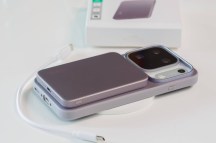
- Perfectly pairs with Oppo’s proprietary 22.5W 5,000 mAh UltraSlim Magnetic Power Bank.
- Retail Box Contents:
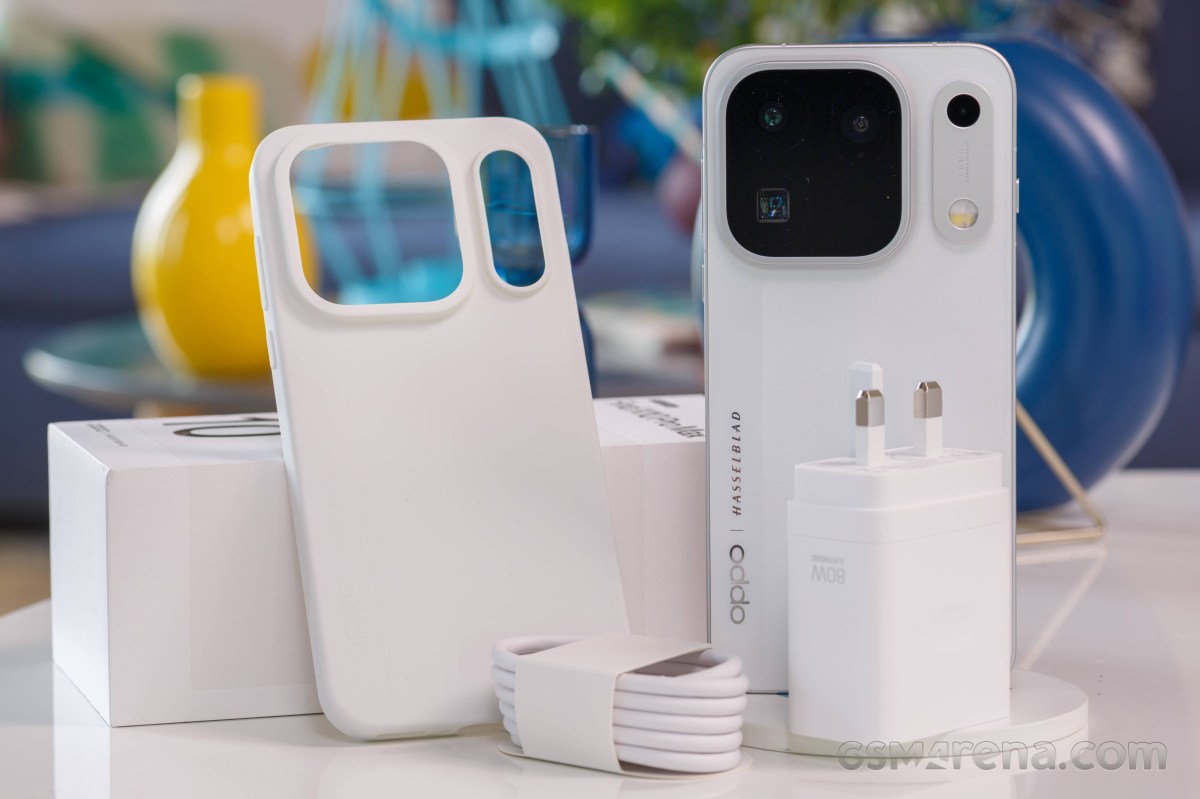
- Global Units: Includes the handset, user manuals, a USB-A to USB-C data/charging cable, a color-matched soft-touch silicone case, and the high-output 80W SuperVOOC charging brick.
- European Units: Ships without the wall charger inside the box, aligning with EU sustainability mandates, though standard manuals, cable, and protective case remain included.
Official Responses and Manufacturer Intentions
Oppo executives and product managers have addressed several key talking points surrounding the launch of the Find X10 Pro Max, particularly concerning regional hardware differences and the aggressive pivot toward ultra-high-resolution multi-sensor arrays.
Addressing the battery capacity discrepancy between European and global variants, Oppo representatives pointed directly to overarching international logistics and flight safety compliance. Transporting lithium-ion batteries exceeding specific energy thresholds via commercial cargo and passenger aircraft requires complex hazard mitigations. Rather than delaying the European market launch or scaling back global ambitions, Oppo elected to localize the cell size to 7,150 mAh for Europe while equipping the rest of the world with the ground-breaking 8,000 mAh cell.

Regarding the decision to implement a triple 200MP camera system, Oppo’s imaging division emphasized a philosophy of "parity in detail." Historically, multi-camera smartphones suffered from a sharp visual quality drop-off when switching between the main sensor and the telephoto or ultrawide lenses. By equipping all three rear apertures with ultra-high-resolution Samsung sensors (HPC for the primary, HP5 for the secondary lenses), Oppo asserts that users will experience absolute visual consistency, dynamic range parity, and uncompromised cropping flexibility regardless of which focal length is selected.
Furthermore, on the inclusion of the Hasselblad co-engineered optical hardware, Oppo noted that digital zooming—even with advanced AI upscaling—cannot fundamentally replace true optical glass elements. The optional Hasselblad Teleconverter Kit represents the brand’s commitment to bridging the gap between pocket-sized mobile devices and professional-grade focal reach.

Implications
The launch of the Oppo Find X10 Pro Max carries profound implications for the ultra-premium smartphone landscape, signaling several emerging trends for the mobile industry at large.
1. The 200-Megapixel Arms Race and Sensor Standardization
By being the first manufacturer to successfully orchestrate a triple 200MP setup, Oppo has raised the stakes for competing OEMs like Samsung, Apple, and Xiaomi. The industry is moving rapidly past the era of token macro lenses and low-resolution auxiliary cameras. Consumers in the flagship tier now expect every lens on the rear module to pull its weight as a primary-grade photographic instrument.

2. The Realities of Regional Hardware Fragmentation
The disparity between the 8,000 mAh global battery and the 7,150 mAh European battery highlights a growing hurdle for global tech giants. As regulatory bodies enforce stricter environmental, safety, and shipping protocols, global uniformity in hardware specs is becoming increasingly difficult to maintain. While European consumers may feel shortchanged receiving a smaller battery capacity, the integration of the energy-efficient MediaTek Dimensity 9600 Pro and adaptive 144Hz OLED panel aims to offset potential endurance losses in day-to-day use.
3. The Rise of Modular Mobile Photography
Oppo’s heavy promotion of the Hasselblad Teleconverter Kit and magnetic ecosystem accessories suggests a strategic pivot toward modular utility. As smartphone designs plateau in terms of thickness and weight, pushing optical limits via physical attachments allows manufacturers to offer DSLR-like capabilities without permanently altering the phone’s daily pocketability. However, the reliance on specialized magnetic cases to achieve secure accessory attachment indicates that internal smartphone magnet arrays still require significant engineering refinement before naked-device magnetic accessories become universally reliable.
4. Software Maturity with ColorOS 17
Debuting alongside Android 17, ColorOS 17 positions Oppo at the forefront of software modernization. The platform optimizations designed to handle the demanding data throughput of three simultaneous 200-megapixel sensors demonstrate deep integration between hardware and software engineering. As AI processing and image fusion demand more system resources, the Dimensity 9600 Pro paired with ColorOS 17 sets a new benchmark for thermal efficiency and multitasking responsiveness in heavy mobile workflows.