Showcase your apps with new assets on the App Store – Latest News – Apple Developer
CUPERTINO, CALIFORNIA — In a sweeping update aimed at redefining how developers connect with a global audience of billions, Apple has announced a comprehensive suite of new marketing and management features for the App Store. Unveiled on October 5, 2026, these enhancements provide app and game creators with unprecedented control over their visual branding, advanced tools for pre-submission visualization, and a centralized repository designed to simplify campaign planning.
The update arrives at a time when the App Store remains the world’s most vibrant digital marketplace, hosting millions of applications across iPhone, iPad, Mac, Apple Watch, and Apple Vision Pro. By introducing dynamic new product page headers, interactive search result assets, a robust multi-device preview environment, and the new Asset Library in App Store Connect, Apple is equipping developers of all sizes with enterprise-grade marketing capabilities traditionally reserved for major multinational studios.
Main Facts
The newly announced App Store features are structured around three core pillars designed to optimize discovery, streamline quality assurance, and simplify long-term marketing execution:
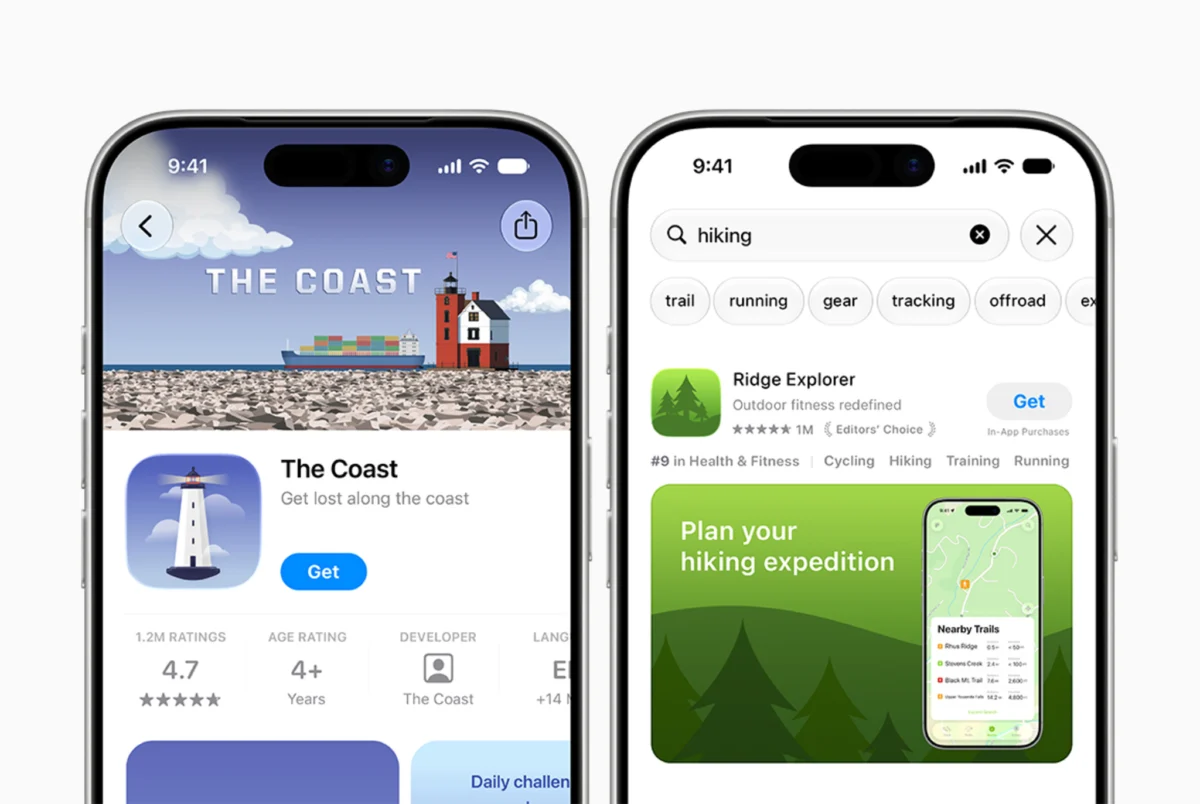
Expanded Creative Assets for Marketing: Developers can now integrate dynamic image and video assets directly into their product page headers and search result listings. These elements are designed to complement standard app previews and screenshots, offering fresh opportunities to highlight brand identity, push limited-time seasonal campaigns, and showcase newly released in-app content.
The App Store Connect Preview Tool: A brand-new simulation environment allows creators to preview how their metadata, screenshots, and creative assets will appear across different touchpoints before submission. The tool fully supports Dark Mode, various device form factors, and multiple screen orientations.
The Centralized Asset Library: A streamlined management hub within App Store Connect where developers can upload, organize, and store creative assets, screenshots, and app previews ahead of time. This includes the ability to secure pre-approval for upcoming marketing campaigns and deploy them instantaneously when the time is right.
Design Guidance and Resources: Apple has rolled out comprehensive design documentation alongside downloadable templates to ensure that the new visual elements adhere to high aesthetic and functional standards across the entire ecosystem.
Chronology
The rollout of these advanced App Store features represents the culmination of years of developer feedback requesting greater flexibility in visual storytelling and campaign coordination.
Phase One: The Evolution of App Discovery
Over the past decade, Apple has steadily expanded the ways developers can present their software. From the early days of static screenshots and rigid descriptions, the platform evolved to include auto-playing app previews, promotional text fields, and custom product pages tailored to specific target audiences. However, the upper echelons of product pages and search result placements remained largely bound by strict layout constraints.
Phase Two: Developer Feedback and Modernization Needs
As mobile applications matured into complex, service-driven ecosystems—often featuring live-ops events, seasonal updates, and rapid content cycles—creators voiced a growing need for more agile marketing tools. Developers wanted the ability to synchronize their external advertising campaigns with their in-store presence without being bottlenecked by rigid submission schedules.
Phase Three: The October 2026 Release
On October 5, 2026, Apple formally bridged this gap by releasing the comprehensive update to App Store Connect. The introduction of the Asset Library and the interactive preview environment marked a fundamental shift from reactive asset management to proactive, campaign-driven development. Developers gained the ability to stage campaigns months in advance, pre-clear marketing materials through the review pipeline, and deploy dynamic visual assets that respond to real-world events and seasonal shifts instantly.
Supporting Data
The scale of the App Store ecosystem underscores the profound impact these new creative tools will have on the global digital economy.
Global Reach: The App Store connects creators with users in 175 regions, making localized and dynamic marketing a critical necessity for developers seeking international traction.
Discovery Dynamics: Industry data indicates that the vast majority of app downloads begin with a search query or a visit to the App Store browse tabs. By introducing richer visual assets directly into search results—such as those demonstrated by the Ridge Explorer hiking app featuring an Editors’ Choice badge and trail maps—developers can drastically improve conversion rates before a user even navigates to the dedicated product page.
Visual Engagement Metrics: According to internal ecosystem studies, users spend significantly more time engaging with product pages that feature rich multimedia content, interactive headers, and clear contextual iconography (such as the maritime-themed lighthouse header seen on The Coast app profile).
Workflow Efficiency: Early beta testers of the Asset Library report a reduction in deployment friction, eliminating the previous necessity of scrambling to upload localized promotional assets during tight release windows. By decoupling the asset upload phase from the immediate release cycle, teams can maintain a continuous inventory of pre-approved marketing materials.
Official Responses
Industry reaction to the App Store update has been overwhelmingly positive, with indie developers and major publishing houses alike praising the shift toward greater creative autonomy.
"The ability to stage assets ahead of time and secure pre-approval for seasonal rollouts changes everything," noted a leading independent game director during the initial developer briefing. "We no longer have to worry about administrative bottlenecks when trying to capitalize on a sudden trend or a holiday update. The workflow is cleaner, faster, and much more intuitive."
Apple’s developer relations team emphasized that the initiative was built from the ground up to empower creators to tell more compelling stories about their software.
"Apps and games are living, breathing works of art and engineering that evolve constantly," said an Apple spokesperson during the feature rollout. "Our goal with these new creative assets and management tools is to provide developers with a canvas that matches that dynamism. By combining advanced search visibility, multi-device preview capabilities, and the centralized Asset Library, we are helping creators make unforgettable first impressions every single time a user discovers their work."
Design agencies specializing in App Store Optimization (ASO) have also lauded the addition of the new preview tool. By allowing UI/UX designers to test contrast ratios, Dark Mode compatibility, and layout scaling across various device profiles in real time, the tool minimizes costly revision cycles and ensures pixel-perfect execution upon launch.
Implications
The introduction of these advanced App Store features carries far-reaching implications for the mobile software industry, touching on marketing strategy, design standards, and competitive dynamics.
1. The Elevation of App Store Optimization (ASO)
ASO has long transcended simple keyword stuffing, evolving into a sophisticated discipline centered around conversion rate optimization (CRO). With the advent of dynamic header assets and enhanced search result visuals, ASO strategies will become even more granular. Developers will need to craft cohesive visual narratives that capture attention in crowded search results—where a fraction of a second dictates whether a user scrolls past or taps to install.
2. Streamlined Live-Ops and Seasonal Marketing
For modern apps, especially freemium games and subscription-based software, live-ops (live operations) are the lifeblood of sustained user retention. Seasonal events—such as Halloween updates, winter holidays, or major sports tournaments—require rapid visual transformations. The combination of pre-approved assets in the Asset Library and instantaneous deployment means that marketing teams can synchronize their in-app events with their App Store presence down to the minute, maximizing promotional synergy.
3. Democratization of High-End Marketing Assets
Historically, smaller development teams struggled to produce and manage multiple variations of promotional imagery for different regions and devices without risking administrative delays. By providing robust design guidance, downloadable templates, and a centralized management console, Apple is lowering the barrier to entry for boutique studios. High-tier visual presentation is no longer the exclusive domain of enterprise publishers with massive marketing operations.
4. Enhanced User Experience and Trust
From a consumer standpoint, richer and more accurate visual representations reduce friction and buyer’s remorse. When users can clearly see localized gameplay, accurate trail maps, or contextual interface previews in Dark Mode before downloading, they are far more likely to find apps that genuinely match their expectations. This alignment benefits the entire ecosystem, fostering higher user satisfaction and long-term engagement.
Looking Ahead
As the mobile landscape continues to mature in 2026 and beyond, tools that bridge the gap between technical engineering and creative expression will define the most successful software companies. Apple’s latest updates to App Store Connect and the App Store itself signal a clear commitment to fostering a dynamic, creator-first environment. By removing administrative hurdles and expanding the creative toolkit, Apple has set a new benchmark for digital distribution platforms worldwide.