






Cupertino, California — In a major update aimed at transforming how developers monetize their software and reach broader audiences, Apple has announced powerful new subscription features rolling out across its ecosystem. Revealed on September 16, 2026, the updates introduce flexible packaging options through "Bundles and Suites" alongside robust "Multiseat Purchasing" capabilities tailored for businesses, educational institutions, and collaborative teams.
Designed to maximize revenue potential, simplify deployment, and streamline group access, these tools represent one of the most significant overhauls to the App Store’s subscription architecture in recent years. Developers are already being encouraged to prepare their applications by ensuring full integration with StoreKit 2, positioning themselves to capitalize on the upcoming rollouts.
Main Facts
The latest framework updates introduced by Apple are structured around two core pillars: product packaging flexibility and organizational accessibility.
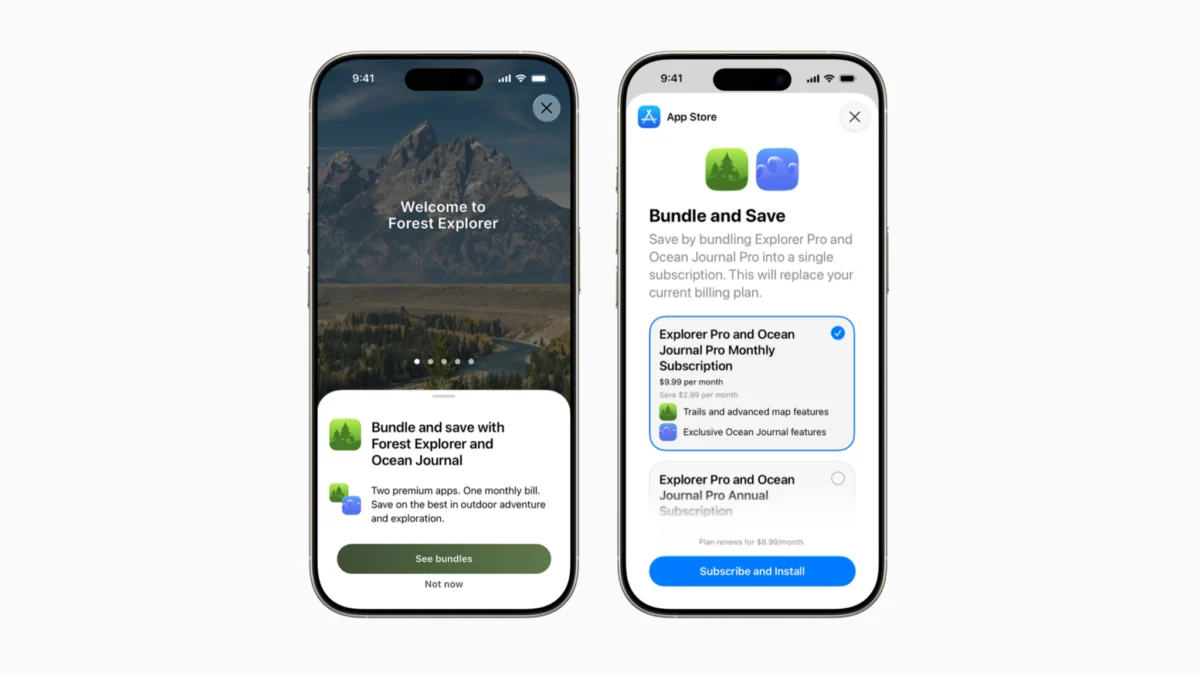
- Bundles and Suites: Developers can now group multiple subscriptions into a single Apple In-App Purchase. "Bundles" allow users to access multiple subscriptions in one transaction—whether spanning a single app, multiple apps from the same developer, or even collaborations across entirely different developers. "Suites" provide access to a single cohesive subscription that works seamlessly across a curated suite of apps from a single developer.
- Unified App Store Checkout: The App Store manages the entire purchase and discovery experience, displaying all included applications clearly at checkout so users can instantly download and access their content.
- Multiseat Purchasing: Aimed at organizations, small businesses, and collaborative groups, this feature allows bulk purchasing via Volume Purchasing and Group Purchases.
- Volume Purchasing Integration: Organizations utilizing Apple Business Manager and Apple School Manager can buy subscriptions via a single In-App Purchase and distribute seats effortlessly via device management providers.
- Streamlined Group Purchases: Individual subscribers can purchase multiple seats in one go and invite collaborators to join, with Apple managing the automated invitation and seat-assignment workflows.
- Default Settings and Control: Multiseat purchasing is enabled by default in App Store Connect for eligible subscriptions, giving developers granular control to enable, disable, or selectively restrict availability across different channels.
Chronology
The rollout of these advanced subscription capabilities follows a carefully structured timeline, beginning with developer previews and culminating in full consumer-facing deployment across upcoming operating system iterations.
- June 2026 (WWDC26): Apple initially previews the concepts behind developer bundles, suites, and organizational multiseat purchasing during its Worldwide Developers Conference, highlighting developer sessions such as video guides 210 and 391.
- September 16, 2026: Apple officially launches the documentation, request forms, and App Store Connect integration pathways. Developers are instructed to audit their codebases to ensure StoreKit 2 compliance and begin requesting access to Bundles and Suites configurations.
- Later in 2026: Bundles and Suites are scheduled to go live globally alongside the stable releases of iOS 27, iPadOS 27, macOS 27, tvOS 27, and subsequent operating system updates.
- October 22, 2026: The official launch date for Volume Purchasing channels through Apple Business Manager and Apple School Manager.
- Winter 2026: Group Purchases feature officially rolls out, enabling peer-to-peer and small-team multi-seat subscription sharing.
Supporting Data and Technical Architecture
To successfully leverage these new tools, developers must align their technical infrastructure with Apple’s modern framework standards.
StoreKit 2 as the Foundation
Apple has stressed that migrating to StoreKit 2 is a mandatory prerequisite for developers wishing to implement Bundles and Suites. StoreKit 2 provides modern, Swift-first APIs that make transaction verification, subscription status checks, and entitlement management significantly more secure and reliable than legacy implementations.
Configuration and Eligibility
Setting up a Bundle or Suite requires developers to submit a dedicated request form via the App Store Connect portal. Eligible configurations must meet specific technical requirements outlined on Apple’s newly minted Bundles and Suites developer resource page.
+-------------------------------------------------------------------+
|                        APP STORE CHECKOUT                         |
|                                                                   |
|  [App A] + [App B] + [App C]  -->  Single In-App Purchase         |
|  (Can be single developer, multi-developer, or suite model)      |
+-------------------------------------------------------------------+
                                  |
                                  v
+-------------------------------------------------------------------+
|                     MULTISEAT DISTRIBUTION                        |
|                                                                   |
|   Volume Purchasing (Apple Business/School Manager)               |
|   Group Purchases (Peer-to-peer team invitations)                 |
+-------------------------------------------------------------------+
Granular Management in App Store Connect
For multiseat purchasing, the controls built into App Store Connect give developers absolute sovereignty over how their products are sold. Because multiseat is enabled by default, developers who prefer traditional single-user models can opt out instantly. Alternatively, they can fine-tune availability—offering volume seats exclusively to enterprise clients via Apple Business Manager while restricting casual group purchases, or vice versa.
Official Responses and Industry Perspectives
The announcement has elicited a wave of positive reactions from the independent developer community, enterprise solutions providers, and consumer advocacy groups alike.
Industry analysts note that indie developers previously struggled to compete with large conglomerates because they lacked cross-promotional bundling mechanisms. By allowing developers—even across different companies—to pool their resources into a unified subscription offering, Apple has leveled the playing field.
"This is a paradigm shift for niche utility and creative application developers," notes enterprise software strategist Elena Rostova. "Previously, if a user wanted a suite of independent tools for vector editing, audio cleanup, and asset management, they had to manage three separate recurring bills. Now, independent creators can form syndicates, offering cohesive bundles that rival massive corporate software suites while keeping administrative overhead near zero."
Furthermore, Apple’s enterprise-facing solutions have been praised for bypassing traditional, sluggish corporate procurement pipelines. Small business owners, departmental heads, and creative project teams can now instantly secure group licenses using standard consumer or business payment methods, drastically reducing the friction historically associated with enterprise software adoption.
Implications for Developers, Enterprises, and Consumers
The integration of Bundles, Suites, and Multiseat Purchasing carries profound implications across the entire digital economy.
1. For Independent Developers and Studios
- Enhanced Discovery: Apps packaged within a high-profile Bundle or Suite benefit from cross-traffic, exposing smaller apps to the user bases of more established titles.
- Reduced Churn: Users subscribed to multi-app bundles find greater overall value in their ecosystem, significantly lowering cancellation rates.
- New Revenue Streams: Collaborative cross-developer bundles open up creative revenue-sharing models that were previously impossible without custom-built backend billing systems.
2. For Small Businesses and Work Groups
- Zero IT Friction: Teams can procure productivity, design, and administrative tools instantly without waiting for lengthy corporate IT reviews or enterprise contract negotiations.
- Cost Efficiency: Group purchases allow teams to share the financial burden of premium tools, making professional-grade software accessible to startups, freelance collectives, and localized departments.
3. For Consumers
- Simplified Financial Management: Instead of dozens of micro-transactions scattered across disparate subscriptions, users can manage comprehensive workflows through unified bundles.
- Immediate Access: The streamlined App Store purchase sheet ensures that downloading every component of a newly purchased suite happens concurrently and without manual code redemption.
Looking Ahead
As the deployment dates approach—culminating in the October Volume Purchasing launch and the winter rollout of Group Purchases—developers are urged to review Apple’s comprehensive documentation, watch the dedicated WWDC26 briefing videos (Sessions 210 and 391), and configure their App Store Connect settings. With iOS 27 on the horizon, the App Store is cementing its status as a sophisticated, flexible marketplace capable of serving everyone from the solo consumer to the largest global enterprise.